Best Dog Food for Japanese Terrier in 2026Based on Nutritional Science
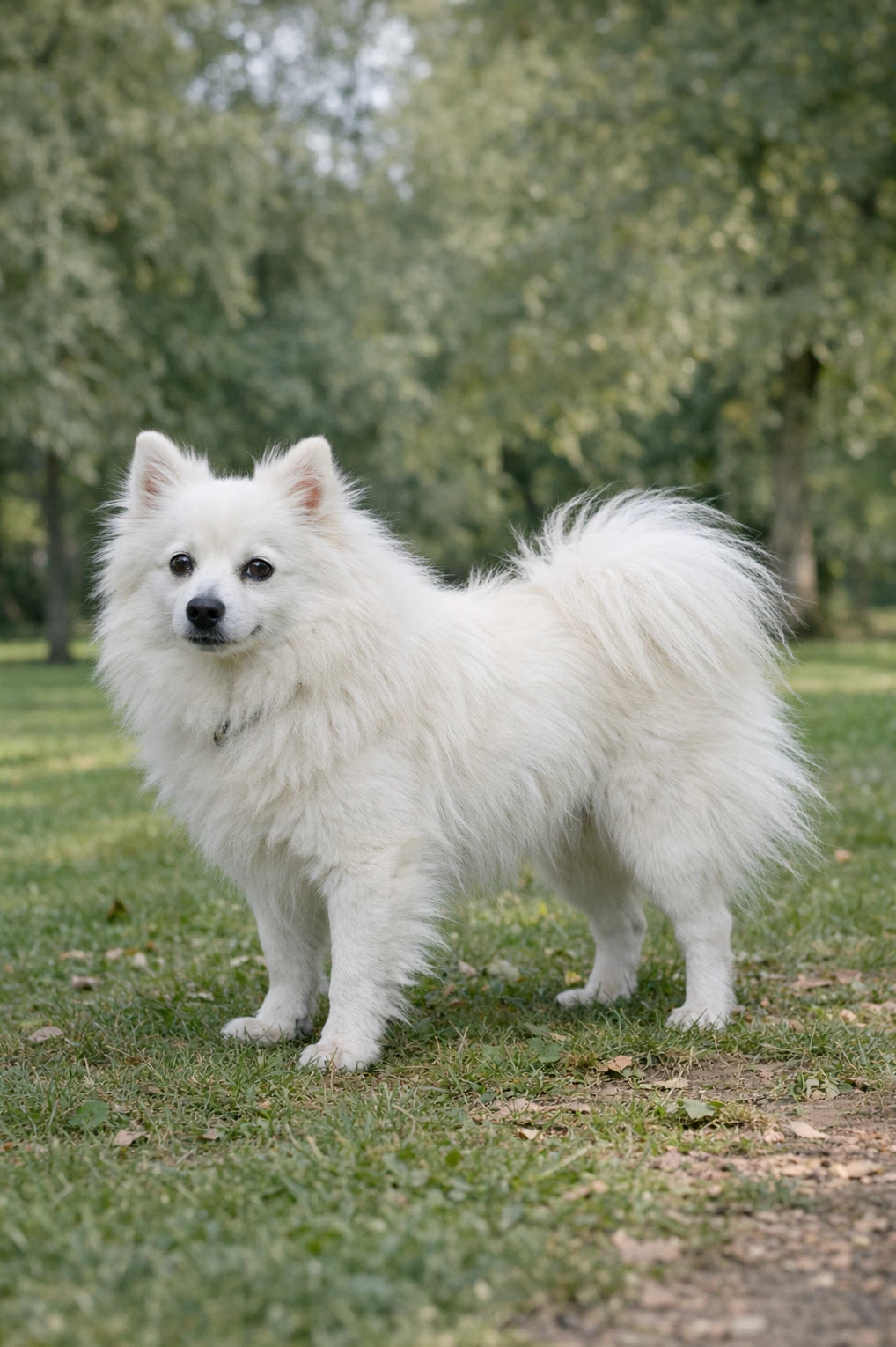
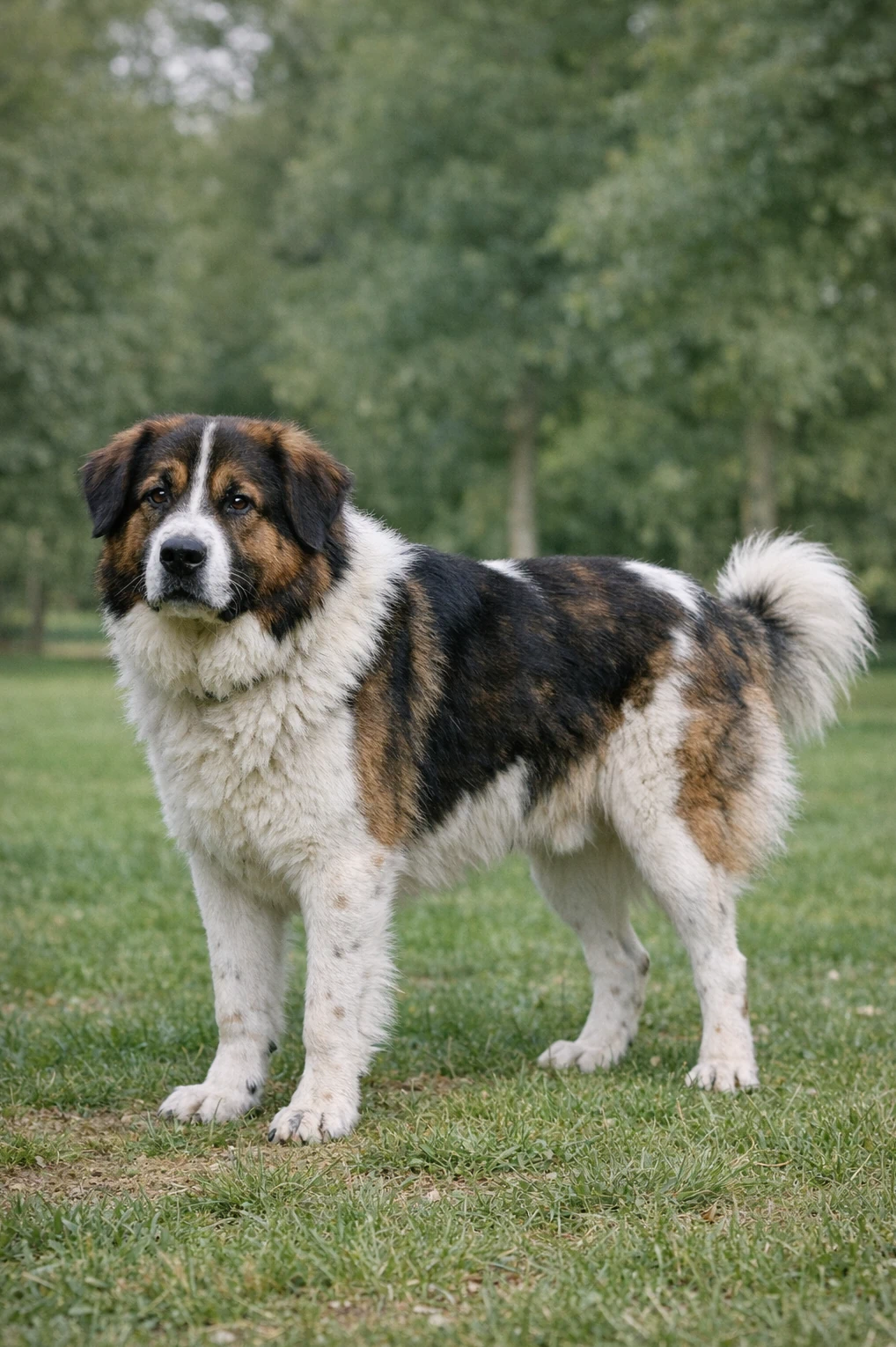
At 10 to 13 inches and 10 to 12 pounds, the Japanese Terrier is petite, quietly confident, and inquisitive.
Nutritional verdict: a balanced, protein-focused diet with careful portions keeps them fit and bright.

Understanding the Japanese Terrier Metabolism and Energy Needs
Small Japanese terrier descended from early companion and ratter lines, this dog tends to be aloof, self-reliant, and inquisitive. Those qualities mean they need quick energy bursts and sharp focus more than long, slow endurance.
A higher proportion of quality animal protein supports lean muscles and brain health, so ingredients like chicken, fish, or turkey are helpful for agility and alertness. Moderate healthy fats give concentrated calories and nourish skin and coat, with omega-3s reducing inflammation and supporting cognitive function. Slow-release carbohydrates such as sweet potato or brown rice provide steady fuel without promoting excess weight.
A probiotic can help with sensitive digestion, and a small-kibble, calorie-dense formula suits their tiny mouths and fast metabolism. Glucosamine may be useful later to support joint health as they age.
Managing Japanese Terrier Genetic Health Risks Through Nutrition
Patellar Luxation
Helpful nutrients
Legg-Calve-Perthes Disease
Helpful nutrients
Dental Health (tartar & gum disease)
Helpful nutrients
Obesity / Weight Gain
Helpful nutrients
Immune and Skin Support (helpful for parasite resilience)
Helpful nutrients
Japanese Terrier Feeding & Calorie Calculator
Estimated Daily Calories
Tip: Start with this amount and adjust after 2–3 weeks based on your dog's body condition and weight trend.
This estimate provides a starting point for feeding. Individual calorie needs may vary depending on metabolism, body condition, and health status. Always monitor your dog's weight and consult your veterinarian when adjusting diet.
Foods and Ingredients to Avoid for Japanese Terrier Dogs
Because Japanese Terriers are small and some individuals can gain weight easily, high-fat foods and greasy table scraps can add calories very quickly.
Extra weight places strain on tiny joints and can worsen conditions like patellar luxation and hip problems.
Keep treats lean and portioned, and avoid fried or fatty human foods.
If you are unsure about calorie limits, check with your veterinarian to keep your terrier at a healthy, active weight.
Xylitol is extremely toxic to dogs, even in tiny amounts, and can cause a rapid drop in blood sugar and liver damage.
It is commonly found in sugar-free gum, some peanut butters, candies, and toothpaste, so always read ingredient labels carefully.
Because Japanese Terriers are small, a little xylitol can have a big effect. Use dog-safe dental pastes when brushing and keep sugar-free items well out of reach.
Grapes and raisins can lead to kidney failure in some dogs, and chocolate contains theobromine and caffeine which are toxic, especially for small breeds like the Japanese Terrier.
Dose matters a lot more for a 10 to 12 pound dog, so even small amounts can be dangerous.
Avoid offering any of these items as treats and keep them stored securely. If accidental ingestion occurs, contact your veterinarian immediately.
Some grain-free diets that rely heavily on peas, lentils, or chickpeas have been linked in certain studies to heart concerns in dogs.
While this is still being researched, it is wise to be cautious with diets where legumes are the primary ingredient, particularly without veterinary guidance.
For a small dog that can be prone to weight changes, choose balanced formulas from reputable brands and discuss any grain-free or home-prepared diet with your vet to protect heart health.
Cooked bones can splinter and rawhide or oversized chews can pose choking hazards or cause tooth fractures, risks that are magnified for small-jawed breeds like the Japanese Terrier.
Dental health is important for this breed, so avoid hard items that could crack teeth.
Offer appropriately sized, vet-approved dental chews or supervision when giving any chew. If you want to give bones, consult your veterinarian about safe options and proper sizes.
Processed meats, salty snacks, and heavily spiced foods can upset a small dog’s stomach and lead to excessive thirst or sodium-related issues.
These foods also add empty calories and can contribute to weight gain, which stresses joints and overall health.
Stick to plain, unseasoned portions of cooked lean protein if you want to share human food, and reserve special treats for training.
Always ensure fresh water is available to help flush excess sodium.
Some dogs are sensitive to artificial preservatives and colorings, which can trigger skin or digestive reactions in susceptible pets.
For a small breed that can show sensitivities, choosing foods with natural preservation and simple ingredient lists can reduce the chance of irritation.
Look for high-quality formulas and discuss any persistent itching or tummy trouble with your veterinarian. Cleaning ingredients with your vet can help keep your terrier comfortable and thriving.
How Nutritional Needs Change Throughout the Japanese Terrier Life Stages
Dogs have changing nutritional needs as they move from puppyhood to adulthood and into their senior years. Factors such as a breed's growth rate, inherent activity level, and common health tendencies shape how many calories, how much protein and fat, and which vitamins and minerals are most important. For a small, spirited breed like the Japanese Terrier these differences guide feeding frequency, portion size, and supplement choices.
| Life Stage | Age Range | Primary Objective | Key Nutrient Focus |
|---|---|---|---|
| Puppy | 0–10 months | controlled skeletal development, immune support, brain development | DHA, balanced calcium/phosphorus, high-quality protein |
| Adult | 10 months–8 years | lean muscle maintenance and sustained energy | high-quality protein, omega-3 fatty acids, fiber |
| Senior | 8+ years | joint mobility, metabolic health, and cognitive support | glucosamine, chondroitin, antioxidants, lower calories |
Japanese Terrier puppies grow relatively quickly and often reach adult size within their first year, so feeding should support steady, controlled growth rather than fast spikes. Their small frames need careful calcium and phosphorus balance to support skeletal development while avoiding excess calories that could place stress on developing hips and knees.
Offer multiple small meals per day to match their higher metabolic rate and to keep blood sugar steady, especially because small breeds can be prone to hypoglycemia if meals are skipped. Focus on high quality animal protein, DHA for brain and eye development, controlled fat for energy, and omega 3s and glucosamine precursors to support joint health, while keeping an eye on weight to reduce risk for patellar luxation and Legg-Calve-Perthes disease.
As adults Japanese Terriers settle into a steady metabolic pace, so nutrition shifts from growth to maintenance of lean muscle and healthy body weight. Choose a diet with moderate to high quality protein and controlled fat to provide energy for curious short bursts of activity, while avoiding excess calories that lead to weight gain and extra strain on small joints.
Two regular meals a day help maintain energy and dental health, since small breeds can benefit from kibble that supports teeth or from regular brushing and dental chews recommended by your vet. Include easily digestible proteins, balanced omega 6 to omega 3 fats for coat and skin, and keep an eye on portion sizes and treats to support long term joint health and reduce risk of orthopedic issues like patellar luxation.
In senior Japanese Terriers metabolism often slows and digestion can become less efficient, so calorie needs may drop even if appetite seems unchanged. Aging also brings greater risk of joint stiffness and mobility changes, so diets that support joints and preserve lean muscle are important to keep them nimble and comfortable.
Look for diets with joint support ingredients like omega 3 fatty acids, glucosamine and chondroitin, plus antioxidants such as vitamin E to support cellular health, and a bit more fiber to aid digestion. Maintain high quality protein to preserve muscle, reduce overall calories if activity declines, and work with your vet to adjust texture for dental comfort while monitoring weight closely to protect hips and knees from extra stress.
Kibble vs Fresh vs Raw for Japanese Terrier
Different feeding models fit different lifestyles and dog personalities, so choose what matches your routine and goals.
For a small, reserved Japanese Terrier, factors like kibble size, calorie control, and dental care matter.
Pros
- Convenient and easy to portion for busy owners.
- Small-kibble formulas suit tiny jaws and encourage chewing.
- Consistent, complete nutrition when you choose reputable brands.
- Some formulas include added joint support for active small breeds.
Cons
- Lower moisture content may not suit all dogs.
- Calorie-dense formulas can cause weight gain in less active dogs.
- Some brands include fillers or artificial additives.
- Kibble alone may not address dental plaque without brushing.
Pros
- Highly palatable, often welcomed by picky eaters.
- High moisture supports hydration and gentle digestion.
- You control ingredients, helpful for food sensitivities.
- Easier to manage portion sizes for small dogs.
Cons
- Requires careful balancing to ensure complete nutrition.
- Meal prep and refrigeration add time and cost.
- Short shelf life can be tricky when traveling.
- Dental benefits are limited without regular brushing.
Pros
- High protein and minimal processing appeal to some owners.
- May improve coat condition and energy for active dogs.
- Customizable to avoid specific allergens or sensitivities.
Cons
- Higher bacterial risk requires strict hygiene and handling.
- Small bones can cause choking or dental damage in tiny breeds.
- Balancing calcium and nutrients needs veterinary guidance.
- May be expensive and time-consuming to prepare safely.
| Diet Type | Pros for Japanese Terrier | Potential Downsides |
|---|---|---|
| High-Quality Kibble |
|
|
| Fresh Cooked Food |
|
|
| Raw Diet (BARF) |
|
|
Our Recommendation
For most Japanese Terriers, high-quality kibble or carefully planned fresh cooked meals work best, thanks to convenience and portion control.
Raw diets can be an option, but only with veterinary oversight and strict hygiene.
See Also
Breeds with similar group, size, and coat characteristics