Best Dog Food for Volpino Italiano in 2026Based on Nutritional Science
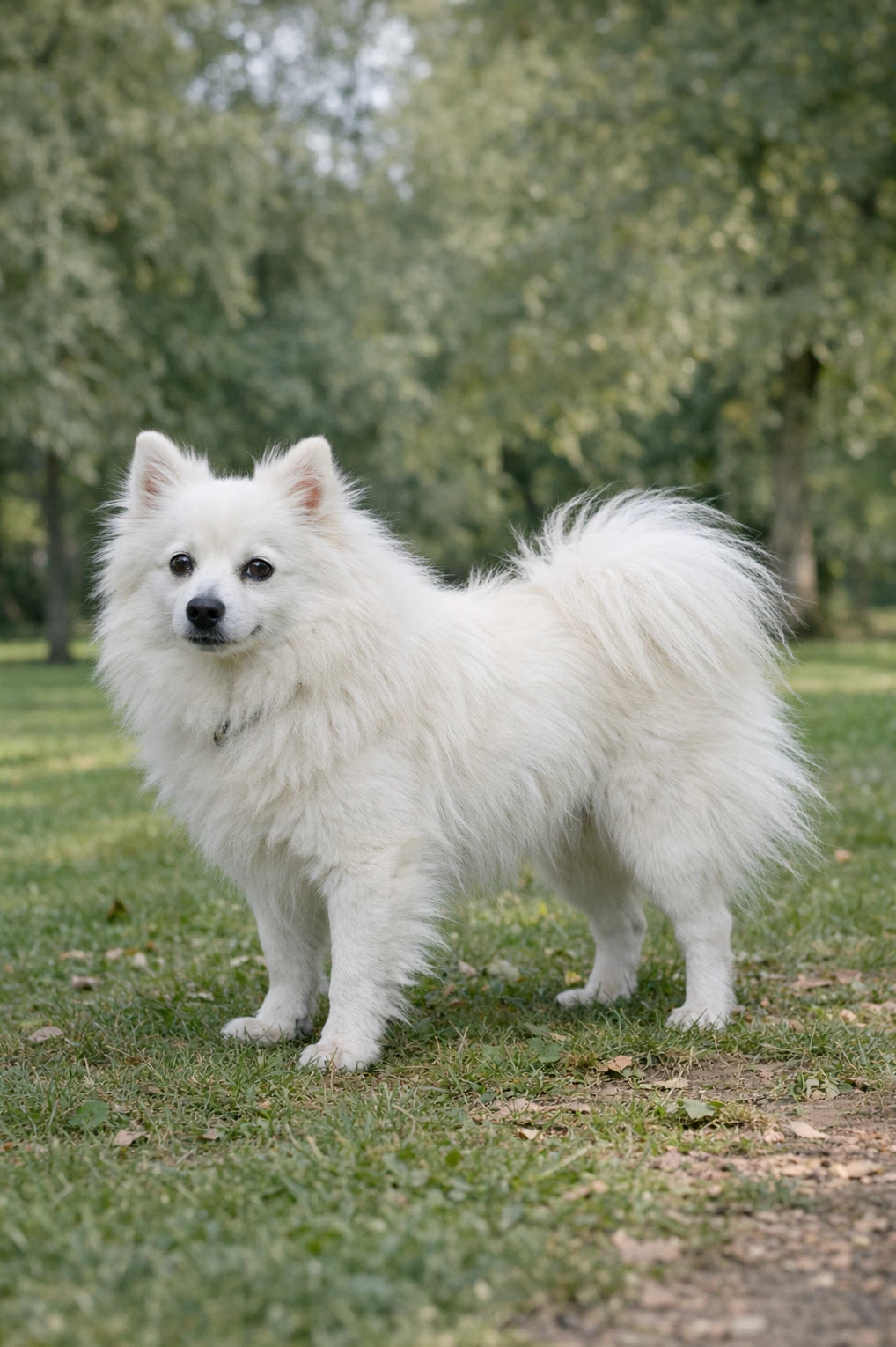
Compact and spirited Volpino Italiano stands about 10.5-12 inches and weighs 10-16 pounds. Affectionate, devoted, and lively companion. Nutritional verdict: balanced, protein-rich meals with healthy fats support their active, happy life.
Understanding the Volpino Italiano Metabolism and Energy Needs
As a compact companion descended from old Italian small-dog lines, these dogs combine a spirited nature with deep attachment to their people. That mix of quick bursts of activity and close social bonding shapes what they need nutritionally.
Higher quality protein supports lean muscle and keeps their alert metabolism humming, aim for about 25 to 30 percent of calories from protein to preserve tone and a glossy coat. Moderate fats, roughly 18 to 22 percent, provide dense fuel for short bursts and help maintain skin and fur health, while controlled carbohydrates offer steady energy without excess weight.
To support coat and brain health include omega-3s, and consider joint nutrients like glucosamine for active play. Easily digested proteins and periodic small meals help stabilize energy and comfort a playful, devoted companion.
Managing Volpino Italiano Genetic Health Risks Through Nutrition
Primary Lens Luxation (PLL)
Helpful nutrients
Anal gland impaction or infection
Helpful nutrients
Overweight and obesity
Helpful nutrients
Volpino Italiano Feeding & Calorie Calculator
Estimated Daily Calories
Tip: Start with this amount and adjust after 2–3 weeks based on your dog's body condition and weight trend.
This estimate provides a starting point for feeding. Individual calorie needs may vary depending on metabolism, body condition, and health status. Always monitor your dog's weight and consult your veterinarian when adjusting diet.
Foods and Ingredients to Avoid for Volpino Italiano Dogs
Volpino Italiano are small dogs that can gain weight quickly, and high-fat foods or greasy table scraps add a lot of calories fast.
Excess fat not only promotes obesity, but can also increase the risk of pancreatitis, which can be serious for a little dog.
Keep meals based on lean proteins and controlled portions, and reserve fatty treats for very rare occasions after checking with your veterinarian.
Xylitol is extremely toxic to dogs and even a small amount can cause a dangerous drop in blood sugar and liver damage.
Because Volpini are light in weight, products like sugar-free gum, some peanut butters, baked goods, and certain dental chews are particularly risky.
Always read labels carefully, keep human foods out of reach, and call your vet right away if you suspect your dog ate something with xylitol.
Onions, garlic, chives, and leeks can damage red blood cells and cause hemolytic anemia in dogs, sometimes after repeated or concentrated exposure.
Small breeds require a smaller dose to show symptoms, so even tiny amounts in cooked dishes or powdered seasonings can be a problem.
Avoid any recipes or snacks that include alliums, and if your Volpino eats something suspect, contact your veterinarian for advice.
Grapes and raisins can cause sudden kidney failure in some dogs, and there is no safe threshold that applies to every dog.
For a small breed like the Volpino Italiano, a few grapes or raisins represent a much larger dose relative to their body weight, increasing the risk of harm.
Keep these fruits completely out of reach, and seek veterinary attention immediately if ingestion occurs.
Because Volpini can be prone to weight gain, high-calorie treats and frequent table scraps quickly add up and push your dog above a healthy weight.
Overweight small dogs face extra stress on joints and internal organs, and losing those extra pounds can be harder once the habit is set.
Use low-calorie, small-size treats for training, portion treats into the daily calorie allowance, and stick to a balanced diet that suits their life stage.
Large or cooked bones can splinter and cause mouth injuries, choking, or intestinal blockages, risks that are amplified in small-jawed breeds like the Volpino.
Rawhides and similar chews may also break into large, indigestible pieces that can get stuck in the throat or gut.
Choose appropriately sized, durable chews designed for small dogs, supervise chewing sessions, and discard chews that become small enough to swallow whole.
Diets that rely heavily on peas, lentils, or other legumes in place of grains have been linked in some cases to canine heart concerns, particularly when taurine status is low.
While many dogs do well on grain-free recipes, small breeds like the Volpino may benefit from a diet with balanced ingredients and veterinary oversight.
Talk with your veterinarian before switching to a legume-heavy formula, and monitor weight, energy, and heart health with regular checkups.
How Nutritional Needs Change Throughout the Volpino Italiano Life Stages
Puppies, adults, and senior dogs have different nutritional needs as they move through life. For a Volpino Italiano, small size, fast growth, lively activity, and breed-specific health tendencies shape what and how much to feed. Growth rate, activity level, and predispositions like eye health and anal gland care influence calorie needs, nutrient balance and feeding routine to support each life stage.
| Life Stage | Age Range | Primary Objective | Key Nutrient Focus |
|---|---|---|---|
| Puppy | 0–10 months | controlled skeletal development, immune support, brain development | DHA, balanced calcium/phosphorus, high-quality protein |
| Adult | 10 months–8 years | lean muscle maintenance and sustained energy | high-quality protein, omega-3 fatty acids, fiber |
| Senior | 8+ years | joint mobility, metabolic health, and cognitive support | glucosamine, chondroitin, antioxidants, lower calories |
Volpino Italiano puppies grow quickly for a small breed, reaching adult size well before larger dogs. Their skeletal system needs steady, balanced nutrients, especially appropriate calcium and phosphorus ratios, to support healthy bone growth without stressing developing joints. Feed small, frequent meals to steady blood sugar and match their high metabolism, choosing food formulated for small-breed puppies with high quality protein and DHA for brain and eye development.
Include omega-3 fatty acids and antioxidant-rich ingredients to support skin, coat and eye health, noting that many American lines are PLL CLEAR so proactive eye monitoring is sensible. Keep an eye on body condition to prevent overfeeding, and consider gentle fiber or veterinary advice if anal gland issues appear.
Adult Volpini are lively and affectionate, so their diet should support steady energy and lean muscle. Choose a food with clear, high-quality protein sources and moderate fat to match their small but active frame, keeping portions tailored to daily activity to avoid weight gain. Regular brisk play and short walks help preserve muscle, and a diet with complete amino acids supports daily repair and endurance.
Healthy fats help keep their long coat glossy, while digestible carbohydrates and fiber support steady digestion and anal gland health. Small kibble size or wet food can help with dental comfort, and routine dental care affects food choices. Monitor weight, activity and eye health, adjusting calories if your Volpino slows down, and check supplements with your veterinarian.
As Volpini age they often slow down and their metabolism can decrease, so calorie needs may drop. Digestive efficiency may change, so choose easily digestible proteins, higher quality amino acids and increased fiber for regular bowel movements and anal gland comfort. Smaller, more frequent meals and attention to dental health can make eating easier for older mouths.
Joint support with glucosamine, chondroitin and omega-3 fatty acids can help mobility, and antioxidants like vitamins E and C and beta-carotene support eye health and cellular resilience, important given PLL considerations. Keep an eye on body condition and muscle mass, adjust calories as activity falls, and work with your veterinarian on supplements and a feeding plan tailored to your senior Volpino.
Kibble vs Fresh vs Raw for Volpino Italiano
Different feeding models suit different lifestyles, activity levels, and health needs.
For a small, lively Volpino Italiano, pick a plan that supports energy, a glossy coat, and careful portioning.
Pros
- Convenient and easy to portion for busy owners.
- Small-breed kibble shapes suit a Volpino's petite mouth.
- Some formulas help reduce tartar buildup during chewing.
- Reliable, balanced nutrition when you choose reputable brands.
Cons
- Can be calorie-dense, risking weight gain if overfed.
- Lower moisture content may not suit dogs that hydrate poorly.
- Some formulas include fillers or additives that upset digestion.
- Dry food alone may not supply enough coat-supporting oils.
Pros
- Highly palatable for picky, energetic Volpini.
- High moisture supports hydration and softer stools.
- You control ingredients, helpful for food sensitivities.
- Easy to add omega fatty acids for a glossy coat.
Cons
- More expensive and time-consuming than kibble.
- Requires careful planning to ensure complete nutrition.
- Needs refrigeration and safe meal prep practices.
- Without vet input, meals can lack essential micronutrients.
Pros
- High-quality protein can support the Volpino's lively energy.
- Some owners report shinier coats and improved condition.
- Unprocessed ingredients preserve certain natural nutrients.
Cons
- Strict hygiene needed to avoid bacterial contamination.
- Small bones and raw pieces can pose choking hazards for small dogs.
- Balancing vitamins and minerals is complex and needs expert guidance.
- May change stool consistency, affecting anal gland maintenance.
| Diet Type | Pros for Volpino Italiano | Potential Downsides |
|---|---|---|
| High-Quality Kibble |
|
|
| Fresh Cooked Food |
|
|
| Raw Diet (BARF) |
|
|
Our Recommendation
For many Volpino owners, high-quality kibble offers a practical, balanced baseline with easy portion control.
Fresh cooked food often works well for coat, hydration, or picky eaters, while raw diets need veterinary supervision and strict hygiene to be safe.
See Also
Breeds with similar group, size, and coat characteristics