Best Dog Food for Hamiltonstovare in 2026Based on Nutritional Science
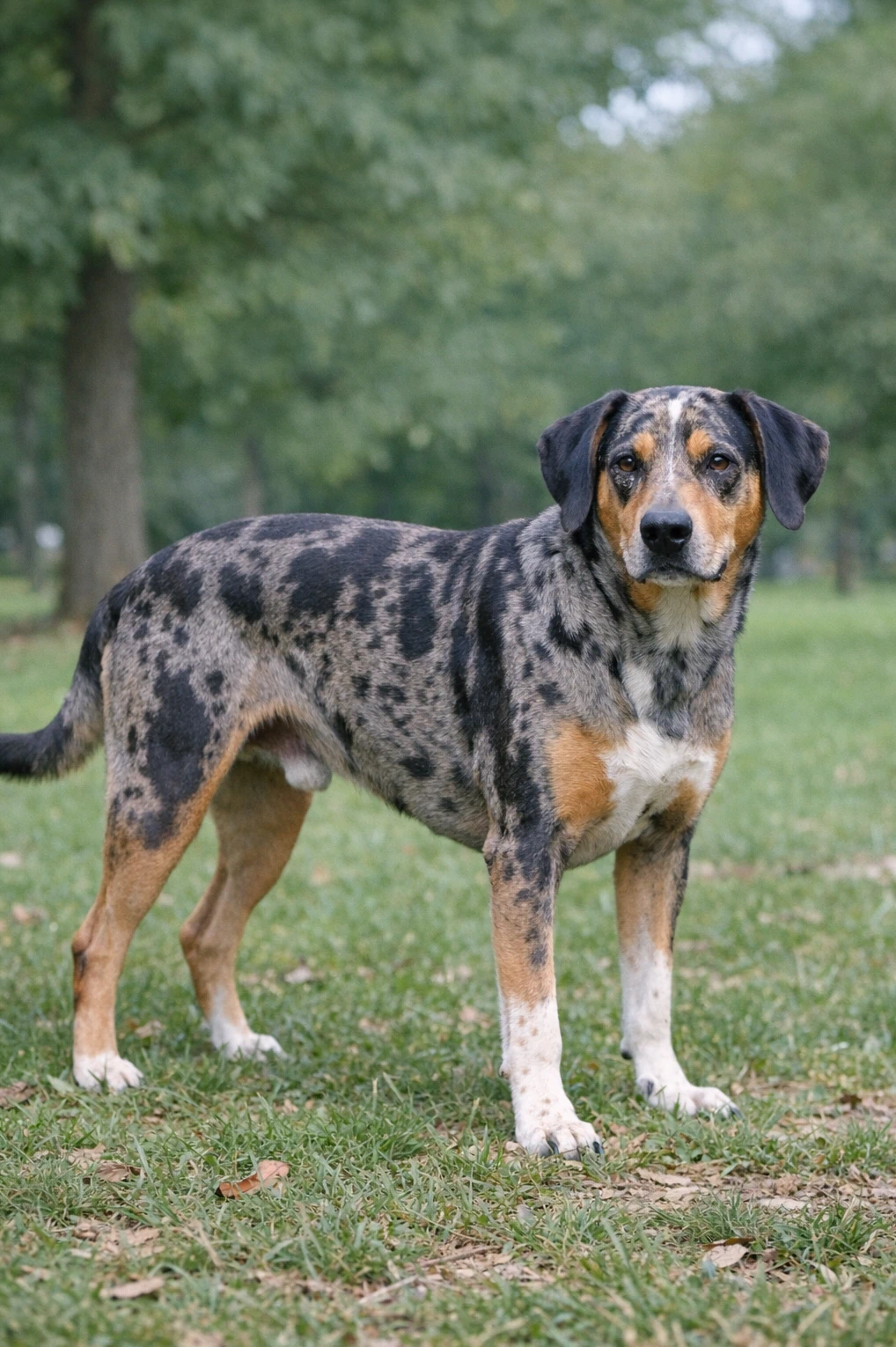
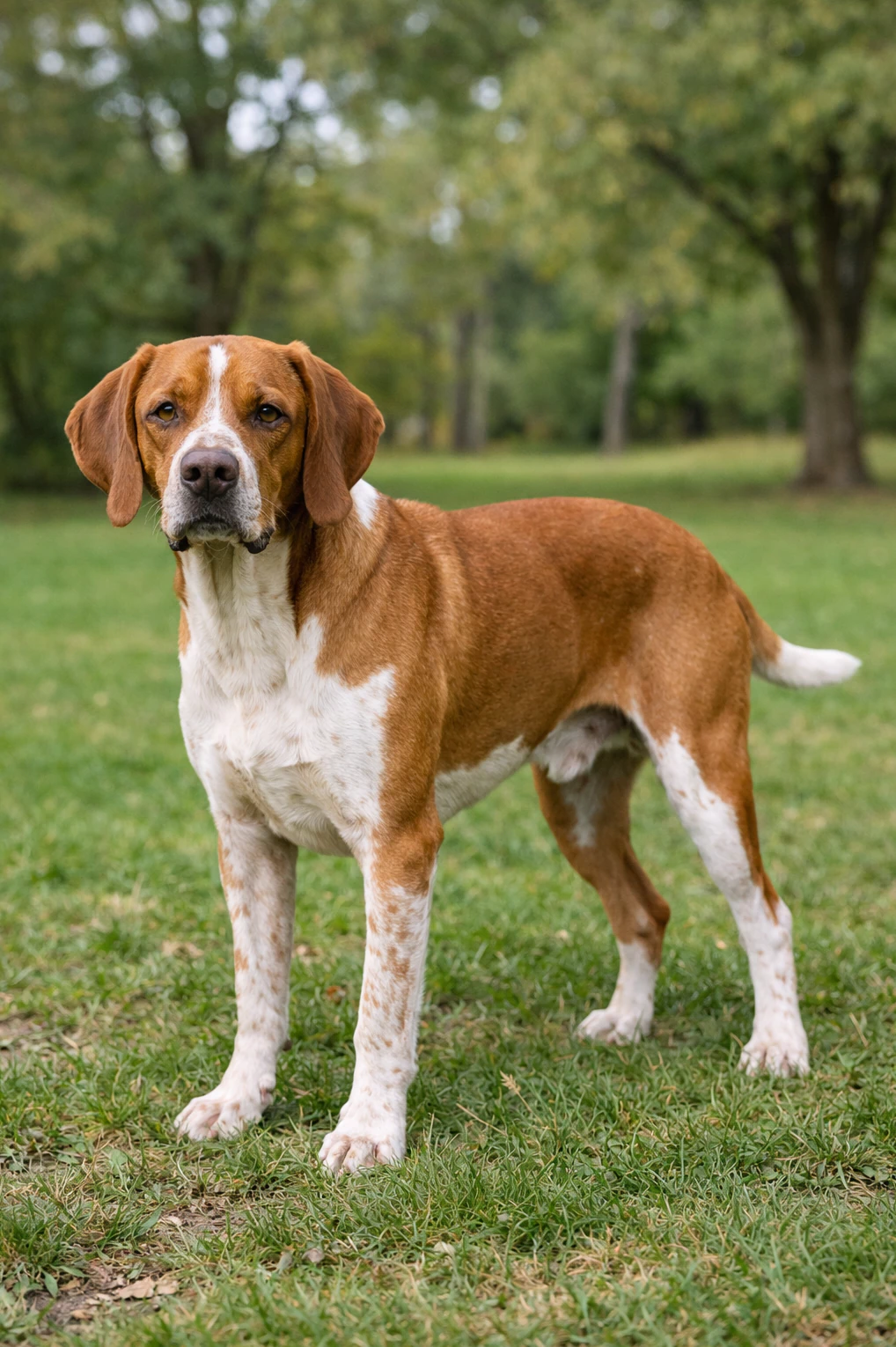
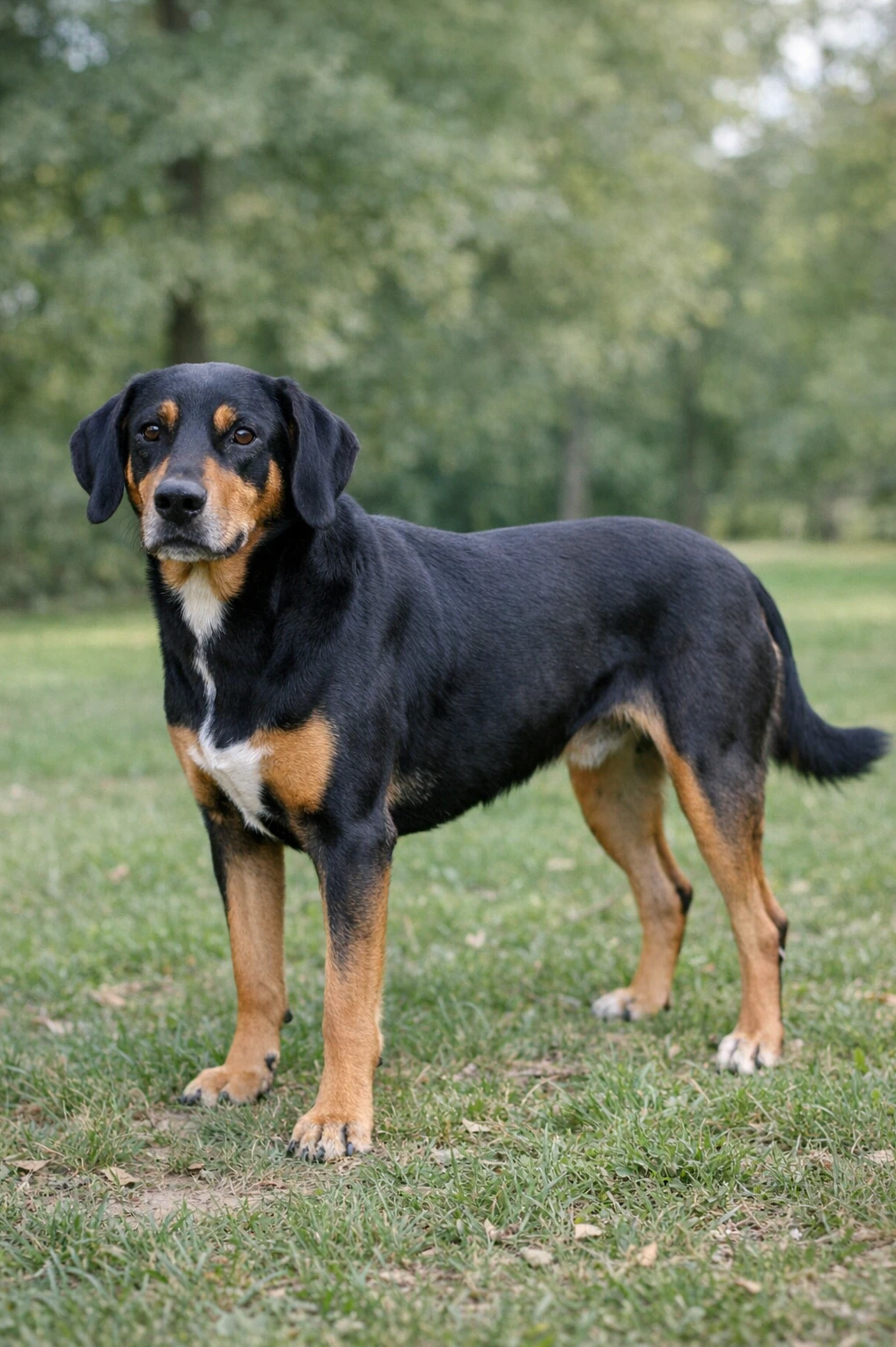
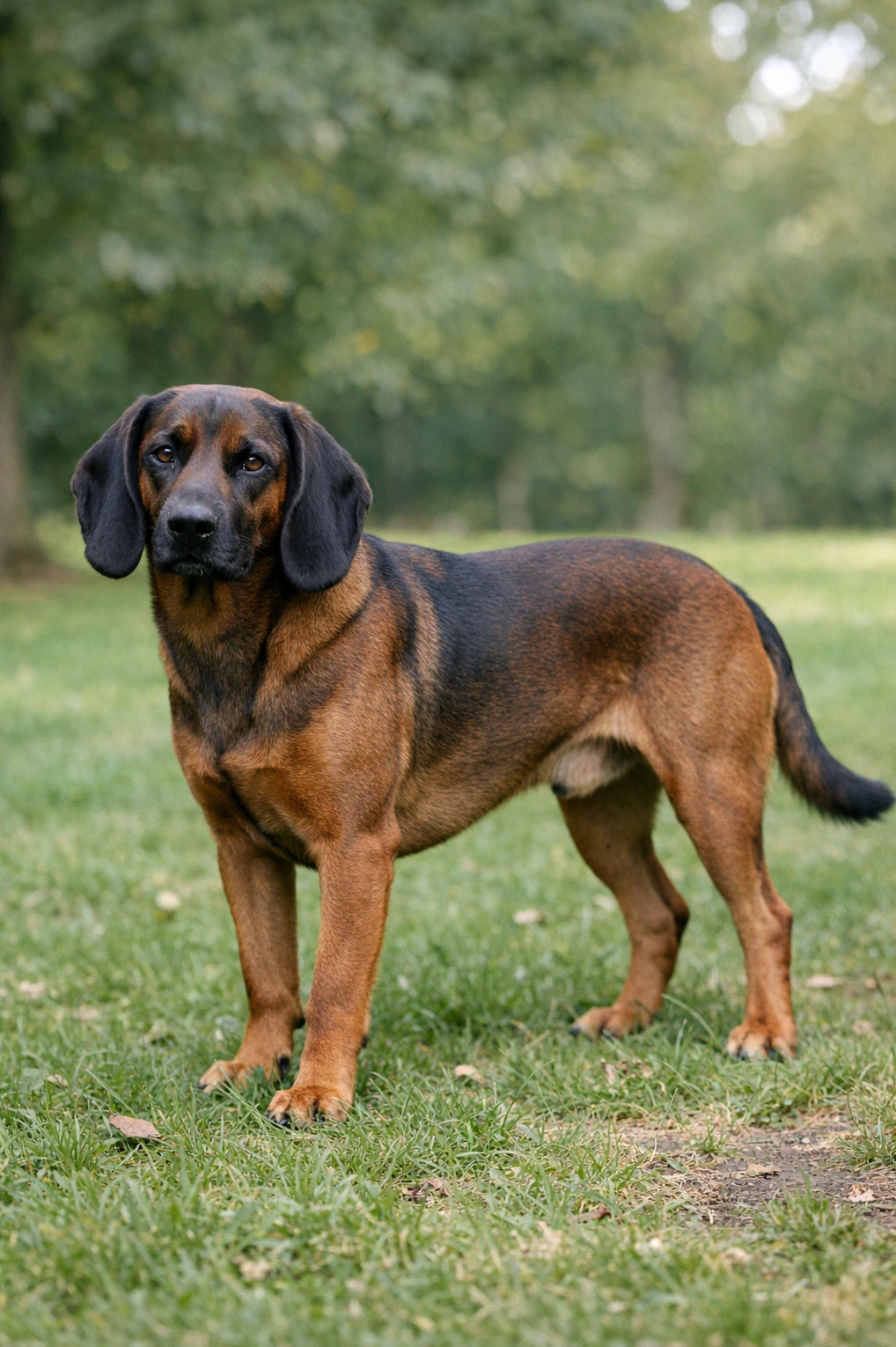
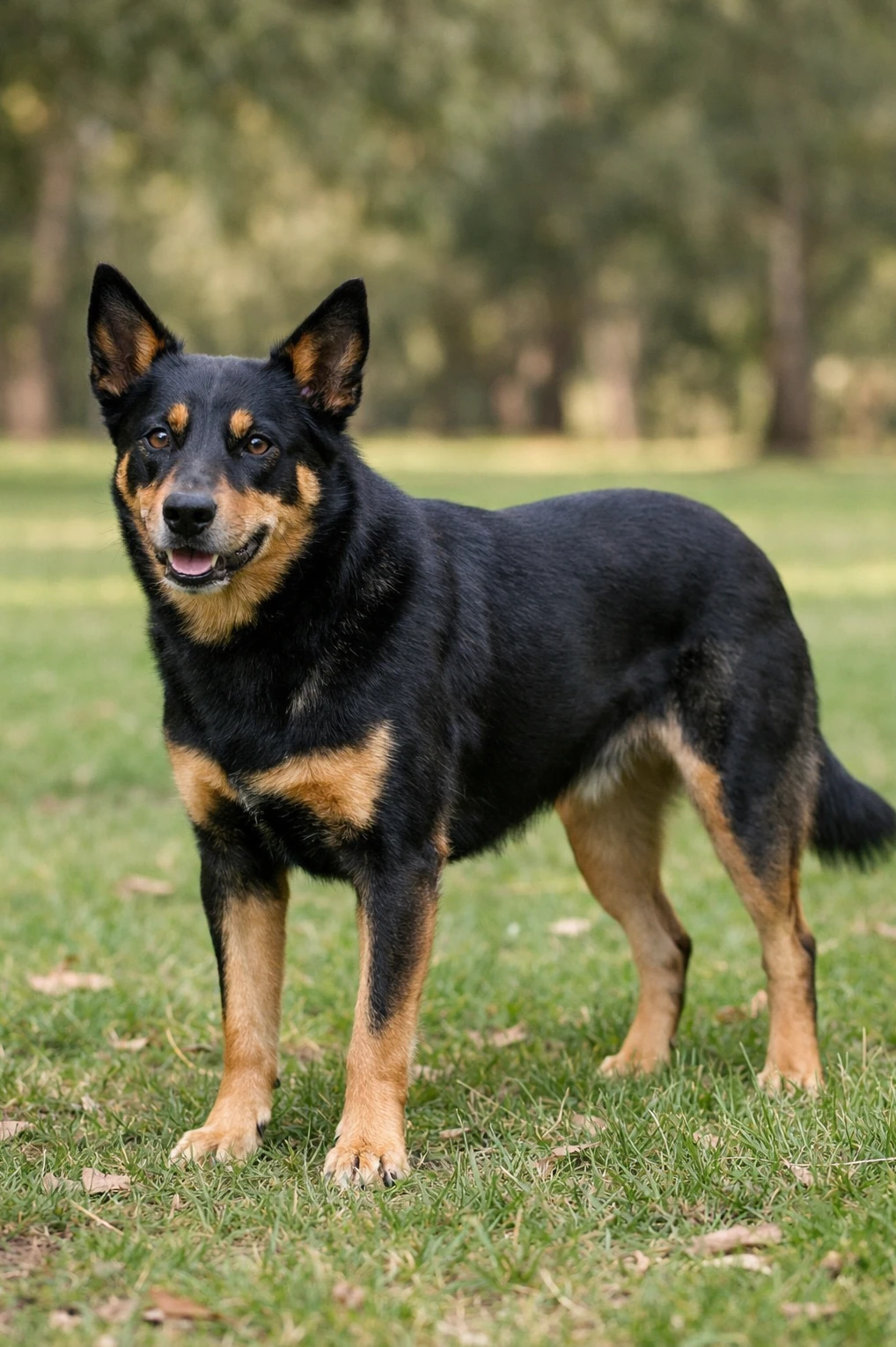
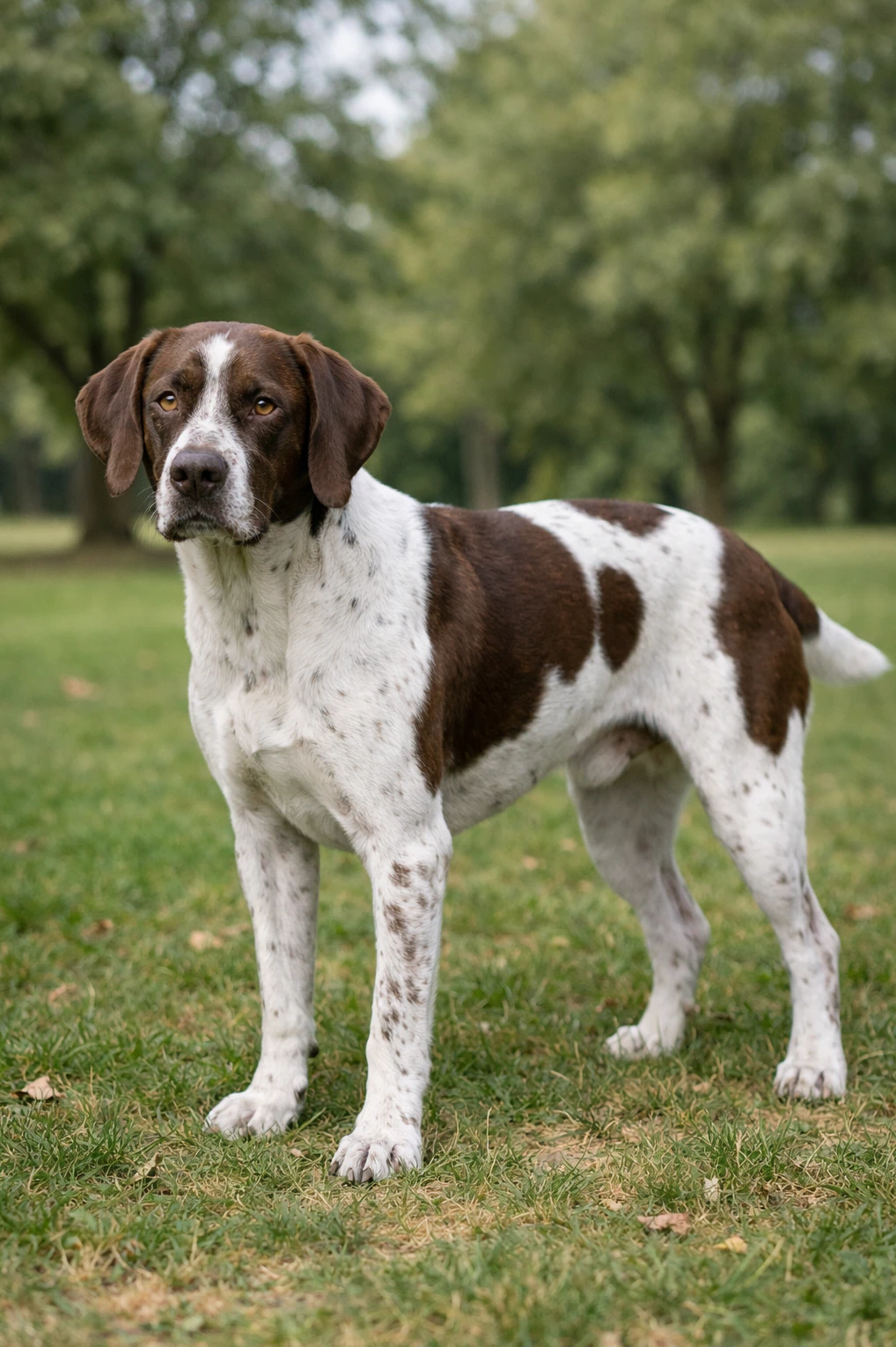
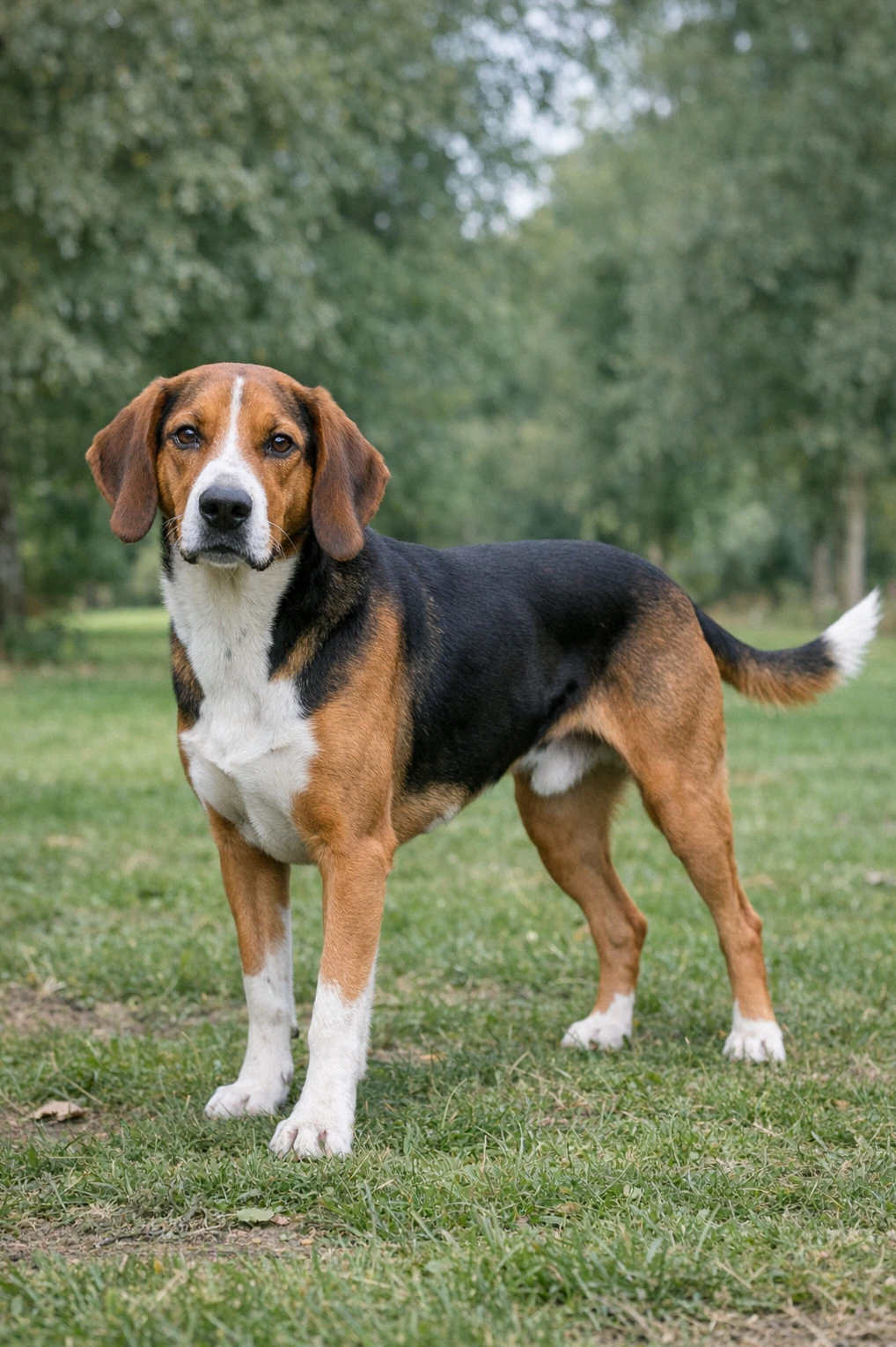
The Hamiltonstovare is a medium-sized hound, roughly 19-24 inches tall and 40-75 pounds, adaptable, nimble and dignified. Nutritional verdict: needs balanced, high-quality protein and regular portions to help maintain lean muscle.
Understanding the Hamiltonstovare Metabolism and Energy Needs
As a dog whose ancestors worked long days trailing game across open country in northern climates, this type needs food that supports steady endurance and quick, precise movement. Their posture and poised bearing reflect muscles that must be both strong and responsive, and their temperament benefits from steady mental energy.
That translates to a diet higher in quality protein, about 25 to 30 percent of calories, from sources like turkey, rabbit or fish to repair and sustain lean muscle. Moderate healthy fats, around 15 to 20 percent, supply long-burning fuel and keep the skin and coat glossy, while controlled carbohydrates from vegetables and whole grains provide digestible energy without excess weight.
Additives such as omega-3 oils support joint comfort and reduce inflammation, while joint-building nutrients like glucosamine help preserve mobility. Antioxidants and B-complex vitamins aid recovery and cognitive focus, helping this working type stay sharp and fit.
Managing Hamiltonstovare Genetic Health Risks Through Nutrition
Hip Dysplasia
Helpful nutrients
Epilepsy / Seizure Risk
Helpful nutrients
Over-exercising before growth plates close
Helpful nutrients
Heat sensitivity / Poor heat tolerance
Helpful nutrients
Grain sensitivity
Helpful nutrients
Hamiltonstovare Feeding & Calorie Calculator
Estimated Daily Calories
Tip: Start with this amount and adjust after 2–3 weeks based on your dog's body condition and weight trend.
This estimate provides a starting point for feeding. Individual calorie needs may vary depending on metabolism, body condition, and health status. Always monitor your dog's weight and consult your veterinarian when adjusting diet.
Foods and Ingredients to Avoid for Hamiltonstovare Dogs
Hamiltonstovare are active but can carry a fair amount of weight given their size, so high-fat foods and fatty table scraps are best avoided.
Excess dietary fat can lead to rapid weight gain, placing extra stress on hips and joints and increasing the risk of pancreatitis in any dog.
Choose lean protein sources and controlled portions to keep body condition healthy and reduce strain on developing or vulnerable joints.
This breed tends to do better on a grain-free diet, so avoid formulas heavy in common grains like corn, wheat, and soy that some Hamiltonstovare find harder to digest.
These ingredients can contribute to loose stools, unnecessary calories, and sometimes skin or coat issues in sensitive individuals.
Work with your veterinarian to pick high-quality grain-free options that provide balanced nutrition without relying on filler grains.
Because Hamiltonstovare reach a moderate to large adult size, feeding puppy diets that are too high in calcium or calories can encourage overly rapid growth.
Fast growth stresses growth plates and may increase the likelihood of hip dysplasia or other orthopedic problems during development.
Use a breed-appropriate puppy formula and follow your vet or breeder guidance on feeding amounts, then transition to an adult maintenance diet at the recommended age.
Many grain-free diets use peas, lentils, and other legumes as carbohydrate and protein sources, but formulas very high in these ingredients have been associated with heart concerns in some dogs.
While this link is not fully understood, it is sensible to avoid diets that list a single legume as the main ingredient.
Opt for formulas with a balanced ingredient mix and discuss any grain-free selection with your veterinarian to ensure heart-healthy nutrition.
Processed human snacks, deli meats, and salty or spicy foods are risky for Hamiltonstovare, especially since they are heat sensitive and can dehydrate more easily.
High salt levels can upset fluid balance and make warm-weather sensitivity worse, while spices can irritate the stomach.
Stick to plain, low-sodium treats made for dogs and keep fresh water available at all times, particularly during warmer days.
Never give cooked bones or large bone fragments, as they can splinter and cause choking, mouth injuries, or intestinal blockages.
Hamiltonstovare are strong chewers and a lodged fragment could require emergency surgery or lead to serious complications.
If you offer bones, choose specially designed chew items that match your dog’s size and supervise chewing to reduce the risk of problems.
While Hamiltonstovare generally do not suffer many food allergies, artificial preservatives, colors, and low-quality fillers can still trigger digestive upset or skin sensitivity in some dogs.
Ingredients like BHA, BHT, and unnecessary artificial additives add no nutritional value and can worsen coat and skin condition over time.
Pick foods with natural preservation and clear ingredient lists, and consult your veterinarian if you notice itching, recurrent ear issues, or tummy troubles.
How Nutritional Needs Change Throughout the Hamiltonstovare Life Stages
Dogs need different nutrients as they move from puppyhood to adulthood to their senior years, and those changes matter for health and happiness. Growth rate, activity level, and a breed's common health tendencies shape calories, protein, and supplement needs. Paying attention to these stages helps you feed your dog for proper development, steady energy, and graceful aging.
| Life Stage | Age Range | Primary Objective | Key Nutrient Focus |
|---|---|---|---|
| Puppy | 0–15 months | controlled skeletal development, immune support, brain development | DHA, balanced calcium/phosphorus, high-quality protein |
| Adult | 1.5–6 years | lean muscle maintenance and sustained energy | high-quality protein, omega-3 fatty acids, fiber |
| Senior | 6+ years | joint mobility, metabolic health, and cognitive support | glucosamine, chondroitin, antioxidants, lower calories |
Hamiltonstovare puppies grow steadily but more gradually than small breeds, because they often reach adult size between their late first and second year. Their long bones and growth plates need steady, balanced nutrition and careful exercise, so avoid vigorous jumping or long runs until the vet confirms growth plates are closed. Feed smaller, frequent meals (three to four times daily) to keep energy steady and reduce stress on developing joints.
Focus on controlled calories to prevent overly rapid growth, with high quality animal protein to support muscle, balanced calcium and phosphorus for healthy bones, and DHA for brain development. Omega 3 fatty acids help joint and coat health, which is useful for an active, agile breed. Because Hamiltonstovare can rarely develop hip issues, ask your vet about portion targets and any breed-specific supplements, and keep puppies cool in warm weather to protect appetite and comfort.
As adult Hamiltonstovare reach full size, nutrition shifts to maintaining lean muscle and steady energy. High quality protein in appropriate amounts helps preserve muscle mass, while moderate fat provides fuel for their versatile and agile nature. Feed twice daily to stabilize energy and prevent overeating, adjusting total calories to match whether your dog is a busy field companion or a calmer household member. Watch body condition rather than feeding by habit.
Include joint-friendly nutrients such as omega 3 fats, maintain balanced minerals and vitamins, and choose digestible carbohydrates for steady energy. Because this breed is sensitive to heat, schedule meals and activity during cooler parts of the day, and keep fresh water available. Regular weight checks and annual vet guidance will help fine tune portions as activity or life circumstances change.
As Hamiltonstovare enter their senior years, metabolism often slows and activity levels drop, so calorie needs may decrease. Digestive efficiency can change, and some seniors lose muscle if protein is reduced, so continue offering high quality, easily digestible protein to preserve lean mass. Reduce calories gently if your dog gains weight, or increase palatability and nutrient density if they start losing weight, and consult your vet for individualized targets.
Joint support becomes more important, with omega 3 fatty acids, glucosamine and chondroitin helping mobility and comfort. Antioxidants like vitamin E and omega 3s support immune health and healthy aging. Keep an eye on hips because of the breed's occasional hip concerns, and remember seniors can be more sensitive to heat and may need cooler, shorter outings. Regular vet checks will help adjust diet, supplements, and monitoring for conditions such as epilepsy.
Kibble vs Fresh vs Raw for Hamiltonstovare
Different feeding models suit different routines, activity levels, and owner preferences. For a versatile, agile Hamiltonstovare, choose food that supports energy, joint health, and heat sensitivity.
Pros
- Convenient and easy to portion for busy owners of active Hamiltonstovare.
- Consistent, complete nutrition supports their agile, working lifestyle.
- Dry kibble helps reduce tartar buildup with regular chewing.
- Stable shelf life is handy for outings and training days.
Cons
- Lower moisture content may not suit heat-sensitive Hamiltonstovare.
- Calories add up, risking weight gain in less active dogs.
- Some brands include fillers or artificial additives.
- Less flexibility to adjust ingredients for individual sensitivities.
Pros
- High moisture content supports hydration in heat-sensitive dogs.
- Often very palatable for picky or working Hamiltonstovare.
- Allows control over protein sources to avoid specific ingredient sensitivities.
- Easier to tailor calories, helpful to protect growing pups' joints.
Cons
- More time consuming and typically more expensive than kibble.
- Requires careful planning to ensure balanced vitamins and minerals.
- Must refrigerate and manage meals on warm days to avoid spoilage.
- Improper calcium balance can affect growth in young dogs.
Pros
- High protein and fat profile can suit active, agile dogs.
- Many owners report improved coat condition and energy levels.
- Unprocessed ingredients may retain certain heat-sensitive nutrients.
- Can be tailored to mimic ancestral feeding preferences.
Cons
- Higher risk of bacterial contamination without strict hygiene.
- Bone fragments can pose choking or tooth fracture risks.
- Requires careful balancing to prevent nutrient deficiencies.
- Needs secure cold storage, especially important for heat-sensitive Hamiltonstovare.
| Diet Type | Pros for Hamiltonstovare | Potential Downsides |
|---|---|---|
| High-Quality Kibble |
|
|
| Fresh Cooked Food |
|
|
| Raw Diet (BARF) |
|
|
Our Recommendation
For most Hamiltonstovare, a high-quality kibble makes a practical, balanced base, especially for busy households.
Fresh cooked meals suit owners who want more control, while raw diets can work with strict hygiene and veterinary guidance; always monitor weight, hydration, and growth.
See Also
Breeds with similar group, size, and coat characteristics