Best Dog Food for Greyhound in 2026Based on Nutritional Science
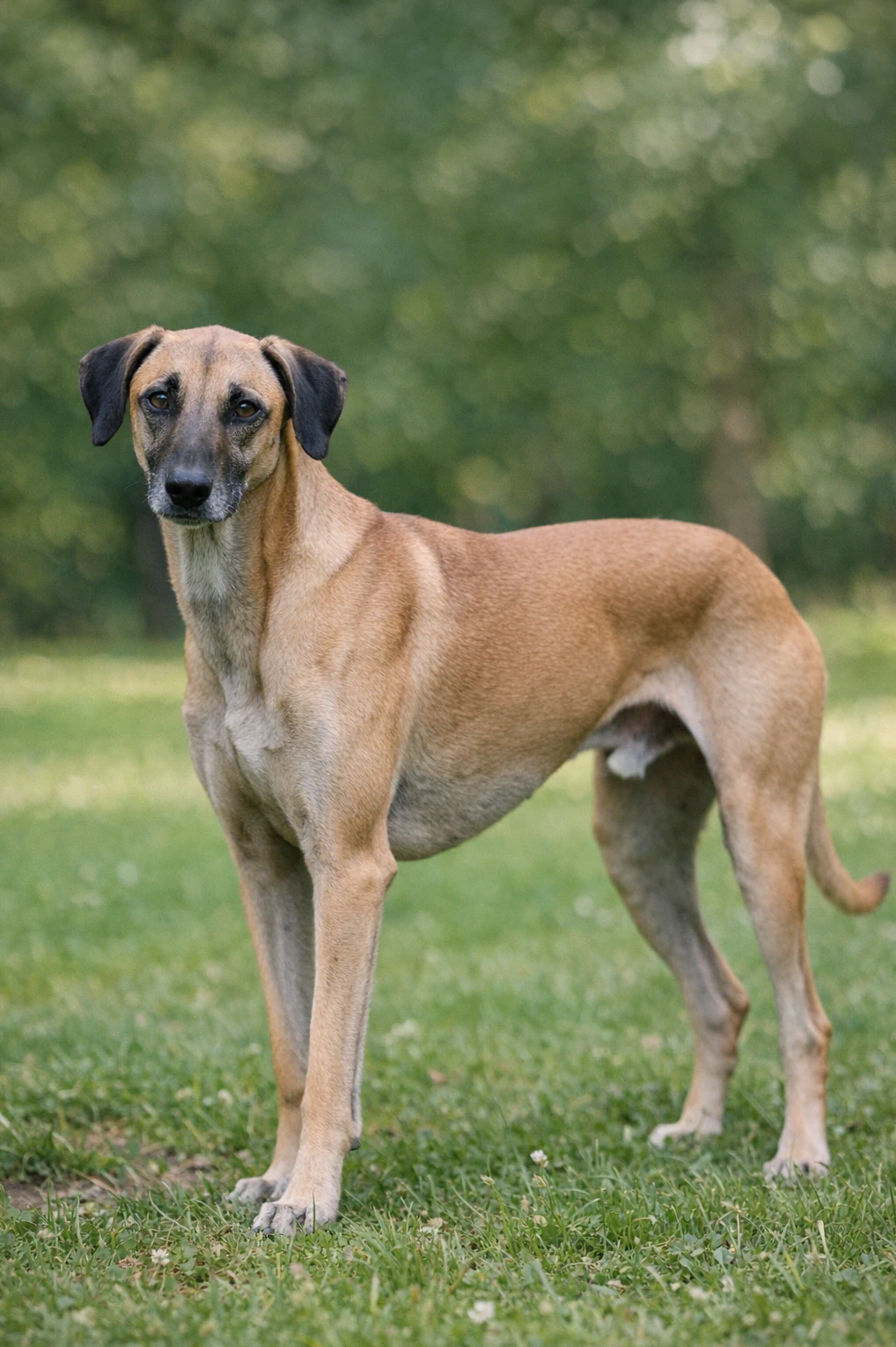
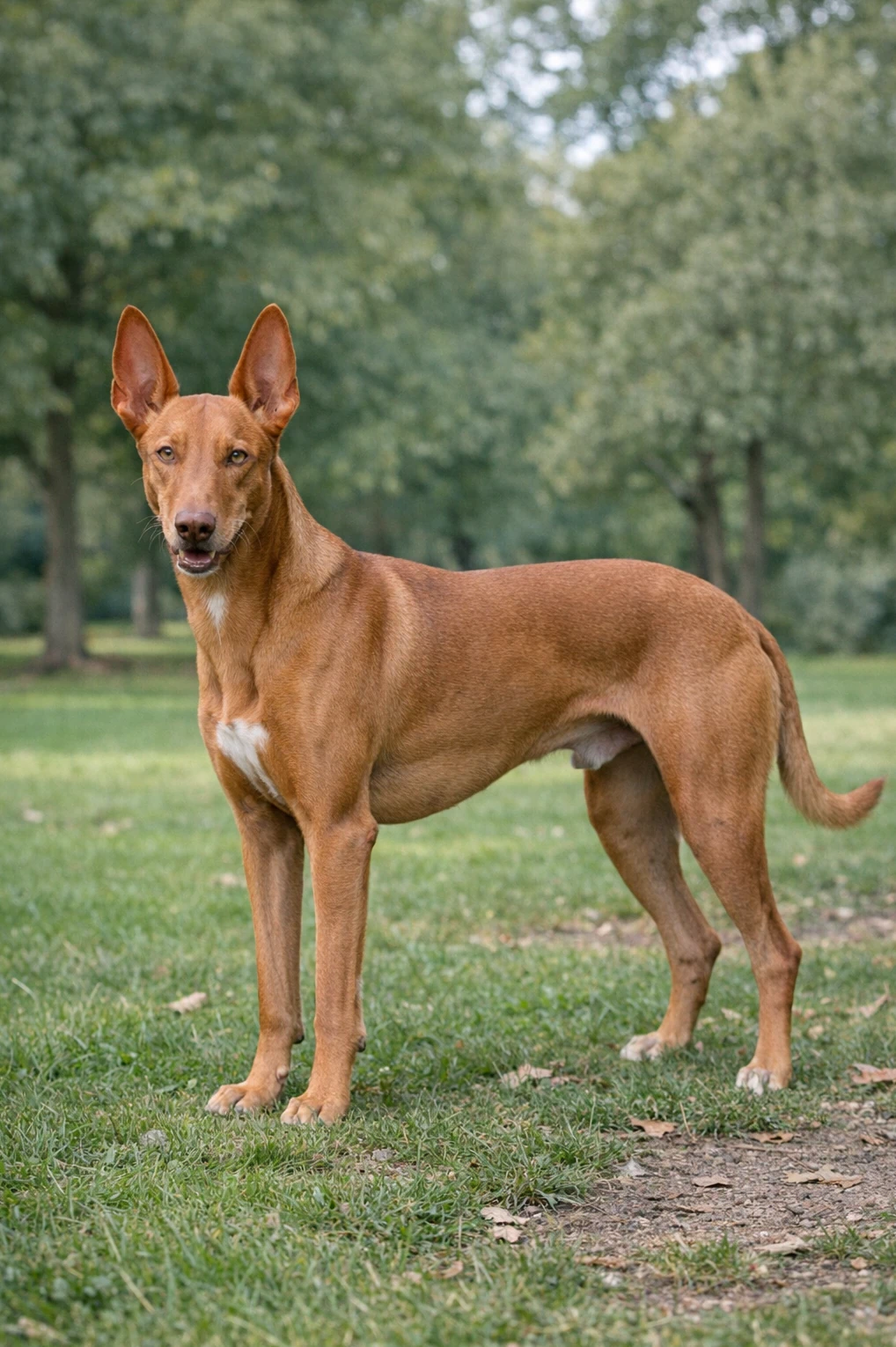
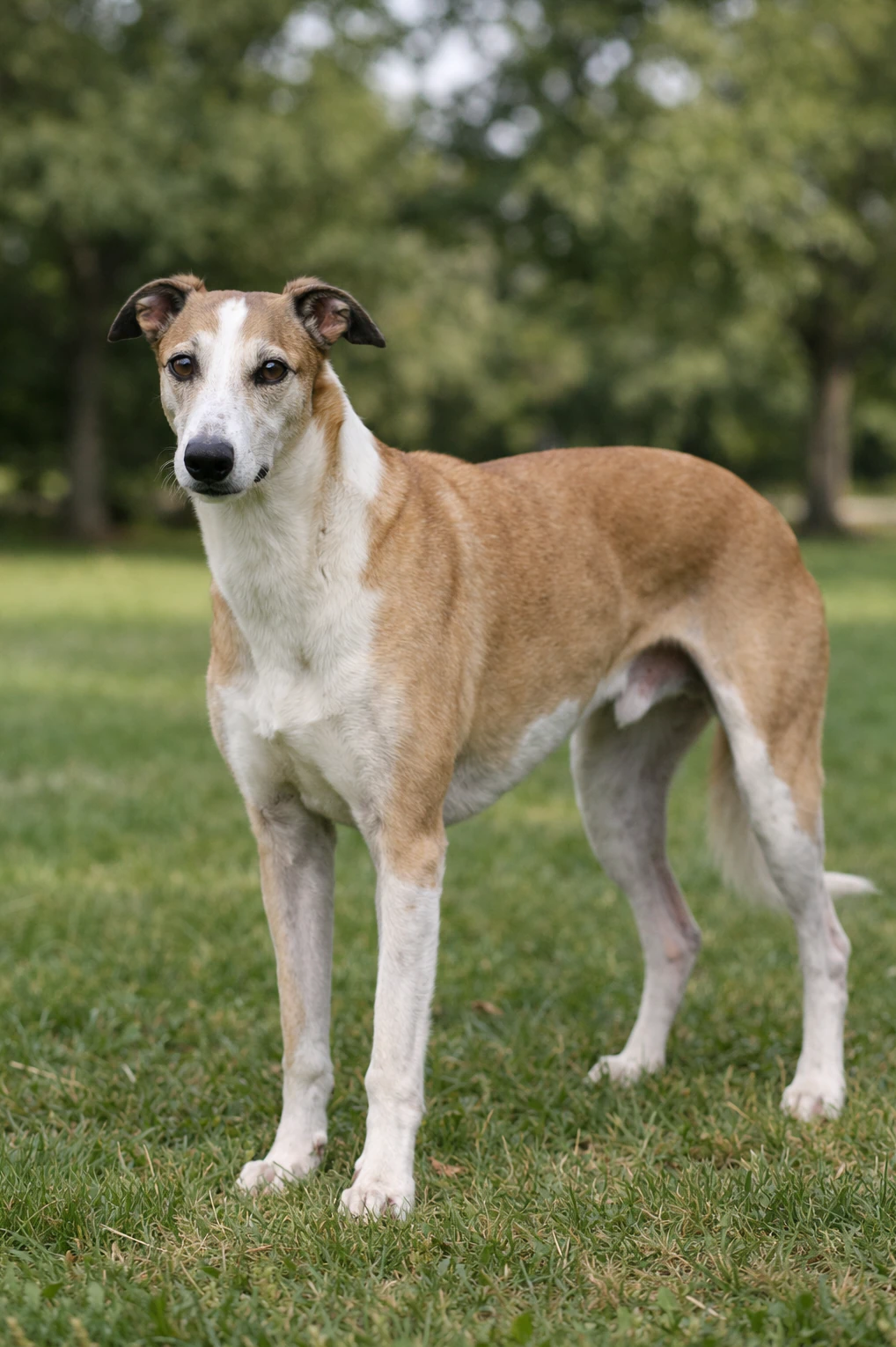
Large and lean at about 28-30 inches tall and 65-70 pounds, Greyhounds are reserved, mellow, and regal. Nutritional Verdict: a balanced, protein-rich diet with measured portions keeps them fit and healthy.
Understanding the Greyhound Metabolism and Energy Needs
As a sighthound bred for short, fast chases, this dog carries lean muscle, low fat reserves and a composed, dignified manner. Energy needs focus on brief bursts and efficient recovery rather than steady endurance.
That profile benefits from high quality, easily digested animal protein for muscle maintenance and repair, think fish, chicken and eggs, plus essential amino acids. Moderate fats provide dense fuel and support skin and coat, with omega-3s aiding joints, while modest complex carbohydrates refill glycogen without upsetting digestion.
Sensitive digestion calls for gentle formulas and probiotics, and joint supports like glucosamine can help long term. Overall slightly higher calories per lean weight, focused on protein and balanced fat with targeted supplements, suit this athletic yet calm companion.
Managing Greyhound Genetic Health Risks Through Nutrition
Bloat (Gastric Torsion)
Helpful nutrients
Greyhound Neuropathy
Helpful nutrients
Cardiac Conditions
Helpful nutrients
Eye Conditions
Helpful nutrients
Higher Calorie and Protein Needs / Weight Maintenance
Helpful nutrients
Greyhound Feeding & Calorie Calculator
Estimated Daily Calories
Tip: Start with this amount and adjust after 2–3 weeks based on your dog's body condition and weight trend.
This estimate provides a starting point for feeding. Individual calorie needs may vary depending on metabolism, body condition, and health status. Always monitor your dog's weight and consult your veterinarian when adjusting diet.
Foods and Ingredients to Avoid for Greyhound Dogs
Greyhounds are deep chested and have a higher risk of bloat and gastric torsion, so feeding one very large meal increases that risk.
It is safer to divide their daily allowance into two or three smaller meals and keep them calm before and after eating, avoiding vigorous exercise for an hour.
Smaller meals help manage stomach volume and reduce the chance of gulping air, which can be a trigger for life threatening stomach twisting.
Despite needing more calories and protein than some breeds, Greyhounds do best on lean, quality sources and can be sensitive to rich, fatty foods that lead to pancreatitis and rapid weight gain.
Greasy table scraps, fatty meats, and high fat treats can upset their digestion and add unwanted pounds that stress joints and the heart.
Stick with moderate fat levels from good protein sources and reserve fatty treats for occasional use under your vet's guidance.
Foods that ferment or cause a lot of gas, such as large amounts of legumes, beans, or sudden high fiber swaps, can make a Greyhound uncomfortable and may encourage gulping or distention.
Rapid eating increases swallowed air and can contribute to bloat in deep chested dogs, so avoid feeding practices that promote fast consumption and try foods with a predictable, gentle digestion profile.
If you must change carbohydrate or fiber sources, do so slowly and monitor stool quality.
Certain human foods are outright toxic and should never be offered, especially to a breed with cardiac sensitivity like the Greyhound, since some toxins can affect heart and nervous system function.
Onions and garlic can damage red blood cells, chocolate harms the heart and nervous system, grapes and raisins can cause kidney failure, and xylitol can trigger rapid hypoglycemia and liver damage.
Keep these items well out of reach and contact your vet immediately if exposure occurs.
Greyhounds need nutrient dense food to support their lean muscle, but treats can add up quickly and become empty calories that lead to unwanted weight gain and reduced athletic condition.
Too many low quality snacks can displace balanced meals and worsen tendencies toward obesity, which increases strain on the heart and joints.
Choose high protein, low calorie treats and count them toward the daily calorie total to keep body condition trim and healthy.
Hard raw bones, large weight bearing bones, and some indigestible chews can splinter, cause dental fractures, or lead to intestinal blockage, which is dangerous for a large, active dog.
Greyhounds have a delicate physique and a blockage or perforation can quickly become serious, so avoid risky chews and supervise any new treat.
Opt for safe, appropriately sized chews and replace worn items before they break into sharp pieces.
How Nutritional Needs Change Throughout the Greyhound Life Stages
Dogs need different nutrition during puppyhood, adulthood, and their senior years, and Greyhounds are no exception. Their long, lean build, relatively fast growth and sprinting bursts mean nutrient needs shift as they age. Breed size, growth rate, activity level and common health tendencies, such as a higher bloat risk and occasional cardiac or eye concerns, all influence what and how you feed them.
| Life Stage | Age Range | Primary Objective | Key Nutrient Focus |
|---|---|---|---|
| Puppy | 0–15 months | controlled skeletal development, immune support, brain development | DHA, balanced calcium/phosphorus, high-quality protein |
| Adult | 1.5–6 years | lean muscle maintenance and sustained energy | high-quality protein, omega-3 fatty acids, fiber |
| Senior | 6+ years | joint mobility, metabolic health, and cognitive support | glucosamine, chondroitin, antioxidants, lower calories |
Greyhound puppies grow quickly into a long, lean frame, so feeding supports steady skeletal development without encouraging overly rapid weight gain. Controlled calorie intake and a balanced calcium to phosphorus ratio help bones and joints mature properly, while high quality protein supports developing lean muscle.
Feed smaller, more frequent meals to reduce the risk of bloat, and avoid vigorous play or exercise for at least an hour after eating. Greyhound pups often eat fast, so slow-feeder bowls can be helpful and portion control prevents excess growth strain.
Focus on easily digestible, nutrient-dense food with adequate protein, DHA for brain and eye development, and omega-3s for skin and joint health. Talk with your vet about breed tendencies, including bloat and cardiac concerns, before adding supplements.
As adults, Greyhounds need a diet that preserves their lean muscle and supports short, powerful bursts of activity while avoiding excess body fat. Moderate to high quality protein helps maintain muscle mass, while controlled fat provides concentrated energy without heavy weight gain. Keep carbohydrate sources digestible and limited to what matches their activity level.
Feed two measured meals a day rather than one large meal to lower bloat risk and help steady energy between walks and sprinting sessions. Adjust calories to match their true activity, since many Greyhounds are calm at home despite being athletes outdoors.
Also look for foods with omega-3 fatty acids for joint and coat health, and antioxidants to support overall vitality. Regular weight checks and heart and eye monitoring help spot breed-specific health changes early.
As Greyhounds enter their senior years, metabolism often slows and lean muscle declines, while joints may stiffen and mobility can decrease. Dental wear or tooth loss can make hard kibble difficult, so softer or moistened food may help. Digestive sensitivity may increase, so easier to digest protein and added fiber can support gut health and regularity.
Reduce calories if activity drops, but keep protein levels high enough to preserve muscle and functional strength. Consider supplements and diets that include glucosamine, chondroitin and omega-3 fatty acids to support joints and reduce inflammation.
Antioxidants like vitamin E and omega-rich ingredients help protect cells and may support eye and cardiac health, both relevant to the breed. Continue feeding smaller, regular meals to lower bloat risk and work with your vet to adjust diet as mobility or medical conditions change.
Kibble vs Fresh vs Raw for Greyhound
Different feeding models suit different lifestyles, activity levels, and health considerations. For Greyhounds, factors like bloat risk, lean body composition, and sensitivity shape the best choice.
Pros
- Convenient and easy to portion for busy owners.
- Consistent, balanced nutrition in every serving supports lean muscle.
- Dry crunch can help reduce tartar on their teeth.
- Many formulas include higher protein and fat for lean breeds.
Cons
- Lower moisture content may not suit dogs that drink little.
- Fast eating can increase bloat risk in deep chested Greyhounds.
- Some brands use fillers or artificial additives that offer little nutrition.
- Switching brands may cause digestive upset in sensitive dogs.
Pros
- Very palatable, often loved by picky Greyhounds.
- High moisture supports digestion and helps hydration.
- You control ingredients to avoid allergens or fillers.
- Can be tailored to maintain lean muscle and ideal weight.
Cons
- Requires time and planning to ensure complete nutrition every day.
- Generally more expensive than kibble over time.
- Improper recipes can lack essential vitamins and minerals.
- Large meals may raise bloat risk if fed too quickly.
Pros
- High protein and fat can suit a muscular, active Greyhound.
- Some owners report shinier coats and more energy.
- Minimal processing preserves natural textures and flavors.
- Can be tailored to specific ingredient sensitivities.
Cons
- Strict hygiene is essential to avoid bacterial contamination.
- Whole bones can pose choking or intestinal risks if not managed.
- Harder to ensure balanced vitamins and minerals without guidance.
- May increase bloat risk if meals are large or fed quickly.
| Diet Type | Pros for Greyhound | Potential Downsides |
|---|---|---|
| High-Quality Kibble |
|
|
| Fresh Cooked Food |
|
|
| Raw Diet (BARF) |
|
|
Our Recommendation
For many Greyhound owners, a high-quality kibble formulated for lean, active dogs offers a practical baseline.
Fresh cooked or carefully managed raw diets can work well for picky or performance dogs, but both need planning and veterinary guidance.
See Also
Breeds with similar group, size, and coat characteristics