Best Dog Food for Foundation Stock Service in 2026Based on Nutritional Science
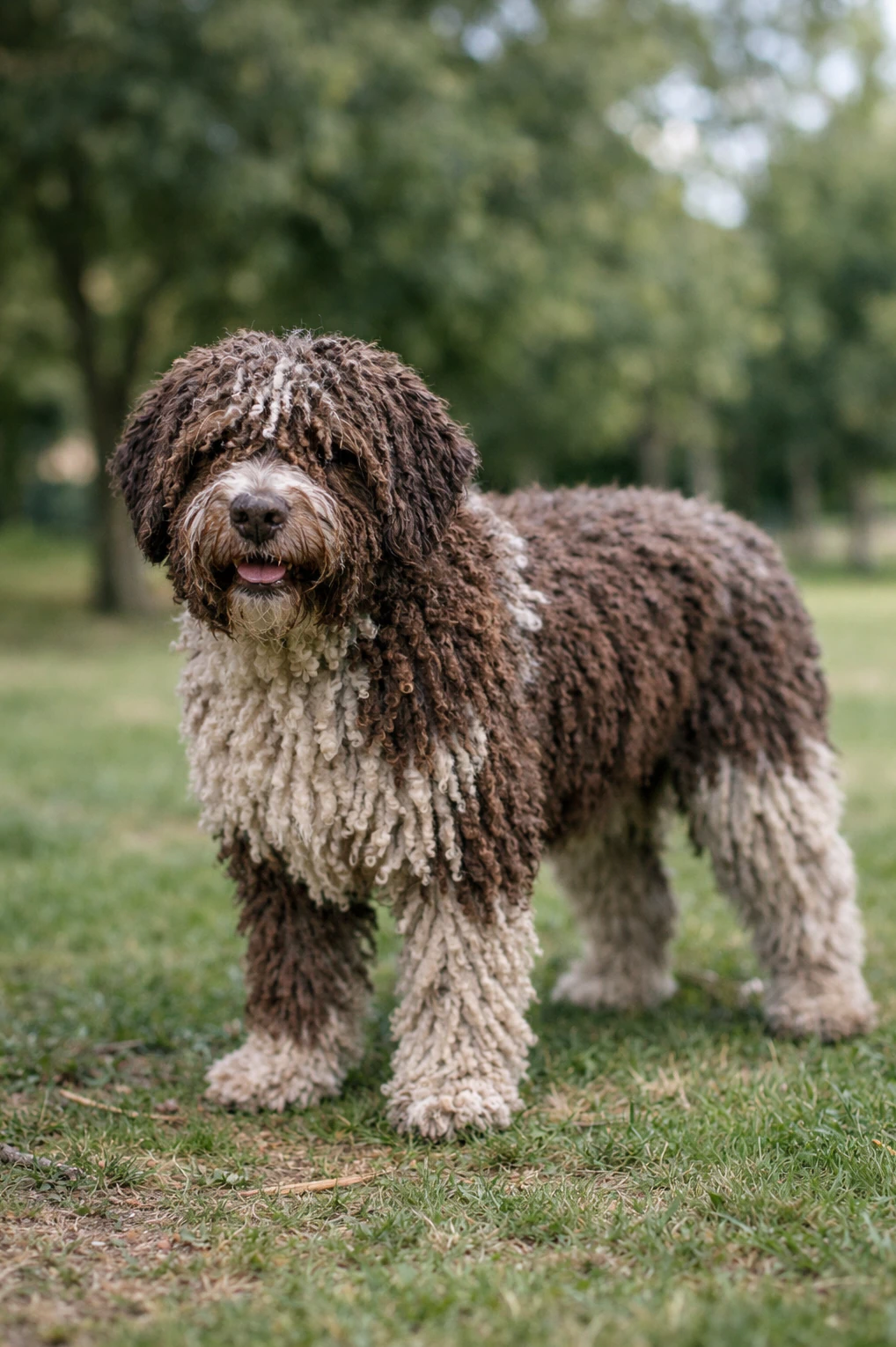
Size varies from small to large, with flexible character and steady temperament suited to many homes.
Nutritional verdict: feed a balanced, life-stage appropriate diet and tailor portions to activity, checking with your vet.
Understanding the Foundation Stock Service Metabolism and Energy Needs
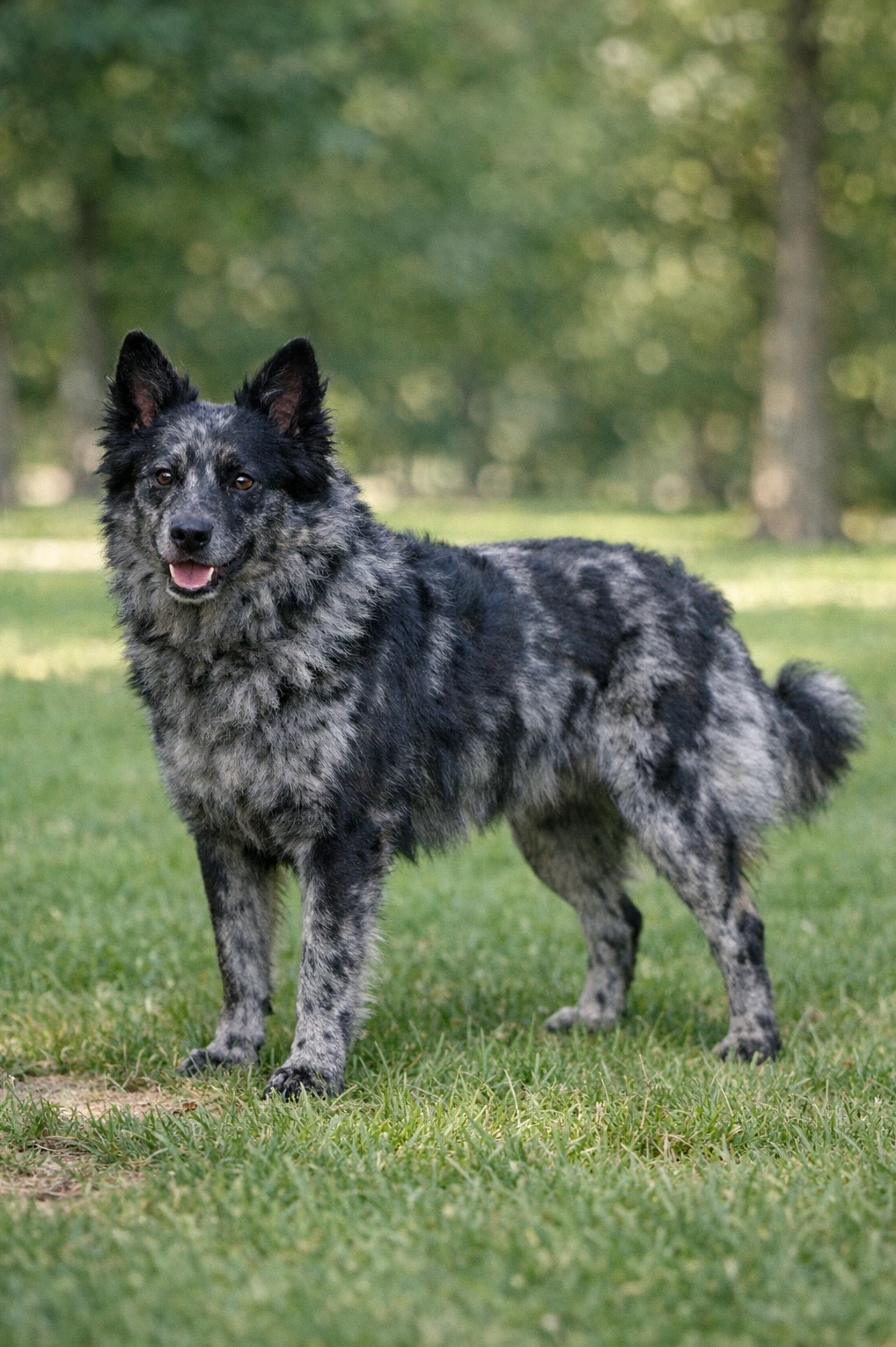
When a dog's ancestry is unclear, look to its build and daily energy to shape nutrition. A flexible, balanced plan covers a wide range of possible needs and keeps things simple to manage.
Make quality protein the foundation to preserve muscle and support brain chemistry, aiming for about 25 to 30 percent of calories if the dog is active or lean. Include moderate healthy fats, roughly 12 to 18 percent, for concentrated energy and for skin and coat health. Use controlled complex carbohydrates for steady fuel, plus fiber to aid digestion and weight control.
Consider omega-3 supplements for cognitive and joint support, and glucosamine if mobility is a concern. Probiotics can help digestion and immune balance. Adjust portions and macros to body condition and lifestyle, and check with your veterinarian for tailored advice.
Managing Foundation Stock Service Genetic Health Risks Through Nutrition
Foundation Stock Service Feeding & Calorie Calculator
Estimated Daily Calories
Tip: Start with this amount and adjust after 2–3 weeks based on your dog's body condition and weight trend.
This estimate provides a starting point for feeding. Individual calorie needs may vary depending on metabolism, body condition, and health status. Always monitor your dog's weight and consult your veterinarian when adjusting diet.
Foods and Ingredients to Avoid for Foundation Stock Service Dogs
Given that size and health details are not available for this Foundation Stock Service dog, it is safest to avoid high-fat foods and fatty table scraps.
Excess fat can trigger pancreatitis and promote rapid weight gain, which is especially risky when you do not know the dog's tendency toward joint problems or obesity.
Stick to measured portions of lean proteins and discuss appropriate fat levels with your veterinarian.
Onions, garlic, chives and other allium family members can damage red blood cells and cause anemia, even in small amounts over time.
Because the dog's size and health history are unknown, there is no safe way to estimate a tolerable amount, so avoid these ingredients in cooked meals, treats and commercial foods.
If you see weakness, reddish urine, or pale gums after possible exposure, contact your veterinarian promptly.
Grapes and raisins are linked to sudden kidney failure in some dogs, and susceptibility varies widely between individual animals and breeds.
With no weight or health background to guide dosing, it is safest to keep all grape-containing products out of reach.
Even tiny amounts can be dangerous for sensitive dogs, so do not offer raisin breads, trail mixes, or grape snacks.
Xylitol, a common sugar substitute in sugar-free gum, baked goods and some peanut butters, can cause a rapid dangerous drop in blood sugar and acute liver failure in dogs.
Because reactions occur quickly and the threshold varies by size and health, treat any exposure as an emergency and seek veterinary care.
Always check ingredient lists and refuse products marketed 'sugar-free' unless a vet has approved them for your particular dog.
Cooked bones and small brittle bones can splinter and cause choking, mouth and throat injuries, or perforations in the stomach and intestines.
Since this dog's size and oral strength are unknown, avoid giving any cooked bones and be cautious with raw bones, which carry their own risks of bacterial contamination and tooth damage.
If you choose to offer a chew, select veterinarian-recommended, size-appropriate options and supervise every session.
How Nutritional Needs Change Throughout the Foundation Stock Service Life Stages
Different life stages bring changing nutritional needs for dogs, so puppies, adults, and seniors require tailored feeding plans. For Foundation Stock Service dogs, these needs vary with the breed line's growth rate, activity level, and common health tendencies. Paying attention to calories, protein, and specific nutrients helps support healthy development, steady adult energy, and graceful aging.
| Life Stage | Age Range | Primary Objective | Key Nutrient Focus |
|---|---|---|---|
| Puppy | 0–12 months | controlled skeletal development, immune support, brain development | DHA, balanced calcium/phosphorus, high-quality protein |
| Adult | 1–7 years | lean muscle maintenance and sustained energy | high-quality protein, omega-3 fatty acids, fiber |
| Senior | 7+ years | joint mobility, metabolic health, and cognitive support | glucosamine, chondroitin, antioxidants, lower calories |
Foundation Stock Service puppies often grow faster than small breeds but slower than large giants, so managing steady growth is important to protect developing bones and joints. Controlled calories and the right calcium to phosphorus balance support skeletal development, while moderate, steady weight gain reduces risk of orthopedic issues common to some medium breeds.
Frequent, portioned meals help meet energy needs without overloading the digestive system, so feed young puppies three to four times daily, tapering to two meals by adulthood. Emphasize high quality protein for muscle growth, essential fatty acids for brain and coat health, and DHA for cognitive development, while monitoring for breed-specific sensitivities and activity-driven calorie needs.
Adult Foundation Stock Service dogs benefit from steady, balanced nutrition that maintains lean muscle and supplies daily energy. Aim for moderate to high quality protein to preserve muscle mass, with fat levels adjusted to support activity without promoting excess weight. Complex carbohydrates and fiber help steady energy and digestion, especially for moderately active medium breeds.
Portion control and regular feeding times support healthy weight, and active lines may need calorie increases or sport-focused formulas. Monitor body condition regularly and adjust calories, protein and fat if your dog is more sedentary or develops common health tendencies such as weight gain or digestive sensitivity. Regular exercise combined with the right diet keeps them fit and mentally engaged.
As Foundation Stock Service dogs enter their senior years metabolism often slows and lean muscle can decline, changing calorie needs and nutrient priorities. Digestion may become less efficient, so easier to digest proteins and moderate fiber can help. Weight management becomes more important to reduce joint stress, especially for medium breeds prone to orthopedic issues.
Support joints with glucosamine, chondroitin, omega-3 fatty acids, and consider higher-quality protein to preserve muscle. Antioxidants like vitamins E and C, plus mitochondrial support nutrients, can help support healthy aging and immune function. Work with your veterinarian to adjust calories and nutrient density, reducing calories if activity drops or increasing digestible nutrients if weight loss or poor coat condition appears.
Kibble vs Fresh vs Raw for Foundation Stock Service
Different feeding models suit different lifestyles and routines. For Foundation Stock Service dogs, activity levels and health needs can vary, so match food to your dog's life.
Pros
- Convenient and easy to portion for busy households.
- Consistent, complete nutrition in every serving.
- Shelf stable, useful for varied routines or travel.
- Can help control calories for less active Foundation Stock Service dogs.
Cons
- Lower moisture content may not suit all dogs.
- Some formulas include fillers or low-cost additives.
- Picky eaters might reject dry food.
- Quality varies, so choose trusted brands and formulas.
Pros
- Highly palatable, often loved by picky eaters.
- High moisture supports hydration and digestion.
- You control ingredients, helpful for sensitivities.
- Easily adjusted for activity level and weight.
Cons
- More time consuming than kibble.
- Can be pricier and needs refrigeration.
- Requires careful recipes to ensure balanced nutrition.
- Inconsistent preparation can cause nutrient gaps.
Pros
- Higher raw protein may suit active Foundation Stock Service dogs.
- Many owners report improved coat and energy.
- Minimally processed ingredients preserve natural nutrients.
- Can be tailored for dogs with food sensitivities.
Cons
- Requires strict hygiene to reduce bacterial risk.
- Unbalanced homemade plans can lack essential nutrients.
- Whole bones can pose choking or dental hazards.
- Veterinary guidance and prep time are important.
| Diet Type | Pros for Foundation Stock Service | Potential Downsides |
|---|---|---|
| High-Quality Kibble |
|
|
| Fresh Cooked Food |
|
|
| Raw Diet (BARF) |
|
|
Our Recommendation
For many Foundation Stock Service dogs, high-quality kibble provides a reliable, convenient baseline.
Fresh cooked food can shine for picky or sensitive dogs, while raw diets may suit very active dogs when overseen by a veterinarian.
See Also
Breeds with similar group, size, and coat characteristics