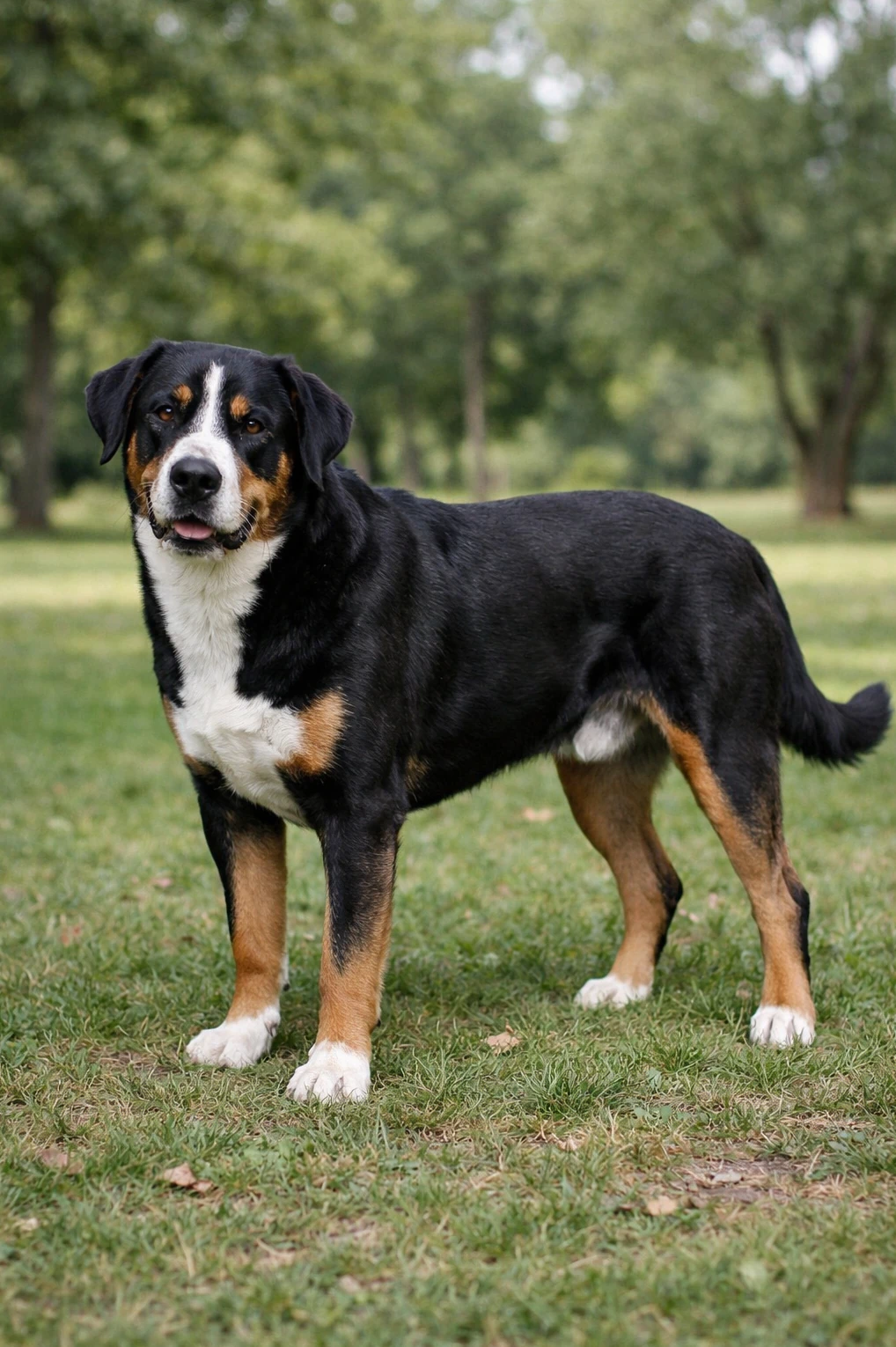
Best Dog Food for Doberman Pinscher in 2026Based on Nutritional Science
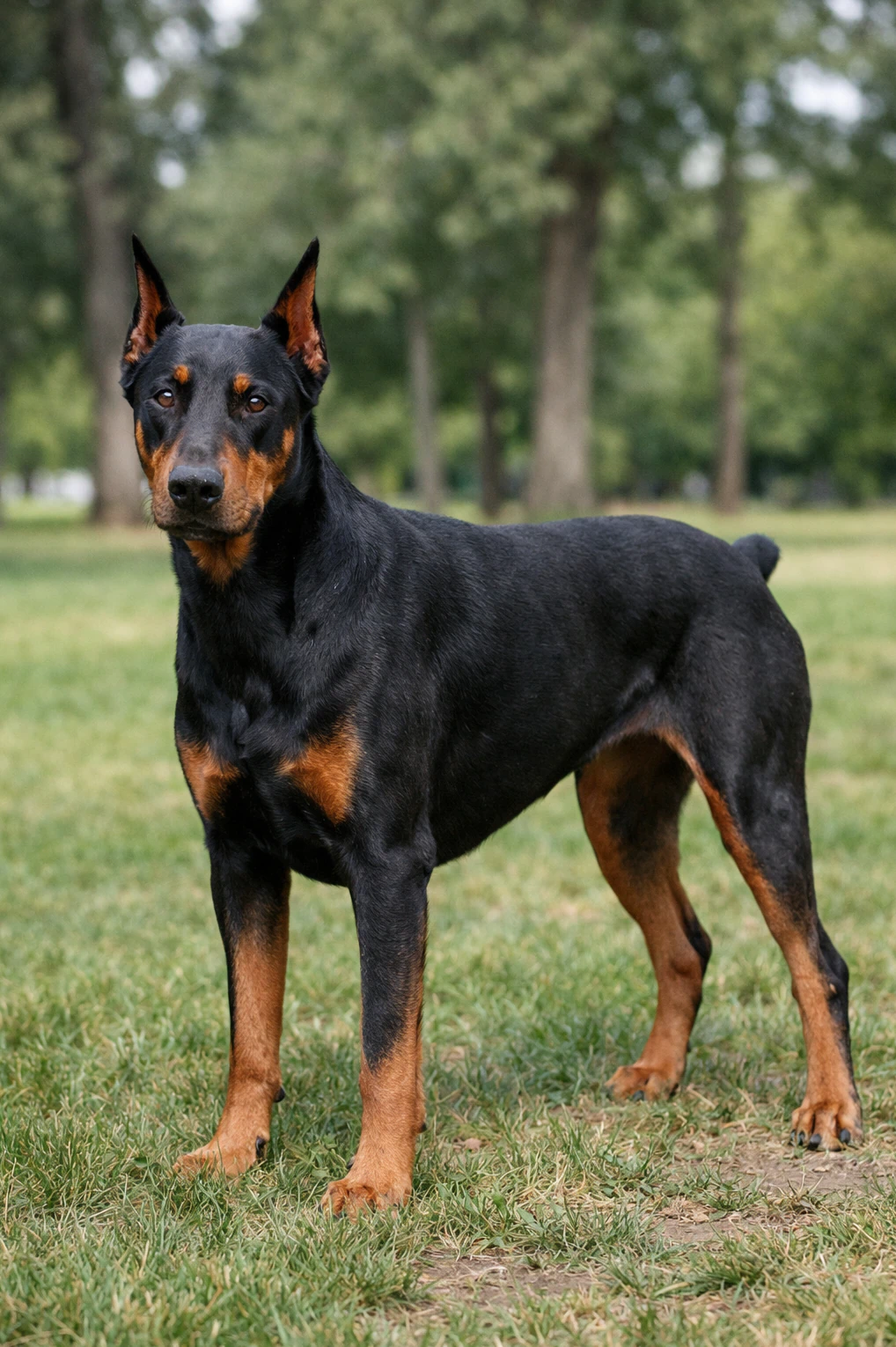
Large, muscular companion standing about 26 to 28 inches and 75 to 100 pounds, known for being vigilant, devoted, and brave. Nutritional Verdict: high-quality protein and balanced fats support energy and lean muscle.
Understanding the Doberman Pinscher Metabolism and Energy Needs
As a dog bred for guarding and heavy work, this type needs a diet that fuels power, stamina, and sharp thinking. Their bodies are built for quick bursts and sustained activity, so nutrition should support muscle mass, joint resilience, and steady alertness.
Prioritize higher-quality animal protein to preserve and rebuild lean muscle tissue, and include healthy fats to deliver slow-burning energy and support heart and brain function. Omega-3 fatty acids help coat condition and cognitive sharpness, while controlled complex carbohydrates provide steady fuel without sudden spikes, useful for dogs that stay focused for long periods.
Target joint-support nutrients, including glucosamine and chondroitin, plus taurine and L-carnitine for cardiac health, since sustained activity and a muscular frame place ongoing stress on joints and the heart. Choose formulas with robust protein, moderate fat, and modest carbs to match a vigilant, devoted, bold companion.
Managing Doberman Pinscher Genetic Health Risks Through Nutrition
Bloat (Gastric Dilatation-Volvulus)
Helpful nutrients
Hip Dysplasia
Helpful nutrients
Dilated Cardiomyopathy (enlarged heart)
Helpful nutrients
von Willebrand's Disease (clotting disorder)
Helpful nutrients
Progressive Retinal Atrophy (PRA)
Helpful nutrients
Albinism (skin and light-sensitivity issues)
Helpful nutrients
Hypothyroidism
Helpful nutrients
Obesity
Helpful nutrients
Doberman Pinscher Feeding & Calorie Calculator
Estimated Daily Calories
Tip: Start with this amount and adjust after 2–3 weeks based on your dog's body condition and weight trend.
This estimate provides a starting point for feeding. Individual calorie needs may vary depending on metabolism, body condition, and health status. Always monitor your dog's weight and consult your veterinarian when adjusting diet.
Foods and Ingredients to Avoid for Doberman Pinscher Dogs
Dobermans are large, active dogs but they can gain weight quickly and are at higher risk for pancreatitis, so avoid fatty table scraps, fried foods, and rich deli meats.
Excess fat leads to obesity which increases stress on hips and the heart, and can trigger painful digestive problems.
Choose lean proteins and measured portions instead, and check with your veterinarian before offering any high-calorie or fatty treats, especially if your dog has a history of digestive issues or pancreatitis.
Recent research has linked some grain-free diets high in peas, lentils, and other legumes to an increased risk of dilated cardiomyopathy in certain dogs, a concern for Dobermans who are already predisposed to heart conditions.
Avoid long-term feeding of diets dominated by these ingredients unless your vet approves and monitors heart health.
If you prefer grain-free options for other reasons, work with your veterinarian to choose a balanced formula and schedule regular cardiac checkups to catch any early changes.
Dobermans are more prone to bloat, a serious stomach twisting condition, so large single meals and rapid, gulping eating can increase that risk.
Feeding two or three smaller meals a day, using slow-feeder bowls, and avoiding vigorous exercise right after eating can help lower the chance of bloat occurring.
Also avoid leaving large amounts of food and water accessible before heavy activity, and talk to your vet about specific feeding strategies if your dog has a previous history or other bloat risk factors.
Large-breed puppies like Dobermans need controlled growth, so avoid diets or supplements that provide excess calcium or calories, which can contribute to abnormal bone development and hip problems.
Free-feeding calorie-dense foods or adding unneeded puppy supplements can speed growth too quickly and stress developing joints.
Feed a vet- or breeder-recommended large-breed puppy formula with appropriate nutrient levels, and consult your veterinarian before giving any additional calcium or growth-promoting supplements.
Dobermans can be sensitive to high-salt diets, which may worsen heart conditions such as dilated cardiomyopathy or high blood pressure.
Processed human foods, cured meats, and salty snacks add unnecessary sodium and can make heart management more difficult for dogs with cardiac predispositions.
Stick to low-sodium, high-quality dog food and vet-approved treats, and always clear any human snack with your veterinarian if your dog has known heart issues.
Raw food diets and homemade meals can be tempting but they carry risks of bacterial contamination and nutritional imbalance, which can be especially problematic for a Doberman with breed-specific health concerns.
Inadequate nutrients or excesses can negatively affect heart health, clotting, growth, and overall wellbeing.
If you prefer home-prepared feeding, work with a veterinary nutritionist to create a complete, balanced plan and follow hygiene guidelines to reduce infection risks, so your Doberman stays safe and well nourished.
How Nutritional Needs Change Throughout the Doberman Pinscher Life Stages
Doberman Pinschers need different nutrition across puppyhood, adulthood, and their senior years because their bodies change in growth rate, activity needs, and common health tendencies. Their large, muscular frame and high energy mean puppies need careful growth management, adults need diet to sustain muscle and heart health, and seniors often need fewer calories and extra joint support.
| Life Stage | Age Range | Primary Objective | Key Nutrient Focus |
|---|---|---|---|
| Puppy | 0–18 months | controlled skeletal development, immune support, brain development | DHA, balanced calcium/phosphorus, high-quality protein |
| Adult | 1.5–5 years | lean muscle maintenance and sustained energy | high-quality protein, omega-3 fatty acids, fiber |
| Senior | 5+ years | joint mobility, metabolic health, and cognitive support | glucosamine, chondroitin, antioxidants, lower calories |
As a giant, fast-growing breed, Doberman puppies put on length and muscle quickly, usually reaching most of their height by about 12 months and maturing skeletally by 12 to 18 months. Growth must be steady rather than rushed, because excessive calories or calcium can stress developing joints and increase risk of hip dysplasia. Feed multiple, measured meals to control pace of growth and weight.
Choose diets high in quality animal protein and with balanced calcium and phosphorus, plus DHA for brain and eye development and omega-3s for skin and joint health. Because Dobermans are deep chested and prone to bloat, avoid single large meals and vigorous exercise right after eating, and consider slow feeders or divided portions. Talk with your breeder and vet about heart health and taurine if there is family history of dilated cardiomyopathy.
Adult Dobermans are muscular and energetic, so diets must support lean mass while providing enough energy for daily activity. Prioritize high quality protein at each meal, moderate healthy fats for energy and coat, and complex carbohydrates or fiber for steady glucose. Feed twice daily to help reduce bloat risk and to fit most dogs' routines, adjusting calories for working dogs or lower activity pets.
Maintain muscle with consistent protein and regular exercise, and consider joint-supporting nutrients such as glucosamine, chondroitin and EPA/DHA. Be cautious with novelty diets, since Dobermans can be sensitive to heart issues, and discuss taurine and diet composition with your vet before switching. Keep an eye on weight and body condition, since excess pounds strain hips and heart.
As Dobermans age, metabolism often slows and mobility can decline, yet maintaining lean muscle becomes even more important for joint support and overall health. Older dogs may digest nutrients less efficiently, so aim for highly digestible protein, appropriate calorie reduction to prevent weight gain, and increased joint-support ingredients like glucosamine and omega-3s. Smaller, more frequent meals can be easier on digestion and help manage appetite changes.
Antioxidants such as vitamin E and selenium support immune health and may help with cellular aging, while controlled sodium and regular heart checks are important because dilated cardiomyopathy and hypothyroidism can show up in seniors. Monitor for unintentional weight loss, dental problems, and changes in mobility, and work with your vet to tailor supplements and calorie plans. Continued precautions for bloat remain sensible, including consistent meal timing and avoiding strenuous activity after eating.
Kibble vs Fresh vs Raw for Doberman Pinscher
Different feeding models suit different lifestyles, energy levels, and health needs. For Dobermans, think about their athletic build, deep chest, and breed risks like bloat and heart issues.
Pros
- Convenient and easy to portion for busy owners.
- Consistent, balanced nutrition formulated for large, active breeds.
- Some formulas include added taurine and carnitine for heart support.
- Dry texture can help reduce tartar buildup on teeth.
Cons
- Lower moisture content may reduce hydration between meals.
- Calorie-dense formulas can cause weight gain without careful portioning.
- Some brands use fillers or low-quality ingredients.
- Fast eating of dry kibble can increase bloat risk.
- Certain grain-free formulas have been linked to heart concerns, consult your vet.
Pros
- Highly palatable, great for picky or performance-oriented Dobermans.
- High moisture supports hydration and gentler digestion.
- You control ingredients, helpful for allergies or sodium limits.
- Easier to include joint and heart-support supplements.
Cons
- Requires careful recipe planning to ensure complete nutrition.
- More time-consuming and often more expensive than kibble.
- Needs refrigeration and proper storage to stay safe.
- Imbalanced homemade diets can worsen heart or joint conditions.
Pros
- High-quality proteins can support lean muscle in active Dobermans.
- Many owners report improved coat condition and energy.
- Minimal processing preserves some natural nutrients.
- Can be tailored for allergies by removing triggers.
Cons
- Requires strict hygiene to prevent bacterial contamination.
- Whole bones can pose choking or tooth fracture risks.
- Hard to balance minerals and amino acids without guidance.
- May be risky for dogs with genetic health issues, consult your vet.
| Diet Type | Pros for Doberman Pinscher | Potential Downsides |
|---|---|---|
| High-Quality Kibble |
|
|
| Fresh Cooked Food |
|
|
| Raw Diet (BARF) |
|
|
Our Recommendation
For many Dobermans, a high-quality kibble formulated for large, active breeds offers reliable nutrition and convenience.
Fresh cooked meals can work very well for picky or performance dogs when balanced with veterinary guidance, while raw diets demand strict hygiene and professional oversight before use.
See Also
Breeds with similar group, size, and coat characteristics