Best Dog Food for Chinook in 2026Based on Nutritional Science
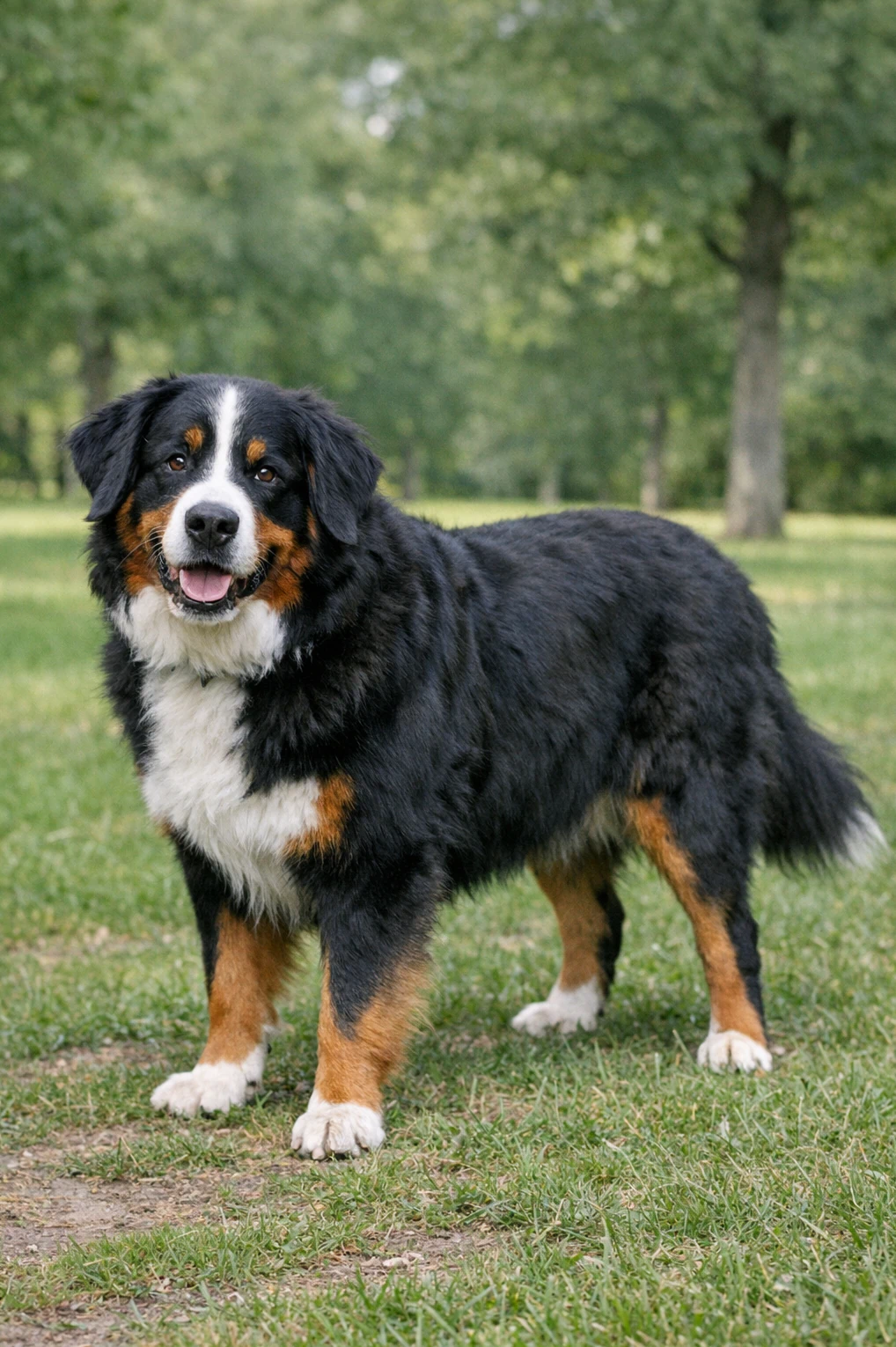
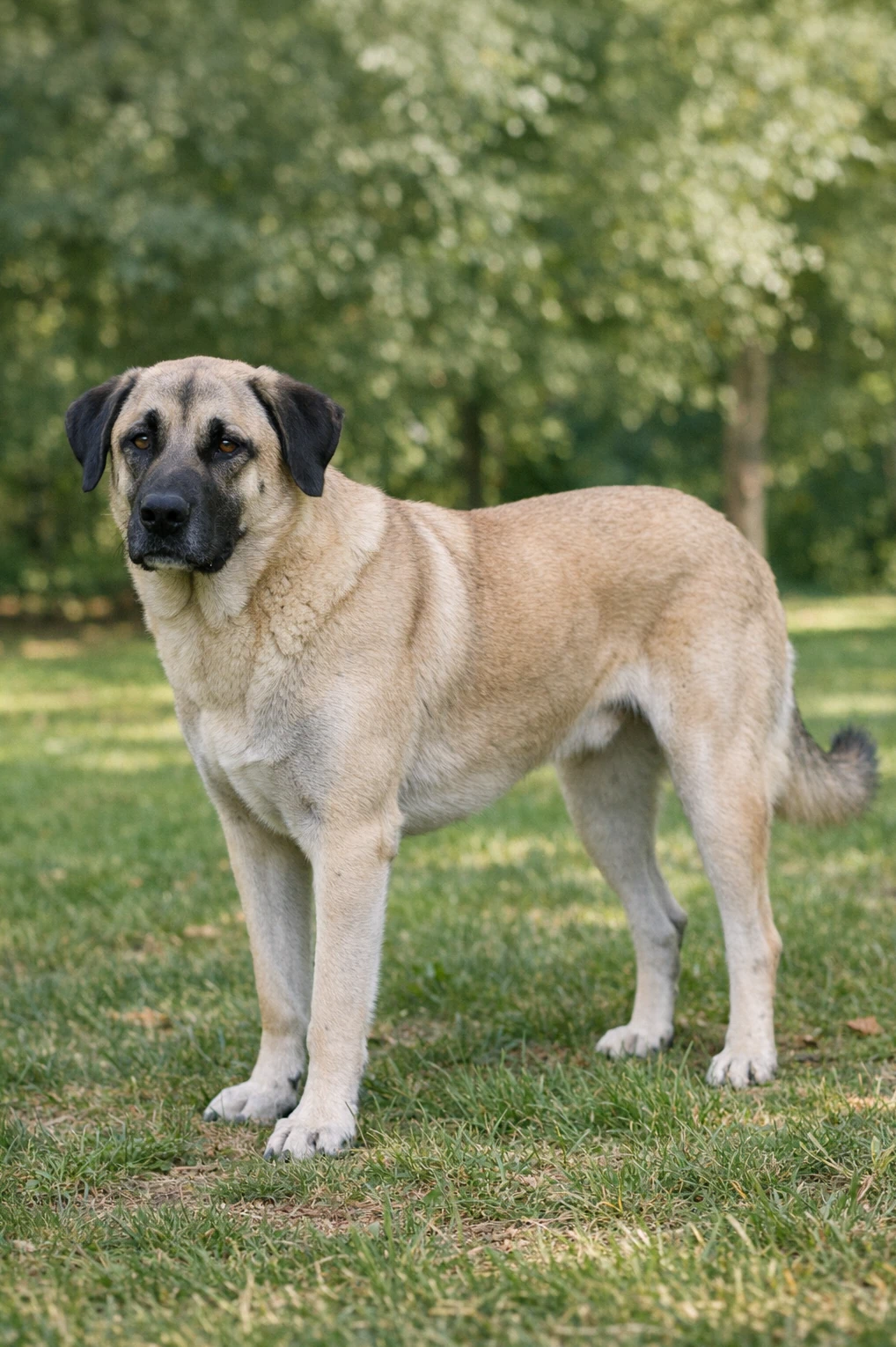
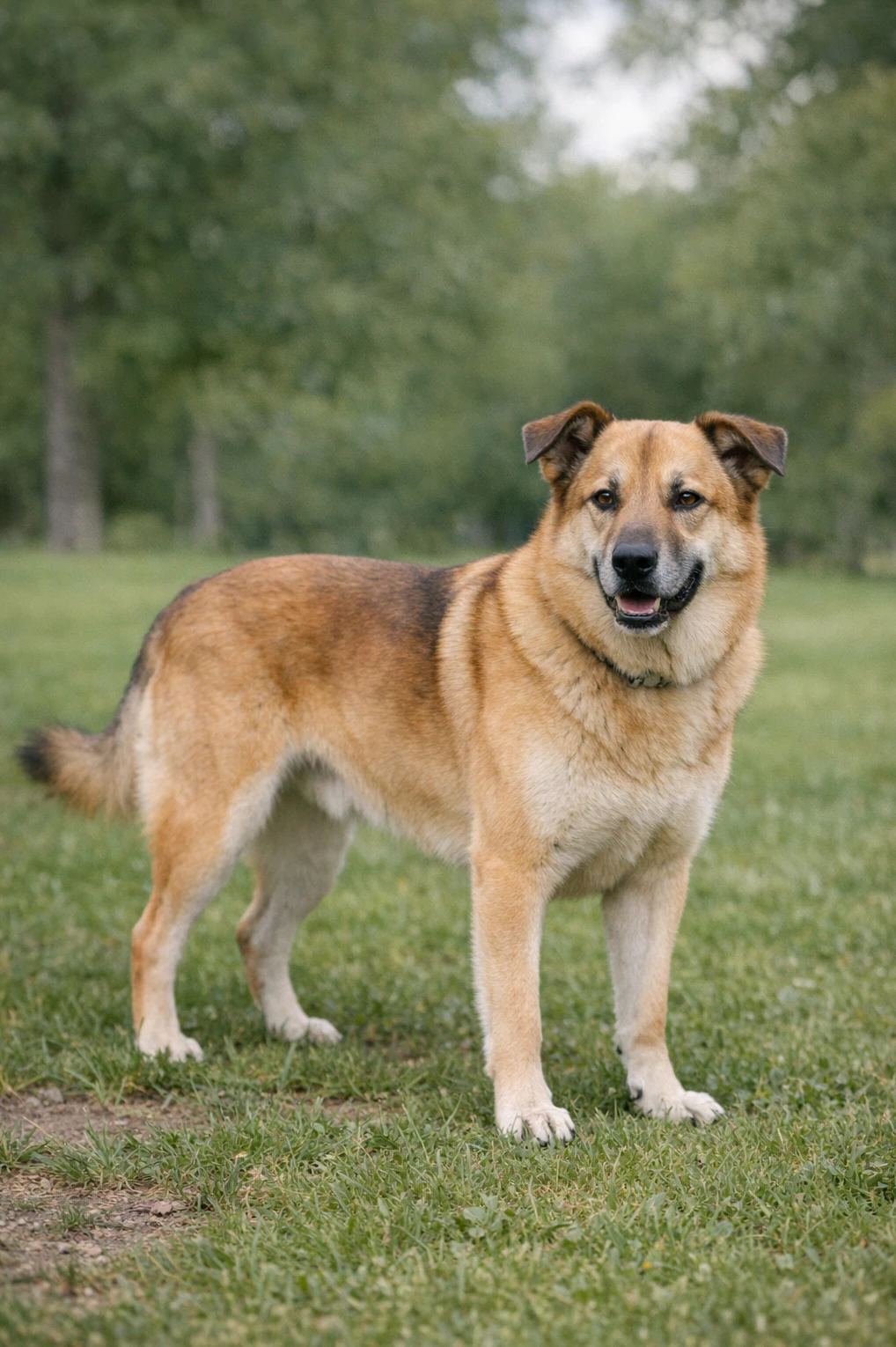
Chinook males stand about 24–26 inches and weigh 55–90 pounds. They’re loyal, clever, and calm. Nutritional Verdict: provide balanced, protein-rich meals and moderate portions to support muscle and steady energy.
Understanding the Chinook Metabolism and Energy Needs
As a member of a hardworking lineage bred for hauling and steady effort, this dog needs meals that support strength, endurance, and consistent focus. Their warm, loyal temperament means they respond best to regular, nutrient-rich feeding that keeps energy even throughout the day.
Priority goes to quality protein to preserve and rebuild muscles after activity, ideally from fish or poultry for digestible amino acids. Moderately rich fats provide concentrated calories for sustained work, while slow-burning carbohydrates like sweet potato and oats supply steady fuel and gut-friendly fiber.
Targeted supplements help keep joints and the brain healthy, for example omega-3 oils, joint support compounds such as glucosamine, and B vitamins plus antioxidants for cognitive resilience. Small, consistent meals tailored this way match their steady nature and keep them fit, focused, and comfortable.
Managing Chinook Genetic Health Risks Through Nutrition
Hip Dysplasia
Helpful nutrients
Cryptorchidism
Helpful nutrients
Gastrointestinal Disorders
Helpful nutrients
Allergies
Helpful nutrients
Chinook Seizures (movement disorder)
Helpful nutrients
Ear Infections
Helpful nutrients
Dental Health
Helpful nutrients
Obesity
Helpful nutrients
Chinook Feeding & Calorie Calculator
Estimated Daily Calories
Tip: Start with this amount and adjust after 2–3 weeks based on your dog's body condition and weight trend.
This estimate provides a starting point for feeding. Individual calorie needs may vary depending on metabolism, body condition, and health status. Always monitor your dog's weight and consult your veterinarian when adjusting diet.
Foods and Ingredients to Avoid for Chinook Dogs
Chinooks can be prone to carrying extra weight, and excess body fat makes hip dysplasia and joint strain more likely, so avoid fatty table scraps, fried foods, and rich human meals that add empty calories.
Opt for lean proteins and measured portions to protect their joints and keep them agile well into adulthood.
Cooked bones splinter easily and can cause mouth injuries, intestinal perforation, or dangerous blockages, risks that are especially important for a breed with known gastrointestinal sensitivities.
Choose vet-recommended durable chews and supervise any chew time to protect teeth and digestion without risking a trip to the emergency clinic.
Xylitol, found in some peanut butters, sugar-free treats, and dental products, can cause rapid low blood sugar and liver failure in dogs, which is an immediate medical emergency.
Always check ingredient lists before offering treats, and keep sugar-free gum and human products well out of reach.
Chocolate and caffeinated products contain stimulants that are toxic to dogs and can trigger tremors, seizures, or dangerous heart rhythm changes, which could be especially worrying in a Chinook with movement disorder concerns.
Keep all chocolate, coffee grounds, tea, and energy drinks away from your dog and call your vet right away if ingestion is suspected.
Diets overly reliant on peas, lentils, chickpeas, or other legume proteins in place of grains have been linked to heart concerns in some dogs, so avoid exclusive grain-free feeds that list these ingredients high on the label without veterinary guidance.
Work with your vet to choose balanced formulas that support heart health and overall nutrition for a large, active breed like the Chinook.
Many Chinooks have sensitivities that show up as itchy skin or upset stomachs, so rotating or repeatedly feeding ingredients like certain proteins, dairy, wheat, or soy can reveal intolerances, and artificial colors or preservatives may worsen reactions.
If you suspect allergies, try a simplified diet under veterinary advice and choose foods with recognizable, limited ingredients.
How Nutritional Needs Change Throughout the Chinook Life Stages
Dogs have different nutritional needs at puppyhood, adulthood, and their senior years, and Chinooks are no exception. This breed's growth rate, high activity level, and specific health tendencies such as hip dysplasia and gastrointestinal sensitivity influence how much and what type of food they need at each stage. Tailoring nutrition helps support growth, performance, and longevity.
| Life Stage | Age Range | Primary Objective | Key Nutrient Focus |
|---|---|---|---|
| Puppy | 0–18 months | controlled skeletal development, immune support, brain development | DHA, balanced calcium/phosphorus, high-quality protein |
| Adult | 1.5–5 years | lean muscle maintenance and sustained energy | high-quality protein, omega-3 fatty acids, fiber |
| Senior | 5+ years | joint mobility, metabolic health, and cognitive support | glucosamine, chondroitin, antioxidants, lower calories |
Chinook puppies are a large, fast-growing kind of dog, so their growth pattern needs steady, controlled calories to promote proper skeletal development and lower the risk of hip dysplasia. During the rapid growth months, feed a large-breed puppy formula that regulates calcium and phosphorus, and provide moderate calories rather than unlimited free feeding. Offer meals three to four times a day for predictable energy and to ease digestion.
Key nutrients include high quality protein to build lean muscle, controlled fat for energy without excess, and balanced minerals for bone formation. Because some Chinooks can have gastrointestinal sensitivities or allergies, choose highly digestible proteins and consider probiotics or limited ingredient diets if your vet recommends them. Keep an eye on weight and growth charts and adjust portions slowly as the puppy matures.
Adult Chinooks are strong, active dogs that need consistent nutrition to maintain lean muscle and steady energy. Feed a diet with quality animal protein at an appropriate percent for their size and activity, and moderate fat to support stamina without promoting weight gain. Depending on activity level, two meals per day help regulate appetite and support digestion.
Because Chinooks are prone to hip dysplasia and some gastrointestinal issues, maintain a healthy body condition to reduce joint stress and choose diets with easily digestible ingredients. Monitor for food sensitivities and adjust protein sources if allergies appear, and work with your veterinarian to balance calories for neutered pets or less active individuals. Regular exercise and dental care help metabolism and overall health.
As Chinooks enter their senior years, metabolism often slows and activity typically decreases, which means calorie needs may drop while protein needs remain steady to preserve muscle. Slower digestion or sensitive stomachs require easy-to-digest formulas, higher quality protein and sometimes added fiber to support regularity. Smaller, more frequent meals can be gentler for older digestive systems.
Joint support becomes more important for a breed at risk of hip dysplasia, so look for diets or supplements with glucosamine, chondroitin and omega-3 fatty acids to support mobility and comfort. Antioxidants like vitamins E and C support immune health and may help cellular repair, while probiotics can aid digestion in dogs with gastrointestinal histories. Work with your veterinarian to adjust calories and supplements based on weight, mobility and any medication needs.
Kibble vs Fresh vs Raw for Chinook
Different feeding models suit different lifestyles, activity levels, and health needs. For your devoted Chinook, think about joint support, gentle digestion, and allergy management.
Pros
- Convenient and easy to portion for busy owners.
- Formulas with joint support can help manage hip dysplasia risk.
- Consistent nutrition simplifies weight control for this medium to large, food-motivated breed.
- Sauces and toppers can boost palatability for picky Chinooks.
Cons
- Lower moisture may worsen chronic gastrointestinal sensitivity.
- Some formulas contain common allergens like grains or artificial additives.
- Calorie dense kibble risks weight gain without careful portioning.
- Less ingredient control than home-cooked diets for dogs with allergies.
Pros
- Highly digestible, gentle on sensitive Chinook stomachs.
- Easy to avoid known allergens and tailor proteins.
- Higher moisture supports hydration and urinary health.
- Can be formulated to support joint health and maintain healthy weight.
Cons
- More time consuming and more expensive than kibble.
- Requires careful balancing of vitamins and minerals to avoid deficiencies.
- Needs refrigeration and meal prep, which may not suit busy households.
- If not properly managed, calorie intake can unintentionally increase.
Pros
- High protein and natural ingredients may boost coat condition.
- Some owners report improved energy and stool quality.
- Eliminates some processed additives that can trigger allergies.
Cons
- Higher bacterial contamination risk for dogs with gastrointestinal sensitivity.
- Raw bones can cause choking, dental fractures, or intestinal obstruction.
- Difficult to ensure balanced calcium to phosphorus ratios without guidance.
- Not recommended without veterinary input, especially with seizure-like movement disorders.
| Diet Type | Pros for Chinook | Potential Downsides |
|---|---|---|
| High-Quality Kibble |
|
|
| Fresh Cooked Food |
|
|
| Raw Diet (BARF) |
|
|
Our Recommendation
Many Chinooks do well on a high-quality kibble that offers joint-focused formulas and careful portion control for weight management.
If your Chinook has GI sensitivity or allergies, fresh cooked food can be very helpful, while raw diets require veterinary guidance and strict hygiene.
See Also
Breeds with similar group, size, and coat characteristics