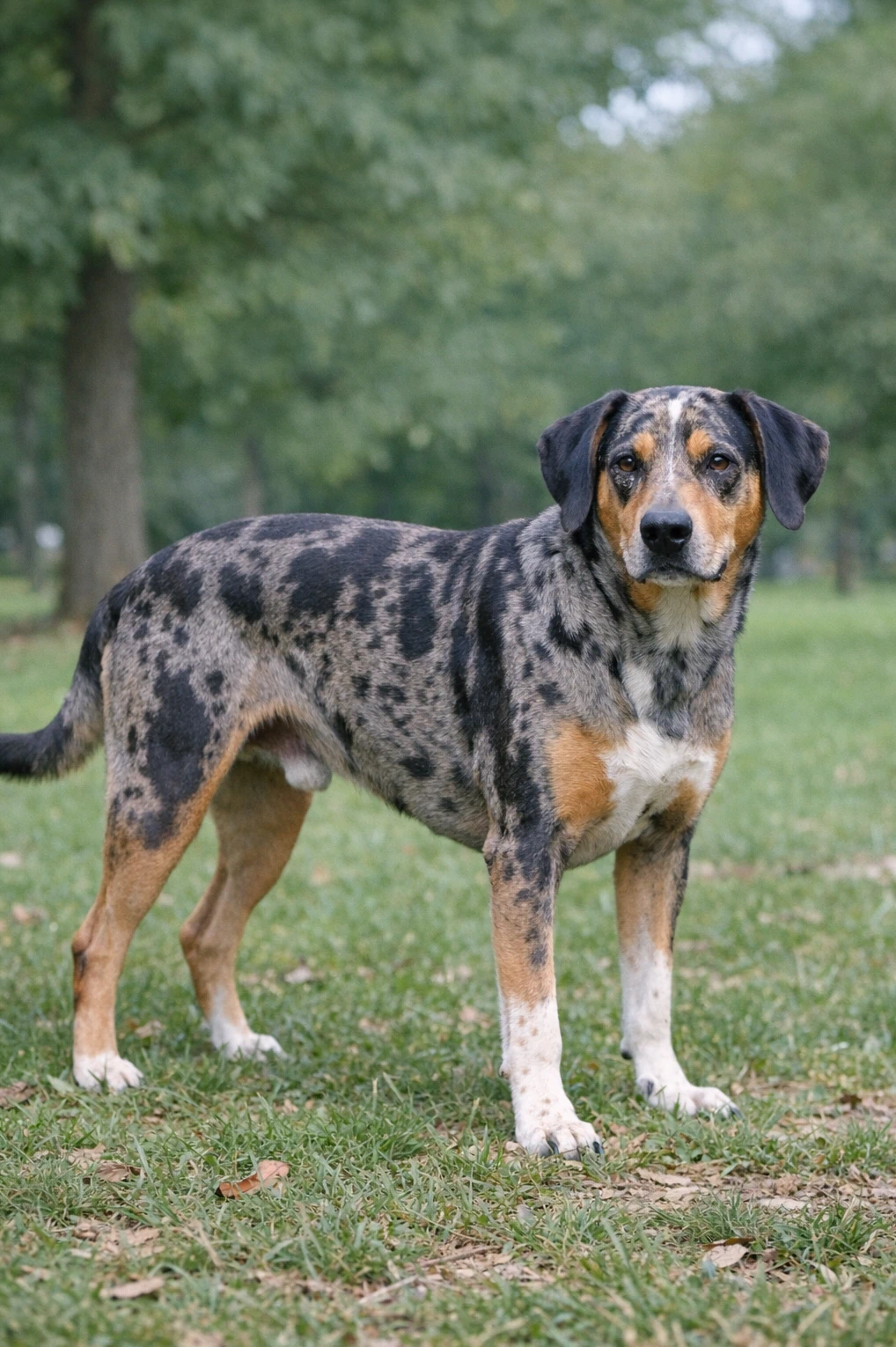
Best Dog Food for Carolina Dog in 2026Based on Nutritional Science
Compact, hardy hound roughly 17.75 to 19.5 inches tall and 30 to 55 pounds, self-reliant yet devoted, cautious with new people. Nutritional Verdict: balanced, protein-rich diet to support lean muscle and steady energy.

Understanding the Carolina Dog Metabolism and Energy Needs
A primitive American land dog shaped by hunting and scavenging in warm, open habitats needs a diet that supports endurance, alertness and a lean physique. These dogs tend to be self-reliant and devoted, and often cautious around strangers, so nutrition should promote steady energy without excess weight.
Lean, high-quality animal protein is central, because it preserves muscle and supports recovery after bursts of activity. Moderate, digestible fats provide long-lasting fuel and help maintain skin and coat, while limited, slow-release carbohydrates supply needed glucose without promoting fat gain, for example sweet potato or rolled oats.
Omega-3 fatty acids support coat health and inflammation control, joint support can be useful for active adults, and probiotics aid digestion in dogs with sensitive stomachs. Measured meals and enriching feeding methods help them stay engaged and satisfied.
Managing Carolina Dog Genetic Health Risks Through Nutrition
Carolina Dog Feeding & Calorie Calculator
Estimated Daily Calories
Tip: Start with this amount and adjust after 2–3 weeks based on your dog's body condition and weight trend.
This estimate provides a starting point for feeding. Individual calorie needs may vary depending on metabolism, body condition, and health status. Always monitor your dog's weight and consult your veterinarian when adjusting diet.
Foods and Ingredients to Avoid for Carolina Dog Dogs
Certain human foods can be dangerous even in small amounts, and for a medium sized Carolina Dog they can cause rapid and serious problems.
Chocolate, grapes and raisins, and xylitol found in sugar free gum or baked goods are classic examples that can lead to vomiting, seizures, low blood sugar, kidney failure or worse.
Keep these items completely out of reach and treat any suspected exposure as an emergency, calling your veterinarian right away.
Rich table scraps, fatty cuts of meat and fried foods can be tempting, but they are a fast route to upset digestion and weight gain for a 30 to 55 pound dog.
High fat meals can trigger pancreatitis, a painful and potentially serious inflammation of the pancreas, and extra calories add stress to joints and overall health.
Stick to lean, portioned meals and use healthy, measured treats to avoid unnecessary flair ups and extra pounds.
Some grain-free diets replace grains with large amounts of peas, lentils or other legumes, and these formulas have been linked to heart concerns in certain dogs.
For a medium sized, active Carolina Dog, maintaining balanced nutrition that supports heart and muscle function is important.
Choose diets that focus on high quality animal protein and a balanced mix of grains or alternatives, and talk with your veterinarian before switching to a grain-free plan.
Artificial preservatives like BHA and BHT, and bright synthetic colors, can irritate sensitive stomachs and skin in some dogs, and they add no nutritional benefit.
A lean, athletic breed such as the Carolina Dog tends to do best on simple, real ingredients that support digestion and a healthy coat.
Opt for foods with natural preservation and fewer additives to reduce the chance of allergic reactions and to keep their skin and energy levels steady.
Supplementing with extra calcium or using large breed puppy formulas when not needed can upset normal bone development and cause joint issues, even in medium sized breeds.
Carolina Dogs grow into a 30 to 55 pound frame, so they need balanced nutrients for steady, healthy growth rather than excess minerals or unregulated supplements.
Work with your veterinarian to choose age appropriate food and introduce supplements only when recommended, based on bloodwork or specific health needs.
How Nutritional Needs Change Throughout the Carolina Dog Life Stages
Carolina Dogs have changing nutritional needs as they move from playful puppyhood to steady adulthood and then into their senior years. Their diet should reflect growth rate, activity level, and breed tendencies, such as high energy and independence, as well as common size-related considerations. Tailoring food to each stage helps support healthy development, maintain muscle, and protect joints and digestion as they age.
| Life Stage | Age Range | Primary Objective | Key Nutrient Focus |
|---|---|---|---|
| Puppy | 0–15 months | controlled skeletal development, immune support, brain development | DHA, balanced calcium/phosphorus, high-quality protein |
| Adult | 1.5–6 years | lean muscle maintenance and sustained energy | high-quality protein, omega-3 fatty acids, fiber |
| Senior | 6+ years | joint mobility, metabolic health, and cognitive support | glucosamine, chondroitin, antioxidants, lower calories |
Carolina Dog puppies grow into a large, athletic frame, so their growth pattern should be steady rather than rushed to protect developing bones and joints. Controlled calorie intake helps prevent overly rapid weight gain, while regular short bursts of activity match their natural energy without stressing growth plates.
Feed high quality, digestible protein to support muscle and skeletal development, and ensure calcium and phosphorus are balanced for bone health. Include DHA for brain and vision, and adequate fat for energy. Offer three to four small meals daily until about six months, then transition to two, monitoring weight and adjusting portions as activity levels and appetite change.
Adult Carolina Dogs are lean, energetic and agile, so their diet should support steady energy and lean muscle maintenance. Aim for a balanced protein-rich diet from quality animal sources to preserve muscle, paired with moderate healthy fats to fuel their activity without excess calories.
Feed twice daily, adjusting portions to match their lifestyle, whether they are very active outdoors or more relaxed at home. Include antioxidants and omega fatty acids to support skin and coat for their short smooth coat, and monitor body condition regularly to prevent weight gain that can stress joints. Tailor treats and training rewards to avoid excess calories.
As Carolina Dogs enter their senior years their metabolism often slows, and activity levels may decline, which lowers calorie needs. Digestive sensitivity can increase, so easier to digest proteins and smaller, more frequent meals can help, while maintaining sufficient protein to preserve muscle mass.
Prioritize joint support with glucosamine, chondroitin and omega-3s, and include antioxidants such as vitamins E and C to help healthy aging. Reduce calories or fat if weight starts to creep up, while keeping nutrient density high to meet needs without excess volume. Continue regular low impact exercise and regular weight checks to help mobility and overall quality of life.
Kibble vs Fresh vs Raw for Carolina Dog
Carolina Dogs are independent, energetic, and lean, so their feeding needs reflect an active, efficient metabolism.
Different feeding models can suit varying routines, from busy owners to those who prefer hands-on meal prep.
Pros
- Convenient and easy to portion for owners with active schedules.
- High protein formulas support lean muscle and steady energy.
- Shelf-stable kibble is simple to store and serve.
- Chewing dry kibble can help reduce tartar buildup.
Cons
- Lower moisture content may not suit dogs that drink little water.
- Some formulas include fillers that add unnecessary calories.
- May be less appealing to picky, independent eaters.
- Ingredient quality varies, so read labels and consult your vet.
Pros
- Highly palatable, often appealing to picky or reserved eaters.
- High moisture supports hydration and gentle digestion for active dogs.
- You control each ingredient, helpful for sensitivities.
- Easier to fine tune calories for weight management.
Cons
- Requires regular meal prep and careful planning for balanced nutrition.
- Costs and time commitment are higher than kibble.
- Needs refrigeration and safe storage between meals.
- Homemade recipes can lack essential nutrients without supplements.
Pros
- Mimics ancestral diet with raw protein and minimal processing.
- High protein can support lean muscle and endurance.
- Some owners report shinier coats and improved digestion.
- Can reduce reliance on processed ingredients when balanced correctly.
Cons
- Higher risk of bacterial contamination without strict hygiene practices.
- Bone pieces can pose choking or digestive hazards if inappropriate.
- Requires careful nutrient balancing and regular veterinary oversight.
- May not be safe for homes with immunocompromised people.
| Diet Type | Pros for Carolina Dog | Potential Downsides |
|---|---|---|
| High-Quality Kibble |
|
|
| Fresh Cooked Food |
|
|
| Raw Diet (BARF) |
|
|
Our Recommendation
For most Carolina Dogs, high-quality kibble offers a balanced, convenient foundation that supports their active, independent nature.
Fresh cooked food suits picky dogs or owners who enjoy meal prep, while raw diets can work with strict hygiene and regular veterinary guidance.
See Also
Breeds with similar group, size, and coat characteristics