Best Dog Food for Canadian Eskimo Dog in 2026Based on Nutritional Science
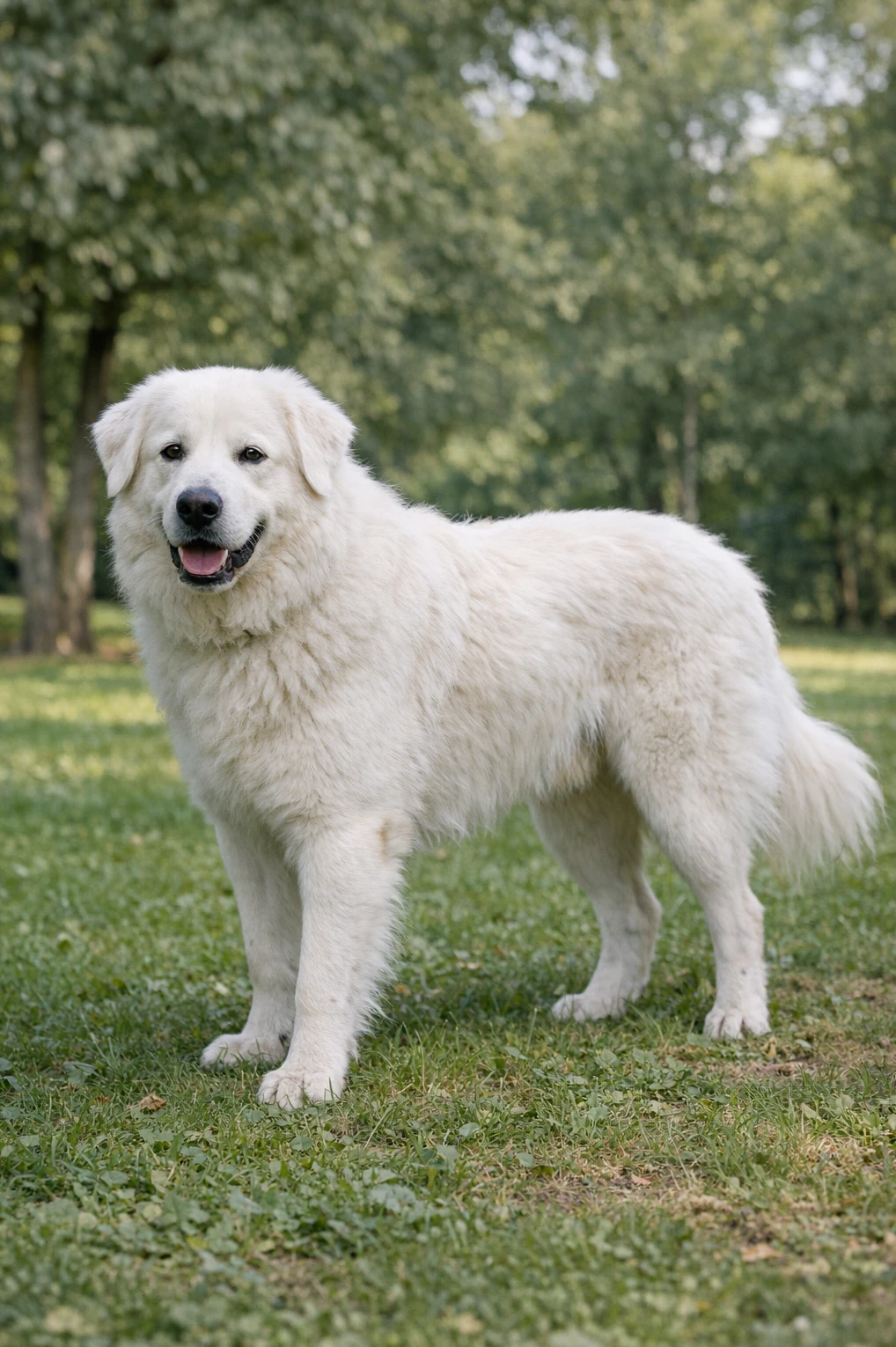
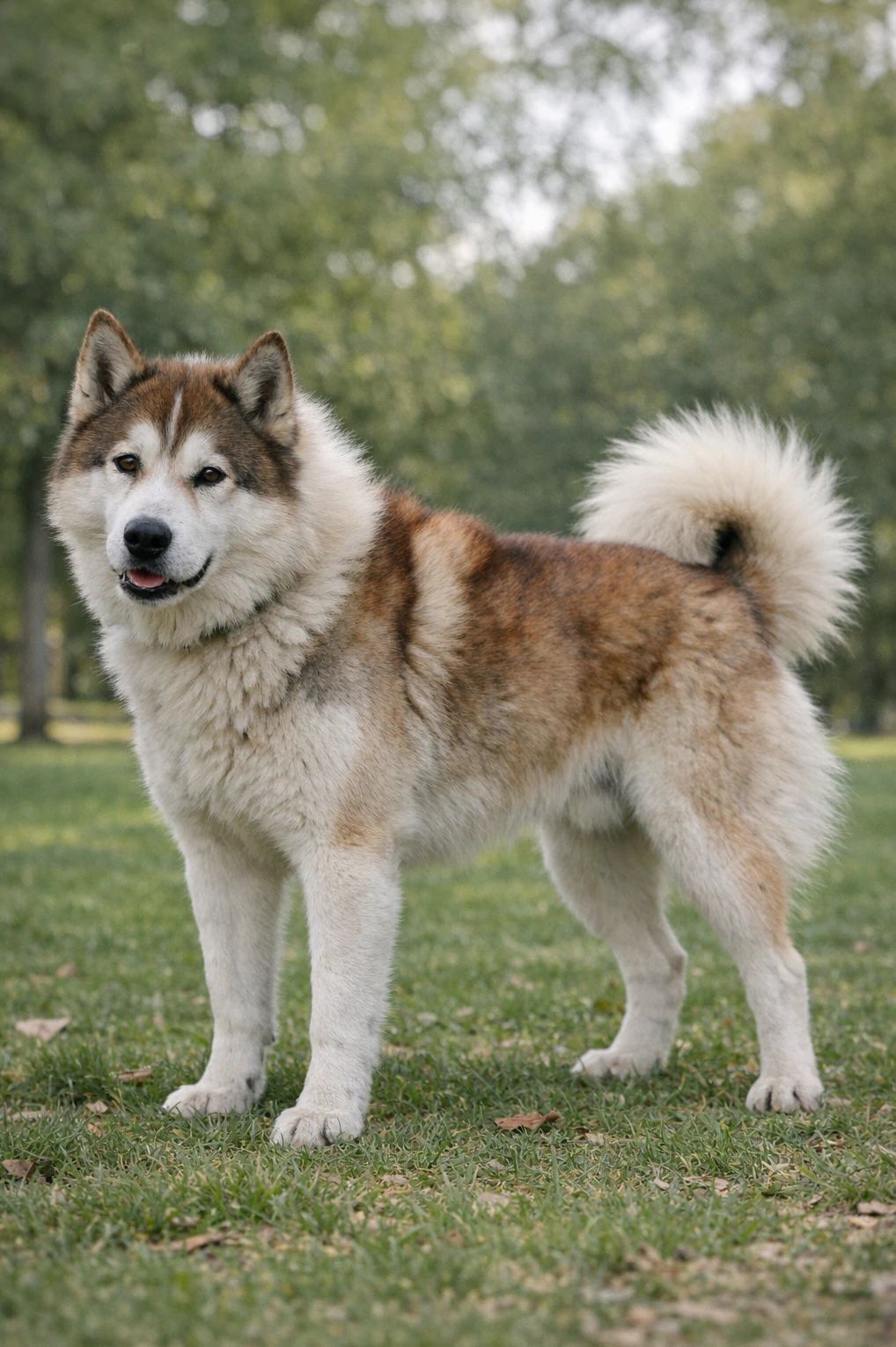
Canadian Eskimo Dog is a sturdy, devoted, bright, and warm companion, 19.5 to 27.5 inches tall and 40 to 88 pounds. Nutritional Verdict: requires a calorie-rich, protein-focused diet to fuel endurance and preserve lean muscle.
Understanding the Canadian Eskimo Dog Metabolism and Energy Needs
As a northern working companion shaped for long-distance hauling and survival in cold climates, these dogs need a diet that supports endurance, lean muscle, and staying warm. Their steady, bright, and devoted nature means daily stamina and a robust metabolism, so a higher proportion of quality protein for muscle maintenance and calorie-dense fats for sustained energy makes sense.
Aim for a protein-rich base from whole meats to support recovery and mental sharpness, while animal fats and omega-3s provide concentrated fuel and keep skin and coat healthy. Moderate complex carbohydrates refill glycogen after activity, and targeted supplements like glucosamine for joint resilience, antioxidants for immune support, and DHA for cognitive health are useful additions for active, long-lived northern companions.
Managing Canadian Eskimo Dog Genetic Health Risks Through Nutrition
High energy needs for working in cold climates
Helpful nutrients
Risk of pancreatitis from very high fat intake
Helpful nutrients
Obesity from overfeeding
Helpful nutrients
Calcium and phosphorus imbalance with raw bone diets
Helpful nutrients
Foodborne pathogens and digestive upset from raw meat
Helpful nutrients
Dental wear and oral health related to chewing bones
Helpful nutrients
Canadian Eskimo Dog Feeding & Calorie Calculator
Estimated Daily Calories
Tip: Start with this amount and adjust after 2–3 weeks based on your dog's body condition and weight trend.
This estimate provides a starting point for feeding. Individual calorie needs may vary depending on metabolism, body condition, and health status. Always monitor your dog's weight and consult your veterinarian when adjusting diet.
Foods and Ingredients to Avoid for Canadian Eskimo Dog Dogs
Canadian Eskimo Dogs are built for cold work and thrive on calorie-dense, higher-fat diets that include raw meat, ground bones, and kibble formulated for arctic breeds, so switching to a low-fat commercial diet can leave them underpowered, thin, and with a dull coat.
Over time inadequate fat intake can impair absorption of fat-soluble vitamins and reduce their natural insulation and endurance, so only reduce fat under veterinary guidance for a specific medical reason.
Because the recommended feeding approach for this breed often includes ground raw bones, cooked bones and very hard whole bones are particularly dangerous, they tend to splinter and can cause mouth injuries, intestinal punctures, or life-threatening obstructions.
Even large working dogs can suffer serious damage from sharp fragments, so offer only appropriately prepared raw bone products or commercial alternatives designed to be safe, and always supervise chew time.
Large, active Canadian Eskimo Dogs need fats and animal proteins for sustained energy, so diets high in inexpensive carbohydrate fillers such as corn, wheat, and soy can dilute necessary nutrients and force owners to feed uncomfortably large volumes to meet caloric needs.
Excess carbs can also contribute to digestive upsets and less efficient energy use for a breed adapted to burn fat, so prioritize high-fat, high-quality protein ingredients whenever possible.
Onions, garlic, leeks, and related allium vegetables contain compounds that can damage canine red blood cells and cause hemolytic anemia, and repeated or concentrated exposure can be harmful even in larger breeds.
These ingredients appear in many human foods, seasonings, and leftovers, so avoid feeding table scraps and flavored foods containing alliums to your Canadian Eskimo Dog to protect their blood health and overall vitality.
Grapes and raisins have been linked to unpredictable but serious kidney injury in dogs, so they should never be offered as treats or mixed into meals for any breed, including Canadian Eskimo Dogs that may otherwise tolerate novel foods.
While some dog-safe fruits can be given sparingly as an occasional treat, focus on high-fat, protein-rich options that support their energy needs and thick coat rather than risky fruit choices.
Xylitol and some other artificial sweeteners used in sugar-free products are highly toxic to dogs and can trigger dangerous drops in blood sugar and liver failure, while chocolate contains theobromine and caffeine which are also hazardous and sometimes fatal.
Carefully check labels on human foods, avoid sharing sweets, and keep all sugar-free gums, baked goods, and chocolate well out of reach to keep your Canadian Eskimo Dog safe and healthy.
How Nutritional Needs Change Throughout the Canadian Eskimo Dog Life Stages
Canadian Eskimo Dogs have changing nutritional needs at puppyhood, adulthood, and senior years, and adjusting food helps keep them healthy. As a giant, high-energy working breed, their growth rate, activity level, and any breed-specific health tendencies influence how much and what they should eat. Puppies need careful growth support, adults require balanced maintenance, and seniors benefit from calorie and joint-focused nutrition.
| Life Stage | Age Range | Primary Objective | Key Nutrient Focus |
|---|---|---|---|
| Puppy | 0–18 months | controlled skeletal development, immune support, brain development | DHA, balanced calcium/phosphorus, high-quality protein |
| Adult | 1.5–5 years | lean muscle maintenance and sustained energy | high-quality protein, omega-3 fatty acids, fiber |
| Senior | 5+ years | joint mobility, metabolic health, and cognitive support | glucosamine, chondroitin, antioxidants, lower calories |
Canadian Eskimo Dog puppies grow into a giant, powerful frame over a longer period than smaller breeds, so steady, controlled growth matters. Rapid weight gain can stress developing joints and bones, so feed calorie-dense food judiciously and follow growth-stage formulas designed for large or giant breeds. Offer three to four small meals a day until about six months, then transition to two meals as they mature; consistent portions help avoid overeating.
Key nutrients include high-quality animal protein for muscle development, balanced fats for energy, and carefully managed calcium and phosphorus to support healthy skeletal growth. Omega-3 fatty acids support joint and coat health, while moderate calories address their working, high-activity potential. Because large, active breeds can face joint stress, consider diets that avoid calorie excess and that promote steady, lean growth rather than rapid bulking.
As adults, Canadian Eskimo Dogs need nutrition that supports their muscular build and steady energy. Aim for a diet with high-quality animal protein to maintain muscle mass, and moderate to higher fat levels to fuel their natural endurance, especially if they are used for work or heavy activity. Balance is key, so choose formulas intended for large, active breeds with appropriate calorie density and digestible ingredients.
Lifestyle matters, because a pet that lives mostly indoors will need fewer calories than an actively working dog. Monitor body condition and adjust portions to prevent excess weight, which can stress joints. Include fiber for healthy digestion and antioxidants to support long-term immune health, and work with your veterinarian to tailor fat and protein targets for activity levels and any breed-specific considerations.
As Canadian Eskimo Dogs enter their senior years, metabolism often slows and activity typically decreases, which means calorie needs may drop even as protein needs stay the same or rise to preserve muscle. Aging joints may become stiffer in a large, formerly active breed, and digestion can be less efficient, so easily digestible proteins and adjusted portion sizes help maintain healthy weight and nutrient uptake.
Look for diets with joint-supporting ingredients like glucosamine and chondroitin, and omega-3 fatty acids to help manage inflammation and mobility. Antioxidants and vitamins support cognitive and immune health, while added fiber can aid digestion. Regular weight checks and veterinary reviews will guide gradual calorie reductions, or targeted supplements, so your senior can stay comfortable and active for as long as possible.
Kibble vs Fresh vs Raw for Canadian Eskimo Dog
Different feeding models suit different lifestyles and activity levels. For a Canadian Eskimo Dog, energy needs, coat care, and joint support help determine the best approach.
Pros
- Convenient and easy to portion for busy owners of large, active dogs.
- Available in high-calorie formulas to match endurance and work demands.
- Often fortified with joint and skin nutrients for coat and mobility support.
- Shelf-stable and simple to store for trips or seasonal work.
Cons
- Some lower-quality kibbles include fillers that do not meet high energy needs.
- Lower moisture content means you must ensure extra water intake.
- Less variety in texture and taste for picky eaters.
- Overfeeding calorie-dense formulas can cause weight gain if activity decreases.
Pros
- Highly palatable, great for picky eaters or dogs recovering from illness.
- Higher moisture content supports hydration during colder months.
- Allows precise control over protein and fat for endurance needs.
- Easy to tailor for coat health and joint support using whole ingredients.
Cons
- Requires careful planning to ensure complete, balanced nutrition for large breeds.
- More time and ongoing cost than kibble for feeding a big dog.
- Needs refrigeration and thoughtful prep for long trips or remote stays.
- Improper recipes can lead to nutrient gaps in active dogs.
Pros
- High protein and fat profile aligns well with sled dog energy requirements.
- Fresh, whole ingredients can enhance coat condition and vitality.
- Minimal processing preserves natural nutrients and flavor.
- Can be tailored to mimic ancestral, high-activity diets responsibly.
Cons
- Strict hygiene is essential to prevent bacterial contamination.
- Whole bones pose fracture or choking risks for some dogs.
- Requires veterinary guidance to ensure balanced vitamins and minerals.
- Challenging to source and safely store during long trips or seasons.
| Diet Type | Pros for Canadian Eskimo Dog | Potential Downsides |
|---|---|---|
| High-Quality Kibble |
|
|
| Fresh Cooked Food |
|
|
| Raw Diet (BARF) |
|
|
Our Recommendation
For Canadian Eskimo Dogs, nutrient-dense diets higher in protein and fat usually work best to support endurance and coat health.
High-quality kibble offers balanced, convenient nutrition, while fresh cooked or responsibly managed raw diets can be excellent for very active dogs when properly formulated and supervised.
See Also
Breeds with similar group, size, and coat characteristics