Best Dog Food for Bull Terrier in 2026Based on Nutritional Science
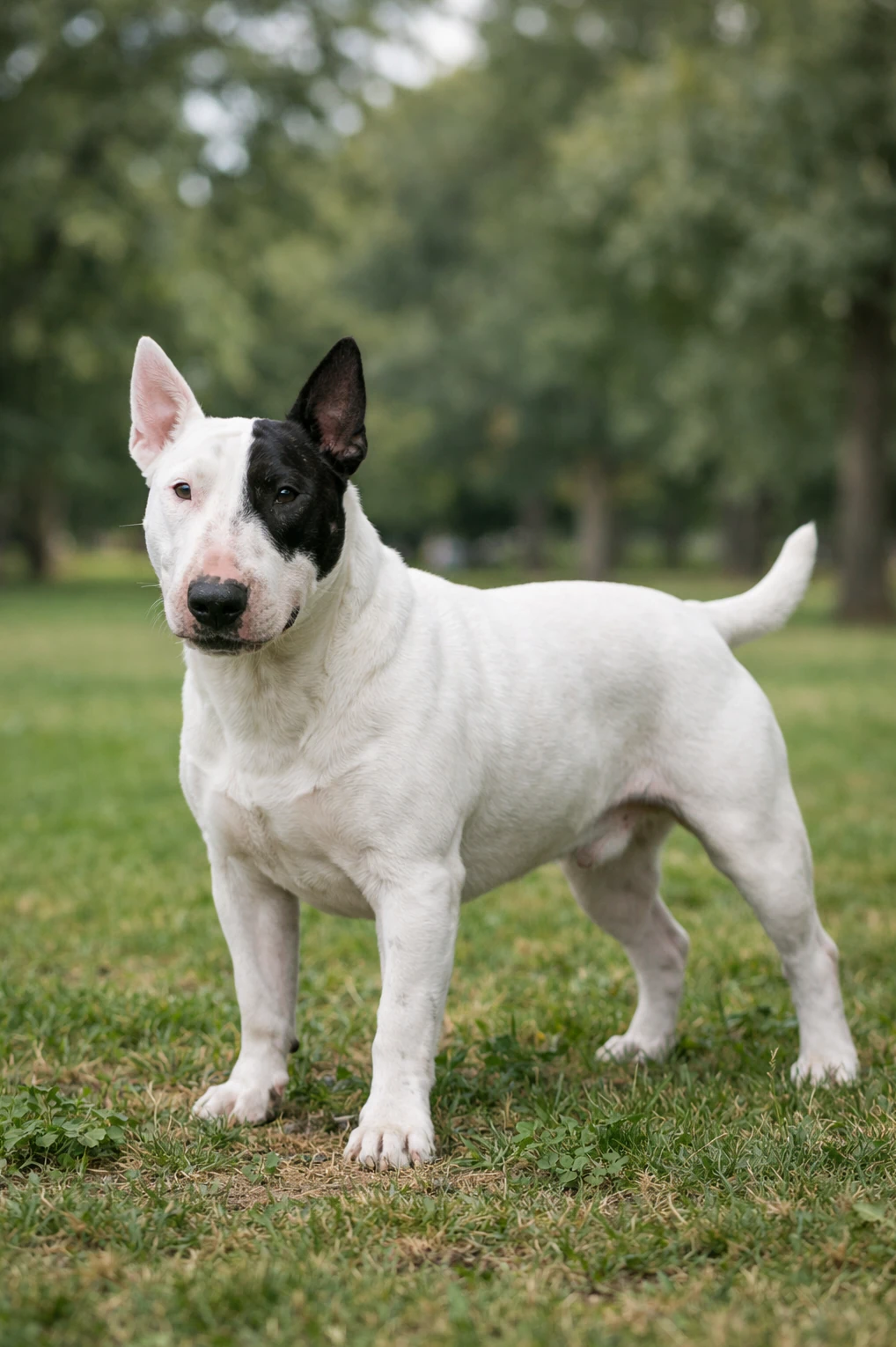
Bull Terrier stands 21 to 22 inches and weighs 50 to 70 pounds, energetic, magnetic, a touch impish.
Nutritional Verdict: needs a protein-rich diet to fuel activity and maintain lean muscle.
Understanding the Bull Terrier Metabolism and Energy Needs
This compact, muscular terrier line was developed to hunt small prey, so modern dogs keep lively energy, affection and an impish streak. Their bodies need high-quality, readily usable building blocks to maintain lean muscle and quick recovery, so animal protein should be a dietary cornerstone, from chicken, beef or oily fish.
Healthy fats supply concentrated fuel for short bursts and support cognitive function, skin and coat. Including marine oils for omega-3s helps reduce inflammation and keeps the coat glossy. For very active dogs, small amounts of joint-support nutrients like glucosamine can protect cartilage over time.
Moderate complex carbohydrates such as sweet potato and pumpkin give steady energy and gentle fiber without unnecessary fillers. A probiotic for gut balance and antioxidants for immune resilience round out a sensible feeding plan that suits a spirited, affectionate companion.
Managing Bull Terrier Genetic Health Risks Through Nutrition
Kidney Disease
Helpful nutrients
Heart Disease
Helpful nutrients
Hearing Loss (congenital)
Helpful nutrients
Obesity
Helpful nutrients
Poor Bone Development
Helpful nutrients
Bull Terrier Feeding & Calorie Calculator
Estimated Daily Calories
Tip: Start with this amount and adjust after 2–3 weeks based on your dog's body condition and weight trend.
This estimate provides a starting point for feeding. Individual calorie needs may vary depending on metabolism, body condition, and health status. Always monitor your dog's weight and consult your veterinarian when adjusting diet.
Foods and Ingredients to Avoid for Bull Terrier Dogs
Because some Bull Terriers are prone to weight gain and pancreatitis, it is best to avoid high-fat table scraps, fried foods, and fatty cuts of meat.
Excess dietary fat can quickly add calories and strain the pancreas, while carrying extra weight increases the risk of joint stress and other health problems.
Keep treats lean and controlled, and speak with your veterinarian if you are unsure about appropriate fat levels for your dog.
Xylitol is extremely toxic to dogs and can cause rapid, life-threatening drops in blood sugar and liver failure even in small amounts, so avoid sugar-free gum, some peanut butters, and baked goods that list it as an ingredient.
Other artificial sweeteners may also upset digestion or pose risks, so always check labels before sharing human food.
If you suspect xylitol ingestion contact your veterinarian or an emergency clinic immediately.
While Bull Terrier puppies benefit from natural calcium for healthy bone growth, too much supplemental calcium or an unbalanced homemade diet can lead to abnormal skeletal development and joint problems.
Avoid giving high-dose calcium tablets or adding large amounts of untested bone meal without veterinary oversight.
Work with your vet or a veterinary nutritionist to ensure homemade meals meet calcium and phosphorus needs during growth and beyond.
High-sodium foods such as deli meats, bacon, and salty snacks can worsen blood pressure and place extra strain on the heart and kidneys, which matters for a breed where heart and kidney health are priorities.
Sodium also promotes thirst and fluid retention, which can be problematic for dogs with underlying cardiac or renal issues.
Offer fresh, low-sodium options and consult your veterinarian if your dog has known heart or kidney concerns.
Some grain-free diets rely heavily on legumes, peas, and lentils, and research has suggested a link between certain legume-rich grain-free formulas and an increased risk of dilated cardiomyopathy in susceptible dogs.
Given the breed's emphasis on heart testing and monitoring, it is wise to avoid switching to or relying solely on unbalanced grain-free diets without veterinary guidance.
Choose complete, tested diets and discuss any major diet changes with your vet.
Artificial preservatives, colors, and flavors can aggravate skin sensitivities and digestive upset in dogs that are prone to allergies, so minimizing ingredients like BHA, BHT, and artificial dyes is a sensible precaution.
Bull Terriers with a history of itchy skin or recurrent ear infections may do better on simpler ingredient lists with natural preservatives.
If you suspect a sensitivity, keep a food diary and work with your veterinarian to identify and eliminate triggers.
How Nutritional Needs Change Throughout the Bull Terrier Life Stages
From puppyhood to the golden years, a Bull Terrier's nutritional needs change noticeably. Puppies need concentrated calories and nutrients for rapid growth, adults require balanced maintenance to support their muscular, playful bodies, and seniors benefit from gentler calories and joint-friendly nutrients. These needs are influenced by the breed's growth rate, high activity, and any common health tendencies like heart or kidney concerns.
| Life Stage | Age Range | Primary Objective | Key Nutrient Focus |
|---|---|---|---|
| Puppy | 0–15 months | controlled skeletal development, immune support, brain development | DHA, balanced calcium/phosphorus, high-quality protein |
| Adult | 1.5–6 years | lean muscle maintenance and sustained energy | high-quality protein, omega-3 fatty acids, fiber |
| Senior | 6+ years | joint mobility, metabolic health, and cognitive support | glucosamine, chondroitin, antioxidants, lower calories |
Bull Terrier puppies grow quickly into a solid, muscular frame, so controlled, steady growth is important to protect developing bones and joints. Feed multiple small meals, typically three to four times daily for younger pups, gradually moving to two meals by about six months as growth rate and appetite stabilize.
Choose a puppy formula with high quality protein to support muscle, balanced fats for energy, and a controlled calcium to phosphorus ratio to promote healthy skeletal development. Include DHA for brain and vision development, and monitor portion sizes to avoid excess weight that stresses joints. Because Bull Terriers can be very active and have breed tendencies toward heart or kidney issues in some lines, work with your breeder or vet to select diets low in unnecessary sodium and with appropriate nutrient testing.
Adult Bull Terriers are muscular and energetic, so their diet should preserve lean mass while supplying steady energy for play and exercise. Aim for high quality animal protein, moderate healthy fats, and digestible carbohydrates, with calories matched to activity to prevent weight gain in less active dogs.
Feed twice daily to support metabolism and predictable energy levels, and adjust portion sizes if activity increases or decreases. Because some lines can show heart or kidney sensitivities, choose diets with balanced minerals and consult your veterinarian about sodium limits or special formulations, and keep routine weight and body condition checks to protect long-term health.
As Bull Terriers age they often see slower metabolism, reduced mobility, and changes in digestion, so calorie needs commonly decrease even if appetite looks unchanged. Keep protein relatively high to help preserve muscle, while slightly reducing calories and increasing digestibility through high quality ingredients and gentle fiber to support digestive health.
Support joints with omega-3 fatty acids and evidence-based supplements like glucosamine and chondroitin, and include antioxidants such as vitamin E and selenium for cellular health. Because some Bull Terriers may have heart or kidney concerns, work with your veterinarian on appropriate sodium and protein levels, and consider smaller, more frequent meals if dental or swallowing issues appear.
Kibble vs Fresh vs Raw for Bull Terrier
Different feeding models suit different lifestyles, activity levels, and health considerations.
Choosing the right approach for a playful, muscular Bull Terrier depends on routine, budget, and any specific health testing results.
Pros
- Convenient and easy to portion for busy owners of active Bull Terriers.
- Formulated to provide complete nutrition in every meal.
- Dry food helps reduce tartar through chewing action.
- Stable shelf life suits owners who travel with their Bull Terrier.
Cons
- Can be calorie-dense, requiring strict portion control to prevent weight gain.
- Lower moisture content may not suit very active dogs needing extra hydration.
- Some formulas contain fillers that do not support muscular condition.
- Mineral balance matters for dogs with kidney screening concerns.
Pros
- Highly palatable, great for picky or energetic Bull Terriers.
- Higher moisture supports hydration and gentle digestion.
- You control ingredient quality and can avoid known allergens.
- Can be tailored for breeding dogs with specific health testing needs.
Cons
- Requires time and planning to ensure complete nutritional balance.
- Often more expensive than kibble over time.
- Needs safe storage and refrigeration between meals.
- Incorrect recipes can leave gaps in essential vitamins and minerals.
Pros
- Mimics ancestral diet and provides high-quality protein for muscular dogs.
- Some owners report improved coat shine and consistent energy levels.
- Minimal processing preserves certain nutrients and natural flavors.
- Can be portioned to fuel energetic, playful Bull Terriers.
Cons
- Higher bacterial contamination risk, requiring strict hygiene and handling.
- Bone hazards require careful selection to avoid splintering.
- Difficult to balance vitamins and minerals without professional guidance.
- May be risky for dogs with unknown kidney or heart issues.
| Diet Type | Pros for Bull Terrier | Potential Downsides |
|---|---|---|
| High-Quality Kibble |
|
|
| Fresh Cooked Food |
|
|
| Raw Diet (BARF) |
|
|
Our Recommendation
For many Bull Terrier owners, a high-quality kibble offers convenient, balanced nutrition that fits busy, active lives.
Fresh cooked food works well for picky eaters or breeding homes that can manage recipes, while raw diets may suit experienced owners who follow veterinary guidance and strict hygiene.
See Also
Breeds with similar group, size, and coat characteristics