Best Dog Food for Airedale Terrier in 2026Based on Nutritional Science
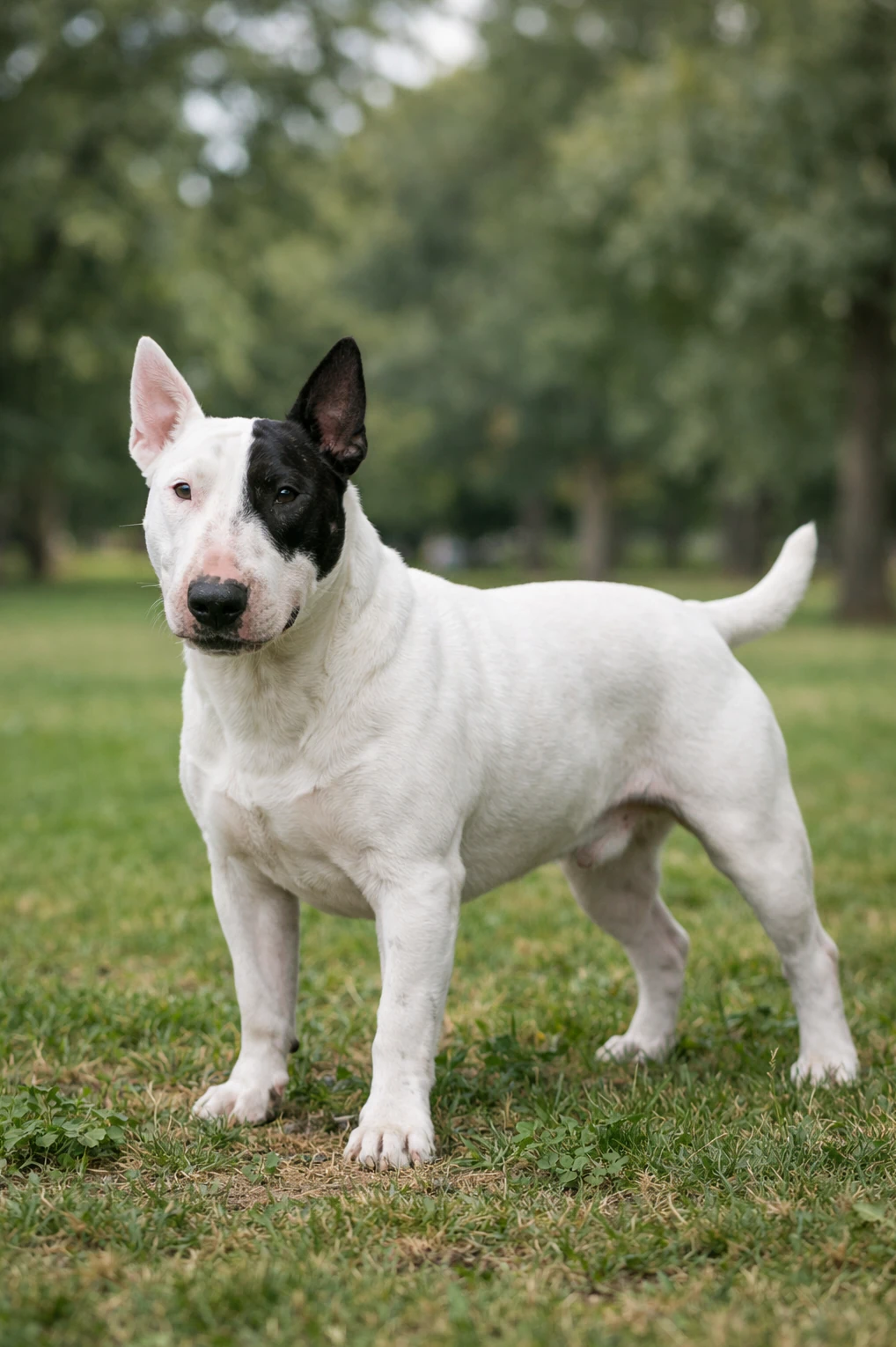
Medium-sized Airedale, about 23 inches tall and 50 to 70 pounds, is sociable, bold and bright. Nutritional verdict: a high-quality, protein-rich diet with balanced fats and fiber supports energy, coat and muscle health.

Understanding the Airedale Terrier Metabolism and Energy Needs
Bred to hunt and work, this terrier descends from dogs valued for stamina, quick feet and sharp problem solving. Its social, bold and quick-witted personality keeps it active and engaged, which affects daily nutritional needs.
A performance-oriented feeding plan favors higher quality animal protein to preserve lean muscle and support recovery after play and training. Healthy fats provide concentrated fuel for long bursts and help maintain a dense, water-resistant coat, sources like fish oil also support brain function. Complex carbohydrates in modest amounts offer steady energy without unnecessary weight gain.
Additions such as glucosamine and chondroitin help protect joints in an active body, while omega-3 fatty acids and vitamin E support coat quality and cognitive sharpness. B vitamins and antioxidants assist a fast metabolism and immune resilience. Tailoring portions to activity level keeps the dog fit and mentally satisfied.
Managing Airedale Terrier Genetic Health Risks Through Nutrition
Hip Dysplasia
Helpful nutrients
Ear Infections and Wax Buildup
Helpful nutrients
Dental Disease (tartar, gum health)
Helpful nutrients
Obesity and Weight Gain
Helpful nutrients
Airedale Terrier Feeding & Calorie Calculator
Estimated Daily Calories
Tip: Start with this amount and adjust after 2–3 weeks based on your dog's body condition and weight trend.
This estimate provides a starting point for feeding. Individual calorie needs may vary depending on metabolism, body condition, and health status. Always monitor your dog's weight and consult your veterinarian when adjusting diet.
Foods and Ingredients to Avoid for Airedale Terrier Dogs
Airedales can be prone to gaining extra weight, and high-fat foods from table scraps or fatty treats add calories quickly and easily.
Excess fat also raises the risk of pancreatitis, a painful and potentially serious condition that may require emergency care.
Keeping fat moderate and offering lean protein helps protect their joints and hips, especially if hip dysplasia is a concern.
Talk with your veterinarian about appropriate fat levels and portion sizes for your dog's life stage.
Because many Airedales are active yet some easily gain weight, extra calories from frequent treats or free feeding can lead to overweight and added stress on the hips and spine.
Carrying extra pounds can worsen hip discomfort and raise the chance of joint problems later in life.
Use measured meals and low-calorie treats, and count treats as part of the daily calorie allowance.
Small, nutritious rewards work well for training without contributing to unwanted weight gain.
Hard bones and large rawhide chews can splinter or break into sharp pieces that injure the mouth or digestive tract, which is a real risk for a strong-jawed breed like the Airedale.
These fragments can cause choking, perforations, or intestinal blockages that require emergency veterinary surgery.
Choose veterinarian-approved chew toys or digestible alternatives sized for a 50 to 70 pound dog, and always supervise chew sessions.
If you prefer real bone treats, discuss safe options and preparation with your veterinarian.
Airedale puppies need balanced nutrition tailored to their growth rate, because too much calcium or free-form mineral supplements can interfere with normal bone development.
Over-supplementation during the rapid growth phase is linked to skeletal problems and can contribute to hip issues later on.
Avoid giving adult-formulated foods, bone meal, or extra-calcium supplements to growing pups unless your veterinarian recommends them.
Use breed-appropriate puppy formulas and monitor growth and weight with your vet's guidance.
All forms of onions, garlic, chives, and leeks contain compounds that damage red blood cells and can cause anemia, sometimes after surprisingly small amounts.
An Airedale's size might change the exact amount that causes harm, but it is safest to keep these ingredients completely out of their diet.
This warning covers raw, cooked, powdered, and powdered-seasoning forms used in many human dishes.
Always check ingredient lists before sharing food and avoid flavored treats that list these items.
Xylitol is an artificial sweetener often found in sugar-free gum, mints, some peanut butters, and baked goods, and it causes a dangerous, rapid drop in blood sugar in dogs together with potential liver damage.
Even small amounts can be life-threatening for a medium-sized dog like an Airedale.
Avoid any product listing xylitol or similar artificial sweeteners and choose unsweetened, dog-safe treats instead.
If you suspect your dog ate something with xylitol, contact your veterinarian or an emergency clinic right away.
How Nutritional Needs Change Throughout the Airedale Terrier Life Stages
Dogs need different nutrition at each life stage, from puppyhood through adulthood to senior years. Airedale Terriers, as large, active and clever dogs, have specific needs that change as they grow. Growth rate, activity level, and breed health tendencies such as hip dysplasia and ear care affect the best diet, so portion sizes, nutrient balance, and feeding frequency should be adjusted to support healthy development and lifelong wellbeing.
| Life Stage | Age Range | Primary Objective | Key Nutrient Focus |
|---|---|---|---|
| Puppy | 0–15 months | controlled skeletal development, immune support, brain development | DHA, balanced calcium/phosphorus, high-quality protein |
| Adult | 1.5–6 years | lean muscle maintenance and sustained energy | high-quality protein, omega-3 fatty acids, fiber |
| Senior | 6+ years | joint mobility, metabolic health, and cognitive support | glucosamine, chondroitin, antioxidants, lower calories |
Airedale puppies grow steadily and may reach near adult height by about twelve to eighteen months, with muscle and bone maturing over the first two years. As a large, active terrier, controlled growth is important to protect developing joints.
Feed a large-breed puppy formula with moderate calories and a balanced calcium to phosphorus ratio, and avoid excess calcium and rapid weight gain. Frequent small meals help steady energy, starting with three to four meals daily and moving to two by adulthood.
Focus on high quality protein for muscle growth, DHA for brain development, essential fats for energy and a healthy coat, and appropriate vitamins and minerals. Keep an eye on weight and watch for early signs of hip issues or ear and dental care needs.
Adult Airedales are energetic, clever dogs that need a diet supporting steady energy and lean muscle. Aim for high quality animal protein to preserve muscle mass, paired with moderate healthy fats for sustained activity.
Because many Airedales are very active, caloric needs will vary, so adjust portions to body condition and activity level rather than feeding a fixed amount. Include omega-3 fatty acids for skin and coat health and to support joint comfort, plus easily digestible carbohydrates for fuel.
Maintain regular meal times, brush teeth often, and keep up ear checks since good hygiene helps overall wellbeing. Monitor weight closely, as excess pounds put strain on hips, and discuss tailored feeding plans with your veterinarian.
Senior Airedales often slow down and may need fewer calories as metabolism and activity decline, yet they still require good protein to preserve muscle mass. Use highly digestible, quality protein sources and consider slightly reduced fat and total calories if your dog gains weight.
Support joints with omega-3 fatty acids and supplements like glucosamine and chondroitin to help mobility, especially if hip dysplasia is a concern. Antioxidants such as vitamin E and natural polyphenols support aging cells and immune health, while added fiber can ease digestion.
Pay attention to dental health, ear care and regular weight checks, and work with your veterinarian to tailor caloric needs and any prescription diets for kidney or other age-related issues.
Kibble vs Fresh vs Raw for Airedale Terrier
Different feeding models suit different lifestyles and activity levels. Airedales are active, clever, and benefit from diets that support muscle, joints, and coat health.
Pros
- Convenient and easy to portion for busy owners.
- Formulations often include joint support for medium to large active dogs.
- Dry texture helps reduce tartar buildup on teeth.
- Shelf stable and typically more affordable over time.
Cons
- Some formulas contain fillers that add unnecessary calories.
- Lower moisture content may not suit thirstier dogs.
- Portion control is essential to prevent weight gain.
- Less customizable for ingredient sensitivities or picky eaters.
Pros
- Highly palatable, great for picky Airedales.
- Higher moisture supports digestion and healthy hydration.
- Easy to tailor for allergies and ingredient preferences.
- Fresh ingredients can promote a healthier coat and skin.
Cons
- Requires time and planning to ensure nutritional balance.
- Generally more expensive than kibble long term.
- Needs refrigeration and meal prep commitment.
- May require vet or nutritionist guidance for supplements.
Pros
- High protein and fat often match an active Airedale's needs.
- Some owners report shinier coats and increased energy.
- Unprocessed ingredients can be very palatable.
- Appropriately sized bones may support dental health through chewing.
Cons
- Risk of bacterial contamination without strict hygiene.
- Balancing calcium and other nutrients requires careful planning.
- Whole bones can be hazardous if not properly sized.
- Not ideal for homes with immunocompromised people without precautions.
| Diet Type | Pros for Airedale Terrier | Potential Downsides |
|---|---|---|
| High-Quality Kibble |
|
|
| Fresh Cooked Food |
|
|
| Raw Diet (BARF) |
|
|
Our Recommendation
For most Airedales, a high quality kibble or a carefully planned fresh cooked diet provides reliable nutrition that supports activity and joint health.
Raw feeding can work for experienced owners who manage hygiene and balance, but discuss plans with your veterinarian first.
See Also
Breeds with similar group, size, and coat characteristics