Best Dog Food for Wire Fox Terrier in 2026Based on Nutritional Science
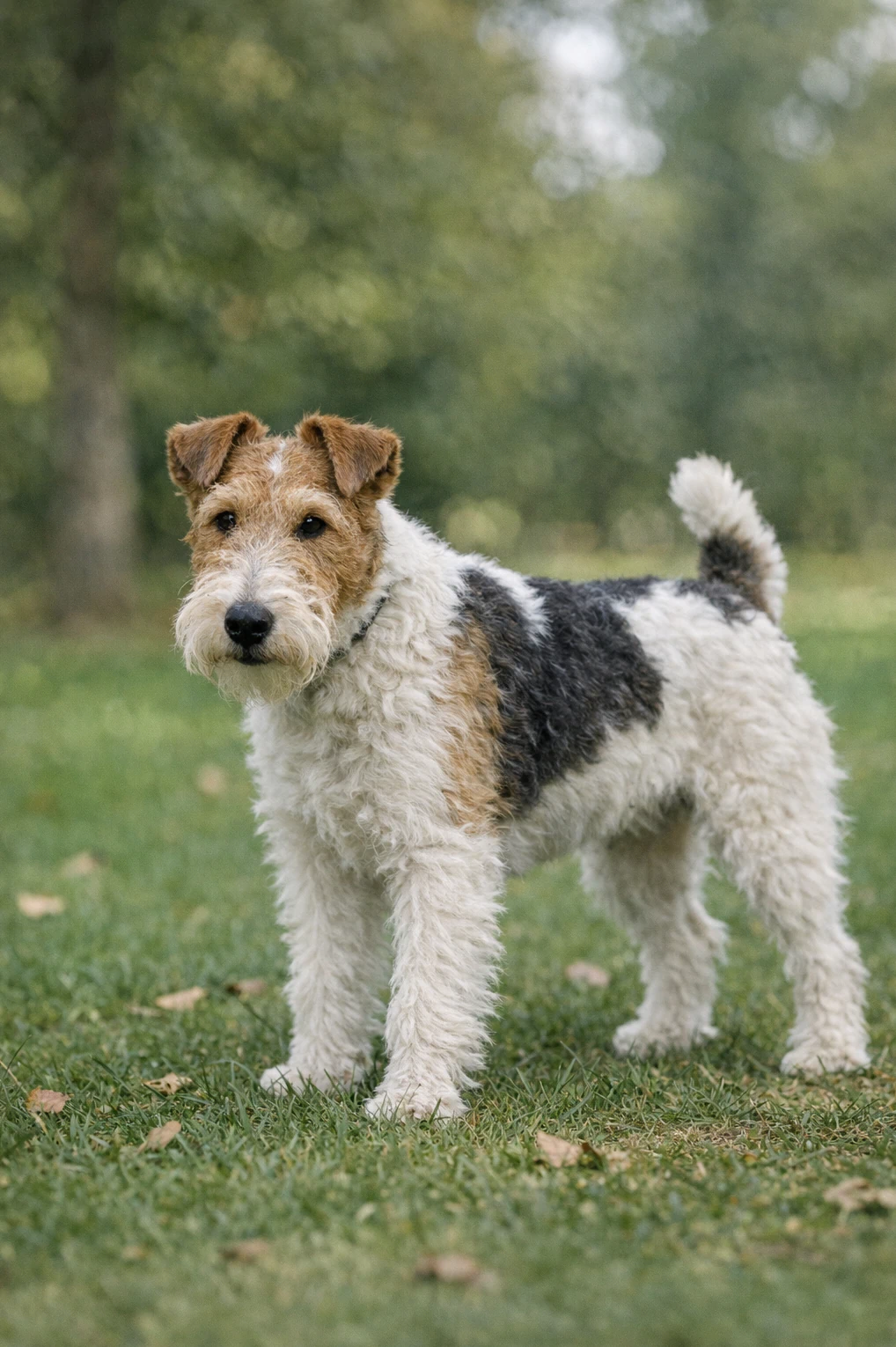
Compact and lively, the Wire Fox Terrier stands about 15.5 inches and weighs roughly 18 pounds, with a vigilant, self-assured, and sociable personality. Nutritional Verdict: needs a high-quality, active-dog diet.
Understanding the Wire Fox Terrier Metabolism and Energy Needs
This fox terrier type descends from dogs trained to bolt into burrows and root out small game, so short, intense activity and quick recovery are built into its physiology. That heritage makes maintaining lean muscle and fast energy delivery key to their day to day nutrition.
A diet centered on high quality animal protein, such as chicken, lamb, or fish, helps preserve strength and supports their bold, energetic temperament. Moderate healthy fats provide concentrated fuel between bursts of activity and nourish the skin and wire coat, so adding fish oil for omega 3s is beneficial.
Complex, low glycemic carbohydrates like sweet potato or brown rice give steady fuel without promoting excess weight in this compact body. Small, calorie dense meals and targeted supplements, for example glucosamine for joints and probiotics for gut health, help keep these sociable, vigilant dogs well balanced.
Managing Wire Fox Terrier Genetic Health Risks Through Nutrition
Patellar Luxation
Helpful nutrients
Hip Dysplasia
Helpful nutrients
Eye Problems (Cataracts, Lens Luxation)
Helpful nutrients
Allergies & Skin Sensitivity
Helpful nutrients
Dental Disease
Helpful nutrients
Obesity
Helpful nutrients
Seizures / Epilepsy
Helpful nutrients
Wire Fox Terrier Feeding & Calorie Calculator
Estimated Daily Calories
Tip: Start with this amount and adjust after 2–3 weeks based on your dog's body condition and weight trend.
This estimate provides a starting point for feeding. Individual calorie needs may vary depending on metabolism, body condition, and health status. Always monitor your dog's weight and consult your veterinarian when adjusting diet.
Foods and Ingredients to Avoid for Wire Fox Terrier Dogs
Wire Fox Terriers are small and active, but that size also means they can gain weight quickly if given too much fat.
High-fat foods and fatty table scraps raise the risk of pancreatitis and unwanted weight gain, which can strain their joints and make them less spry.
Focus on lean protein and controlled portions, and reserve fatty treats for very rare occasions, so your terrier keeps its energy without the health risks.
Bones that have been cooked can splinter easily, creating sharp pieces that might choke a small dog or puncture the digestive tract.
Even though terriers love to chew, these hazards can lead to emergency surgery or serious blockages for an 18 pound pet.
Avoid giving cooked bones entirely, and choose vet-approved chews or durable toys instead, supervising play so chewing stays safe and satisfying.
Certain human foods are toxic to dogs, and a little goes a long way for a small breed like the Wire Fox Terrier.
Chocolate, grapes and raisins, onions, garlic, and anything sweetened with xylitol can cause vomiting, organ damage, or life-threatening reactions even in small amounts.
Keep these items out of reach, teach family and guests not to share human snacks, and contact your vet immediately if you suspect ingestion.
Many terriers are sensitive to additives, and artificial preservatives, colors, or strong flavors can trigger skin irritation or digestive upset.
Ingredients like synthetic colorings and some preservative blends may worsen itching, flaky skin, or chronic stomach trouble in sensitive dogs.
Choose diets with simple, natural preservation and monitor coat and digestion after diet changes, discussing persistent issues with your veterinarian.
Some grain-free diets rely heavily on peas, lentils, and other legumes as protein and carbohydrate sources, and these formulas have been linked in studies to heart concerns in certain dogs.
While the connection is still being studied, small breeds can be vulnerable to dietary imbalances that affect taurine and heart health.
Talk to your vet before choosing a legume-heavy grain-free food, and prioritize brands that show balanced nutrition and cardiac health testing.
Because this breed is small, it needs fewer calories than larger dogs, so treats and human food can quickly push it over the daily limit.
Regularly sharing table scraps or high-calorie treats can lead to obesity, which burdens the back and joints and reduces the terrier's lively temperament.
Use measured, low-calorie rewards, factor treats into daily calorie goals, and offer healthy, portion-controlled snacks to keep your dog fit and happy.
How Nutritional Needs Change Throughout the Wire Fox Terrier Life Stages
Dogs need different nutrition at puppyhood, adulthood, and senior years, because each stage supports different growth, energy and repair needs. For a Wire Fox Terrier, size, brisk growth as a small breed puppy, high activity, and breed traits like confidence and a wiry coat shape those requirements. Tailoring food to life stage helps them thrive.
| Life Stage | Age Range | Primary Objective | Key Nutrient Focus |
|---|---|---|---|
| Puppy | 0–10 months | controlled skeletal development, immune support, brain development | DHA, balanced calcium/phosphorus, high-quality protein |
| Adult | 10 months–8 years | lean muscle maintenance and sustained energy | high-quality protein, omega-3 fatty acids, fiber |
| Senior | 8+ years | joint mobility, metabolic health, and cognitive support | glucosamine, chondroitin, antioxidants, lower calories |
Wire Fox Terrier puppies grow relatively quickly to reach their small adult size, with a focused period of skeletal and muscle development in the first several months. Because they pack a lot of energy into a small frame, controlled calories and appropriate feeding frequency help steady growth and prevent excess weight that stresses bones and joints. Feeding smaller, frequent meals three to four times a day supports steady energy and digestion while protecting developing teeth.
High quality animal protein is essential for building lean muscle, while balanced calcium and phosphorus support healthy bone formation without oversupplementing. DHA supports brain and vision development, and omega 3 fatty acids can help skin and coat health for a wiry coat. Monitor portion sizes closely, and talk to your vet about pacing so your terrier grows strong and playful.
Adult Wire Fox Terriers are lively and need diets that support steady energy and lean muscle. A diet with high quality protein and moderate fat helps maintain muscle mass and meet their high activity needs without excess calories. Because small dogs have fast metabolisms, choose calorie-dense kibble in smaller portions, or feed measured meals to avoid overfeeding.
Include complex carbohydrates and fiber for digestive regularity, plus essential fatty acids for skin and coat health. Keep treats modest, and adjust intake for spay or neuter status and day-to-day activity levels. Regular weight checks, combined with daily walks and play, help you fine tune portions and keep your terrier fit and confident.
As Wire Fox Terriers enter their senior years, metabolism often slows and activity levels typically decline, which can lead to small but meaningful weight gain if portions are not adjusted. Digestion may become less efficient and dental wear can make hard kibble harder to manage, so consider softer or moistened foods and modest portion reductions to match lower energy needs. Maintain good protein to preserve muscle, even if calories are lowered.
Support joint health with omega 3 fatty acids and vet-recommended supplements like glucosamine and chondroitin, and include antioxidants such as vitamin E and plant polyphenols to help cellular health. Gentle exercise, routine weight checks, and regular dental care keep mobility and appetite in better shape, and your veterinarian can recommend specific formula changes based on any age-related health concerns.
Kibble vs Fresh vs Raw for Wire Fox Terrier
Different feeding models suit different lifestyles and dog personalities. For a Wire Fox Terrier, consider energy level, grooming needs, and sensitivity to portion size and ingredients.
Pros
- Convenient and easy to portion for busy owners.
- Consistent balanced nutrition supports high activity levels.
- Crunching can help reduce tartar on teeth.
- Often affordable for regular feeding and treats.
- Available formulas for small, active breeds.
Cons
- Can be calorie dense, risking weight gain if not portioned.
- Lower moisture may not satisfy dogs that drink little water.
- Some formulas include fillers or additives that irritate sensitive skin.
- Less appealing for picky Wire Fox Terriers compared with fresh food.
Pros
- Highly palatable for picky, energetic terriers.
- High moisture supports digestion and hydration.
- Full control over ingredients helps manage allergies.
- Can support coat health with quality fats and proteins.
Cons
- More time consuming and requires regular meal prep.
- Usually more expensive than kibble long term.
- Needs careful balancing of vitamins and minerals.
- Fresh meals must be refrigerated, complicating travel or outings.
Pros
- High protein mirrors ancestral diet for energetic terriers.
- Some owners report improved coat shine and energy.
- Minimal processing preserves natural nutrients.
- Can be portioned to match activity and lean muscle needs.
Cons
- Requires strict hygiene to avoid bacterial risks for dogs and people.
- Small bones can pose choking or dental hazards for this small breed.
- Balancing calcium and nutrients is complex without expert guidance.
- May not be safe for homes with young children or immunocompromised people.
- Higher ongoing cost and freezer storage needs.
| Diet Type | Pros for Wire Fox Terrier | Potential Downsides |
|---|---|---|
| High-Quality Kibble |
|
|
| Fresh Cooked Food |
|
|
| Raw Diet (BARF) |
|
|
Our Recommendation
Many owners find high-quality kibble fits busy households while providing balanced nutrition for active Wire Fox Terriers.
Fresh cooked food suits owners focused on coat health and picky eaters, with careful balancing. Raw diets can work but require veterinary guidance and strict hygiene.
See Also
Breeds with similar group, size, and coat characteristics