Best Dog Food for Welsh Terrier in 2026Based on Nutritional Science
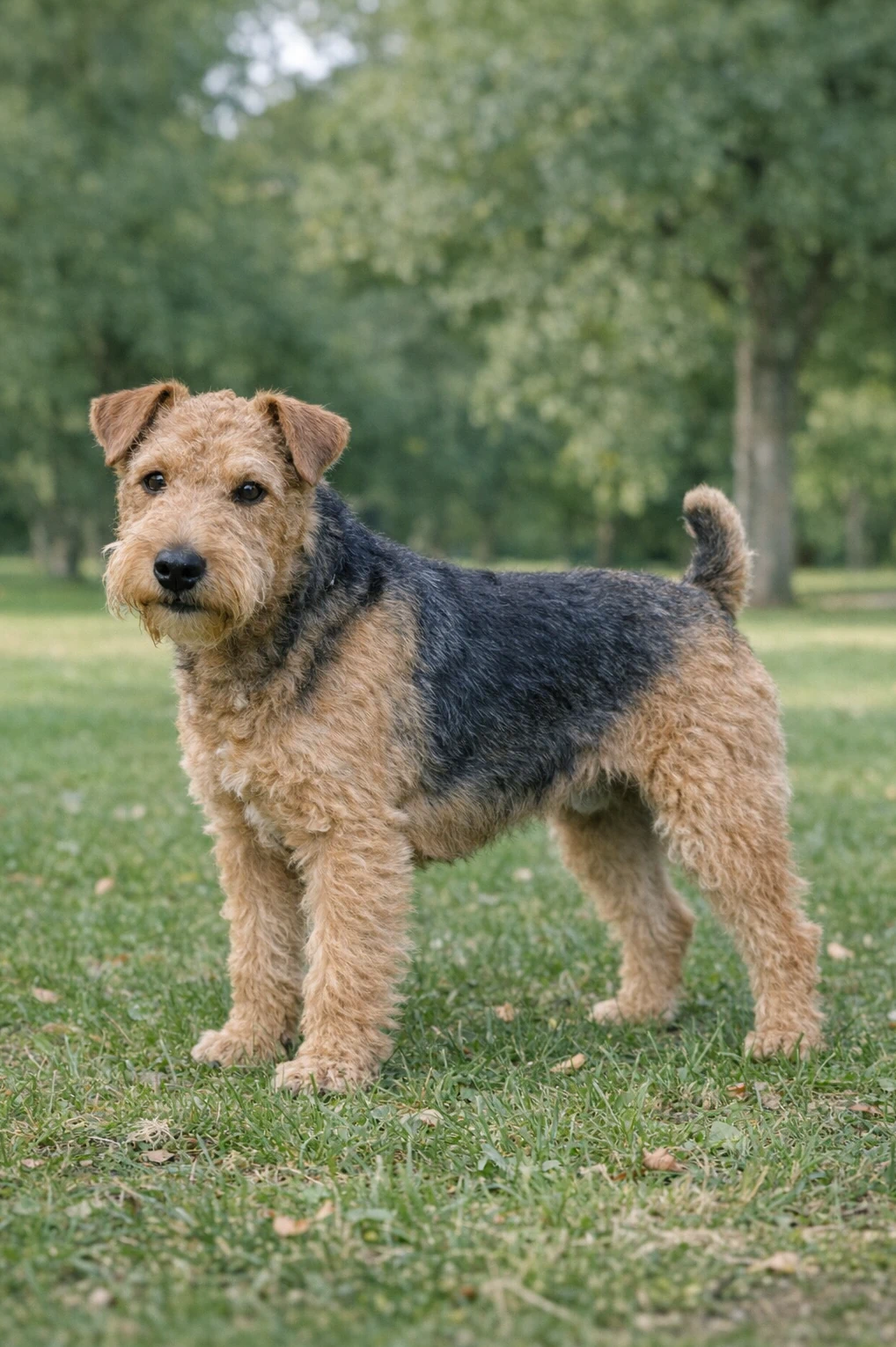
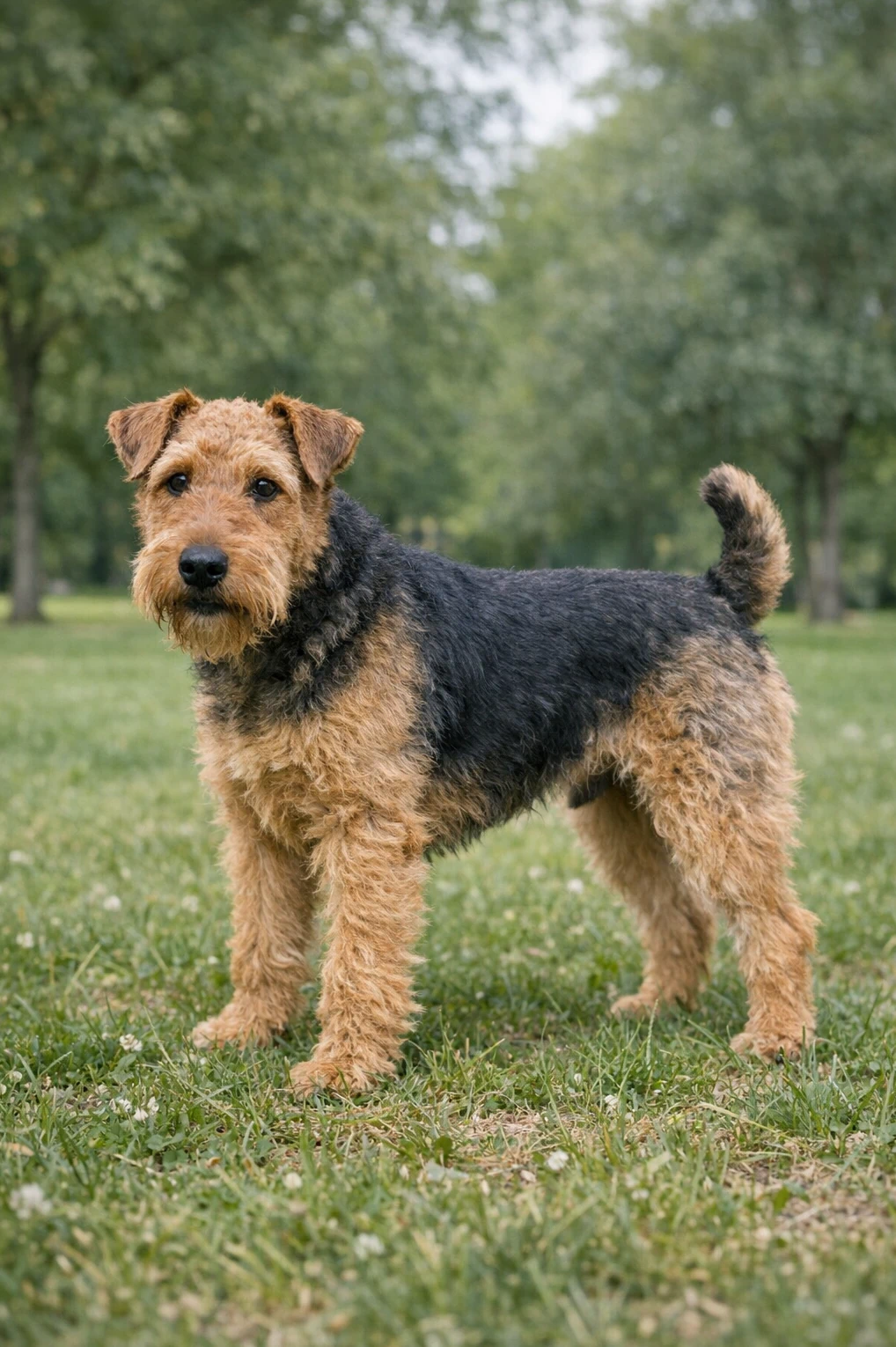
Compact and sturdy, the Welsh Terrier stands about 15 inches tall and weighs roughly 20 pounds. Clever, sociable, and lively, it benefits from a balanced, protein-rich diet to maintain energy and lean muscle.
Understanding the Welsh Terrier Metabolism and Energy Needs
Descended from British earth-working stock, these compact, wiry companions were bred to chase and confront small prey. That background calls for a diet that sustains lean muscle, sharp thinking, and lively drive.
High quality animal protein is essential to maintain muscle mass and support quick mental responses, so aim for a protein-forward formula. Moderate healthy fats provide steady stamina and nourished skin and coat, with long-chain omega-3 fatty acids offering cognitive and anti-inflammatory benefits. Low to moderate complex carbohydrates supply controlled energy and fiber for gut health. Joint-building supplements such as glucosamine and chondroitin help active joints, while probiotics and antioxidants support digestion and immune resilience. Tailoring meals this way mirrors their working past and keeps them energetic, alert, and comfortable in daily life.
Managing Welsh Terrier Genetic Health Risks Through Nutrition
Allergies
Helpful nutrients
Hip Dysplasia
Helpful nutrients
Legg-Calve-Perthes Disease
Helpful nutrients
Overweight / Obesity
Helpful nutrients
Welsh Terrier Feeding & Calorie Calculator
Estimated Daily Calories
Tip: Start with this amount and adjust after 2–3 weeks based on your dog's body condition and weight trend.
This estimate provides a starting point for feeding. Individual calorie needs may vary depending on metabolism, body condition, and health status. Always monitor your dog's weight and consult your veterinarian when adjusting diet.
Foods and Ingredients to Avoid for Welsh Terrier Dogs
Welsh Terriers can be prone to gaining extra pounds, and at about 20 pounds, excess fat adds stress to their joints and overall health.
High-fat table scraps, fatty cuts of meat, and rich human foods can quickly push them into overweight, which increases the risk of joint problems and makes everyday activity harder.
Keep treats small and choose lean proteins and vet-approved snacks, and limit fatty human foods.
Monitoring calories helps keep their weight steady and protects their hips and long-term mobility.
Chocolate, coffee, tea, and other sources of caffeine contain substances that are toxic to dogs and especially risky for smaller breeds like the Welsh Terrier.
Even modest amounts can cause vomiting, restlessness, an elevated heart rate, tremors, or worse, and the effects are more pronounced in a 20-pound dog.
Store sweets out of reach and teach family members not to share caffeinated treats.
If your dog consumes any chocolate or coffee, contact your veterinarian or an emergency clinic right away.
Grapes, raisins, and currants can cause unpredictable kidney damage in dogs, and small breeds can be affected by surprisingly small amounts.
Because you cannot reliably predict how any individual dog will react, it is safest to avoid these fruits entirely and keep them well out of reach.
If accidental ingestion occurs, seek veterinary advice promptly so they can assess the risk and decide whether treatment is needed.
Prevention is the best protection for a long and healthy life.
Onions, garlic, chives, and related foods can damage red blood cells and lead to anemia in dogs, with cooked or powdered forms sometimes concentrating the harmful compounds.
Welsh Terriers, like other breeds, are vulnerable to this effect and small dogs can show signs of weakness or pale gums more quickly than larger dogs.
Avoid feeding any meals or snacks seasoned with these ingredients and watch ingredient lists on processed foods.
If you suspect your dog ate any quantity, call your veterinarian for guidance.
Some Welsh Terriers are prone to skin sensitivities and mild allergies, so it is wise to steer clear of foods loaded with artificial preservatives, colors, and flavorings.
Ingredients like BHA, BHT, and artificial dyes can sometimes worsen itchiness, digestive upset, or skin flare ups in sensitive dogs.
Choosing higher quality diets with natural preservation and simple ingredient lists can reduce the chance of reactions and help maintain a healthy coat and comfortable skin.
Because responsible breeders screen for hip dysplasia and Legg-Calve-Perthes, controlled skeletal development is important for Welsh Terriers.
Feeding rich, unbalanced homemade diets or too much calcium during puppyhood can interfere with proper bone growth and contribute to orthopedic issues later on.
If you prefer home-prepared meals, work closely with your veterinarian or a veterinary nutritionist to create a balanced plan.
That way you can support healthy growth without risking joint or skeletal problems.
How Nutritional Needs Change Throughout the Welsh Terrier Life Stages
Dogs need different nutrition at puppyhood, adulthood, and senior years, and Welsh Terriers are no exception. Their spirited, small-breed growth and activity level shape calorie and nutrient needs, while breed tendencies like allergies, hip dysplasia, and Legg-Calve-Perthes influence diet choices. Tailoring food by life stage supports growth, energy, and long-term joint and skin health.
| Life Stage | Age Range | Primary Objective | Key Nutrient Focus |
|---|---|---|---|
| Puppy | 0–10 months | controlled skeletal development, immune support, brain development | DHA, balanced calcium/phosphorus, high-quality protein |
| Adult | 10 months–8 years | lean muscle maintenance and sustained energy | high-quality protein, omega-3 fatty acids, fiber |
| Senior | 8+ years | joint mobility, metabolic health, and cognitive support | glucosamine, chondroitin, antioxidants, lower calories |
Welsh Terrier puppies grow into lively, compact adults, usually reaching near full size within their first year, so feeding supports steady, not rushed, growth. Their skeletal development benefits from balanced calcium and phosphorus levels and high quality protein to build lean muscle, while controlled calories help avoid excess weight that stresses young joints. Puppies do well with three to four small meals a day to match their spirited energy and steady glucose levels, and including DHA and antioxidants supports brain and immune development.
Because Welsh Terriers can have hip concerns and Legg-Calve-Perthes risk, avoid overfeeding and rapid weight gain, and work with your vet on portion sizes. Many Welsh puppies are hardy, but if you notice skin or allergy signs choose limited ingredient recipes and monitor growth milestones closely.
Adult Welsh Terriers are compact and energetic, so their diet should focus on maintaining lean muscle and steady energy without excess calories. Moderate to high quality protein helps preserve muscle mass, while healthy fats provide fuel for play and help keep the wiry coat in good condition. Controlled carbohydrate sources and consistent mealtimes support their spirited lifestyle and steady energy levels.
Portion control and regular exercise are key to prevent weight gain that could stress hips, and choosing recipes mindful of common allergies can reduce skin and digestive issues. If your dog is especially active, slightly higher calories and joint-supporting nutrients can help sustain performance and comfort.
As Welsh Terriers age their metabolism often slows and they may lose muscle or become less active, so calorie needs can drop while protein needs stay high to preserve muscle. Senior diets should feature easily digestible proteins, more fiber for steady digestion, and increased omega-3 fatty acids plus joint-support supplements like glucosamine and chondroitin to support mobility. Antioxidants such as vitamins E and C help protect cells and support immune health as they get older.
Monitor weight, dental health, and stool quality, and adjust portions if mobility decreases to avoid extra strain on hips and joints. Regular vet checks are important, especially given breed risks like hip dysplasia and Legg-Calve-Perthes, so you can fine tune calorie intake and supplements to keep your Welsh comfortable and active.
Kibble vs Fresh vs Raw for Welsh Terrier
Different feeding models suit different lifestyles and health needs. For spirited, medium-sized Welsh Terriers, activity level, coat care, and allergy tendencies help guide the best choice.
Pros
- Convenient and easy to portion for busy owners.
- Consistent nutrition supports steady energy for active terriers.
- Some formulas help dental health through kibble texture.
- Special diets are available for allergies and joint support.
Cons
- Lower moisture content may not suit dogs that drink little.
- Some brands include fillers that can trigger sensitive skin.
- Calorie-dense formulas can lead to weight gain without portion control.
- Puppies with growth issues need carefully balanced formulas, avoiding excess calcium.
Pros
- Highly palatable, great for picky Welsh Terriers.
- High moisture supports digestion and skin health.
- Full control over ingredients helps avoid food sensitivities.
- Can be tailored for activity level and joint care.
Cons
- Requires careful planning to ensure complete nutrition.
- More time and cost for regular meal preparation.
- Needs supplementation for key minerals and vitamins.
- Refrigeration and prep reduce convenience for travel.
Pros
- High-protein option that many terriers find energizing.
- Some owners report improved coat texture and shine.
- Minimal processing preserves natural nutrients.
Cons
- Higher bacterial risk requires strict hygiene and handling.
- Raw bones can be hazardous for smaller or careless chewers.
- Imbalanced homemade plans can harm growing puppies' joints.
- Veterinary guidance and testing are essential for safe implementation.
| Diet Type | Pros for Welsh Terrier | Potential Downsides |
|---|---|---|
| High-Quality Kibble |
|
|
| Fresh Cooked Food |
|
|
| Raw Diet (BARF) |
|
|
Our Recommendation
For most Welsh Terriers, a high-quality kibble tailored for activity and skin sensitivity is a practical starting point.
Fresh cooked food suits owners who want ingredient control and can manage supplementation, while raw diets can work but need strict hygiene and professional oversight.
See Also
Breeds with similar group, size, and coat characteristics