Best Dog Food for Cairn Terrier in 2026Based on Nutritional Science
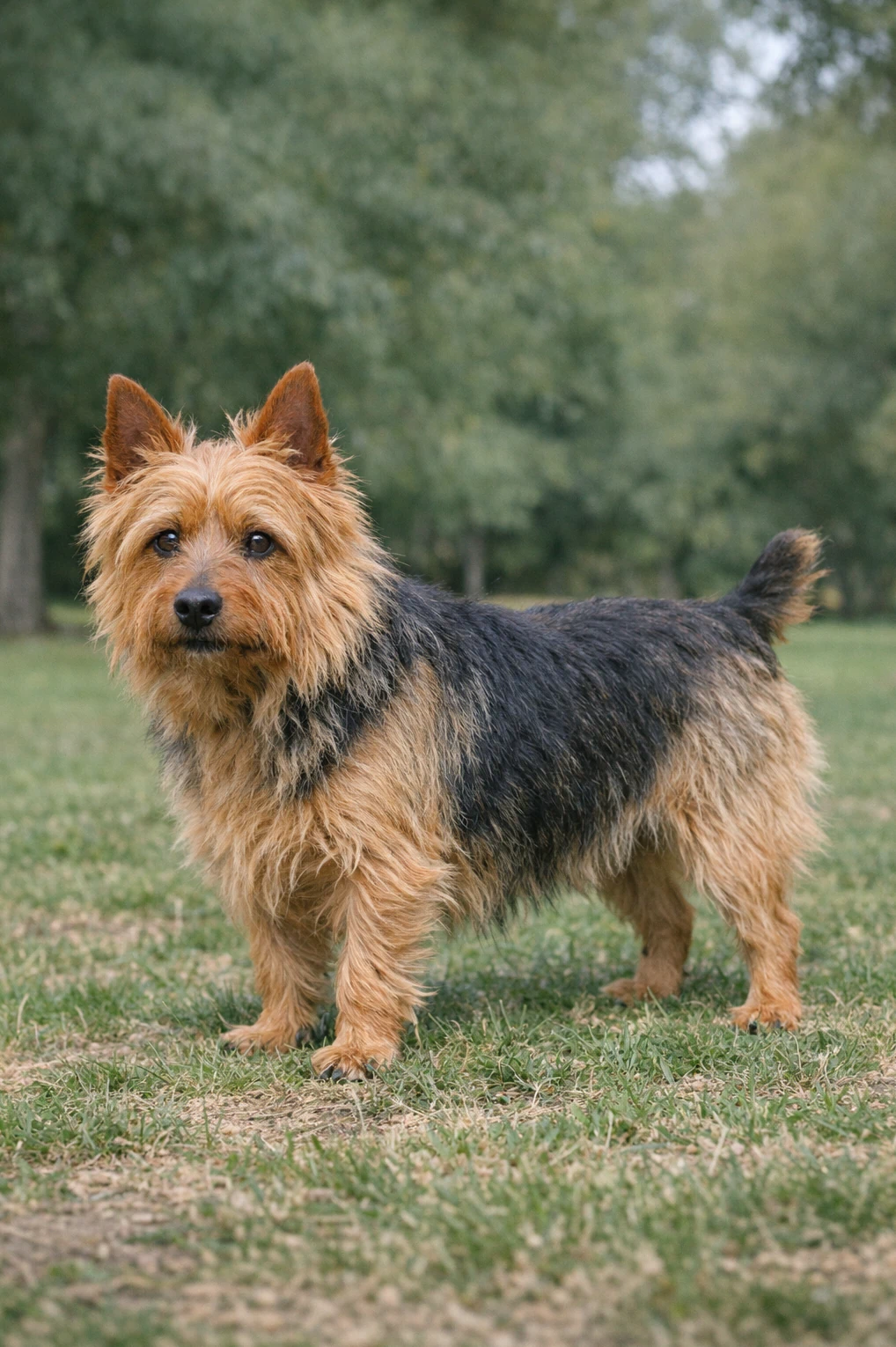
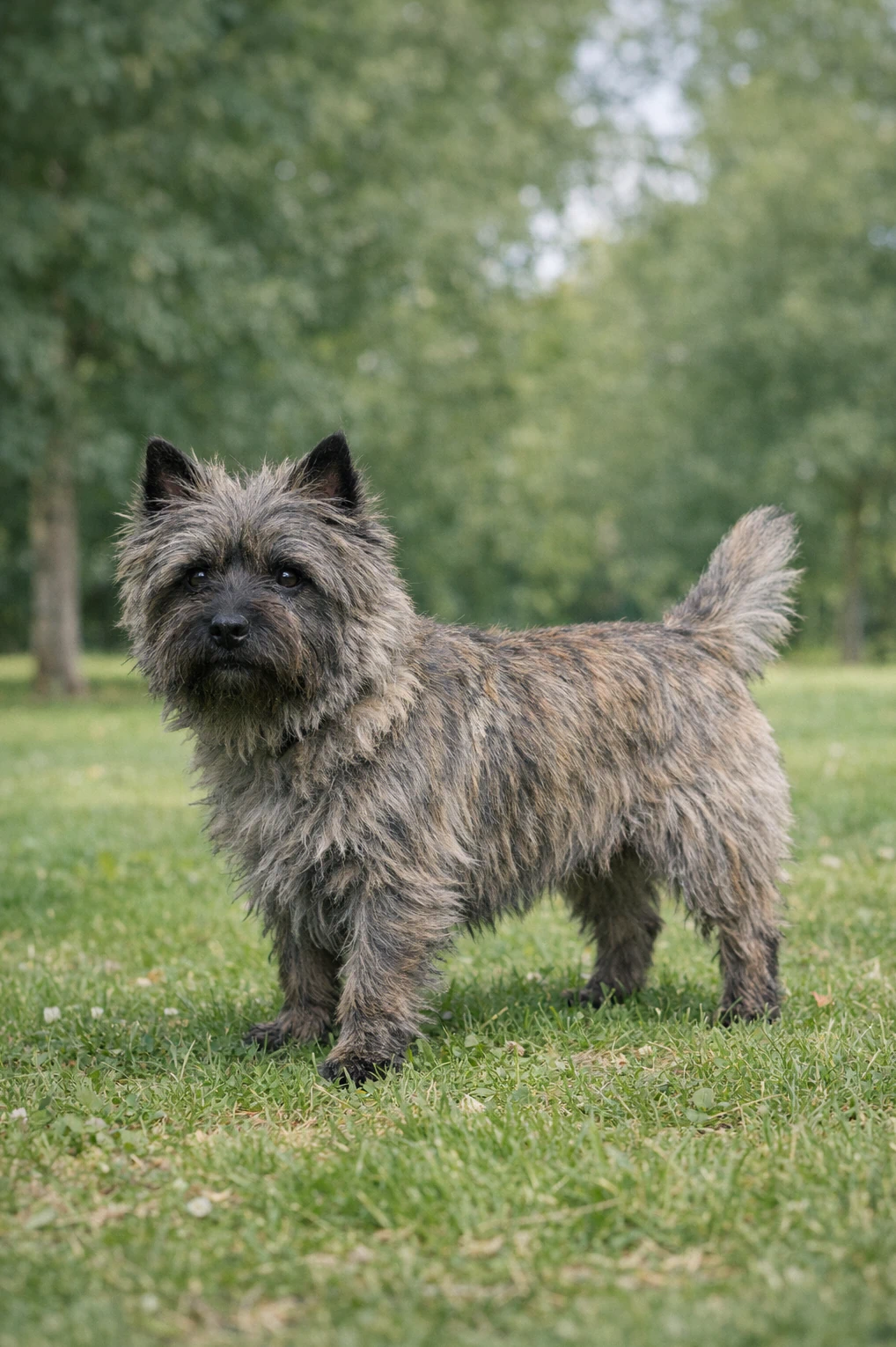
Cairn Terriers are compact: about 10 inches tall and 14 pounds. They’re lively, merry, and perpetually on the go. Nutritional verdict: feed a balanced, protein-focused diet with measured portions and regular treats.
Understanding the Cairn Terrier Metabolism and Energy Needs
This little, spirited earth dog was developed to root out prey and work independently, so its diet should support steady stamina and a quick metabolism. Lean muscle maintenance is essential, since agility and frequent bursts of activity rely on regular, high-quality protein.
Healthy fats provide sustained energy and a glossy coat, with omega oils helping skin and cognitive health as this type stays alert and joyful during long days. Easily digested carbohydrates and gentle fiber keep digestion regular without weighing them down between play sessions.
Because of compact bones and lively movement, joint-support nutrients such as glucosamine and chondroitin can be useful over time, while probiotics help prevent tummy upsets from a fast pace. A balanced formula with real meat first, moderate oils, and measured carbs helps keep weight steady and energy even for this playful companion.
Managing Cairn Terrier Genetic Health Risks Through Nutrition
Overweight / Obesity
Helpful nutrients
Nutrient deficiencies from home-prepared diets
Helpful nutrients
Gastrointestinal upset from unsafe or unfamiliar foods
Helpful nutrients
Life-stage nutritional imbalances (puppy, adult, senior)
Helpful nutrients
Cairn Terrier Feeding & Calorie Calculator
Estimated Daily Calories
Tip: Start with this amount and adjust after 2–3 weeks based on your dog's body condition and weight trend.
This estimate provides a starting point for feeding. Individual calorie needs may vary depending on metabolism, body condition, and health status. Always monitor your dog's weight and consult your veterinarian when adjusting diet.
Foods and Ingredients to Avoid for Cairn Terrier Dogs
Cairn Terriers are small dogs and can gain weight quickly, so high-fat foods and fatty table scraps are best avoided.
Excess fat adds empty calories and raises the risk of obesity, which can stress joints and lead to other health problems.
If a Cairn Terrier overeats fatty foods it can also trigger pancreatitis, a serious inflammation of the pancreas.
Stick to lean protein sources and measured portions, and talk with your vet before adding rich or calorie-dense foods to their diet.
Chocolate and anything containing caffeine are toxic to dogs, and a small Cairn Terrier needs only a small amount to feel the effects.
These ingredients affect the heart and nervous system, causing restlessness, vomiting, rapid breathing, and in severe cases seizures.
Because of their low body weight, even modest amounts of chocolate can be dangerous.
Keep sweets and caffeinated products well out of reach and educate family and guests about the risks.
Xylitol, found in many sugar-free gums, candies, peanut butter brands, and some baked goods, can cause a rapid, life threatening drop in blood sugar in dogs.
It may also produce liver damage, and small breeds like the Cairn Terrier are especially vulnerable because a tiny amount can have big effects.
Always check ingredient labels and avoid feeding products with xylitol. If you suspect ingestion, contact your veterinarian or an emergency clinic immediately.
Grapes, raisins, and currants can cause sudden kidney failure in dogs, and there is no known safe amount.
For a 14 pound Cairn Terrier, even a small handful could be harmful, so it is safest to avoid these fruits entirely.
Keep fruit bowls and baked goods containing dried grapes out of reach, and if accidental ingestion occurs seek veterinary care right away.
Fast action improves the chances of a good outcome.
Onions, garlic, chives, and leeks contain compounds that can damage red blood cells and lead to anemia in dogs.
This can happen with raw, cooked, powdered, or concentrated forms, so even small amounts in home-cooked meals or seasonings can be risky for a small breed.
Avoid feeding any dishes seasoned with alliums, and be careful with leftovers. If your dog shows weakness, pale gums, or lethargy after eating something suspect, contact your vet.
Cooked bones splinter easily and can puncture the digestive tract, while large or very hard chews can break teeth or cause choking, problems that are more serious in small dogs like Cairn Terriers.
Rawhides sometimes cause blockages if chewed into large pieces.
Choose appropriately sized, vet recommended chews and supervise chewing sessions.
If your dog swallows a large fragment or shows difficulty breathing, eating, or has persistent vomiting, seek immediate veterinary attention.
How Nutritional Needs Change Throughout the Cairn Terrier Life Stages
Dogs need different nutrition at puppyhood, adulthood, and their senior years. A Cairn Terrier’s small size, lively energy, and wiry coat shape those needs, and growth rate, activity level, and breed health tendencies guide what to feed at each stage. Puppies, adults, and seniors require different calories, feeding rhythms, and nutrient balances to support development, maintain muscle and coat, and manage aging gracefully.
| Life Stage | Age Range | Primary Objective | Key Nutrient Focus |
|---|---|---|---|
| Puppy | 0–10 months | controlled skeletal development, immune support, brain development | DHA, balanced calcium/phosphorus, high-quality protein |
| Adult | 10 months–8 years | lean muscle maintenance and sustained energy | high-quality protein, omega-3 fatty acids, fiber |
| Senior | 8+ years | joint mobility, metabolic health, and cognitive support | glucosamine, chondroitin, antioxidants, lower calories |
Cairn Terrier puppies grow quickly compared with large breeds, often reaching near-adult size by about nine to twelve months, so their skeletal and dental development finishes sooner. Provide a diet formulated for small-breed puppies that balances high-quality protein for lean muscle, and appropriate calcium and phosphorus for bone growth without oversupplementing.
Feed smaller, more frequent meals, three to four times daily while very young, moving to two or three by six months, to match their brisk metabolism and small stomachs. Include omega-3s for brain and coat health, and monitor weight closely since these lively, busy dogs can gain excess fat if overfed. Regular vet checks help tailor portions to individual growth and any breed-specific health notes.
Cairn Terriers are active, alert dogs that need steady energy to match their playful lifestyle. An adult diet should emphasize moderate to high-quality protein to preserve lean muscle, along with moderate fat for energy, and controlled calories to prevent weight gain. Consistent portion sizes and regular exercise help maintain muscle mass and stamina.
Because they are small, choose a small-breed adult formula with nutrient density and appropriately sized kibble to support dental health. Tailor feeding amounts to activity level, offering slightly more for very busy dogs and less if activity drops, and include omega fatty acids to support the wiry coat. Regular weight checks and occasional vet-guided adjustments keep their energy balanced without unnecessary extra calories.
As Cairn Terriers enter their senior years around seven to ten years, metabolism often slows and activity may drop, which can lead to weight gain if portions are not adjusted. Keep protein levels high enough to preserve muscle, while modestly reducing calories from fat or treats if daily activity decreases. Add joint-support nutrients such as glucosamine and chondroitin, and include omega-3 fatty acids to help with inflammation and mobility.
Seniors can develop more sensitive digestion and dental wear, so consider easily digestible proteins, increased fiber for gut health, and kibble sized for small mouths. Antioxidants like vitamins E and C, and ingredients that support brain health, can be helpful for aging bodies. Work with your vet to tune calories and supplements based on mobility, weight, and any breed-specific health monitoring.
Kibble vs Fresh vs Raw for Cairn Terrier
Different feeding models suit different lifestyles and dog personalities, so there is no single perfect choice.
For a busy, alert Cairn Terrier, consider activity level, coat condition, and how picky they are with food.
Pros
- Convenient and easy to portion for busy owners.
- Formulated for balanced nutrition for small, active breeds.
- Dry texture can help reduce tartar in small mouths.
- Long shelf life and travel-friendly for outdoor outings.
Cons
- Some formulas are calorie-dense, requiring strict portion control.
- Lower moisture content may not suit dogs that drink less.
- Ingredient quality varies, so label checks are necessary.
- Less novel flavor may not excite picky Cairns.
Pros
- Highly palatable, often loved by food-motivated Cairns.
- High moisture supports digestion and hydration for active dogs.
- You control ingredients, helpful for known sensitivities.
- Proper fats can support healthy skin and wiry coat texture.
Cons
- Requires careful balancing to avoid nutrient gaps.
- More time and ongoing cost than kibble.
- Needs refrigeration and consistent meal prep routines.
- Portioning errors can lead to weight gain in small breeds.
Pros
- High protein and low processing can suit active dogs.
- Many owners report improved coat sheen and energy.
- Raw meaty bones can satisfy chewing instincts and aid teeth.
- Minimal processing preserves some natural nutrients when handled safely.
Cons
- Strict hygiene is essential to prevent bacterial contamination.
- Small bones can pose choking or splintering risks for small dogs.
- Balancing calcium and phosphorus is challenging without guidance.
- Not ideal in homes with young children or immunocompromised people.
| Diet Type | Pros for Cairn Terrier | Potential Downsides |
|---|---|---|
| High-Quality Kibble |
|
|
| Fresh Cooked Food |
|
|
| Raw Diet (BARF) |
|
|
Our Recommendation
For most Cairn Terriers, high-quality kibble offers convenience, consistent nutrition, and easy portion control.
Fresh cooked food suits picky eaters or coat support, while raw diets may work but need strict hygiene and veterinary guidance.
See Also
Breeds with similar group, size, and coat characteristics