Best Dog Food for Miniature Schnauzer in 2026Based on Nutritional Science
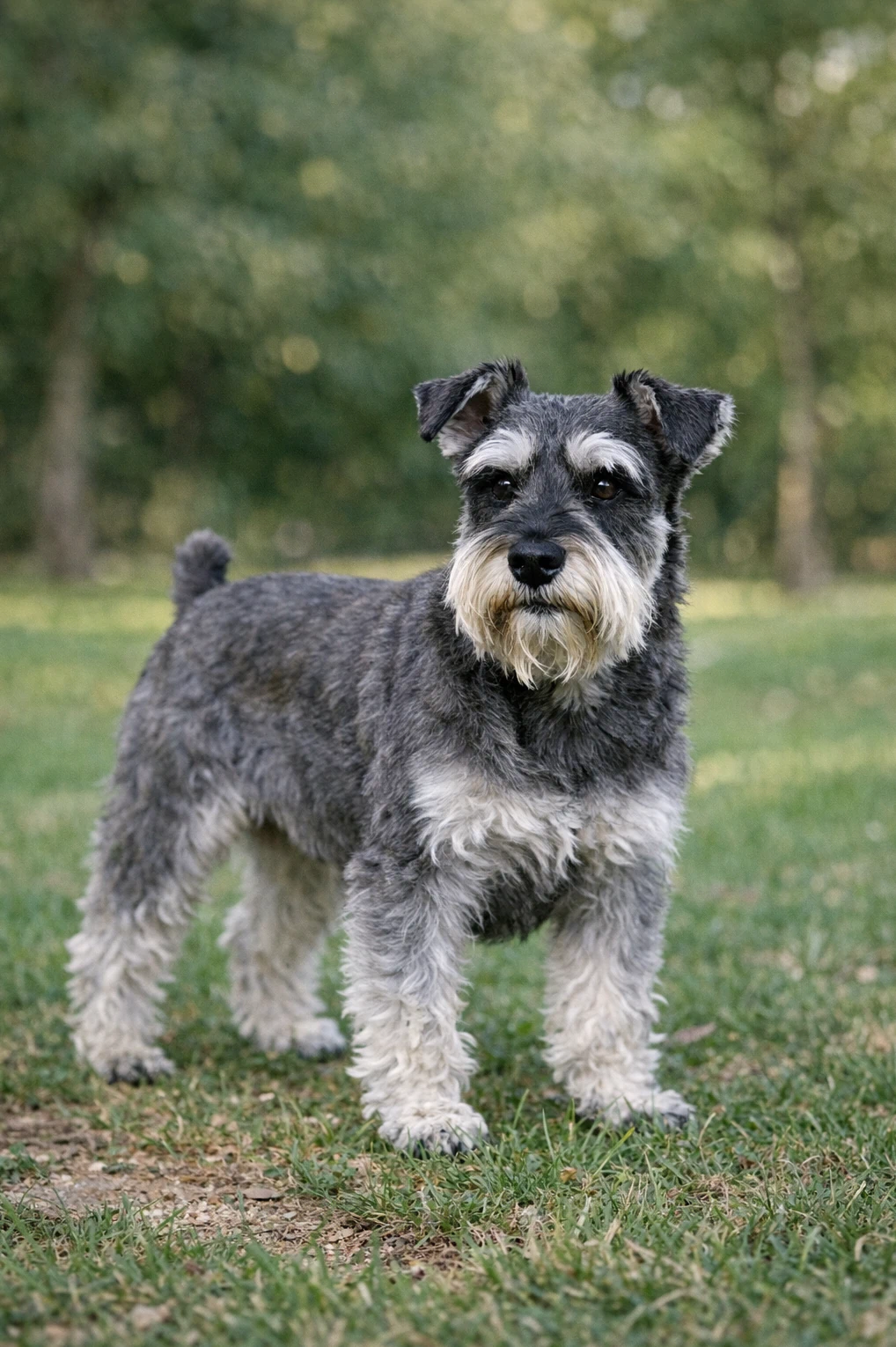
Miniature Schnauzers are compact at 12 to 14 inches tall and 11 to 20 pounds, sociable, clever, and well-mannered.
Nutritional Verdict: feed quality protein, balanced portions, and monitor weight for lasting health.
Understanding the Miniature Schnauzer Metabolism and Energy Needs
As a compact, bearded terrier companion bred to chase vermin and work closely with people, these dogs stay lively, curious, and highly trainable. Their sharp attention and regular bursts of activity make a diet that supports both lean muscle and steady mental focus important.
Lean, high quality protein helps maintain muscle and supports short, energetic play, so targeting about 28 to 32 percent protein from sources like chicken, lamb, or eggs makes sense. Moderate healthy fats, around 12 to 16 percent from fish oil and poultry fat, provide concentrated energy and keep skin and coat glossy without overloading the system.
Complex carbohydrates and soluble fiber, from sweet potato or brown rice, offer sustained fuel and help digestive regularity while limiting simple starches reduces unwanted weight gain. Adding omega-3s for skin and cognitive health and optional joint support like glucosamine rounds out a balanced plan for this small terrier type.
Managing Miniature Schnauzer Genetic Health Risks Through Nutrition
Cataracts
Helpful nutrients
Hyperlipidemia
Helpful nutrients
Pancreatitis
Helpful nutrients
Liver Shunts
Helpful nutrients
Urinary Stones
Helpful nutrients
Dental Disease
Helpful nutrients
Obesity
Helpful nutrients
Miniature Schnauzer Feeding & Calorie Calculator
Estimated Daily Calories
Tip: Start with this amount and adjust after 2–3 weeks based on your dog's body condition and weight trend.
This estimate provides a starting point for feeding. Individual calorie needs may vary depending on metabolism, body condition, and health status. Always monitor your dog's weight and consult your veterinarian when adjusting diet.
Foods and Ingredients to Avoid for Miniature Schnauzer Dogs
Miniature Schnauzers are prone to hyperlipidemia and pancreatitis, so high-fat foods like bacon, fried table scraps, and full-fat dairy are best avoided.
Even small amounts can trigger dangerous spikes in blood fats and cause painful pancreatic inflammation that may need emergency care.
If your Schnauzer has a history of high triglycerides or pancreatitis, follow a low-fat diet recommended by your veterinarian.
Choose lean proteins and measured treats to help protect their weight and long-term health.
Xylitol, commonly found in sugar-free gum, some peanut butters, and diet products, is highly toxic to dogs and can cause rapid hypoglycemia and liver failure.
Because Miniature Schnauzers are small, even tiny amounts can be life-threatening, so check labels carefully and keep these items well out of reach.
Other artificial sweeteners and sugar alcohols can upset digestion or cause unexpected reactions, so avoid human 'diet' foods for treats.
When in doubt, use vet-approved snacks that clearly list safe ingredients.
Table scraps and greasy treats are calorie-dense and high in fat, which can quickly push a Miniature Schnauzer toward obesity and increase the risk of pancreatitis.
Small breeds tend to gain weight more easily, and excess pounds put extra strain on joints and overall health.
Use small, measured training treats and avoid feeding from your plate, as a few bites each day add up.
If you enjoy sharing, ask your vet which simple human foods are safe in tiny portions.
Very hard bones, antlers, and dense frozen items can chip or fracture a Miniature Schnauzer's teeth, leading to painful dental issues that are especially concerning in this breed.
Dental care matters a lot, so avoid anything likely to damage teeth or lodge between them.
Small or brittle chews may also splinter and cause choking or intestinal blockages. Choose veterinarian-recommended dental chews or supervised, softer options designed for small dogs.
Some grain-free diets that rely heavily on peas, lentils, or other legumes have been associated with heart problems in certain dogs, so approach these formulations with caution.
Miniature Schnauzers do not automatically need a grain-free diet unless there is a medical reason, and drastic diet changes can unbalance essential nutrients.
Discuss any grain-free option with your veterinarian, especially for a small dog with metabolic or heart concerns.
A balanced formula from a reputable manufacturer is often a safer choice.
Miniature Schnauzers are predisposed to urinary stones, so diets or frequent treats very high in minerals, oxalates, or purine-rich organ meats can increase risk in susceptible dogs.
Excess sodium or concentrated mineral supplements may also affect urine concentration and promote stone formation.
Encourage plenty of fresh water and consult your vet if stones are a concern so they can recommend a diet that manages pH and mineral levels.
Avoid self-prescribed supplements or heavy bone-based snacks without professional guidance.
How Nutritional Needs Change Throughout the Miniature Schnauzer Life Stages
Miniature Schnauzers need different nutrition during puppyhood, adulthood, and their senior years. As a small, smart, and active breed, their needs shift with fast early growth, an adult activity rhythm, and later metabolic and dental changes. Breed tendencies such as hyperlipidemia, pancreatitis, and urinary stones also influence the ideal diet, along with each dog’s individual growth rate and activity level.
| Life Stage | Age Range | Primary Objective | Key Nutrient Focus |
|---|---|---|---|
| Puppy | 0–10 months | controlled skeletal development, immune support, brain development | DHA, balanced calcium/phosphorus, high-quality protein |
| Adult | 10 months–8 years | lean muscle maintenance and sustained energy | high-quality protein, omega-3 fatty acids, fiber |
| Senior | 8+ years | joint mobility, metabolic health, and cognitive support | glucosamine, chondroitin, antioxidants, lower calories |
Miniature Schnauzer puppies grow relatively quickly and reach adult size sooner than large breeds, so they benefit from nutrient-dense food that supports steady, balanced growth. Proper calcium and phosphorus ratios are important for healthy skeletal development, but avoid excessive calcium supplementation which can be harmful to small-breed pups. Their small stomachs mean you should offer three to four small meals a day until about six months, then slowly move to two meals.
Choose a puppy formula with high-quality protein for building muscle, DHA for brain and eye development, and essential fatty acids for skin and coat. Because this breed can be prone to hyperlipidemia and pancreatitis, pick formulas with moderate, controlled fats and avoid fatty table scraps. Start dental care early, use appropriately sized kibble, and watch weight so growth stays on a healthy track.
Adult Miniature Schnauzers do well on a balanced diet that maintains lean muscle and steady energy. Focus on high-quality animal protein, moderate healthy fats, and a sensible calorie level that matches your dog’s activity. Small breeds have higher metabolic rates per pound, so calorie density matters, but portions must be controlled to prevent unwanted weight gain.
Feed twice daily to stabilize blood sugar and reduce begging, and choose kibble sized for smaller mouths to encourage chewing. Because Miniature Schnauzers can be sensitive to high-fat meals and are at risk for pancreatitis and hyperlipidemia, keep dietary fat moderate and introduce any changes gradually. Regular dental care, consistent weight checks, and adjusting portions for very active or more sedentary dogs will help keep your schnauzer fit and happy.
As Miniature Schnauzers enter their senior years their metabolism often slows and they may lose muscle mass, while dental wear and digestive sensitivity can make eating harder. Calorie needs commonly decrease, so reduce total calories to prevent weight gain while maintaining adequate protein to preserve muscle. Offer softer or moistened food if dental issues make chewing uncomfortable, and keep meals smaller and easier to digest.
Support mobility and overall aging with joint-support nutrients like glucosamine and chondroitin, plus omega-3 fatty acids and antioxidants to help inflammation and cellular health. Because this breed has risks for urinary stones, hyperlipidemia, and pancreatitis, prioritize hydration, consider adding wet food to help dilute urine, and keep dietary fats moderate and from high-quality sources. Work with your veterinarian to tailor calorie, protein, and mineral levels to your dog’s changing health needs.
Kibble vs Fresh vs Raw for Miniature Schnauzer
Different feeding models suit different lifestyles and health needs. Miniature Schnauzers have breed-specific concerns like pancreatitis and urinary stones, so diet choice matters.
Pros
- Convenient and easy to portion for busy owners.
- Helps scrape tartar during chewing, supporting dental health.
- Consistent, balanced nutrition in each measured serving simplifies weight management.
- Low-fat formulas are available to help manage pancreatitis or hyperlipidemia risk.
Cons
- Some kibbles are calorie-dense, increasing obesity risk without strict portion control.
- Formulas with fillers or artificial additives can aggravate digestive sensitivity.
- Low moisture content may not suit dogs prone to urinary stones.
- Quality varies widely, so label reading and vet advice are important.
Pros
- Highly palatable, which suits picky Miniature Schnauzers.
- High moisture supports urinary health and easier digestion.
- You control fat levels to reduce pancreatitis or hyperlipidemia risk.
- Fresh ingredients let you choose lean proteins and appropriate portion sizes.
Cons
- Requires careful planning to ensure complete, balanced nutrition.
- Time and cost are higher than most kibble options.
- Lacks the chewing action that helps with dental tartar.
- Improper recipes can unintentionally increase stone or vitamin imbalances.
Pros
- Mimics ancestral eating, offering high-quality protein and fats.
- Some owners see improved coat condition and energy.
- No cooking preserves certain heat-sensitive nutrients.
- Can be portioned for a small breed's caloric needs.
Cons
- Higher bacterial contamination risk if hygiene and handling are not strict.
- Fatty raw mixes can trigger pancreatitis in susceptible Schnauzers.
- Whole bones pose choking or dental fracture risks for small dogs.
- Balancing minerals and vitamins is challenging without professional guidance.
| Diet Type | Pros for Miniature Schnauzer | Potential Downsides |
|---|---|---|
| High-Quality Kibble |
|
|
| Fresh Cooked Food |
|
|
| Raw Diet (BARF) |
|
|
Our Recommendation
For many Miniature Schnauzers, a vetted high-quality kibble or a carefully balanced fresh cooked plan works best.
Raw diets may suit some dogs, but they require strict hygiene and veterinary guidance.
See Also
Breeds with similar group, size, and coat characteristics