Best Dog Food for Australian Terrier in 2026Based on Nutritional Science
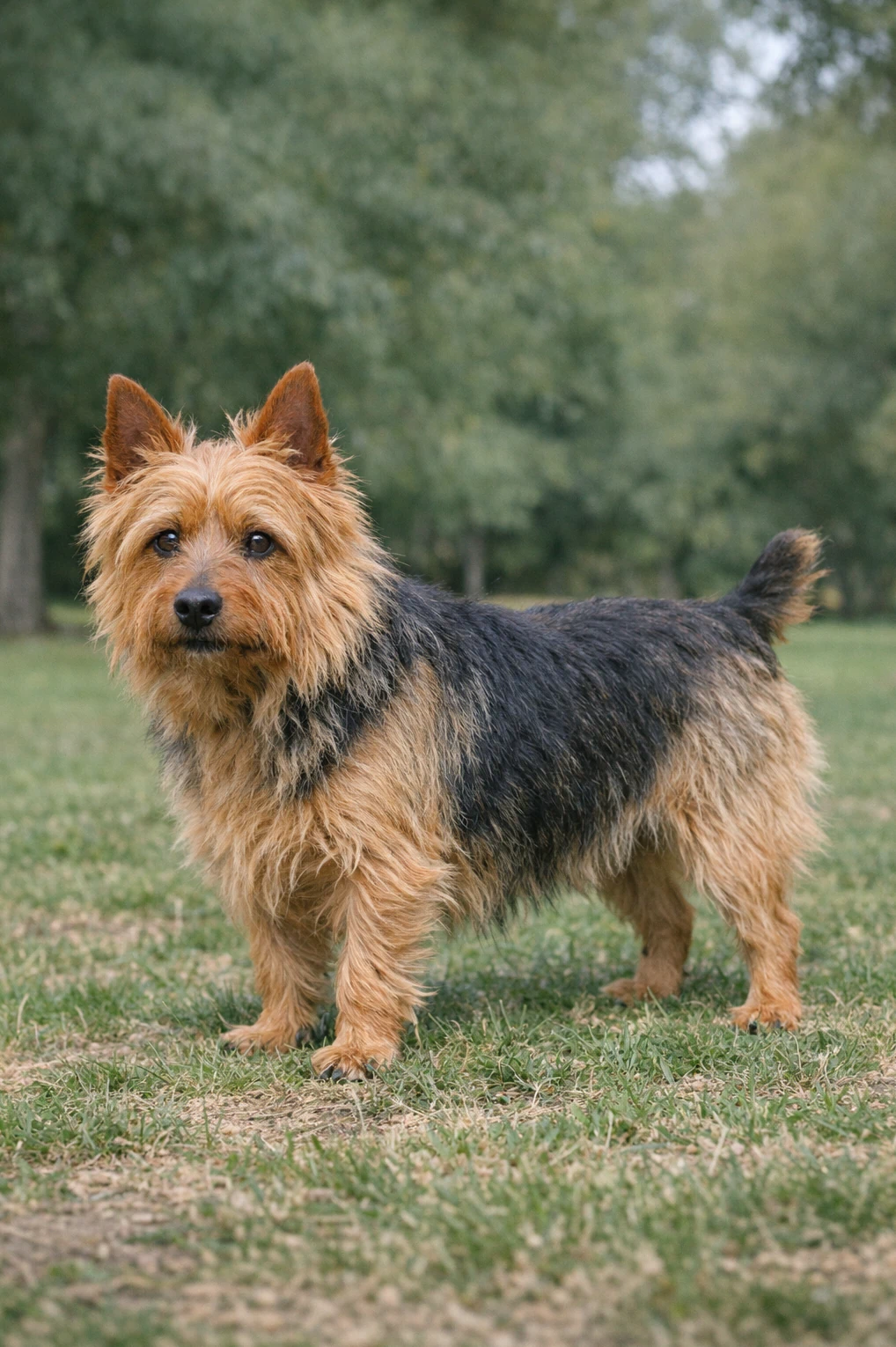
Compact and sturdy at about 10 to 11 inches tall and 15 to 20 pounds, this bold, loving, lively terrier thrives on daily play. Nutritional Verdict: balanced, protein-rich meals support energy and coat.
Understanding the Australian Terrier Metabolism and Energy Needs
As a small dog bred to chase and dispatch quarry, the Australian Terrier combines compact muscle with persistent curiosity and lively energy, so its food must be concentrated and efficient. That history creates a need for readily usable animal protein to maintain lean tissue, support quick recovery after bursts of activity, and preserve a brisk metabolism. Moderately rich fats supply dense fuel for sudden exertion and keep skin and coat healthy. Fiber and low-glycemic carbohydrates give steady energy and aid digestion without unnecessary weight gain.
A practical macronutrient target is about 25 to 30 percent protein, 15 to 20 percent fat, with carbs kept moderate and mostly complex sources. Focus on chicken, fish, or lamb for amino acids, add oily fish or a quality omega-3 supplement for skin and brain health, and consider joint support like glucosamine as the dog stays active with age.
Managing Australian Terrier Genetic Health Risks Through Nutrition
Luxating Patella (Dislocated Kneecap)
Helpful nutrients
Legg-Calve-Perthes Disease (Hip Joint Development)
Helpful nutrients
Itchy Skin and Allergies
Helpful nutrients
Flea-Related Irritation
Helpful nutrients
Ear Health and Infection Risk
Helpful nutrients
Dental Health
Helpful nutrients
Obesity and Weight Management
Helpful nutrients
Australian Terrier Feeding & Calorie Calculator
Estimated Daily Calories
Tip: Start with this amount and adjust after 2–3 weeks based on your dog's body condition and weight trend.
This estimate provides a starting point for feeding. Individual calorie needs may vary depending on metabolism, body condition, and health status. Always monitor your dog's weight and consult your veterinarian when adjusting diet.
Foods and Ingredients to Avoid for Australian Terrier Dogs
Rich, fatty foods and heavy table scraps are best avoided for an Australian Terrier, since this small breed can gain weight easily and extra pounds add stress to knees and hips that may be prone to problems.
High fat meals also increase the risk of pancreatitis, which can be serious and sudden.
Stick to lean protein and measured portions to keep their energy steady and joints comfortable.
Because Australian Terriers weigh only 15 to 20 pounds, treats add up quickly and can push them toward obesity, which makes luxating patella and hip issues more likely and can worsen overall mobility.
Table scraps often have hidden fats, salts, and calories that upset balanced nutrition and dental health.
Use small, low-calorie rewards for training and count treats as part of the daily calorie budget, checking with your vet when unsure.
Dogs with a tendency toward itchy skin or sensitivities can react to artificial preservatives and colors, so avoiding ingredients like BHA, BHT, and artificial dyes is a sensible choice for many Australian Terriers.
These additives may worsen skin flare-ups or digestive upset in sensitive pups, and cleaner ingredient lists help you spot true allergens more easily.
Choose naturally preserved foods and monitor for any coat or skin changes after diet switches.
Foods in the allium family, including onions, garlic, and chives, are toxic to dogs and can cause red blood cell damage and anemia, sometimes after surprisingly small amounts.
Small breeds like the Australian Terrier are especially vulnerable because a little exposure is a larger dose relative to their body size.
Avoid feeding any savory scraps, powdered seasonings, or sauces that contain these ingredients, and seek veterinary advice immediately if ingestion occurs.
Grapes and raisins can lead to sudden and severe kidney failure in dogs, with no reliable way to predict which dog will be affected.
For an Australian Terrier, even a few small pieces can represent a dangerous dose because of their light weight.
Keep all fruit and raisin-containing baked goods well out of reach, and contact your veterinarian or emergency clinic right away if you suspect your dog has eaten any.
Some grain-free diets swap grains for large amounts of peas, lentils, or chickpeas, and research has linked certain legume-heavy formulas to an increased risk of dilated cardiomyopathy in some dogs.
While Australian Terriers are not singled out, their small size and unique dietary needs mean it is wise to be cautious and not assume grain-free is automatically better.
Talk with your veterinarian before switching to a legume-rich, grain-free formula and consider diets with established nutrient profiles and heart-healthy research backing.
How Nutritional Needs Change Throughout the Australian Terrier Life Stages
Dogs have different nutritional needs as they move from puppyhood to adulthood and into their senior years, and Australian Terriers are no exception. Their small size, spirited activity level, and breed-specific growth patterns mean calories, protein, and joint support should shift with age. Growth rate, daily activity, and common health tendencies like kneecap or hip concerns all help shape the right feeding plan.
| Life Stage | Age Range | Primary Objective | Key Nutrient Focus |
|---|---|---|---|
| Puppy | 0–10 months | controlled skeletal development, immune support, brain development | DHA, balanced calcium/phosphorus, high-quality protein |
| Adult | 10 months–8 years | lean muscle maintenance and sustained energy | high-quality protein, omega-3 fatty acids, fiber |
| Senior | 8+ years | joint mobility, metabolic health, and cognitive support | glucosamine, chondroitin, antioxidants, lower calories |
Australian Terrier puppies grow relatively quickly and usually reach adult size within about nine to twelve months, so early nutrition supports rapid tissue and skeletal development. Controlled, steady growth is important to protect developing joints, so avoid overfeeding and rely on formulas made for small-breed puppies that balance calcium and phosphorus for healthy bone formation.
Because small puppies have fast metabolisms and lively temperaments, feed smaller, more frequent meals, typically three to four times a day while they are young. Focus on high quality protein for muscle growth, DHA for brain development, and omega fatty acids to support their rough double coat and skin, and keep an eye on skin or flea issues that can affect appetite and coat condition.
As adults, Australian Terriers need nutrition that helps them maintain lean muscle and steady energy for their spirited, affectionate lifestyle. Offer a high quality, moderately calorie-dense diet with good protein to preserve muscle mass and sensible fat for energy, adjusting portions based on whether your terrier is a couch companion or an active playmate.
Small dogs burn energy quickly, so nutrient-dense meals in one or two feedings a day work well, combined with regular exercise to prevent weight gain that can stress knees and hips. Include omega fatty acids for skin and coat health and choose kibble sized for small mouths while keeping up with dental care and routine weight checks.
As Australian Terriers enter their senior years, metabolism often slows and digestion can become a bit less efficient, while age can bring stiffer joints and dental wear. Prioritize easy to digest, protein-rich foods to preserve muscle, and consider slightly reducing calories if activity drops to prevent unwanted weight gain that could worsen kneecap or hip issues.
Support mobility with joint-friendly nutrients such as omega-3 fatty acids, glucosamine and chondroitin, and add antioxidants for immune and cellular health. If teeth are worn, softer or moistened food may be gentler, and regular vet checks will help tune calorie intake and supplements to your terrier's changing needs.
Kibble vs Fresh vs Raw for Australian Terrier
Different feeding models suit different dog lifestyles, activity levels, and sensitivities.
For the spirited, compact Australian Terrier, consider joint health, skin tendencies, and weight control when choosing a diet.
Pros
- Convenient and easy to portion for busy owners.
- Kibble can help scrape tartar during chewing.
- Formulas often include balanced nutrients for small, active dogs.
- Many brands offer joint and skin support supplements.
Cons
- Some kibbles contain fillers or common allergens that irritate sensitive skin.
- Lower moisture content may not suit dogs that drink less.
- Calorie-dense formulas can cause weight gain without strict portion control.
- Quality varies widely, so choose reputable brands and proper sizing.
Pros
- Highly palatable and great for picky Australian Terriers.
- High moisture content supports digestion and hydration.
- Full control over ingredients helps manage skin sensitivities.
- Easily tailored for joint health with proper supplements.
Cons
- More expensive and time-consuming than commercial kibble.
- Requires careful balancing of vitamins and minerals to avoid deficiencies.
- Needs refrigeration and meal prep can be inconvenient.
- Portion miscalculations can cause weight or joint stress in small breeds.
Pros
- Mimics ancestral diet with high-quality proteins.
- Some owners report improved coat and energy levels.
- Low carbohydrate content can suit active little dogs.
- Feeding raw bones can provide natural chewing and dental benefits.
Cons
- Higher bacterial risk requires strict hygiene and safe handling.
- Small bones and bone fragments can be hazardous for small breeds.
- Hard to balance calcium and phosphorus for growing or sensitive dogs.
- Veterinary guidance is essential to avoid nutrient imbalances.
- Often more expensive and time-consuming than kibble.
| Diet Type | Pros for Australian Terrier | Potential Downsides |
|---|---|---|
| High-Quality Kibble |
|
|
| Fresh Cooked Food |
|
|
| Raw Diet (BARF) |
|
|
Our Recommendation
For most Australian Terriers, a high-quality kibble formulated for small, active dogs provides a practical, balanced foundation.
If skin or joint concerns arise, adding fresh cooked toppers or pursuing a vet-guided fresh or raw plan can be beneficial.
See Also
Breeds with similar group, size, and coat characteristics