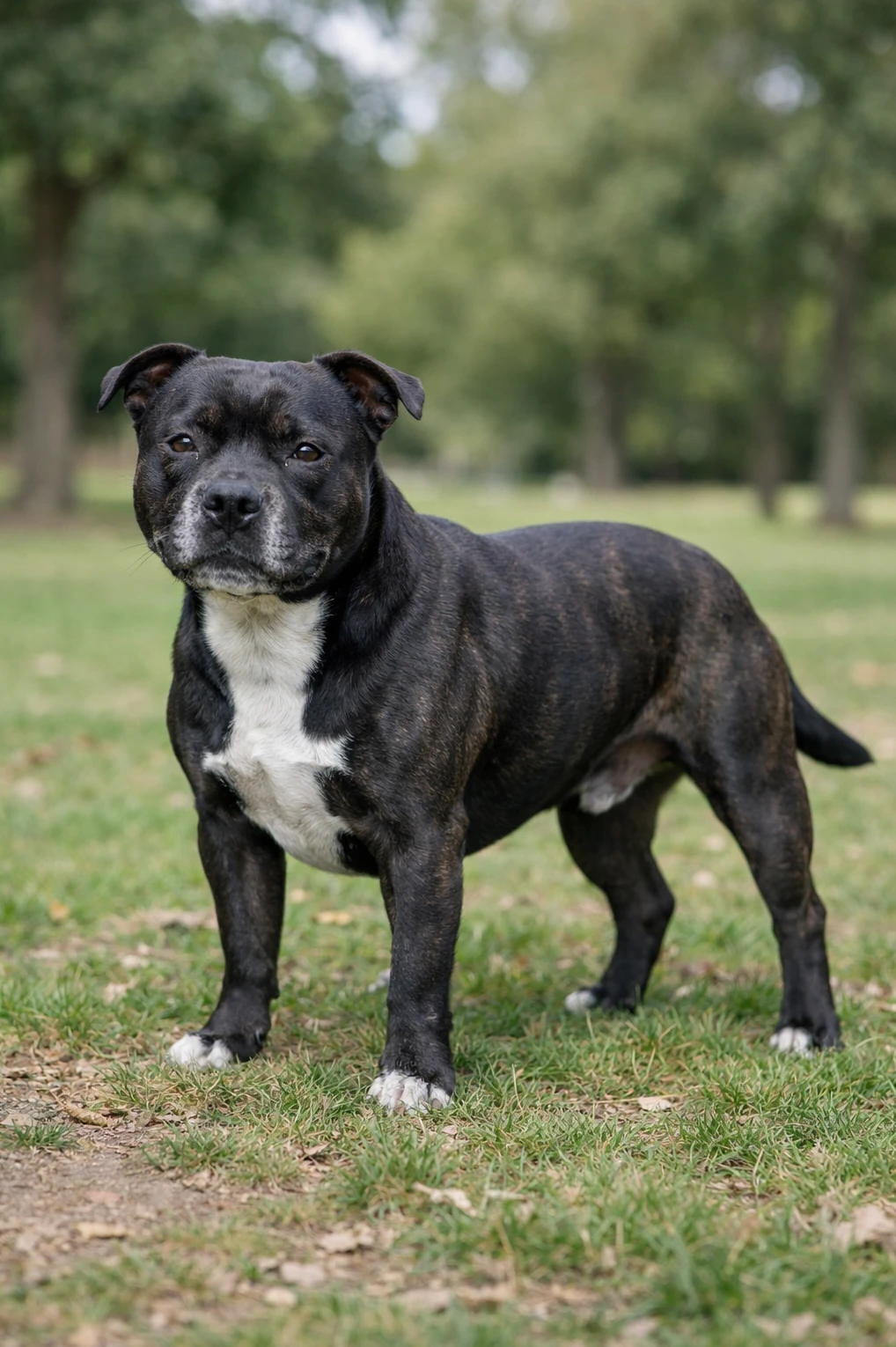
Best Dog Food for American Staffordshire Terrier in 2026Based on Nutritional Science
American Staffordshire Terriers are muscular medium dogs, around 18–19 inches and 55–70 pounds. Cheerful, self-assured and bright, they thrive on a balanced, protein-rich diet with portion control and regular exercise.
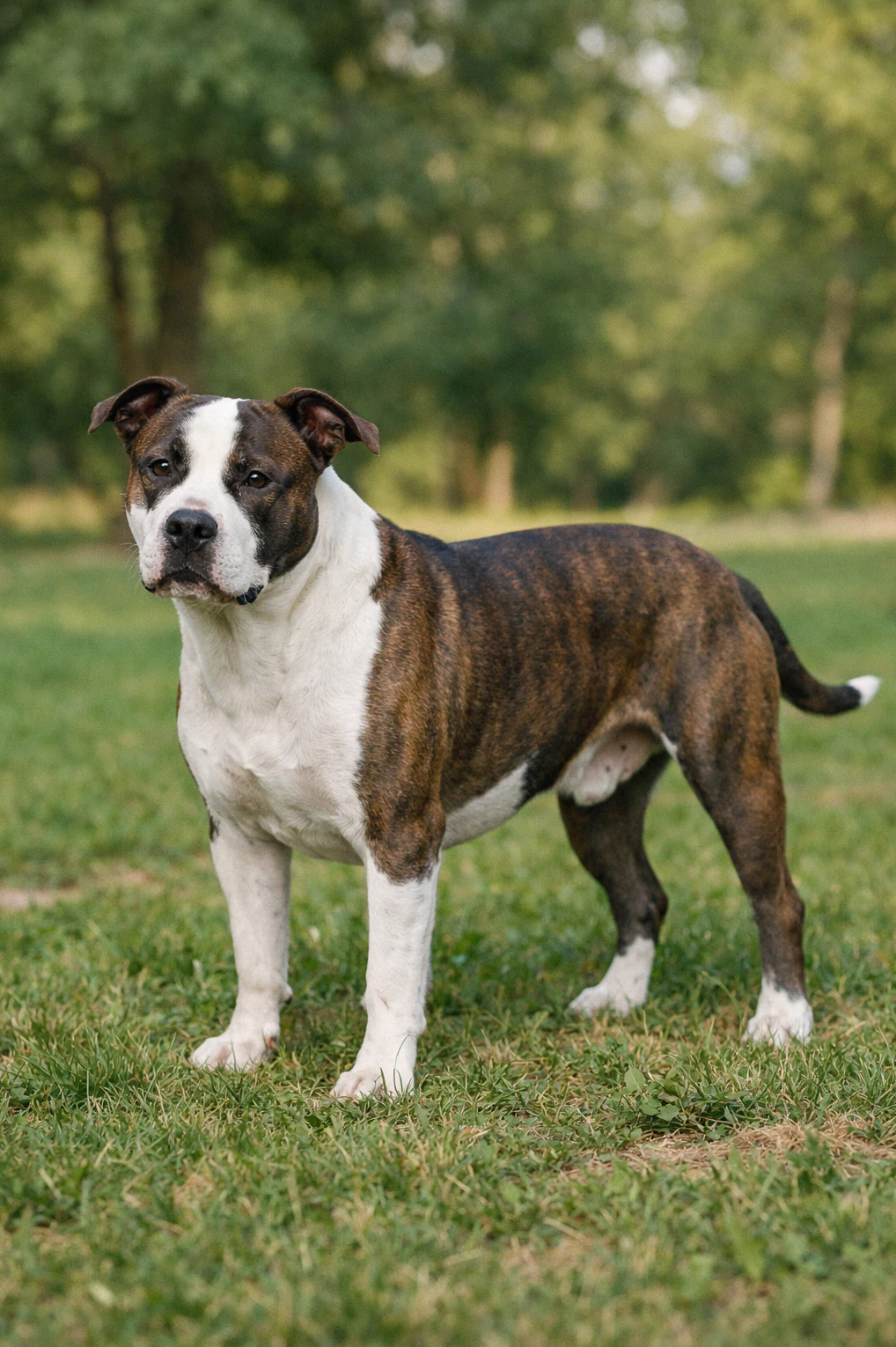
Understanding the American Staffordshire Terrier Metabolism and Energy Needs
These muscular, lively companions were developed for tenacious work and quick decision-making, so they need steady, high-quality fuel to keep muscles strong and minds engaged. That means higher protein, about 25 to 30 percent from animal sources, to support muscle maintenance and repair.
Moderate fat, around 15 to 20 percent, supplies dense energy for bursts of activity and keeps coat and skin healthy, especially when it includes omega-3s like fish oil. Digestible carbohydrates from whole grains and vegetables provide slow-release energy and help prevent spikes and crashes.
Targeted supplements such as glucosamine for joints, probiotics for gut balance, and B vitamins or antioxidants for cognitive support can be useful for active, sharp dogs. Adjusting portion sizes and feeding times to match daily activity helps maintain a healthy weight and steady energy.
Managing American Staffordshire Terrier Genetic Health Risks Through Nutrition
Hip Dysplasia
Helpful nutrients
Cardiac Disease
Helpful nutrients
Skin and Coat Allergies
Helpful nutrients
Cerebellar Ataxia (genetic)
Helpful nutrients
Ear Health (infections and irritation)
Helpful nutrients
Dental Health
Helpful nutrients
Obesity and Weight Management
Helpful nutrients
American Staffordshire Terrier Feeding & Calorie Calculator
Estimated Daily Calories
Tip: Start with this amount and adjust after 2–3 weeks based on your dog's body condition and weight trend.
This estimate provides a starting point for feeding. Individual calorie needs may vary depending on metabolism, body condition, and health status. Always monitor your dog's weight and consult your veterinarian when adjusting diet.
Foods and Ingredients to Avoid for American Staffordshire Terrier Dogs
Rich, fatty table scraps and very high-fat commercial treats can quickly push an American Staffordshire Terrier toward unwanted weight gain and raise the risk of pancreatitis.
Because Am Staffs are muscular and sometimes prone to carrying extra pounds, excess fat adds strain to their hips and joints, which is especially important if hip dysplasia runs in the lines.
Choose lean protein sources and feed measured portions, and avoid giving fatty meats, skin, or fried foods as treats to keep weight and digestive health in good shape.
Treats are helpful for training, but too many or calorie-dense rewards can lead to obesity, which is a common concern in this breed.
Extra pounds increase stress on the spine and hips and can mask or worsen underlying cardiac or joint issues, so it is important to account for treat calories in the daily ration.
Use low-calorie or portioned training treats, and consider healthy alternatives like small pieces of cooked lean meat or controlled commercial low-calorie snacks to keep your Am Staff fit.
Foods with a lot of salt, including human snack foods and salted table scraps, can be harmful for dogs with cardiac sensitivities.
Since American Staffordshire Terriers may be screened for cardiac disease and heart issues can develop in some lines, excess sodium can promote fluid retention and worsen heart function over time.
Avoid giving chips, processed meats, and salty leftovers, and choose low-sodium diets if your veterinarian has identified any cardiac concerns.
Some grain-free diets that rely heavily on peas, lentils, chickpeas, or other legumes have been associated with cases of diet-related heart disease in dogs, possibly linked to taurine metabolism.
Given the importance of cardiac health in this breed, it is wise to be cautious with sustained, high-legume diets without veterinary oversight.
Discuss any grain-free or novel-protein diet with your veterinarian, and consider bloodwork or dietary adjustments if your dog has cardiac risk factors.
Many American Staffordshire Terriers are sensitive to ingredients that can irritate skin or trigger digestive upset, so avoiding artificial preservatives, colors, and intense flavorings makes sense.
Ingredients like BHA, BHT, and certain artificial dyes can sometimes aggravate skin and coat allergies or cause mild stomach upset in sensitive dogs.
Select foods preserved naturally or with minimal additives, and watch your dog for itchiness or digestive changes after trying a new formula.
Several common human foods are outright toxic to dogs and should never be offered.
Chocolate and cocoa damage the heart and nervous system, grapes and raisins can cause kidney failure in some dogs, onions and garlic can trigger red blood cell damage, and xylitol, found in sugar-free items, can provoke life-threatening hypoglycemia.
Keep these foods well out of reach, check ingredients on treats and baked goods, and contact your veterinarian or an emergency clinic immediately if you suspect ingestion.
How Nutritional Needs Change Throughout the American Staffordshire Terrier Life Stages
Dogs need different nutrition at each life stage, from puppyhood to adulthood and into their senior years. Growth rate, activity level, and a breed's common health tendencies shape those needs. For an American Staffordshire Terrier, a sturdy build, moderate to high energy and potential concerns like hip issues or skin sensitivities influence how much protein, calories and joint support are best as they grow and age.
| Life Stage | Age Range | Primary Objective | Key Nutrient Focus |
|---|---|---|---|
| Puppy | 0–15 months | controlled skeletal development, immune support, brain development | DHA, balanced calcium/phosphorus, high-quality protein |
| Adult | 1.5–6 years | lean muscle maintenance and sustained energy | high-quality protein, omega-3 fatty acids, fiber |
| Senior | 6+ years | joint mobility, metabolic health, and cognitive support | glucosamine, chondroitin, antioxidants, lower calories |
American Staffordshire Terrier puppies grow into strong, muscular adults so steady, controlled growth is important to protect developing bones and joints. Focus on a large-breed puppy formula that provides high quality protein for muscle, balanced calories to avoid excessive weight gain, and careful calcium and phosphorus levels to support healthy skeletal development.
Feed puppies three to four times a day while growth is rapid, then gradually reduce frequency as they mature. Include DHA for brain development, omega-3s for skin and coat health, and watch for early signs of skin allergies. Responsible breeders screen for conditions like hip dysplasia and cerebellar ataxia, and good nutrition helps give each pup the best start.
Adult American Staffordshire Terriers need diets that maintain lean muscle while providing steady energy for their confident, often active nature. Aim for high quality animal protein, moderate healthy fats, and complete vitamins and minerals to support muscle repair, energy metabolism and skin health. Calorie needs will vary between a working, highly active dog and a more laid-back family pet, so monitor body condition and adjust portions rather than guessing.
Feeding twice daily helps keep energy levels even and supports dental health when combined with routine care. Because this breed can be prone to joint and cardiac concerns, maintain a balanced weight, consider periodic joint-supporting nutrients as prevention and consult your veterinarian about tailored calorie targets and portion sizes.
As American Staffordshire Terriers age they often show slower metabolism, reduced activity and sometimes changes in digestion or mobility. Senior diets may need fewer calories to prevent weight gain, while keeping protein high quality and slightly increased to preserve muscle mass that supports joints and coordination. Easier-to-digest ingredients, added fiber for gut health and feeding smaller, more frequent meals can help dogs with decreased appetite or digestive sensitivity.
Joint support such as glucosamine, chondroitin and omega-3 fatty acids can ease mobility concerns and antioxidants like vitamin E and beta-carotene help protect aging cells. Regular weight checks, dental care and monitoring for breed-specific issues like hip changes, cardiac signs or skin problems will guide adjustments in calories and supplements as your Am Staff moves through its senior years.
Kibble vs Fresh vs Raw for American Staffordshire Terrier
Different feeding models suit different lifestyles and health needs, especially for a strong, active dog like the American Staffordshire Terrier.
Think about activity level, joint care, and skin sensitivities when choosing food.
Pros
- Convenient and easy to portion for busy owners.
- Consistent, balanced nutrition supports maintenance and activity.
- Many formulas include joint support for hip health.
- Dry texture can help reduce tartar buildup on teeth.
Cons
- Can be calorie-dense, increasing obesity risk without portion control.
- Some brands use fillers or common allergens like chicken.
- Lower moisture content may not suit dogs prone to dehydration.
- Quality varies, so label reading is important.
Pros
- Highly palatable, great for picky or food-motivated Am Staffs.
- High moisture supports digestion and joint cartilage hydration.
- Full control over ingredients helps manage skin allergies.
- Lean protein helps maintain muscular body condition.
Cons
- More expensive and time consuming than kibble over time.
- Requires careful planning to ensure balanced calcium and phosphorus.
- Home cooking risks nutrient gaps without a veterinary plan.
- Needs refrigeration and regular meal prep.
Pros
- High-quality protein supports strong muscles and active lifestyle.
- Some owners report shinier coats and firmer stools.
- Minimal processing preserves certain natural nutrients.
Cons
- Risk of bacterial contamination without strict hygiene.
- Improper calcium-phosphorus balance can harm joint development.
- Raw bones can pose choking or dental fracture hazards.
- May be unsuitable for dogs with cardiac or immune issues.
| Diet Type | Pros for American Staffordshire Terrier | Potential Downsides |
|---|---|---|
| High-Quality Kibble |
|
|
| Fresh Cooked Food |
|
|
| Raw Diet (BARF) |
|
|
Our Recommendation
For many American Staffordshire Terriers, high-quality kibble with joint support and careful portioning is a practical, balanced choice.
Fresh cooked food suits picky or allergy-prone dogs, while raw diets need veterinary guidance and strict hygiene.
See Also
Breeds with similar group, size, and coat characteristics