Best Dog Food for Braque Saint-Germain in 2026Based on Nutritional Science
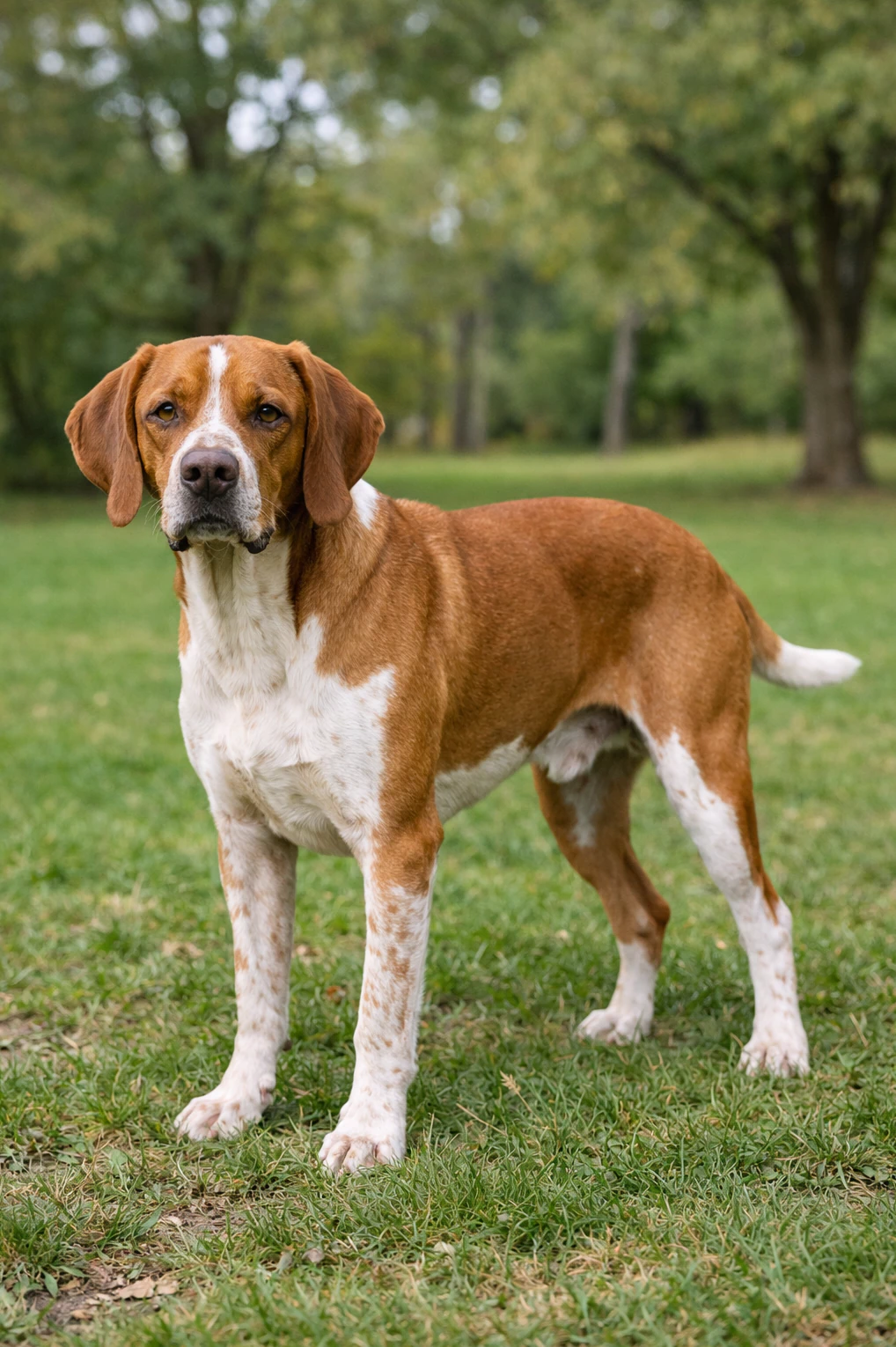
Sturdy and medium-sized, males stand about 22 to 24 inches and weigh 40 to 58 pounds. Loving, devoted and quick to learn, they thrive on a high-quality, protein-focused diet with measured portions for steady energy.
Understanding the Braque Saint-Germain Metabolism and Energy Needs
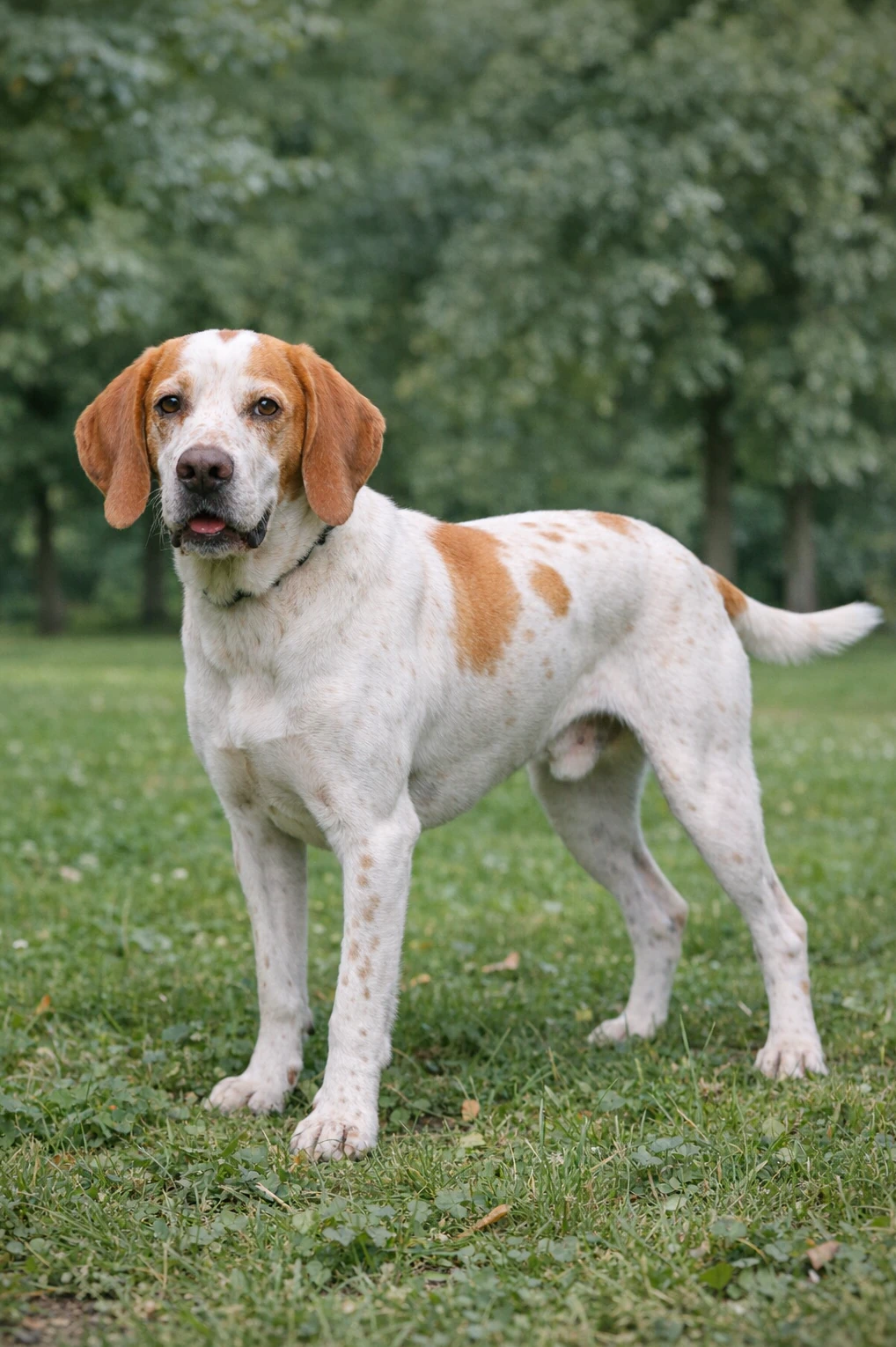
As a French pointing type developed to work in the field, your Braque Saint-Germain combines steady endurance with quick bursts of activity and a sharp nose. That background means their diet should support lean muscle and sustained energy, so aim for a protein-rich formula, roughly 25 to 30 percent, to repair tissue and preserve athletic condition. Moderate healthy fats, around 12 to 18 percent, provide long-lasting fuel and help keep skin and coat glossy, while controlled carbohydrates from whole grains and vegetables supply digestible energy and fiber for gut health.
Their gentle temperament and eagerness to learn make mental sharpness important, so include omega-3 fatty acids, especially DHA, to support cognition and calm focus. Joint-support nutrients like glucosamine and chondroitin are helpful for life-long mobility, and antioxidants such as vitamin E aid immune resilience.
Managing Braque Saint-Germain Genetic Health Risks Through Nutrition
Obesity
Helpful nutrients
Life-stage nutritional needs
Helpful nutrients
Dehydration
Helpful nutrients
Toxicity from unsafe human foods
Helpful nutrients
Braque Saint-Germain Feeding & Calorie Calculator
Estimated Daily Calories
Tip: Start with this amount and adjust after 2–3 weeks based on your dog's body condition and weight trend.
This estimate provides a starting point for feeding. Individual calorie needs may vary depending on metabolism, body condition, and health status. Always monitor your dog's weight and consult your veterinarian when adjusting diet.
Foods and Ingredients to Avoid for Braque Saint-Germain Dogs
Because many Braque Saint-Germains can be prone to weight gain, high-fat foods and greasy table scraps are best avoided.
Excess dietary fat can lead to rapid calorie excess and in some dogs trigger pancreatitis, which is painful and requires veterinary care.
Stick to lean protein sources and foods formulated for adult maintenance or weight control, and ask your vet before switching to a rich home-prepared recipe.
When you do offer treats, choose low-fat options and account for those calories in daily totals.
Treats and table scraps are an easy way to bond, but they can quickly push a medium-sized Braque Saint-Germain into overweight territory.
Too many high-calorie rewards increase strain on joints and can mask signs of weight gain until it becomes a problem.
Limit treats to a small percentage of daily calories and use low-calorie training rewards like tiny pieces of lean meat or dog-safe vegetables.
Adjust meal portions when you increase treat giving to help keep your dog at a healthy weight.
Chocolate, coffee and other sources of caffeine are toxic to dogs and even modest amounts can cause significant symptoms in a 40 to 58 pound dog.
Effects include vomiting, restlessness, rapid heart rate, tremors and in severe cases seizures or collapse.
Keep all chocolate, caffeinated beverages and caffeinated baked goods well out of reach and inform family and guests about the danger.
If you suspect ingestion, contact your veterinarian or a poison control hotline right away.
Grapes, raisins and currants have been linked to sudden kidney failure in dogs, and there is no predictable safe amount for any individual.
Because sensitivity varies widely, complete avoidance is the safest policy for a Braque Saint-Germain.
Do not offer fruit salads, trail mixes or baked goods that contain these ingredients, and check labels carefully on shared foods.
If accidental ingestion occurs, seek veterinary advice immediately to evaluate risk and treatment options.
Xylitol is a sugar substitute that can cause dangerous drops in blood sugar and liver damage in dogs, and even small amounts in peanut butter or sugar-free treats can be life threatening.
Other artificial sweeteners can upset digestion or cause unpredictable reactions in sensitive dogs.
Always read ingredient labels on gum, candy, peanut butter and diet products and keep them well out of reach.
If you suspect xylitol ingestion, seek emergency veterinary care without delay.
Cooked bones commonly splinter and can puncture the mouth, throat or intestines, while very hard weight-bearing bones from large animals can fracture teeth.
For a medium hunting dog, dental injury and intestinal blockage are real risks that lead to painful veterinary emergencies.
Choose safer alternatives like vet-approved dental chews or consult your veterinarian about supervised raw bone options and portion size.
Always monitor your dog while chewing and discard any small or sharp fragments right away.
How Nutritional Needs Change Throughout the Braque Saint-Germain Life Stages
Braque Saint-Germain dogs have changing nutritional needs through puppyhood, adulthood, and their senior years, and feeding should match each life stage. Their ideal diet depends on growth rate, activity level as an active pointing breed, and any breed-specific health tendencies that responsible breeders screen for. Paying attention early sets them up for long-term health.
| Life Stage | Age Range | Primary Objective | Key Nutrient Focus |
|---|---|---|---|
| Puppy | 0–15 months | controlled skeletal development, immune support, brain development | DHA, balanced calcium/phosphorus, high-quality protein |
| Adult | 1.5–6 years | lean muscle maintenance and sustained energy | high-quality protein, omega-3 fatty acids, fiber |
| Senior | 6+ years | joint mobility, metabolic health, and cognitive support | glucosamine, chondroitin, antioxidants, lower calories |
Braque Saint-Germain puppies grow steadily for a large breed, with most growth in the first six to twelve months and skeletal maturation continuing up to eighteen months. Support developing bones and joints with a large-breed puppy formula that has controlled calcium and phosphorus, moderate calories to prevent too-rapid growth, and ample high-quality animal protein. Include DHA for brain development and omega-3 fats for skin and coat.
Feed smaller, frequent meals early, moving from three or four feedings to two meals a day by about six months, and adjust portions to keep steady, healthy growth. As an active, easily trained breed, Braque Saint-Germains need energy for play and work, and regular health screening by responsible breeders helps reduce inherited issues that could influence diet.
As adult Braque Saint-Germains settle into maturity they need nutrition that preserves lean muscle and fuels moderate-to-high activity, whether daily training, fieldwork, or family walks. Choose a balanced diet with high-quality protein, measured fats for sustained energy, and appropriate calories to keep an ideal body condition, aiming to avoid excess weight that strains joints.
Lifestyle and activity level should guide portion size and feeding schedule, and maintaining muscle with regular exercise complements a protein-focused diet. Include omega-3 fatty acids and antioxidant-rich ingredients to support overall health, and consult your veterinarian to tailor the diet based on your dog's activity and any health screening history from breeders.
As Braque Saint-Germains age their metabolism often slows and activity commonly decreases, which can lead to weight gain or loss of muscle mass and changes in digestion. Monitor body condition and shift to a senior-friendly diet that preserves lean muscle with high-quality protein while modestly reducing calories if activity falls.
Support joints with glucosamine, chondroitin, and omega-3 fatty acids, and add antioxidants like vitamin E to help cellular health. Consider added soluble fiber for digestion and softer kibble or wet food for dental changes, and check with your veterinarian regularly to tailor calorie intake and supplements to your dog's individual aging needs and any health screening notes from breeders.
Kibble vs Fresh vs Raw for Braque Saint-Germain
Different feeding models suit different lifestyles and activity levels. Choosing the right one for a Braque Saint-Germain means matching nutrition to their energy, size, and routine.
Pros
- Convenient and easy to portion for busy owners.
- Consistent nutrient balance suited to active medium-large dogs.
- Some formulas support healthy joints and lean muscle maintenance.
- Dry kibble stores well and simplifies training rewards on the go.
Cons
- Lower moisture content may require extra water intake.
- Some brands contain fillers or artificial additives to watch for.
- Less palatable for picky Braque Saint-Germains compared to fresh food.
- Portion control is crucial to prevent gradual weight gain.
Pros
- Highly palatable, great for picky or recovering dogs.
- High moisture supports hydration and gentle digestion.
- Owners can select high-quality proteins for athletic maintenance.
- Allows control over additives and ingredient sourcing.
Cons
- Time consuming to prepare balanced meals consistently.
- Can be more expensive than kibble over time.
- Requires careful supplementation to ensure complete nutrition.
- Needs refrigeration and planning for active lifestyles.
Pros
- High protein content can support lean muscle and energy.
- Some owners report shinier coat and improved digestion.
- Mimics ancestral feeding, which may suit active hunting instincts.
- Flexible ingredient choices for personalized feeding plans.
Cons
- Risk of bacterial contamination without strict hygiene practices.
- Raw bones can pose choking or dental hazards for some dogs.
- Balancing vitamins and minerals is challenging without guidance.
- Not ideal for homes with young children or immunocompromised people.
| Diet Type | Pros for Braque Saint-Germain | Potential Downsides |
|---|---|---|
| High-Quality Kibble |
|
|
| Fresh Cooked Food |
|
|
| Raw Diet (BARF) |
|
|
Our Recommendation
For most Braque Saint-Germains, a high-quality kibble or thoughtfully prepared fresh food tends to fit their energy, training schedule, and general health.
Raw feeding can work for experienced owners with veterinary support, but it demands strict handling and careful balancing.
See Also
Breeds with similar group, size, and coat characteristics