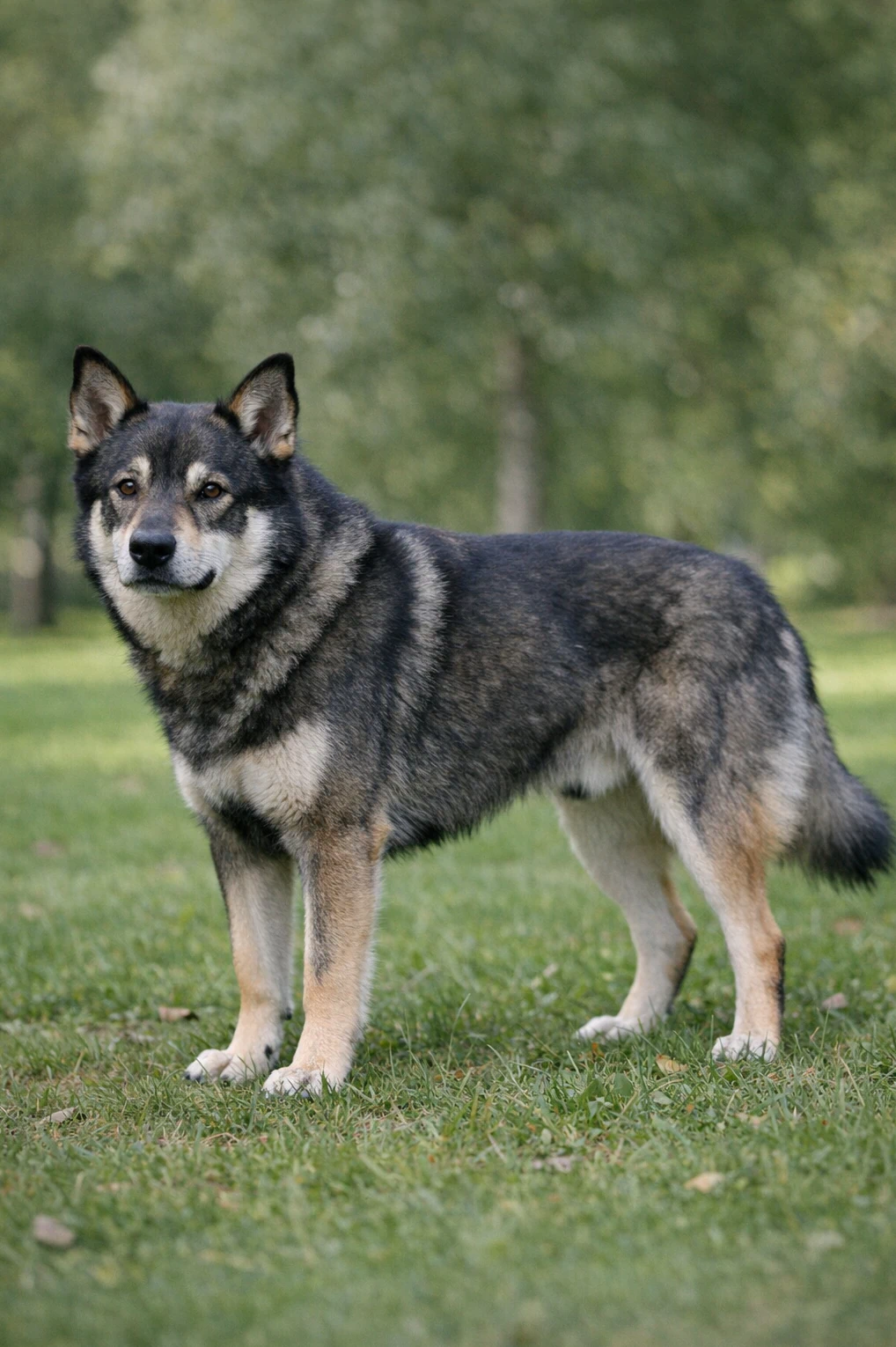
Best Dog Food for Bouvier des Ardennes in 2026Based on Nutritional Science
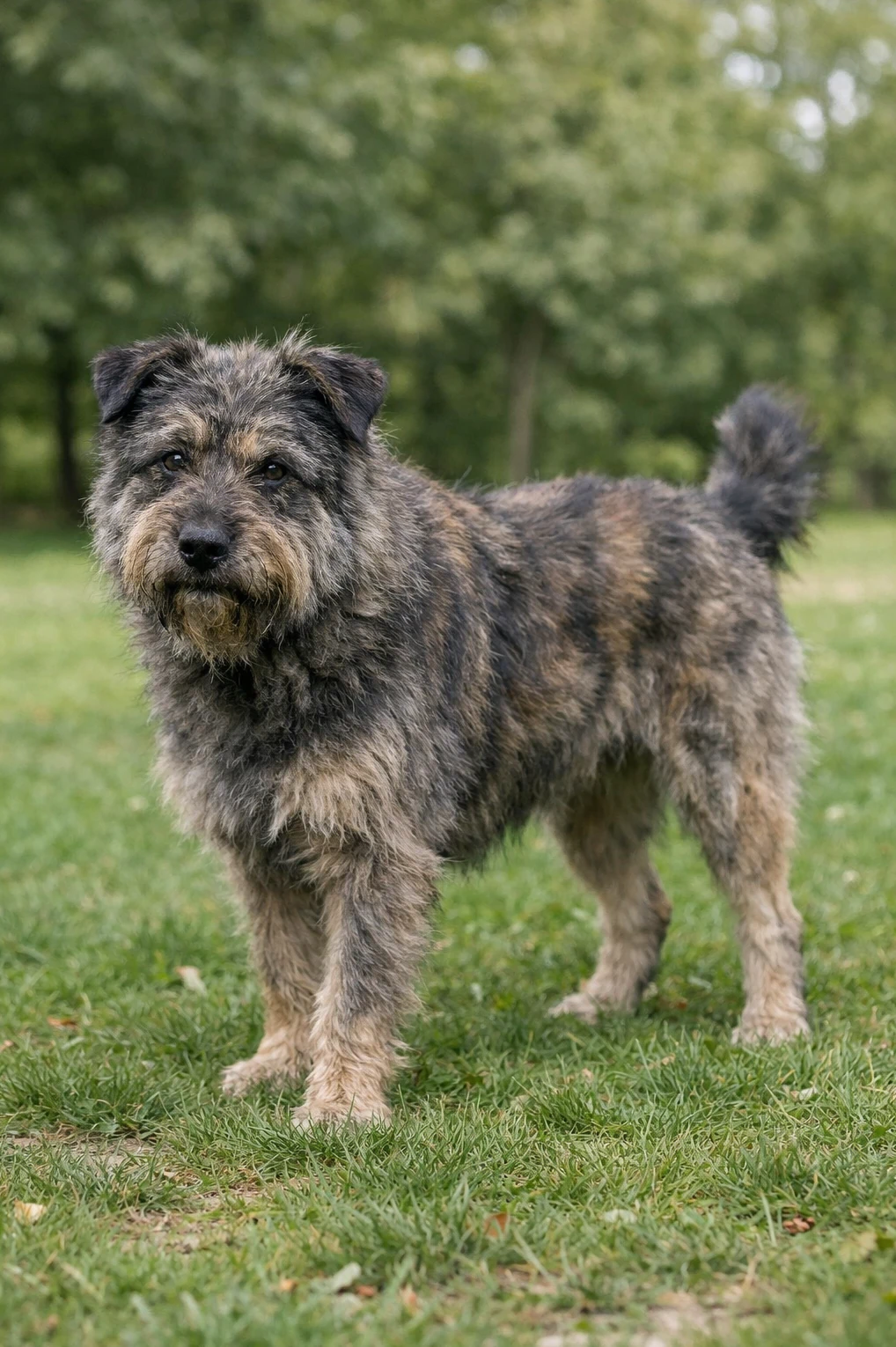
Bouvier des Ardennes is a medium-large dog: males 22–24.5 inches, 61.5–77.5 lbs; females 20.5–22 inches, 48.5–62 lbs, spirited, resilient, and headstrong.
Nutritional verdict: balanced, protein-forward diet with portion control for steady energy.
Understanding the Bouvier des Ardennes Metabolism and Energy Needs
Developed for long days on farms and rough terrain, this compact cattle-working type combines abundant energy, rugged endurance, and a mind that likes to set its own agenda. That background produces a body tuned for steady effort rather than quick bursts, and a personality that often responds best to tasty encouragement. Daily food should support constant movement, weather resilience, and sustained attention.
That means emphasizing high-quality animal protein to maintain lean muscle, plus moderate to generous fats to provide long-lasting fuel and help keep the coat and skin healthy. Include omega-3-rich oils for joint and skin support, and consider joint-building nutrients if they stay very active. Slow-burning carbohydrates and fiber from sweet potato, oats, or vegetables offer steady energy and satiety for a dog that prefers to work at its own pace.
Managing Bouvier des Ardennes Genetic Health Risks Through Nutrition
Hip Dysplasia
Helpful nutrients
Elbow Dysplasia
Helpful nutrients
Spinocerebellar Ataxia
Helpful nutrients
Bouvier des Ardennes Feeding & Calorie Calculator
Estimated Daily Calories
Tip: Start with this amount and adjust after 2–3 weeks based on your dog's body condition and weight trend.
This estimate provides a starting point for feeding. Individual calorie needs may vary depending on metabolism, body condition, and health status. Always monitor your dog's weight and consult your veterinarian when adjusting diet.
Foods and Ingredients to Avoid for Bouvier des Ardennes Dogs
Because Bouvier des Ardennes are a solid, muscular breed they benefit from steady, lean energy rather than sudden calorie surges.
High-fat foods and rich table scraps can promote rapid weight gain and increase the risk of pancreatitis, which in turn places extra stress on hips and elbows that may already be predisposed to dysplasia.
Keep fats controlled and focused on quality omega sources to support muscles without overloading their joints.
Large breed puppies like Bouvier des Ardennes need controlled, steady growth to protect developing bones and joints, so avoid supplements or diets that give excess calcium or vitamin D.
Too much of these nutrients during growth can contribute to abnormal bone development and raise the chance of hip or elbow problems later in life.
Work with your breeder or veterinarian to choose age-appropriate formulas that support muscle and skeletal health without pushing growth too fast.
Diets that swap grains for large amounts of peas, lentils, or other legumes have been linked to heart concerns in some dogs when not properly balanced, so these formulas are worth avoiding unless vetted by a professional.
For an active, medium-large breed that needs steady energy and muscle support, an unbalanced legume-heavy food could miss key nutrients your dog needs for stamina and cardiac health.
Opt for well-formulated foods that meet breed-size requirements and proven nutritional standards.
Cooked bones can splinter and cause choking or internal injury, and very large raw bones may fracture teeth or damage the mouth in a powerful-jawed dog like the Bouvier des Ardennes.
While raw feeding can be appropriate when done carefully, avoid giving overly hard or brittle bones and always supervise chew sessions to reduce risk.
Choose safe, size-appropriate chews and consult your vet about suitable raw options that support strong jaws without risking injury.
This breed can be sensitive to skin and digestive issues, so artificial preservatives and colorings are best avoided when possible to reduce flare-ups or tummy upset.
Ingredients such as BHA, BHT, and unnecessary dyes can sometimes trigger itchiness or allergies that affect coat quality and comfort.
Look for naturally preserved, high quality foods that prioritize whole ingredients to keep their coat glossy and their digestion steady.
Common human foods like chocolate, grapes, raisins, onion, garlic, macadamia nuts, and the artificial sweetener xylitol are toxic to dogs and should never be offered, even in small amounts.
For a loyal companion of this size, accidental ingestion can still lead to serious illness requiring emergency care, so keep those items well out of reach and be cautious with table scraps.
Teach family and guests what is off limits and have emergency vet contacts handy.
How Nutritional Needs Change Throughout the Bouvier des Ardennes Life Stages
Dogs need different nutrients as they move from puppyhood to adulthood to their senior years. Growth, activity level, and common breed tendencies all shape the right balance of calories, protein, fat, vitamins and minerals. For a Bouvier des Ardennes, size and growth rate, along with predispositions like hip and elbow concerns, mean feeding choices should support steady growth, strong bones, and long-term joint health.
| Life Stage | Age Range | Primary Objective | Key Nutrient Focus |
|---|---|---|---|
| Puppy | 0–15 months | controlled skeletal development, immune support, brain development | DHA, balanced calcium/phosphorus, high-quality protein |
| Adult | 1.5–6 years | lean muscle maintenance and sustained energy | high-quality protein, omega-3 fatty acids, fiber |
| Senior | 6+ years | joint mobility, metabolic health, and cognitive support | glucosamine, chondroitin, antioxidants, lower calories |
Puppies of the Bouvier des Ardennes grow into a large, sturdy frame over a longer period than small breeds, so their growth needs careful balancing. Rapid weight gain can strain developing hips and elbows, so controlled calories and appropriate calcium to phosphorus ratios are important to avoid excessive growth plate stress. High quality animal protein supports muscle development and DHA aids brain and vision.
Because Bouviers are playful and hardy, they burn energy during bursts of activity, so frequent small meals help steady blood sugar and prevent overeating. Owners should monitor body condition closely and consider early screening for hip and elbow dysplasia, and discuss DNA testing for spinocerebellar ataxia with their veterinarian.
As adults, Bouvier des Ardennes need a diet that preserves lean muscle and fuels an active, sometimes stubborn, temperament. Aim for consistent, high quality protein to maintain muscle mass, moderate fat for energy, and controlled carbohydrates to prevent excess weight. Because the breed is hearty and playful, portion sizes should reflect actual activity rather than assumed appetite, and regular exercise helps keep energy in balance.
Including joint-friendly nutrients like omega-3 fatty acids and glucosamine can support long-term mobility, especially given the breed's risk for hip and elbow issues. Routine weight checks, a predictable feeding schedule, and food that matches their lifestyle will help prevent obesity and keep their coat and condition healthy.
As seniors, Bouviers often experience a slower metabolism, reduced activity, and changes in digestion that call for adjusted nutrition. Calorie needs may drop, so reducing portions or choosing lower calorie formulas helps avoid weight gain that can worsen joint stress. Maintain higher quality protein to preserve muscle, and add gentle fibers or wet food options if dental wear or digestion changes make eating harder.
Support for joints with omega-3 fatty acids, glucosamine and chondroitin can ease stiffness, while antioxidants like vitamins E and C help cellular health. Regular veterinary checks for hip and elbow health remain important, and owners should watch for neurologic signs that might prompt evaluation for spinocerebellar ataxia.
Kibble vs Fresh vs Raw for Bouvier des Ardennes
Different feeding models suit different lifestyles and health needs, especially for a sturdy, playful breed like the Bouvier des Ardennes.
Think about activity level, joint health, and a sometimes stubborn appetite when choosing food.
Pros
- Convenient and easy to portion for busy owners.
- Many formulas include joint support for large, active breeds.
- Consistent nutrition helps maintain steady weight and muscle mass.
- Crunchy texture can help reduce tartar buildup.
Cons
- Can be calorie-dense, risking excess weight and joint strain.
- Some brands use fillers or low-quality ingredients.
- Lower moisture may not suit dogs prone to urinary issues.
- Pickier, obstinate dogs may refuse standard kibble flavors.
Pros
- Highly palatable, often wins over stubborn eaters.
- High moisture content supports digestion and hydration.
- You control ingredient quality and avoid unwanted additives.
- Easier to adjust calories and proteins for activity.
Cons
- Must be carefully balanced to meet large breed nutritional needs.
- More time and ongoing cost compared with kibble.
- Requires refrigeration and sensible meal prep routines.
- Incorrect calcium ratios risk joint and bone problems.
Pros
- High-quality proteins support muscle and active lifestyle.
- Some owners report shinier coats and higher energy levels.
- Minimal processing preserves natural nutrients and flavors.
- Can be tailored to avoid specific allergens or sensitivities.
Cons
- Strict hygiene is required to prevent bacterial contamination.
- Bone hazards and choking are concerns, even for medium-large dogs.
- Improper balance can worsen joint risk in predisposed dogs.
- Veterinary guidance is essential, especially for genetic testing concerns.
| Diet Type | Pros for Bouvier des Ardennes | Potential Downsides |
|---|---|---|
| High-Quality Kibble |
|
|
| Fresh Cooked Food |
|
|
| Raw Diet (BARF) |
|
|
Our Recommendation
Many Bouvier des Ardennes do well on high-quality kibble with joint-support formulas, due to convenience and joint health focus.
Fresh cooked food works well for owners who can balance nutrients, while raw diets need careful veterinary oversight before adoption.
See Also
Breeds with similar group, size, and coat characteristics