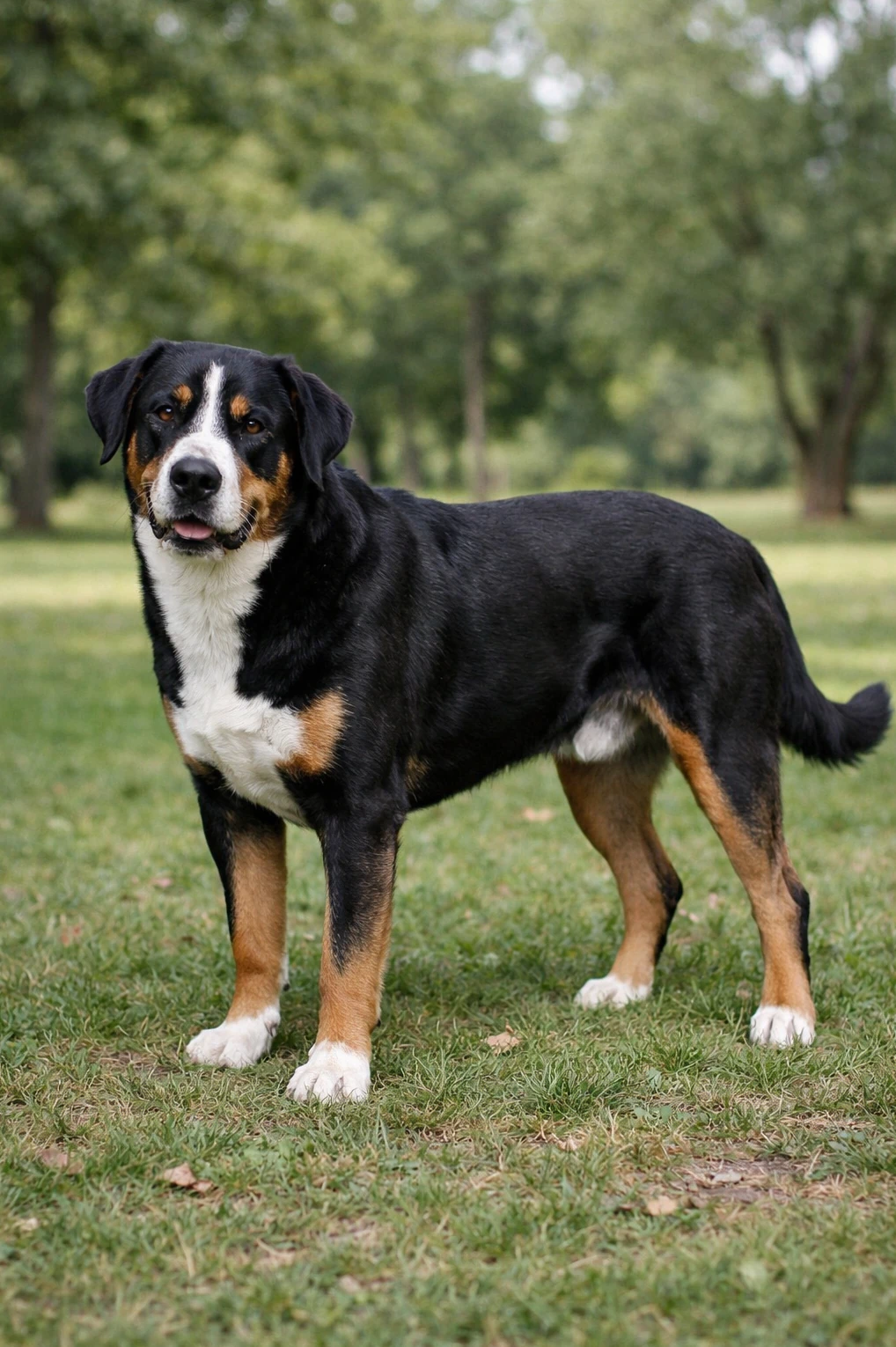
Best Dog Food for Boerboel in 2026Based on Nutritional Science
Large, muscular Boerboel stands about 24 to 27 inches tall and weighs 150 to 200 pounds.
Bright, self-assured and steady. Nutritional Verdict: needs balanced, protein-rich meals to support size and joint health, with controlled portions.

Understanding the Boerboel Metabolism and Energy Needs
This large guardian was developed to protect farms and homesteads, combining bright problem solving, steady nerves, and an assured presence. Those qualities mean its daily food must fuel both a muscular frame and a clear mind. Diets that support strength and focus help these dogs stay reliable without carrying extra weight.
A diet centered on quality animal protein preserves muscle and supports recovery after active periods, think chicken, beef, or fish as main ingredients. Healthy fats give sustained energy and nourish skin and coat, while controlled amounts of digestible grains or vegetables provide steady blood sugar and gentle fiber for digestion. Targeted supplements such as glucosamine for joint support, omega-3s for inflammation and coat health, and antioxidants for long term cognitive and immune support complete the picture.
Managing Boerboel Genetic Health Risks Through Nutrition
Hip Dysplasia
Helpful nutrients
Elbow Dysplasia
Helpful nutrients
Heart Disease
Helpful nutrients
Ectropion (eyelid drooping)
Helpful nutrients
Entropion (eyelid inversion)
Helpful nutrients
Ear Problems / Infections
Helpful nutrients
Dental Disease
Helpful nutrients
Obesity
Helpful nutrients
Boerboel Feeding & Calorie Calculator
Estimated Daily Calories
Tip: Start with this amount and adjust after 2–3 weeks based on your dog's body condition and weight trend.
This estimate provides a starting point for feeding. Individual calorie needs may vary depending on metabolism, body condition, and health status. Always monitor your dog's weight and consult your veterinarian when adjusting diet.
Foods and Ingredients to Avoid for Boerboel Dogs
Given a Boerboel’s large size and tendency to gain weight, high-fat foods and greasy table scraps can quickly lead to obesity and increase the risk of pancreatitis.
Excess fat promotes rapid weight gain, which places extra stress on hips, elbows and the heart, exacerbating conditions breeders screen for.
Keep meals lean, measure portions carefully and reserve rich treats for very occasional rewards to protect joints and long-term health.
Training treats and human scraps are useful, but for a dog that can reach 150 to 200 pounds, frequent high-calorie extras add up fast and promote unwanted weight gain.
Extra pounds worsen the risk and severity of hip and elbow dysplasia and can complicate cardiac health over time.
Use low-calorie training rewards, factor treats into daily calorie counts, and consult your vet about appropriate portioning.
Large-breed puppies such as Boerboels need carefully controlled calcium and calorie intake to support steady, healthy bone growth and reduce the chance of orthopedic problems.
Too much calcium, or overly rich diets, can disrupt normal skeletal development and increase the risk of hip and elbow dysplasia later in life.
Feed a veterinarian-recommended large-breed puppy formula and avoid supplemental calcium unless your vet explicitly advises it.
Diets that swap grains for high levels of peas, lentils, chickpeas or potato concentrates have been linked in some cases to an increased risk of dilated cardiomyopathy, a heart condition of concern in breeds with cardiac predispositions.
Because Boerboels are evaluated for heart disease, it’s prudent to avoid foods where these ingredients dominate the protein profile.
Choose balanced diets with clearly named meat proteins and discuss diet choices with your veterinarian if there is any family history of heart problems.
Processed meats, salty snacks and too much added salt raise sodium intake and often bring unhealthy fats, which can strain cardiovascular health and promote fluid retention.
For a large breed at risk of heart issues, keeping sodium in check helps protect the heart and reduces overall health complications.
Avoid deli meats, bacon and salty human treats, and offer plain cooked lean proteins when you want to share a small, safe snack.
Some common human foods are outright poisonous to dogs, including chocolate, grapes and raisins, xylitol-sweetened items, onions and garlic, which can cause vomiting, organ damage, anemia or dangerously low blood sugar.
For a big dog like a Boerboel, the amount consumed and any underlying health issues can make these exposures especially serious.
Keep these foods completely out of reach and contact your veterinarian or an emergency poison helpline immediately if you suspect ingestion.
How Nutritional Needs Change Throughout the Boerboel Life Stages
Dogs need different nutrition at puppyhood, adulthood, and their senior years, and Boerboels are no exception. Growth rate, activity level, and breed health tendencies shape those needs, so feeding decisions change as your Boerboel grows. Paying attention to life stage helps protect joints, support energy and muscle, and reduce risks tied to hip or heart issues.
| Life Stage | Age Range | Primary Objective | Key Nutrient Focus |
|---|---|---|---|
| Puppy | 0–18 months | controlled skeletal development, immune support, brain development | DHA, balanced calcium/phosphorus, high-quality protein |
| Adult | 1.5–5 years | lean muscle maintenance and sustained energy | high-quality protein, omega-3 fatty acids, fiber |
| Senior | 5+ years | joint mobility, metabolic health, and cognitive support | glucosamine, chondroitin, antioxidants, lower calories |
Boerboel puppies grow into large, powerful dogs over a longer period than small breeds, often taking 18 to 24 months to mature, so their skeletal development needs careful support. Rapid weight gain or excess calcium can stress growing joints, so controlled calories and a balanced calcium to phosphorus ratio are important to reduce risks of hip and elbow issues.
Feed smaller, frequent meals while they are very young, moving from three to four feedings down to two by late adolescence, and avoid vigorous exercise right after eating to lower the chance of bloat. Prioritize high quality, digestible protein for muscle growth, omega-3 fatty acids for skin and coat, DHA for brain development, and consider joint-support nutrients like glucosamine if advised by your vet, while watching overall weight because Boerboels benefit from steady, measured growth.
An adult Boerboel needs steady, balanced nutrition to maintain muscle mass and provide enough energy for moderate activity without promoting excess weight. Focus on high quality protein to preserve lean tissue, moderate fat for energy, and appropriate calories based on whether your Boerboel is a working dog or a relaxed companion, since activity level strongly affects daily needs.
Because Boerboels can be calm but powerful, portion control and regular exercise help keep joints and heart healthy, and maintaining an ideal body condition reduces stress on hips and elbows. Routine dental care and watching for breed-specific health signs like eye or heart changes will help you adjust food texture, supplements, or caloric intake as needed.
As Boerboels age, metabolism often slows and digestion can become less efficient, while joints may stiffen and muscle mass can decline, so senior feeding should support mobility and overall vitality. Slightly reducing calories while keeping protein high helps prevent fat gain without sacrificing muscle, and more digestible protein sources can ease digestion for older dogs.
Add joint-supporting nutrients such as glucosamine and omega-3 fatty acids, and include antioxidants to support immune health and cellular repair. If dental issues or picky appetite appear, try softer or moistened foods and smaller, more frequent meals, and work with your veterinarian on heart-friendly options and precise calorie adjustments to keep your senior Boerboel comfortable and active.
Kibble vs Fresh vs Raw for Boerboel
Different feeding models suit different lifestyles, activity levels, and health needs. For a Boerboel, size, joint health, and growth considerations should guide your choice.
Pros
- Formulated large-breed recipes support joint health and controlled growth.
- Consistent nutrition helps maintain muscle mass for heavy, powerful dogs.
- Easy to portion and feed for busy owners with large dogs.
- Crunch helps reduce tartar compared to soft diets.
- Shelf-stable and convenient for travel and storage.
Cons
- Can be calorie-dense, increasing obesity risk without careful portion control.
- Some formulas include fillers or lower-quality proteins that upset digestion.
- Lower moisture content may require increased water intake.
- Not personalized for specific sensitivities without specialty formulas.
Pros
- Highly palatable, helpful for picky or recovering dogs.
- High moisture supports hydration and healthy digestion.
- Allows precise control over protein and joint-support ingredients.
- Can help manage weight with lean meats and measured carbohydrates.
Cons
- Time-consuming and typically more expensive than kibble long term.
- Requires careful supplementation to ensure calcium and mineral balance.
- Needs refrigeration and more prep for large-breed portion sizes.
- Imbalances in recipes can affect joint development in growing dogs.
Pros
- High protein can support lean muscle for powerful, active dogs.
- Some owners report shinier coats and improved energy levels.
- Minimal processing preserves natural nutrients and flavors.
- Can be tailored to reduce allergens in sensitive individuals.
Cons
- Bacterial contamination risk for both dogs and household members.
- Balancing calcium and phosphorus is critical, especially for growing large breeds.
- Raw bones can cause dental fractures or gastrointestinal obstruction.
- Requires strict hygiene, veterinary guidance, and more preparation time.
| Diet Type | Pros for Boerboel | Potential Downsides |
|---|---|---|
| High-Quality Kibble |
|
|
| Fresh Cooked Food |
|
|
| Raw Diet (BARF) |
|
|
Our Recommendation
For many Boerboel families, a high-quality large-breed kibble or a vet-approved fresh-cooked plan gives reliable nutrition and joint support.
Raw feeding may suit some owners, but it demands strict balancing and hygiene, and is riskier for puppies without professional oversight.
See Also
Breeds with similar group, size, and coat characteristics