Best Dog Food for Bluetick Coonhound in 2026Based on Nutritional Science
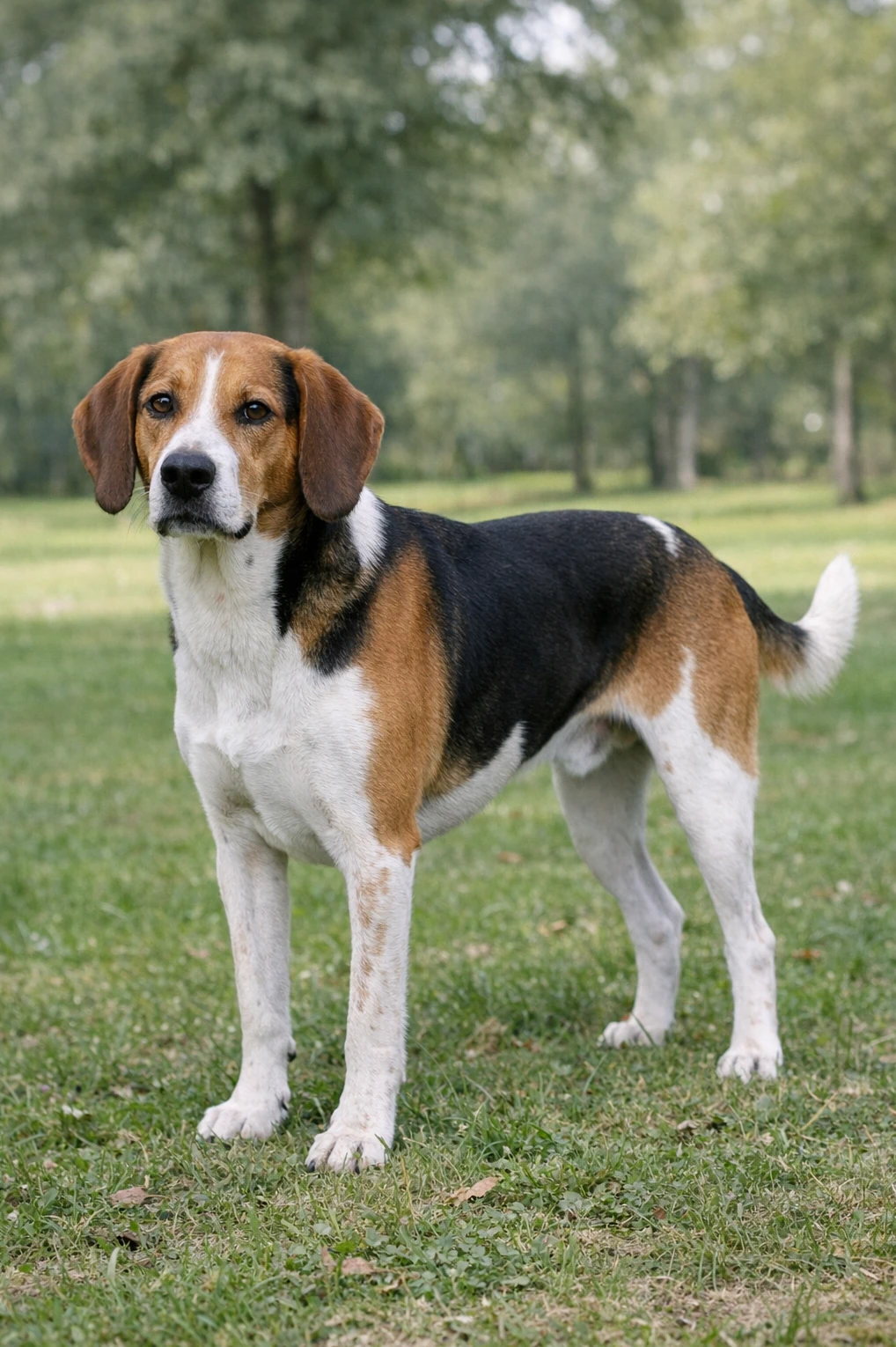
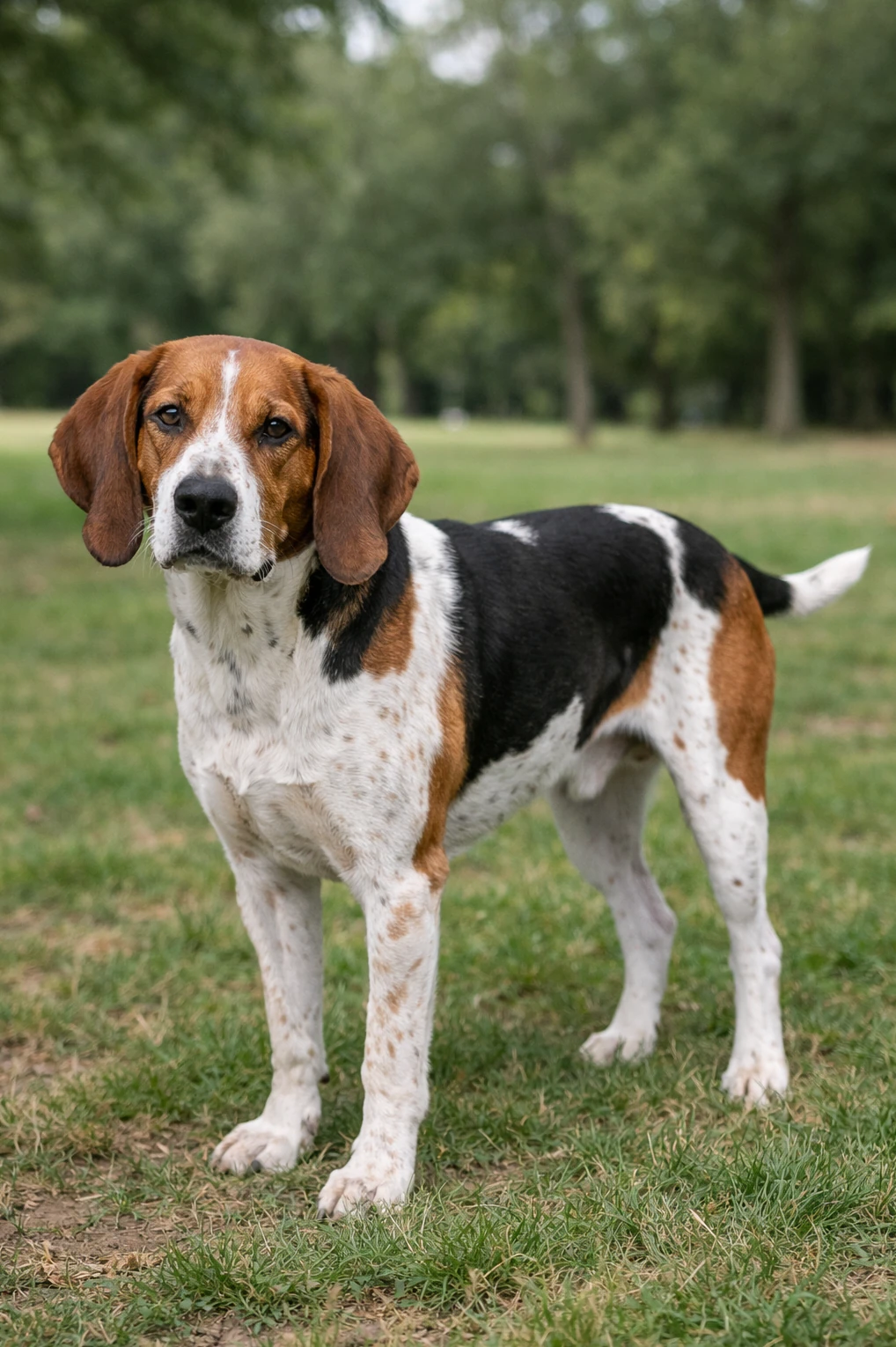
Bluetick Coonhound males stand about 22-27 inches and weigh 55-80 pounds. Loyal, clever, and determined trackers. Nutritional verdict: active dogs need daily high-quality protein and steady calories to stay healthy.
Understanding the Bluetick Coonhound Metabolism and Energy Needs
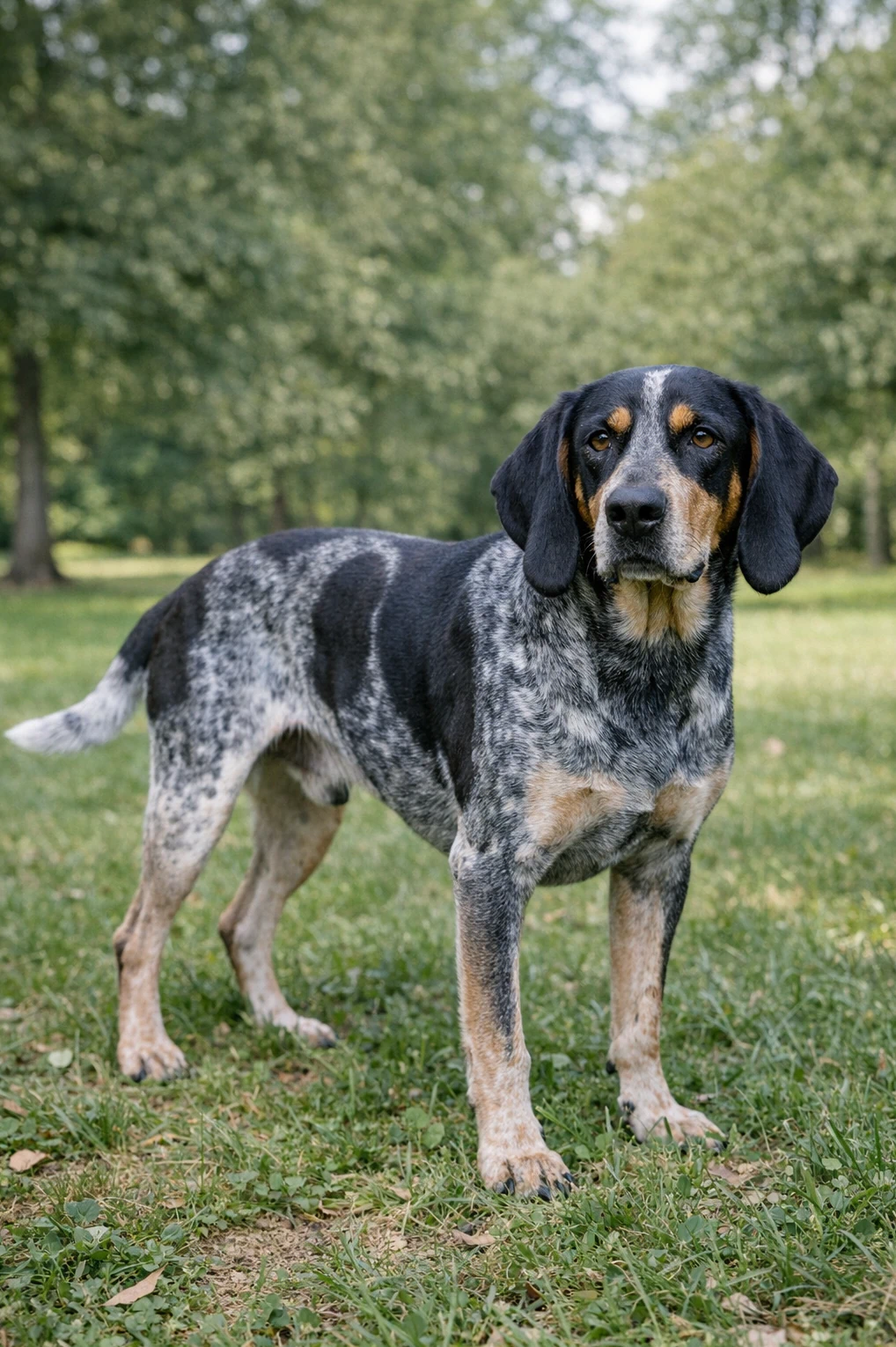
As a blue-speckled scent hound bred to trail and tree quarry at night, this dog combines loyal companionship with clever problem solving and steady drive. Those responsibilities mean the diet must support long bouts of tracking, a sensitive nose, and maintenance of lean muscle.
A feeding plan that emphasizes quality protein, roughly 25 to 30 percent of calories, helps preserve the muscles used during long chases. Moderate fat, about 15 to 20 percent, supplies slow-burning energy for endurance, while keeping carbohydrates controlled prevents excess weight that would slow a persistent tracker. Extra calories on very active days help match output.
Include omega-3s for skin, coat and brain support, plus joint support like glucosamine and chondroitin to protect hardworking joints. B vitamins and antioxidants aid steady energy release and recovery after long outings.
Managing Bluetick Coonhound Genetic Health Risks Through Nutrition
Bloat (Gastric Dilatation-Volvulus)
Helpful nutrients
Ear Infections
Helpful nutrients
Dental Disease (Tartar and Gum Disease)
Helpful nutrients
Obesity
Helpful nutrients
Bluetick Coonhound Feeding & Calorie Calculator
Estimated Daily Calories
Tip: Start with this amount and adjust after 2–3 weeks based on your dog's body condition and weight trend.
This estimate provides a starting point for feeding. Individual calorie needs may vary depending on metabolism, body condition, and health status. Always monitor your dog's weight and consult your veterinarian when adjusting diet.
Foods and Ingredients to Avoid for Bluetick Coonhound Dogs
Bluetick Coonhounds can gain weight if their calorie intake is not watched, and high-fat foods make that easier to do.
Excessive fats, rich table scraps, and greasy treats can contribute to obesity and increase the chance of pancreatitis in susceptible dogs.
Keeping fats moderate helps protect their weight and energy levels, and supports joint and heart health.
Aim for lean protein and vet-approved treats to keep your hound fit and happy.
Deep-chested breeds like the Bluetick are more vulnerable to bloat, so foods or feeding routines that encourage rapid, large-volume eating should be avoided.
Free-feeding or huge single meals increase the chance the stomach will distend and possibly twist, a life-threatening emergency.
Use measured meals and consider slow-feeding options after talking with your vet.
Small, controlled portions reduce bloat risk and help manage weight, while keeping meal times calm and relaxed.
Onions, garlic, leeks and chives contain compounds harmful to dogs and can damage red blood cells, leading to anemia over time.
Even small amounts in cooked or powdered form, such as in sauces or seasonings, can be dangerous if consumed regularly or in larger quantities.
Because Blueticks are active and rely on good oxygen transport, protecting their blood health is important.
Avoid any foods seasoned with alliums and check ingredient labels on human foods and treats.
Grapes and raisins can cause sudden kidney failure in some dogs, and chocolate contains theobromine which is toxic and can affect the heart and nervous system.
These treats are best kept well out of reach, especially since Blueticks can be curious and may scavenge while outdoors.
Even small amounts can be risky depending on body weight and the specific food. If accidental ingestion occurs, contact your veterinarian or emergency clinic right away.
Some Blueticks may be sensitive to artificial preservatives and colorings, which can trigger skin irritation, digestive upset, or subtle long-term reactions.
Ingredients like BHA, BHT, and some synthetic dyes are best avoided when you see them listed in dog foods or treats.
Choosing products with natural preservatives and simple ingredient lists helps reduce the chance of flare ups.
If your dog shows itching, ear trouble, or tummy problems, discuss diet changes with your veterinarian.
Cooked bones can splinter and cause choking, mouth injuries, or intestinal blockages, which may require emergency care.
Very hard chews and antlers can also fracture teeth, and dental problems are something you want to prevent with regular brushing and safe chew choices.
Offer vet-recommended chew alternatives and supervise any chew time to protect your Bluetick's mouth and digestive tract.
When in doubt, check with your veterinarian about safe options for your dog.
How Nutritional Needs Change Throughout the Bluetick Coonhound Life Stages
Dogs have changing nutritional needs as they move from puppyhood to adulthood to their senior years. A Bluetick Coonhound’s requirements reflect its large, athletic frame, steady but sometimes fast growth, high activity level, and breed tendencies such as a deep chest and low-hanging ears. Tailoring calories, protein, joint support, and feeding routines helps support healthy growth, sustained energy, and graceful aging.
| Life Stage | Age Range | Primary Objective | Key Nutrient Focus |
|---|---|---|---|
| Puppy | 0–15 months | controlled skeletal development, immune support, brain development | DHA, balanced calcium/phosphorus, high-quality protein |
| Adult | 1.5–6 years | lean muscle maintenance and sustained energy | high-quality protein, omega-3 fatty acids, fiber |
| Senior | 6+ years | joint mobility, metabolic health, and cognitive support | glucosamine, chondroitin, antioxidants, lower calories |
Bluetick Coonhound puppies are large-breed youngsters, so their bones and joints need careful support as they grow. Growth is steady but can put stress on the developing skeleton, so a controlled, moderate calorie plan and a large-breed puppy formula help promote steady growth and reduce the risk of orthopedic issues. Proper calcium to phosphorus balance is important, excess calcium can be harmful, and a vet can recommend the right commercial diet or supplements.
Feed younger puppies three to four small meals a day, moving to two to three by six months while monitoring body condition. Prioritize high quality protein for lean muscle, DHA for brain development, omega-3 fats for skin and coat, and avoid heavy exercise right after meals to help lower bloat risk. Regular ear checks and dental care should start early.
An adult Bluetick needs nutrition that maintains muscle mass and fuels a high activity level without promoting excess weight. Aim for a diet with good quality animal protein, moderate fat for energy, and balanced carbohydrates for sustained activity. Healthy fats and omega-3s support coat condition and joint health, while digestible ingredients make the most of each meal and help with consistent energy.
Most adult Blueticks do well on two measured meals a day paired with regular exercise. Monitor body condition and adjust calories if activity changes, since too much weight stresses the joints and may increase the risk of bloat. Routine ear care and dental hygiene remain important for overall health.
As Bluetick Coonhounds age, metabolism and activity typically decline and digestion can become less efficient, so calories often need to be reduced slightly to prevent weight gain. Protein remains important to preserve muscle mass, so choose highly digestible, quality protein sources. Increasing fiber modestly can help digestion, and smaller, more frequent meals can be easier on a slower stomach and may help lower bloat risk.
Joint support becomes a priority, with nutrients such as glucosamine, chondroitin, and omega-3 fatty acids helping mobility. Antioxidants like vitamins E and C, and controlled caloric intake paired with gentle, regular exercise, support cognitive and physical health. Continue ear checks and dental care, and work with your veterinarian to tailor a senior plan to your dog’s changing needs.
Kibble vs Fresh vs Raw for Bluetick Coonhound
Different feeding models suit different lifestyles and owner availability. Bluetick Coonhounds' endurance, tenacity, and bloat risk mean diets should match activity, routine, and veterinary guidance.
Pros
- Convenient and easy to portion for busy owners.
- Provides consistent, complete nutrients for active scent hounds.
- Shelf-stable for hunting trips and long days outdoors.
- Crunch can help reduce tartar with regular brushing.
Cons
- Low moisture content means you must ensure extra water intake.
- Some formulas contain fillers or lower-quality ingredients.
- Rapid eating can increase bloat risk without management.
- May be less appealing to picky or aging dogs.
Pros
- Highly palatable, often loved by picky Blueticks.
- High moisture supports hydration and digestion.
- Full control over ingredients helps manage allergies or sensitivities.
- Easily adjusted for high activity or weight control.
Cons
- Requires time and planning to ensure nutritional balance.
- Costs more and needs refrigeration between meals.
- Mistakes in recipes can create nutrient gaps.
- Busy owners may find meal prep impractical long term.
Pros
- High protein mirrors ancestral diets and supports stamina.
- Some owners report shinier coats and improved energy.
- Fewer processed ingredients appeals to many owners.
- Can be tailored for large, active breeds' calorie needs.
Cons
- Strict hygiene needed to avoid bacterial contamination.
- Balancing vitamins and minerals requires veterinary or nutritionist input.
- Whole bones can pose risks if not handled properly.
- Not ideal for households with young children or immunocompromised people.
| Diet Type | Pros for Bluetick Coonhound | Potential Downsides |
|---|---|---|
| High-Quality Kibble |
|
|
| Fresh Cooked Food |
|
|
| Raw Diet (BARF) |
|
|
Our Recommendation
For most Blueticks, high-quality kibble or a thoughtfully prepared fresh cooked plan tends to work best when portions match activity.
Kibble gives convenience, while fresh food helps hydration and pickiness. Raw can be suitable for committed owners, but only with veterinary guidance and strict hygiene.
See Also
Breeds with similar group, size, and coat characteristics