Best Dog Food for Basset Hound in 2026Based on Nutritional Science
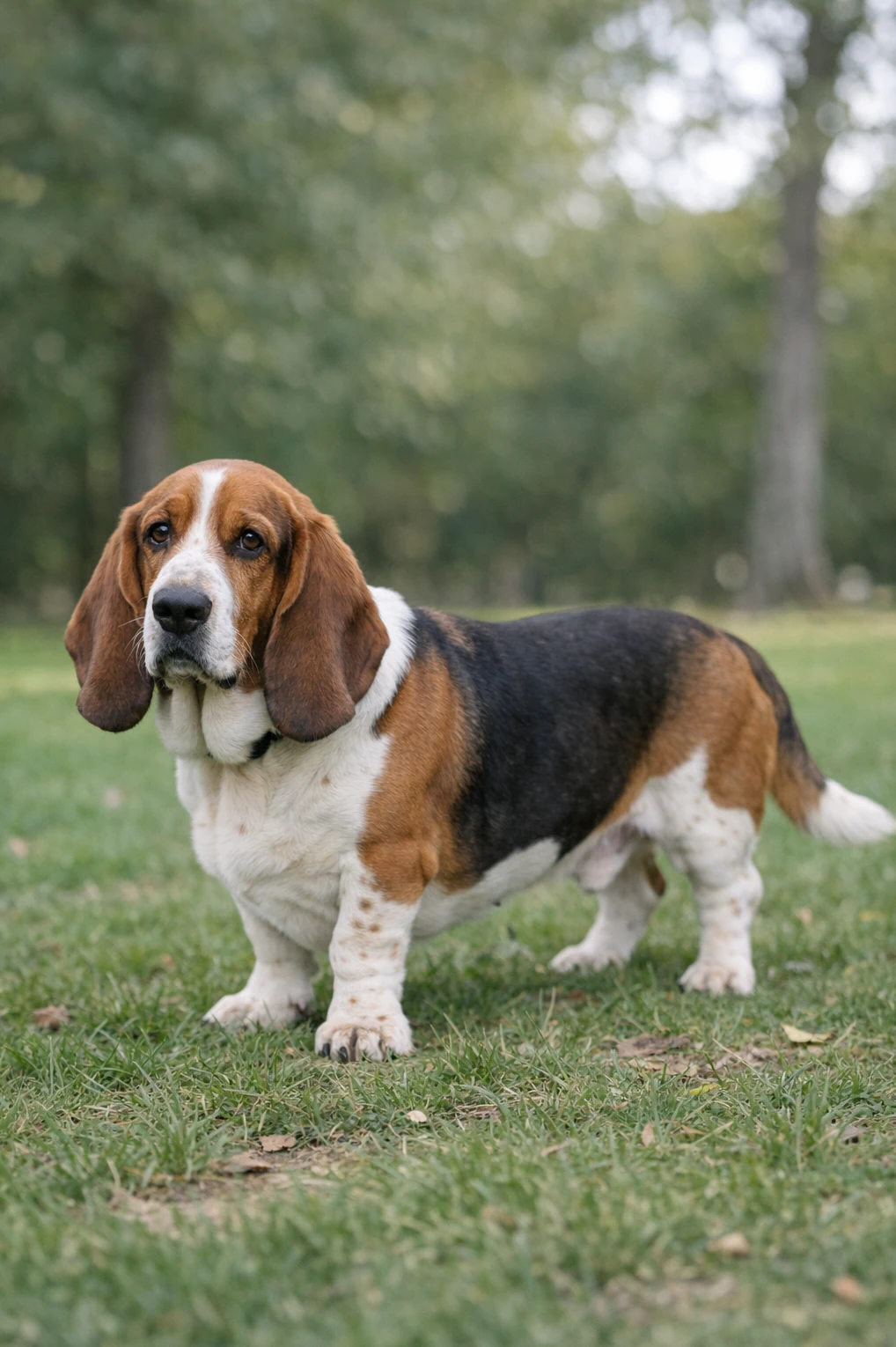
Compact hound, about 15 inches tall and 40 to 65 pounds, with an endearing, even-tempered, easygoing nature. Nutritional verdict: balanced, portion-controlled meals with joint and weight support keep this laid-back companion healthy.
Understanding the Basset Hound Metabolism and Energy Needs
This type of scent-driven, steady companion was developed for long, slow tracking rather than sprints, so nutrition should protect lean mass without encouraging extra weight. A modest protein level, roughly 20 to 25 percent of calories, helps preserve muscle supporting a long back, while controlled fats, about 12 to 18 percent, give needed energy and support a glossy coat without excess calories. Plenty of soluble fiber helps them feel full, reducing the temptation to overeat during quiet days.
Joint and ear care are important for this body plan and floppy ears. Supplements such as glucosamine and chondroitin support spine and hip health, omega-3 fatty acids reduce inflammation and help skin and ear health, and probiotics aid digestion. Small, frequent meals and calorie-conscious treats keep body condition ideal, matching their mellow energy and scent-focused behavior.
Managing Basset Hound Genetic Health Risks Through Nutrition
Ear Infections
Helpful nutrients
Hip Dysplasia
Helpful nutrients
Elbow Dysplasia
Helpful nutrients
Luxating Patella (Dislocated Kneecap)
Helpful nutrients
Glaucoma / Eye Health
Helpful nutrients
Hypothyroidism
Helpful nutrients
Bleeding Disorders
Helpful nutrients
Dental Disease
Helpful nutrients
Obesity / Overweight
Helpful nutrients
Basset Hound Feeding & Calorie Calculator
Estimated Daily Calories
Tip: Start with this amount and adjust after 2–3 weeks based on your dog's body condition and weight trend.
This estimate provides a starting point for feeding. Individual calorie needs may vary depending on metabolism, body condition, and health status. Always monitor your dog's weight and consult your veterinarian when adjusting diet.
Foods and Ingredients to Avoid for Basset Hound Dogs
Given Basset Hounds are prone to weight gain and joint issues, foods high in fat can quickly lead to extra pounds and put more stress on their hips, elbows, and spine.
Keep fatty table scraps, fried foods, and rich homemade dishes to a minimum, and work with your vet to choose lean proteins and controlled fat levels that support a healthy weight and lower the risk of pancreatitis.
Treats are useful for training, but this breed's tendency toward obesity means extra calories add up fast and can worsen hip and elbow problems or contribute to hypothyroid-related weight gain.
Use low-calorie training treats, measure daily calories into their feeding plan, and avoid free-feeding to keep a Basset's weight steady and their joints as comfortable as possible.
Some common human foods are dangerous for dogs, and Bassets are no exception; chocolate, grapes and raisins, xylitol-sweetened products, onions, garlic, and macadamia nuts should never be offered.
Because even small amounts can cause vomiting, low blood sugar, liver damage, or neurological signs, store human treats safely and contact your veterinarian immediately if you suspect ingestion.
Large or very hard bones and heavy, long-lasting chews can crack teeth or cause chomping injuries, and because Bassets have a heavy head and short neck, strenuous chewing can place extra pressure on their jaw and neck.
Choose appropriately sized, softer dental chews or durable rubber toys made for medium-weight breeds, and supervise chew time to reduce the risk of broken teeth or choking.
During growth, too much calcium or unbalanced supplements can increase the risk of hip and elbow dysplasia, conditions Bassets are already screened for, so avoid adding calcium or joint supplements without your veterinarian's guidance.
For puppies, feed a balanced puppy formula recommended by your vet and revisit supplement needs as the dog matures to support steady, healthy bone development.
Bassets can suffer from skin and ear issues that worsen with food sensitivities, so avoid foods with artificial preservatives, colors, and common allergens like excessive dairy, soy, or wheat if your dog shows itchiness or repeated ear infections.
Choosing limited-ingredient diets or hypoallergenic options under veterinary guidance helps identify triggers, improves ear and skin comfort, and supports dogs prone to allergies or hypothyroid-related skin changes.
How Nutritional Needs Change Throughout the Basset Hound Life Stages
Dogs have different nutritional needs at puppyhood, adulthood, and in their senior years, and those needs change as their bodies and lifestyles change. Breed size, growth rate, activity level, and common health tendencies all influence the right balance of calories, protein, fats, and supplements. For Basset Hounds, their low-key activity, long bodies, and joint or ear sensitivities mean diet matters for long-term comfort and mobility.
| Life Stage | Age Range | Primary Objective | Key Nutrient Focus |
|---|---|---|---|
| Puppy | 0–15 months | controlled skeletal development, immune support, brain development | DHA, balanced calcium/phosphorus, high-quality protein |
| Adult | 1.5–6 years | lean muscle maintenance and sustained energy | high-quality protein, omega-3 fatty acids, fiber |
| Senior | 6+ years | joint mobility, metabolic health, and cognitive support | glucosamine, chondroitin, antioxidants, lower calories |
Basset Hound puppies are a large, heavy-boned breed that grow steadily rather than explosively, so controlled, steady growth matters to protect developing hips and elbows. Aim for a diet formulated for large-breed puppies with balanced calcium and phosphorus, high-quality protein for muscle and tissue building, and DHA for brain and eye development. Feed smaller, measured meals three to four times a day while they are young to avoid overeating and to reduce stress on the digestive tract.
Because Bassets are low-key but can have bursts of energy, avoid excessive free-feeding and high-calorie formulas that promote rapid weight gain. Include early joint-support nutrients like glucosamine and omega-3s if your veterinarian agrees, and start gentle ear care and dental brushing routines to support overall health from the start.
Adult Basset Hounds need a balanced diet that maintains lean muscle and steady energy without encouraging excess weight, which stresses their long backs and short legs. Choose a food with good quality protein, moderate fat, and appropriate fiber to support digestion, while keeping portion sizes and treats in check to prevent obesity. Regular moderate exercise paired with controlled calories helps preserve muscle and keeps joints healthier over time.
Because Bassets can be prone to hypothyroidism and joint issues, monitor body condition and consult your vet about supplements like glucosamine or fish oil. Routine ear checks and twice-weekly tooth brushing remain part of a nutrition-supported health plan, since overall wellness supports digestion, activity, and vitality.
As Basset Hounds age, metabolism often slows and mobility may suffer because of arthritis, hip dysplasia, or luxating patella, so calorie needs typically decrease while protein needs remain steady or rise slightly to preserve muscle. Offer a highly digestible diet with adequate, high-quality protein, reduced calories if weight gain becomes an issue, and softer or moistened kibble if dental wear makes chewing difficult. Increase fiber modestly to support gut health and regularity.
Support joints with glucosamine, chondroitin, and omega-3 fatty acids, and add antioxidants like vitamin E to help reduce age-related inflammation. Keep monitoring thyroid function, eye health, and ear condition with your veterinarian, and adjust portions or supplements as mobility and appetite change.
Kibble vs Fresh vs Raw for Basset Hound
Different feeding models suit different lifestyles and health needs.
For a Basset Hound, their low-key energy and tendency toward weight and joint issues make calorie control and joint support important when choosing food.
Pros
- Convenient and easy to portion for busy owners.
- Available in weight-control formulas to help prevent obesity.
- Crunching can help reduce tartar between brushings.
- Many recipes include joint support like glucosamine.
- Stable shelf life, easy for travel and storage.
Cons
- Can be calorie-dense, causing weight gain if overfed.
- Some brands contain fillers or artificial additives.
- Low moisture may not suit less active dogs.
- Requires careful measuring to avoid portion errors.
Pros
- Highly palatable, great for picky Basset eaters.
- Higher moisture supports hydration and urinary health.
- Easier to include joint-friendly ingredients like fish and greens.
- Full control over ingredient quality and portion sizes.
Cons
- More expensive and time-consuming than dry food.
- Requires careful planning to ensure complete nutrition.
- Needs refrigeration and prep, less convenient for travel.
- Mistakes in balance can affect conditions like hypothyroidism or clotting.
Pros
- Mimics an ancestral diet with high-quality proteins.
- Some owners report shinier coats and improved energy.
- Unprocessed ingredients retain more natural nutrients.
Cons
- Higher risk of bacterial contamination for dogs and humans.
- Balancing calcium and nutrients is challenging without guidance.
- Raw bones can cause choking or intestinal blockage.
- Not ideal for homes with young children or immunocompromised people.
| Diet Type | Pros for Basset Hound | Potential Downsides |
|---|---|---|
| High-Quality Kibble |
|
|
| Fresh Cooked Food |
|
|
| Raw Diet (BARF) |
|
|
Our Recommendation
For most Bassets, a measured, high-quality kibble or a carefully balanced fresh-cooked plan tends to work best for weight and joint management.
Raw diets may suit some dogs, but they require strict veterinary support and hygiene and are not the safest choice for every family.
See Also
Breeds with similar group, size, and coat characteristics