Best Dog Food for Appenzeller Sennenhund in 2026Based on Nutritional Science
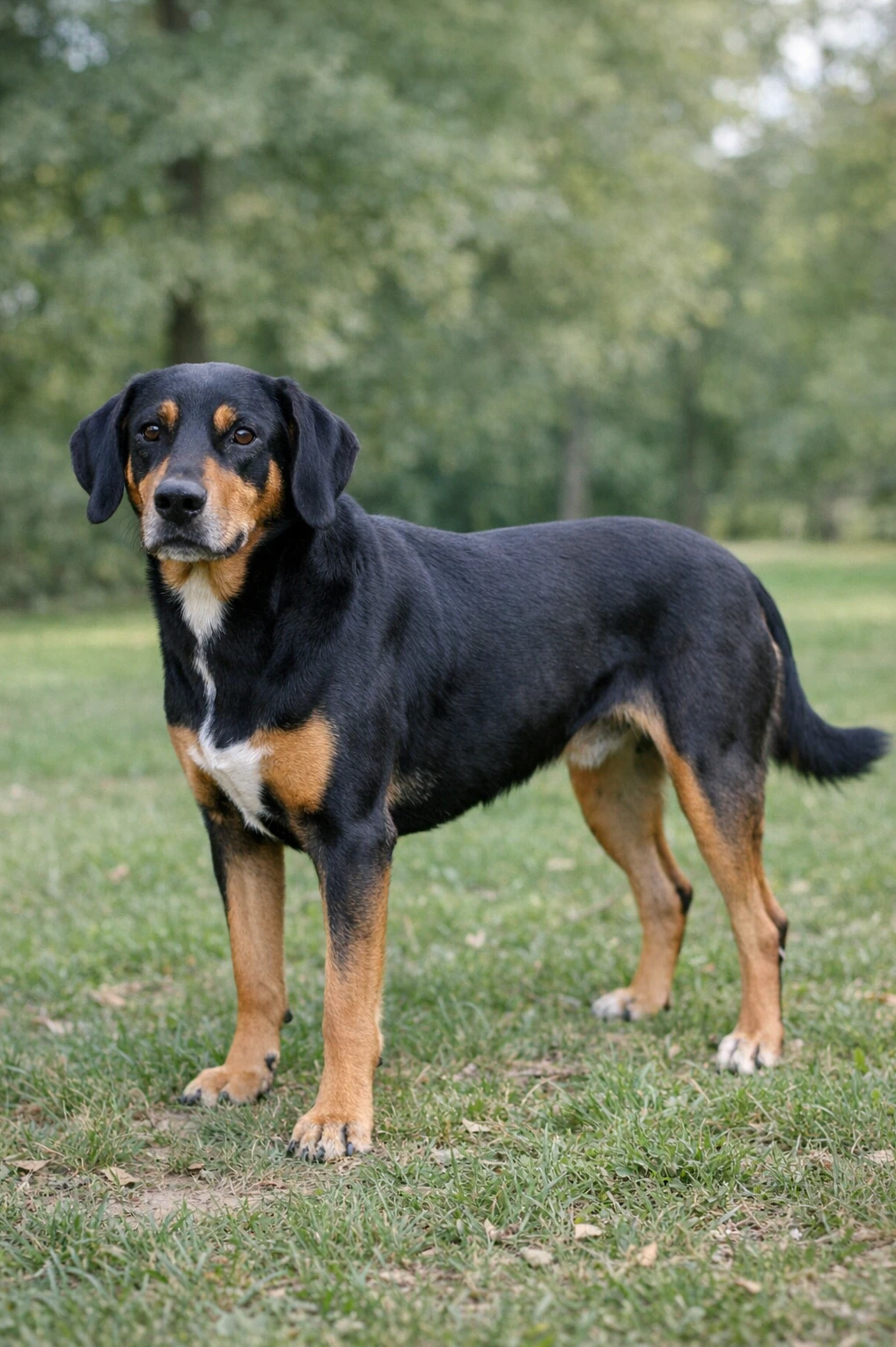
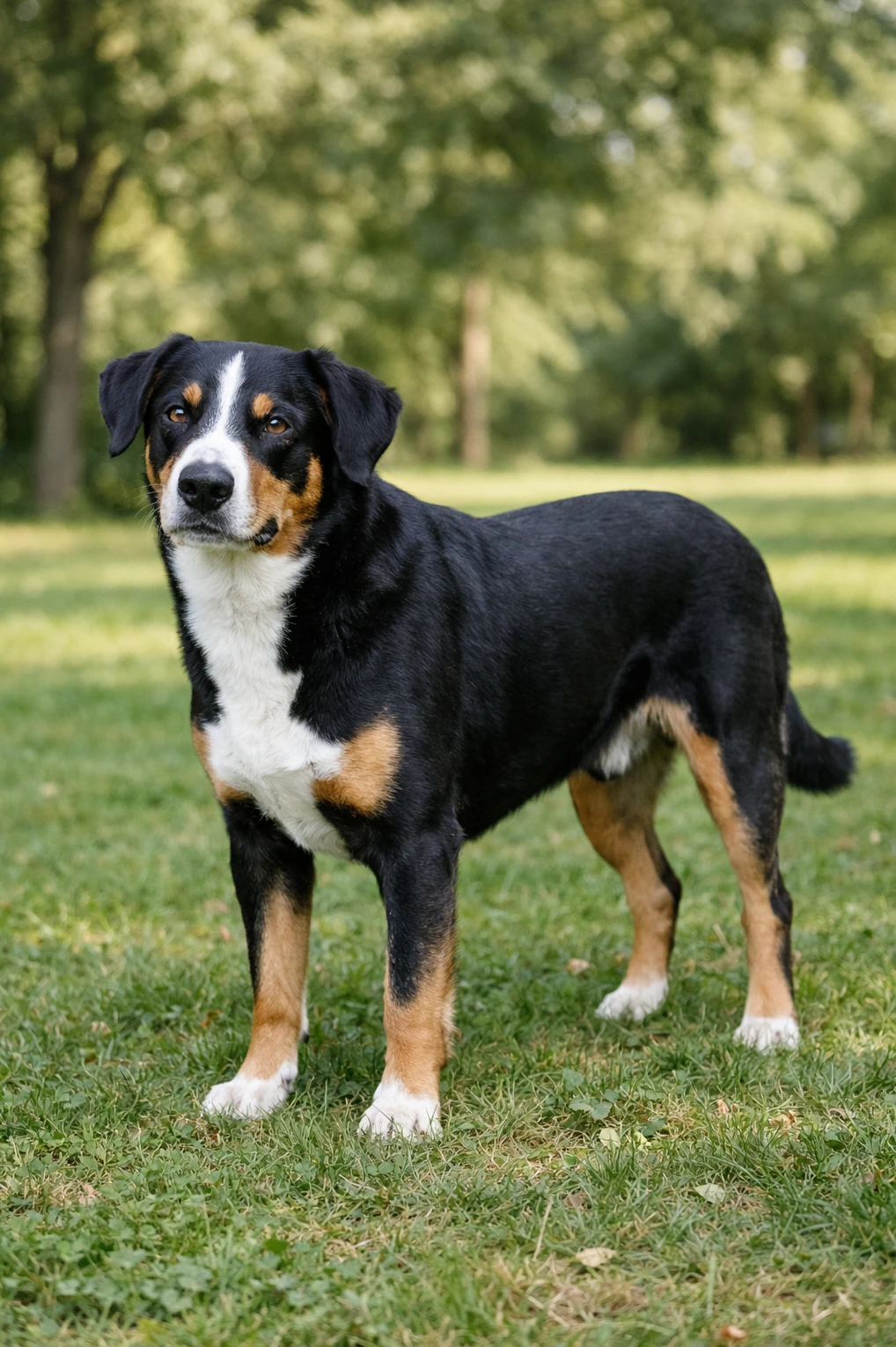
Medium-large, sturdy companion, standing 20 to 22 inches and weighing 48 to 70 pounds. Adaptable, nimble, and spirited, needs high-quality protein, balanced fats, and active-dog calories. Nutritional verdict: hearty, performance-focused diet.
Understanding the Appenzeller Sennenhund Metabolism and Energy Needs
As a compact Swiss farm worker bred to handle herding, guarding, and all day tasks, this dog combines nimbleness and buoyant energy. That history means diets should prioritize high quality animal protein, to maintain strong, lean muscles and support quick recovery after bursts of activity. Lean meats like chicken, beef, or fish, plus concentrated egg or fish meal, provide amino acids for muscle and immune support.
Sustained stamina comes from moderate, digestible fats and slow burning carbohydrates, so healthy oils and complex roots such as sweet potato are smart choices. Omega-3 fatty acids help skin, coat, and joint health, while joint-building supplements like glucosamine and chondroitin protect cartilage in an active body. Antioxidants and balanced minerals aid recovery and bone integrity, creating a steady, supportive plan for an energetic, multi-tasking canine.
Managing Appenzeller Sennenhund Genetic Health Risks Through Nutrition
Obesity
Helpful nutrients
Life-stage nutritional needs
Helpful nutrients
Dehydration and hydration support
Helpful nutrients
Appenzeller Sennenhund Feeding & Calorie Calculator
Estimated Daily Calories
Tip: Start with this amount and adjust after 2–3 weeks based on your dog's body condition and weight trend.
This estimate provides a starting point for feeding. Individual calorie needs may vary depending on metabolism, body condition, and health status. Always monitor your dog's weight and consult your veterinarian when adjusting diet.
Foods and Ingredients to Avoid for Appenzeller Sennenhund Dogs
Appenzeller Sennenhunds can do well on a balanced diet, but some individuals are prone to gaining excess weight, so high-fat foods should be limited.
Fatty table scraps, rich cuts of meat, and oily snacks add a lot of calories quickly and can lead to weight gain that stresses joints and mobility.
Choose lean protein sources and keep fatty treats rare, and talk with your veterinarian about a feeding plan that fits your dog’s age and activity level to help maintain a healthy weight.
Treats are wonderful for training and bonding, but too many can push an Appenzeller over its calorie target and contribute to obesity.
Small, frequent rewards add up, especially for a dog in the 48 to 70 pound range, where even a few extra calories daily can mean gradual weight gain.
Use low-calorie training treats, split pieces into smaller portions, and factor treats into the daily calorie allowance to keep your dog at a healthy body condition.
Onions, garlic, and related foods contain compounds that can damage a dog’s red blood cells and lead to anemia, and repeated or large exposures can be dangerous even for healthy breeds.
Powdered forms in seasonings and prepared foods are easy to overlook, so it is safest to avoid feeding any foods that contain them.
If your dog accidentally eats a significant amount, contact your veterinarian promptly for guidance, as early treatment improves outcomes.
Grapes and raisins can cause sudden and severe kidney damage in dogs, with reactions that are unpredictable across breeds and sizes, so they should be completely avoided.
Even small amounts have been linked to vomiting, lethargy, and kidney failure in some dogs, so it is not worth the risk.
Keep these fruits and any foods that contain them out of reach, and seek veterinary care immediately if you suspect ingestion.
Xylitol, a common sweetener in sugar-free gum, some peanut butters, and baked goods, causes a rapid insulin surge in dogs, leading to dangerous low blood sugar and possible liver injury.
Even small quantities can be life threatening for a medium-sized dog, so always check labels and avoid products that list xylitol.
If you think your dog has eaten something containing xylitol, call your veterinarian or an emergency clinic right away for urgent advice.
Cooked bones and small, brittle bones can splinter and cause choking, mouth injuries, or punctures in the digestive tract, which may require emergency surgery.
Larger breeds like the Appenzeller might seem able to handle bones, but the risk of sharp fragments and obstruction is still significant and unpredictable.
Offer only safe chew alternatives recommended by your vet, and supervise any chewing to protect teeth and gastrointestinal health.
How Nutritional Needs Change Throughout the Appenzeller Sennenhund Life Stages
Dogs need different nutrition at each life stage, from the rapid growth of puppyhood to the steady maintenance of adulthood and the adjustments of senior years. The Appenzeller Sennenhund is a lively, versatile large breed whose needs are shaped by its growth rate, activity level, and any breed health tendencies. Tailoring food and portions for each stage helps support strong bones, healthy muscles, steady energy, and long-term wellbeing.
| Life Stage | Age Range | Primary Objective | Key Nutrient Focus |
|---|---|---|---|
| Puppy | 0–15 months | controlled skeletal development, immune support, brain development | DHA, balanced calcium/phosphorus, high-quality protein |
| Adult | 1.5–6 years | lean muscle maintenance and sustained energy | high-quality protein, omega-3 fatty acids, fiber |
| Senior | 6+ years | joint mobility, metabolic health, and cognitive support | glucosamine, chondroitin, antioxidants, lower calories |
As a large, fast-growing breed, Appenzeller puppies need steady, controlled growth to build strong bones without overstressing developing joints. Provide a large-breed puppy formula with balanced calcium to phosphorus ratios and moderate calories, avoiding excess calcium or rapid weight gain that can contribute to hip and elbow problems, and feed three to four smaller meals daily until about six months, then transition to two meals.
Focus on high quality animal protein for lean muscle and DHA for brain and vision, with appropriate fats to meet their energetic, agile nature. Gentle exercise that avoids high-impact jumping and regular vet checks will help monitor growth and adjust nutrition as needed.
Adult Appenzellers are agile, working-oriented dogs that benefit from a diet that preserves lean muscle and fuels sustained activity. Aim for consistent, high quality protein to support muscle maintenance, and moderate fat for concentrated energy, while choosing digestible carbohydrates and fiber for steady stamina. Adjust calorie intake to match daily activity, offering more energy-dense meals for working or highly active dogs and scaling back for couch companions to avoid weight gain that stresses joints.
Senior Appenzellers often experience a gradual slowdown in metabolism and activity, plus possible early stiffness in hips or elbows as they age. Their diet should focus on highly digestible, quality protein to preserve muscle mass, with adjusted calories to prevent weight gain if activity drops or slightly more energy for seniors that remain active.
Add joint-support nutrients such as glucosamine, chondroitin, and omega-3 fatty acids to help mobility, and include antioxidants like vitamin E and selenium to support cellular health. Increased dietary fiber can aid digestion and weight management, while softer textures or smaller kibble may help dogs with dental wear; regular vet checks will guide tailored adjustments as your Appenzeller moves through its golden years.
Kibble vs Fresh vs Raw for Appenzeller Sennenhund
Different feeding models suit different lifestyles and activity levels. For the lively Appenzeller Sennenhund, consider activity, weight, and palate when choosing a diet.
Pros
- Convenient and easy to portion for busy owners.
- Formulas can meet high energy needs of active Appenzellers.
- Dry kibble can help reduce tartar with regular chewing.
- Wide calorie options help manage weight during work or play.
Cons
- Some brands contain fillers that offer less nutrition per cup.
- Lower moisture may not suit dogs that drink less water.
- High calorie formulas risk weight gain if activity drops.
- Quality varies, so label reading or vet advice is important.
Pros
- Highly palatable and great for picky or fussy eaters.
- High moisture supports hydration after vigorous exercise.
- You control ingredients, useful for food sensitivities.
- Easy to adjust calories for working or less active days.
Cons
- Daily meal prep can be time consuming for busy households.
- Requires careful balancing of nutrients, often needing a vet or nutritionist.
- Shorter shelf life, so storage and planning matter.
- Can be more expensive than kibble over time.
Pros
- High protein profile supports lean muscle in active Appenzellers.
- Some owners report shinier coats and improved energy levels.
- Less processed, preserves many natural nutrients and enzymes.
- Customizable for specific preferences or allergies.
Cons
- Higher infection risk without strict hygiene and safe handling.
- Bones can pose choking or splintering hazards for some dogs.
- Balancing vitamins and minerals is tricky without professional guidance.
- May be impractical for multi-dog households or frequent travel.
| Diet Type | Pros for Appenzeller Sennenhund | Potential Downsides |
|---|---|---|
| High-Quality Kibble |
|
|
| Fresh Cooked Food |
|
|
| Raw Diet (BARF) |
|
|
Our Recommendation
Many Appenzeller owners find high-quality kibble formulated for active breeds offers the best balance of convenience and nutrition.
Fresh cooked food suits picky dogs or owners who want control, while raw diets fit dedicated owners who work closely with their veterinarian.
See Also
Breeds with similar group, size, and coat characteristics