Best Dog Food for Wetterhoun in 2026Based on Nutritional Science
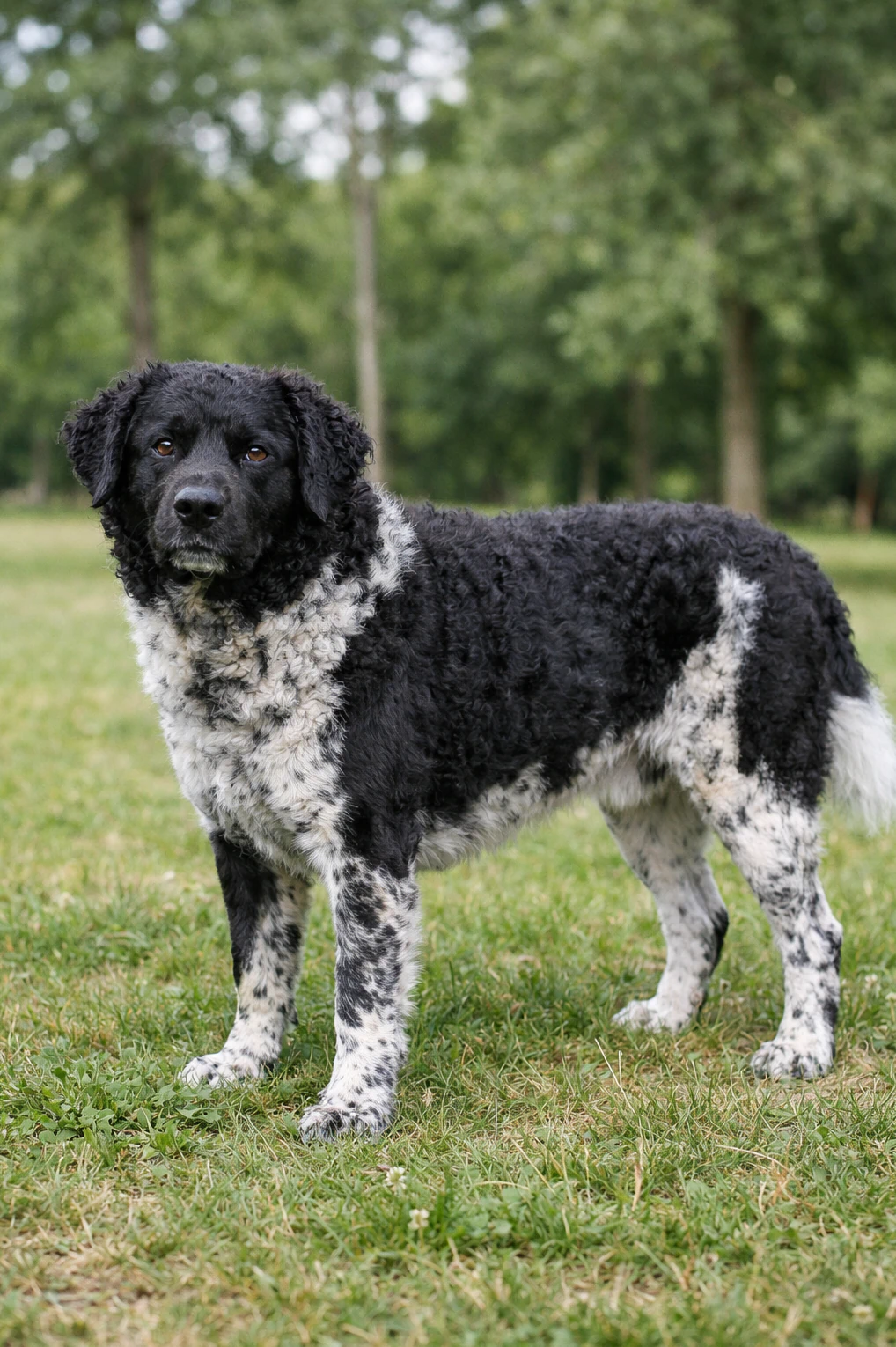
The Wetterhoun is a sturdy, devoted gundog around 23 inches tall and 50-75 pounds, clever and amiable by nature. Nutritional verdict: a high-quality, protein-forward diet with balanced fats and joint support.
Understanding the Wetterhoun Metabolism and Energy Needs
As a sturdy Dutch water dog bred for rugged, wet work, this type of companion pairs steady temperament with sharp problem solving and friendly manners. Those qualities mean a need for steady energy and resilient muscles, since they can be active in cold, wet conditions and enjoy long swims or brisk walks.
That history calls for a diet higher in quality protein and sensible fats. Aim for roughly 25 to 30 percent protein to support lean mass and recovery, with about 15 to 20 percent fat for sustained energy and insulation. Moderate, easily digested carbohydrates like sweet potato or brown rice help top up glycogen without overloading the gut. Think fish or poultry for protein, and oily fish or fish oil for healthy fats.
Targeted supplements make sense given their lifestyle. Omega-3s help skin and coat resist moisture and soothe joints, while glucosamine and antioxidants support cartilage and immune resilience.
Managing Wetterhoun Genetic Health Risks Through Nutrition
Inherited or genetic conditions
Helpful nutrients
Overall nutritional balance
Helpful nutrients
Weight management
Helpful nutrients
Wetterhoun Feeding & Calorie Calculator
Estimated Daily Calories
Tip: Start with this amount and adjust after 2–3 weeks based on your dog's body condition and weight trend.
This estimate provides a starting point for feeding. Individual calorie needs may vary depending on metabolism, body condition, and health status. Always monitor your dog's weight and consult your veterinarian when adjusting diet.
Foods and Ingredients to Avoid for Wetterhoun Dogs
Wetterhouns fall in the 50 to 75 pound range, so excess body fat can quickly add strain to their joints and overall mobility.
High-fat table scraps, greasy meats, and fried foods increase the risk of weight gain and can trigger pancreatitis, which is painful and can be serious for a dog of this size.
Stick to lean protein sources and measured portions, and check with your veterinarian before offering fatty treats or rich leftovers to keep your dog comfortable and active.
Diets that rely heavily on peas, lentils, chickpeas, or other legumes as major carbohydrate or protein sources have been linked to heart concerns in some dogs, especially when used in grain-free formulations.
While the Wetterhoun is generally healthy, larger breeds benefit from diets with balanced ingredients that support cardiac and overall health.
If you consider a grain-free or legume-rich food, discuss it with your veterinarian and monitor heart health through regular checkups and recommended testing.
Xylitol, a common sugar substitute in sugar-free gum, some peanut butters, and baked goods, is extremely toxic to dogs and can cause rapid hypoglycemia and liver damage.
Even small amounts can be dangerous for a dog in the Wetterhoun's weight range, and symptoms can appear suddenly after ingestion.
Avoid any foods labeled sugar-free or containing xylitol, and keep human treats out of reach. If you suspect ingestion, seek veterinary care immediately.
Raw diets pose a higher risk of bacterial contamination such as Salmonella or E. coli, and undercooked meat or eggs can also carry parasites.
These risks affect dogs of any breed, and because the Wetterhoun population is managed carefully through club recommendations, it is sensible to be cautious about introducing infectious risks at home.
If you are considering raw or home-prepared diets, work closely with your veterinarian to ensure safe handling, proper supplementation, and routine health monitoring.
Puppies that grow into medium-large adults like the Wetterhoun are sensitive to calcium and mineral imbalances, which can harm developing bones and joints if supplementation is not carefully controlled.
Giving extra calcium or unbalanced mineral mixes without veterinary guidance can lead to abnormal bone growth or orthopedic problems.
Use a complete, age-appropriate commercial diet or follow a veterinarian-approved recipe for home-prepared meals, and avoid over-the-counter joint or mineral supplements unless recommended by your vet.
Processed meats such as bacon, ham, and many deli slices are very high in salt and preservatives, which can worsen thirst, lead to bloating, and contribute to long-term blood pressure issues or upset stomachs.
For a robust, active breed like the Wetterhoun, excessive sodium is an unnecessary risk that can affect overall wellbeing.
Offer low-sodium, plain lean proteins as treats and avoid giving processed meats. When tempted to share human snacks, choose vet-friendly options and keep portion control in mind.
How Nutritional Needs Change Throughout the Wetterhoun Life Stages
Dogs need different nutrition at puppyhood, adulthood, and senior years because their bodies and activity patterns change as they age. Factors like a breed's growth rate, activity level, and common health tendencies shape calorie needs, protein levels, and nutrient balances. For a large, curly-coated Wetterhoun these differences matter for healthy growth, strong muscles, and a long, comfortable life.
| Life Stage | Age Range | Primary Objective | Key Nutrient Focus |
|---|---|---|---|
| Puppy | 0–15 months | controlled skeletal development, immune support, brain development | DHA, balanced calcium/phosphorus, high-quality protein |
| Adult | 1.5–6 years | lean muscle maintenance and sustained energy | high-quality protein, omega-3 fatty acids, fiber |
| Senior | 6+ years | joint mobility, metabolic health, and cognitive support | glucosamine, chondroitin, antioxidants, lower calories |
Wetterhoun puppies are large-breed growers, which means they put on weight steadily over many months rather than in a quick burst. Their skeletal system needs steady, controlled growth to avoid joint problems, so choose a large-breed puppy formula with measured calcium and phosphorus and avoid excess calories from too-rich diets. Feed smaller, frequent meals, generally three to four times a day until about six months, then transition to twice daily.
Prioritize high-quality animal protein to support muscle development, plus omega-3 fats like DHA for brain and coat health. Small amounts of antioxidants and probiotics can help immune and digestive development, while controlled calorie intake helps prevent rapid growth-related joint stress in this energetic, water-loving breed. Work with your veterinarian and follow the Wetterhoun parent club recommendations for health testing and tailored feeding plans as the pup matures.
As adults, Wetterhouns need nutrition that maintains lean muscle and steady energy for their moderate to high activity levels. A diet with quality animal protein and balanced fat keeps muscles strong and supports stamina for walks, swimming, and play. Keep portion sizes based on body condition rather than a fixed cup amount, checking weight and muscle tone regularly with your veterinarian.
Since the Wetterhoun is intelligent and loyal, consistent feeding routines and measured treats work well to prevent overfeeding. Include omega fatty acids for coat health, and consider a joint-supporting kibble if your dog is very active or has a family history of mobility concerns. Adjust calories upward for working dogs or downward for couch companions, and schedule annual nutritional checkups to catch subtle weight or condition changes.
As Wetterhouns enter their senior years, metabolism typically slows and activity often declines, which means calorie needs may drop even as the need to preserve muscle grows. High quality, easily digestible protein helps maintain lean mass, while reducing overall calories prevents extra weight that strains joints. Small, more frequent meals or softer textures can aid dogs with dental wear or reduced appetite.
Senior Wetterhouns often benefit from targeted support like glucosamine, chondroitin, and omega-3s to ease inflammation and support mobility, along with antioxidants to support healthy aging. Probiotics and modest fiber help digestion, and if mobility is limited you may need to lower calories and focus on nutrient density. Keep regular veterinary checkups and follow any breed-specific health testing recommendations to spot early issues and tailor a senior feeding plan.
Kibble vs Fresh vs Raw for Wetterhoun
Different feeding models suit different lifestyles, activity levels, and health needs.
For Wetterhoun owners, consider your dog's energy, coat demands, and any recommended health testing when choosing a plan.
Pros
- Convenient and easy to portion for busy owners.
- Consistent, balanced nutrition in every serving.
- Helps control calories to prevent weight gain.
- Many formulas support skin and coat health for curly coats.
Cons
- Lower moisture content may not suit dogs who drink little.
- Some formulas include fillers or low-quality ingredients.
- May not be as palatable for picky Wetterhouns.
- Overfeeding can lead to obesity in less active dogs.
Pros
- Highly palatable, good for picky eaters.
- Higher moisture supports digestion and hydration.
- Full control over ingredients helps manage sensitivities.
- Can improve coat condition with quality fats and proteins.
Cons
- More time consuming than kibble for meal prep.
- Can be costlier over time than dry food.
- Needs careful planning to ensure complete nutrition.
- Requires refrigeration and safe storage between meals.
Pros
- High protein can support energy for active Wetterhouns.
- Some owners report shinier coats and improved condition.
- Minimal processing preserves natural nutrients.
- Can be tailored to individual tolerances and activity.
Cons
- Higher bacterial risk, demanding strict hygiene practices.
- Risky if not balanced, can cause nutritional gaps.
- Handling raw bones requires care to avoid dental or choking issues.
- Veterinary guidance and regular testing are essential for safety.
| Diet Type | Pros for Wetterhoun | Potential Downsides |
|---|---|---|
| High-Quality Kibble |
|
|
| Fresh Cooked Food |
|
|
| Raw Diet (BARF) |
|
|
Our Recommendation
For many Wetterhoun households, a high-quality kibble formulated for medium-large, active dogs offers reliable, balanced nutrition and easy portion control.
Owners who prefer more ingredient control can choose fresh cooked or raw plans, as long as they work with a veterinarian to ensure balance and safety.
See Also
Breeds with similar group, size, and coat characteristics