Best Dog Food for Barbado da Terceira in 2026Based on Nutritional Science
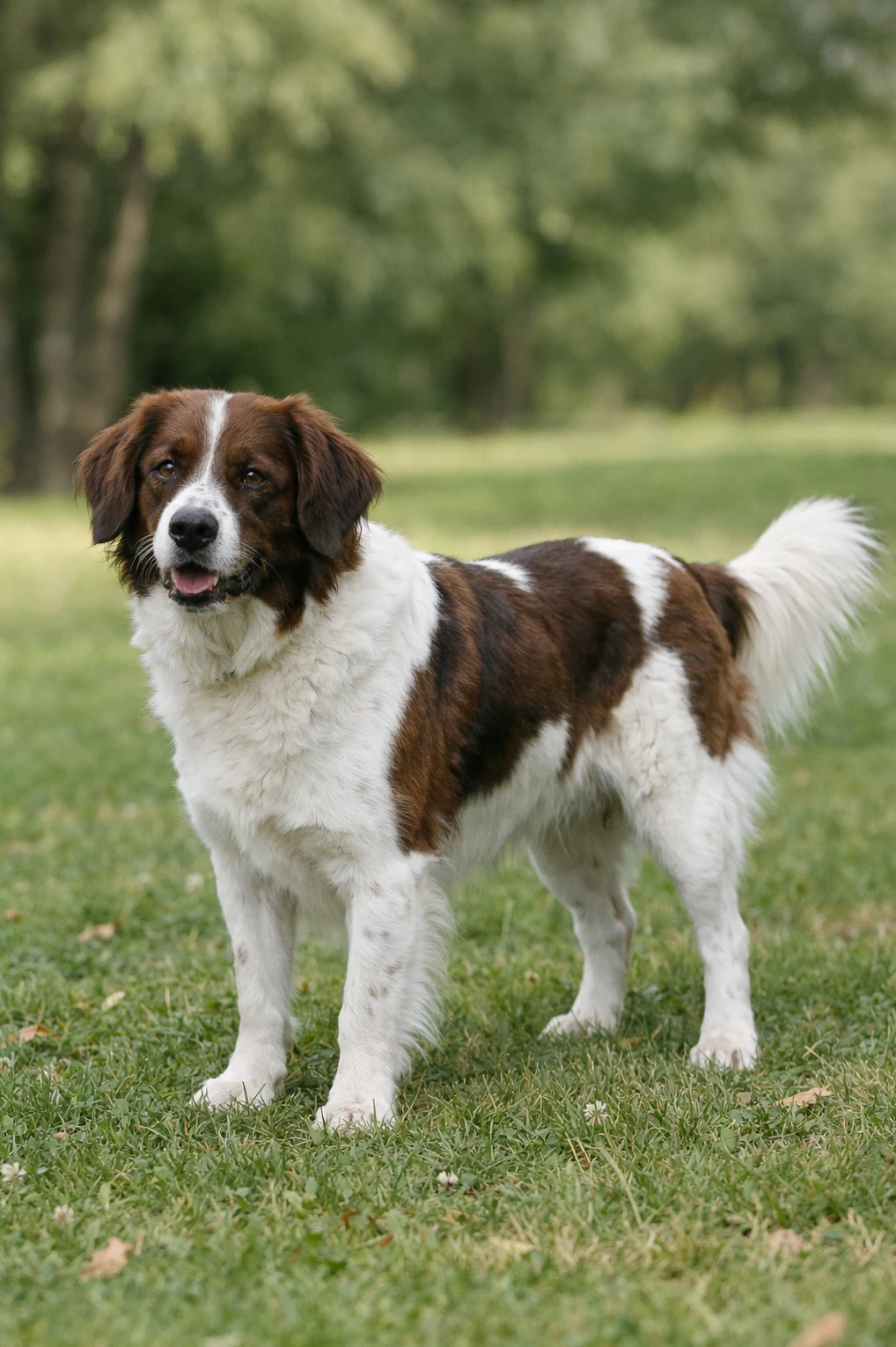
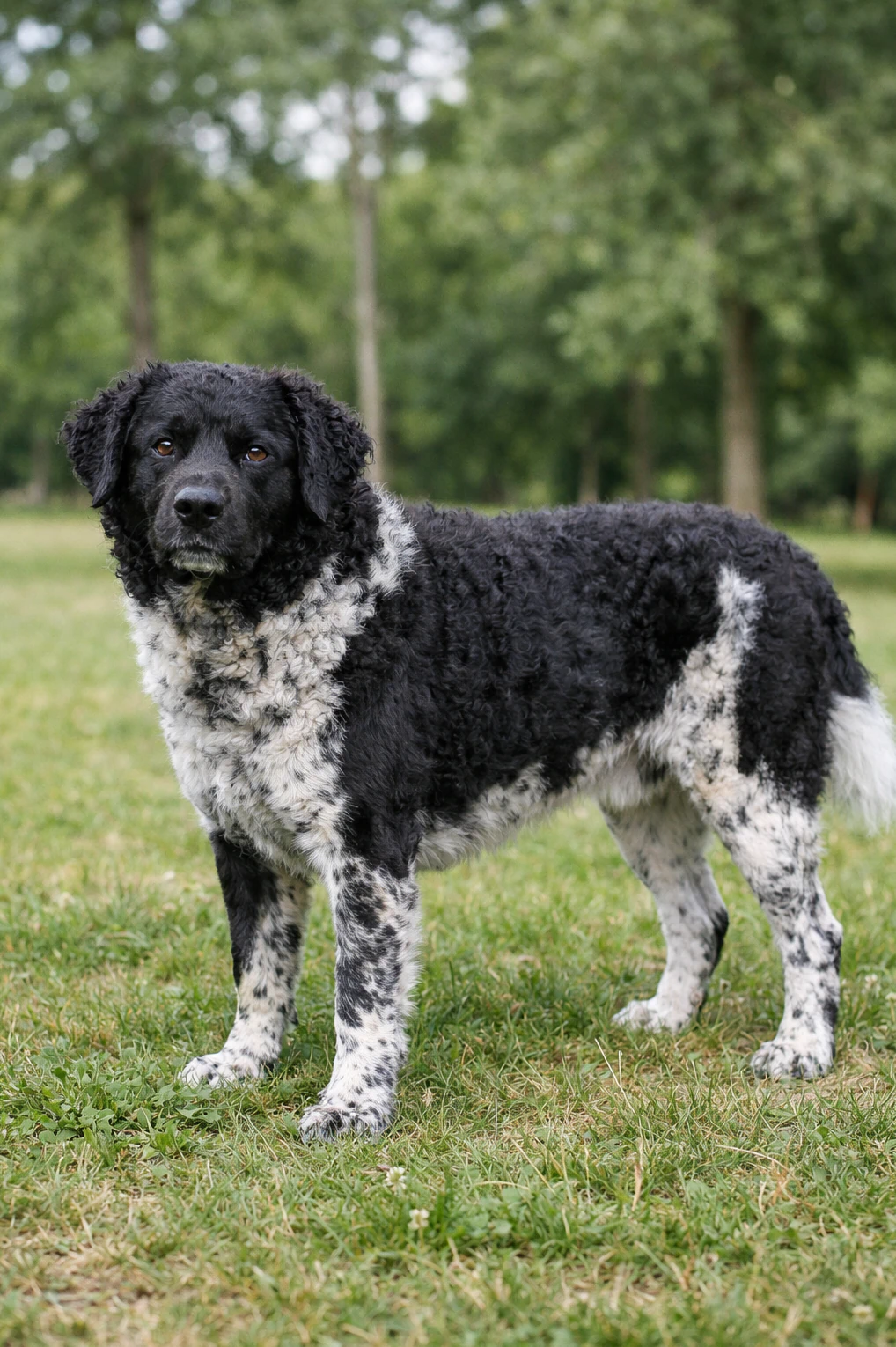
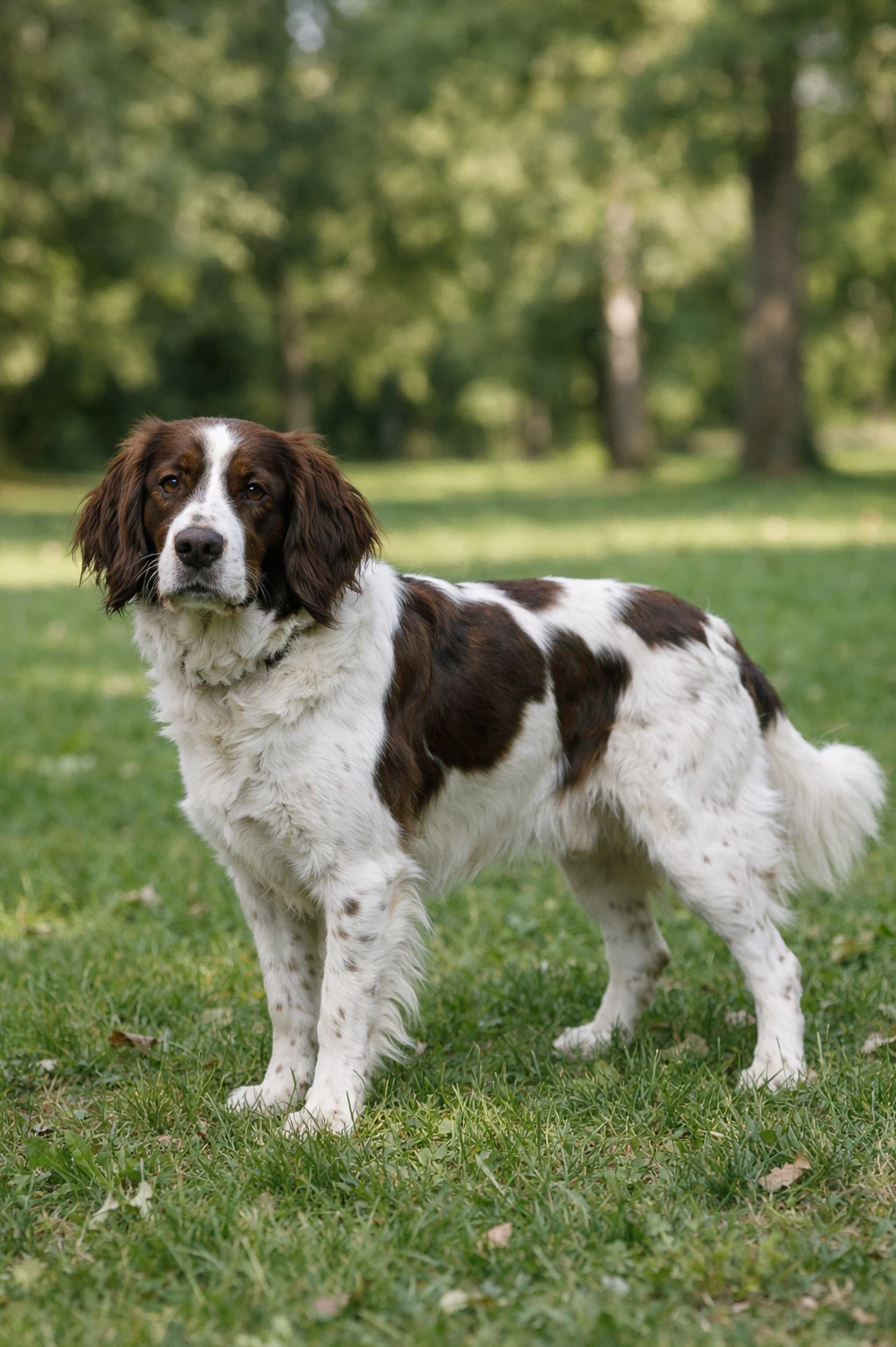
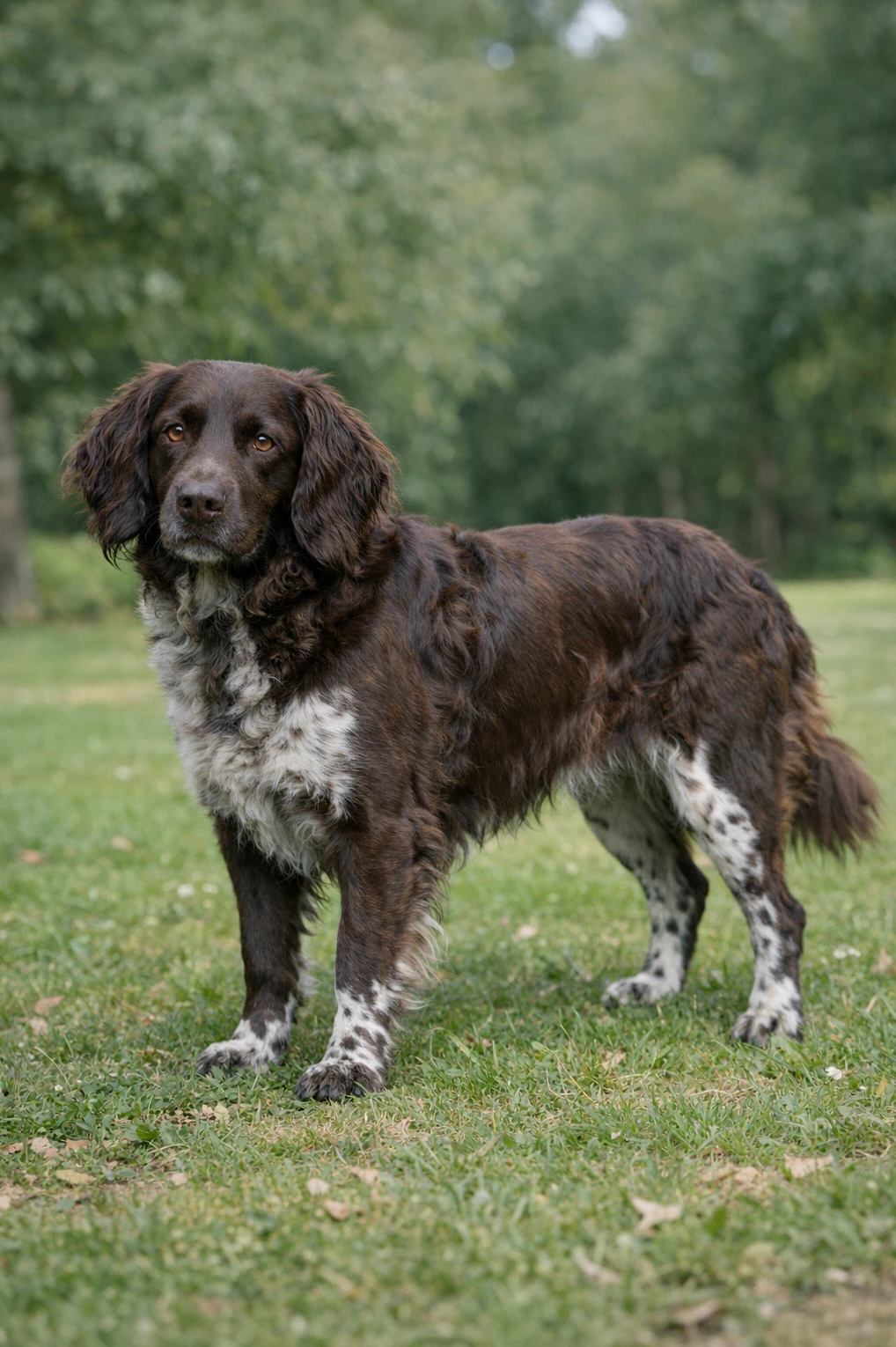
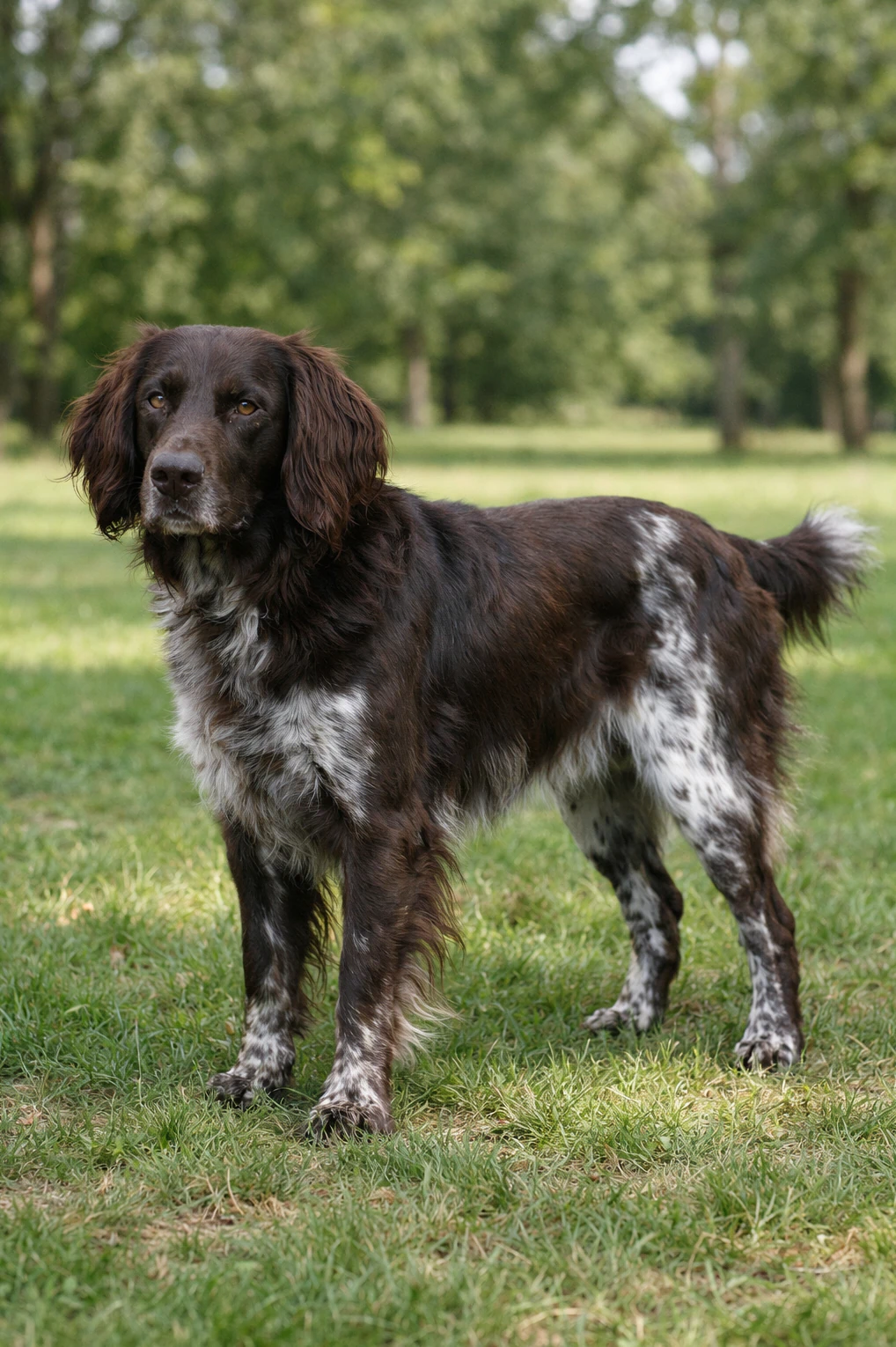
Large male Barbado da Terceira stands about 20 1/2 to 22 inches, weighing 55 to 60 lbs. Devoted, quick-witted and playful, he thrives on a balanced, protein rich diet for steady energy.
Understanding the Barbado da Terceira Metabolism and Energy Needs
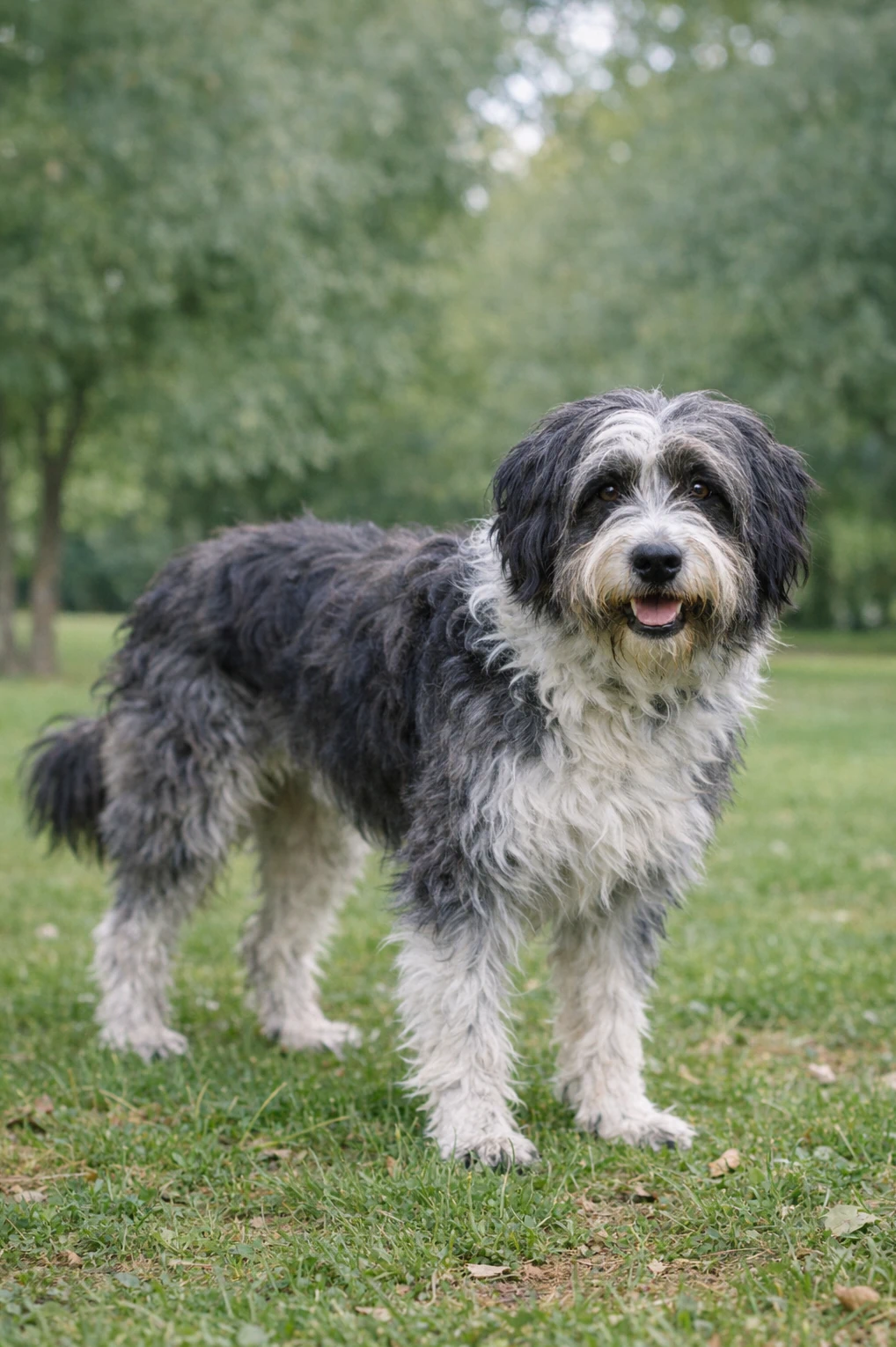
This dog’s island working roots created an animal built for steady activity and quick problem solving, so fuel needs to support stamina, lean muscle and a sharp mind. Their devoted, quick-witted, playful temperament means they stay engaged, which increases caloric and nutrient demands compared with more sedentary companions.
Prioritize quality protein from lean meats, eggs and oily fish to preserve muscle and supply amino acids used in mood and focus. Healthy fats are important for sustained energy and a lustrous coat, with omega-3 oils from fish or flaxseed helping brain and skin health. Keep carbohydrates focused on low-glycemic sources like sweet potato and brown rice to avoid energy spikes. Consider joint support (glucosamine and chondroitin) for active joints, plus probiotics for steady digestion and nutrient absorption.
Aim for a slightly higher protein ratio with moderate fat, monitor body condition and match intake to daily activity, and check with your veterinarian for tailored amounts.
Managing Barbado da Terceira Genetic Health Risks Through Nutrition
Joint wear and stiffness
Helpful nutrients
Muscle strain and recovery
Helpful nutrients
Skin and double-coat maintenance
Helpful nutrients
Hydration and electrolyte balance
Helpful nutrients
Energy and endurance for athletic activity
Helpful nutrients
Immune health and oxidative stress from exercise
Helpful nutrients
Barbado da Terceira Feeding & Calorie Calculator
Estimated Daily Calories
Tip: Start with this amount and adjust after 2–3 weeks based on your dog's body condition and weight trend.
This estimate provides a starting point for feeding. Individual calorie needs may vary depending on metabolism, body condition, and health status. Always monitor your dog's weight and consult your veterinarian when adjusting diet.
Foods and Ingredients to Avoid for Barbado da Terceira Dogs
Because the Barbado da Terceira is a muscular, active medium-large breed, excess dietary fat can quickly translate into unwanted weight gain and added stress on joints during agility and herding activities.
High-fat table scraps, greasy meats, and some commercial treats can also raise the risk of pancreatitis, which is painful and can be life threatening if not treated promptly.
Keeping calories from fat in check, focusing on lean proteins and appropriate portion sizes, and checking with your veterinarian for a balanced adult formula will help this athletic dog maintain performance and joint health.
Cooked bones, especially poultry and pork bones, can splinter and cause choking, mouth injuries, or dangerous intestinal perforations in a dog this size and strength.
Even a tough, athletic dog with a powerful bite can be seriously harmed by shards that lodge in the throat or puncture the digestive tract.
Offer vet-approved chew alternatives and supervise any chewing session. If you prefer raw bones, discuss safe options and preparation with your veterinarian to reduce risk.
Xylitol, commonly found in sugar-free gums, some peanut butters, and diet foods, causes rapid hypoglycemia and can lead to seizures or liver failure in dogs, even in small amounts.
An active, medium-large dog that eats human snacks by accident can deteriorate quickly, so keeping products with sweeteners securely stored is essential.
If accidental ingestion is suspected, contact your vet or an emergency clinic immediately, as early treatment greatly improves outcomes.
Grapes and their dried forms, such as raisins and currants, are unpredictable toxins for dogs and can cause acute kidney failure.
For a robust, hardworking breed like the Barbado da Terceira, losing kidney function can rapidly become severe and life altering, so strict avoidance is the safest choice.
Check ingredient lists in baked goods and trail mixes, and be cautious with fruit-based treats when this dog is around visitors or family snacks.
Some grain-free formulas that substitute large amounts of peas, lentils, and other legumes have been associated with heart muscle changes in certain dogs.
While the link is still being studied, medium-large active breeds benefit from a balanced diet with appropriate amino acids and nutrients that support cardiac and muscular performance.
Work with your veterinarian to choose a diet with proven cardiac support and complete nutrition, and avoid homemade or commercial diets that rely heavily on a single plant protein source without proper formulation.
Artificial preservatives like BHA, BHT, and ethoxyquin and strong artificial flavors can sometimes irritate sensitive skin or upset digestion, which may affect coat condition in a double-coated breed.
The Barbado da Terceira’s active lifestyle calls for steady, comfortable skin and a healthy coat to help with temperature regulation during work and play.
Choosing foods with natural preservation, limited additives, and whole-food ingredients can help maintain skin and coat health, and your veterinarian can recommend brands that suit your dog’s needs.
How Nutritional Needs Change Throughout the Barbado da Terceira Life Stages
Dogs have different nutritional requirements during puppyhood, adulthood, and senior years, with each stage shaped by growth demands, activity level, and common health tendencies. For the Barbado da Terceira, a large, robust and athletic breed, growth rate, sporting energy needs, and predisposition to strong bones and joints influence ideal amounts of protein, calories, and joint support nutrients.
| Life Stage | Age Range | Primary Objective | Key Nutrient Focus |
|---|---|---|---|
| Puppy | 0–15 months | controlled skeletal development, immune support, brain development | DHA, balanced calcium/phosphorus, high-quality protein |
| Adult | 1.5–6 years | lean muscle maintenance and sustained energy | high-quality protein, omega-3 fatty acids, fiber |
| Senior | 6+ years | joint mobility, metabolic health, and cognitive support | glucosamine, chondroitin, antioxidants, lower calories |
Barbado da Terceira puppies grow on a large breed timetable, with steady but robust bone and muscle development that benefits from controlled, steady weight gain. Proper skeletal support means a careful balance of calcium and phosphorus, plus adequate high quality protein to build lean muscle without encouraging overly rapid growth. Vitamin D and controlled mineral levels help bone health, while excess calories and supplements should be avoided to prevent joint stress.
Feed smaller, frequent meals while the puppy is growing, typically three to four times daily until around six months, then gradually move to two meals. Rich but lean protein sources, healthy fats for energy, and omega-3s such as DHA support brain development and outdoor stamina. Early joint support ingredients like glucosamine can be useful if recommended by your veterinarian given the breed's active sports lifestyle.
As adults, Barbado da Terceira dogs need nutrition that maintains lean muscle and supports sustained energy for work and play. A diet with high quality protein at moderate to premium levels keeps muscles strong, while controlled healthy fats supply calories for endurance in agility, herding, and flyball. Complex carbohydrates and fiber help steady energy release and support digestion, especially after active days.
Adjust calorie intake to match lifestyle, offering more on heavy training weeks and slightly less during restful periods to prevent weight gain that could strain joints. Antioxidants, vitamins, and omega fatty acids support immune health and a dense double coat. Regular weight checks and tailored portioning help sustain performance and longevity.
As Barbado da Terceira dogs enter their senior years, metabolism often slows and muscle mass can decline, while joints may show wear from years of high activity. Digestive efficiency may drop and chewing ability can change, so easier to digest proteins and palatable textures can help maintain nutrition. Calorie needs frequently decrease, so adjust portions to avoid weight gain that stresses hips and knees.
Prioritize joint support with high quality glucosamine, chondroitin and omega-3 fatty acids to help mobility and inflammation. Offer slightly higher digestible protein to preserve lean mass, plus antioxidants such as vitamin E and selenium to support cellular health. Gentle weight management, regular vet checks, and a diet tuned to mobility and coat care will keep a senior Barbado comfortable and active.
Kibble vs Fresh vs Raw for Barbado da Terceira
Different feeding models suit different lifestyles and activity levels.
For the Barbado da Terceira, a robust and athletic breed, energy needs, coat condition, and joint health guide the best choice.
Pros
- Convenient for busy owners who exercise their dog regularly.
- Formulations for large, active breeds support muscle and endurance.
- Many include joint supplements like glucosamine for bone support.
- Consistent nutrition in every bowl simplifies training and performance planning.
Cons
- Lower moisture content means extra water intake is needed.
- Some brands contain fillers that add unnecessary calories.
- May be less appealing to picky dogs.
- Quality varies, so ingredient labels need careful checking.
Pros
- Highly palatable, which helps dogs with strong activity-based appetites.
- High moisture supports hydration after long runs or sports.
- Easier to control protein and carbohydrate ratios for training.
- Can tailor meals to support coat health and recovery.
Cons
- Requires careful planning to ensure vitamins and minerals are balanced.
- More time consuming and often more expensive than kibble.
- Needs refrigeration and safe handling after large workouts.
- Mistakes in balance can affect joint and bone health long term.
Pros
- High-quality raw protein supports lean muscle and recovery.
- Some dogs show improved coat shine and energy levels.
- Low processing preserves natural amino acids and enzymes.
- Can be adjusted for activity level with varied protein and fat.
Cons
- Risk of bacterial contamination without strict hygiene.
- Bone hazards and choking risks require expert handling.
- Balancing calcium to phosphorus is challenging for growing dogs.
- Not ideal for households with immunocompromised people.
| Diet Type | Pros for Barbado da Terceira | Potential Downsides |
|---|---|---|
| High-Quality Kibble |
|
|
| Fresh Cooked Food |
|
|
| Raw Diet (BARF) |
|
|
Our Recommendation
Many Barbado da Terceira thrive on high-quality kibble formulated for active, large-breed dogs, especially with joint support and higher protein.
Fresh cooked meals suit owners who can balance nutrients, while raw diets may work only with strict hygiene and veterinary guidance.
See Also
Breeds with similar group, size, and coat characteristics