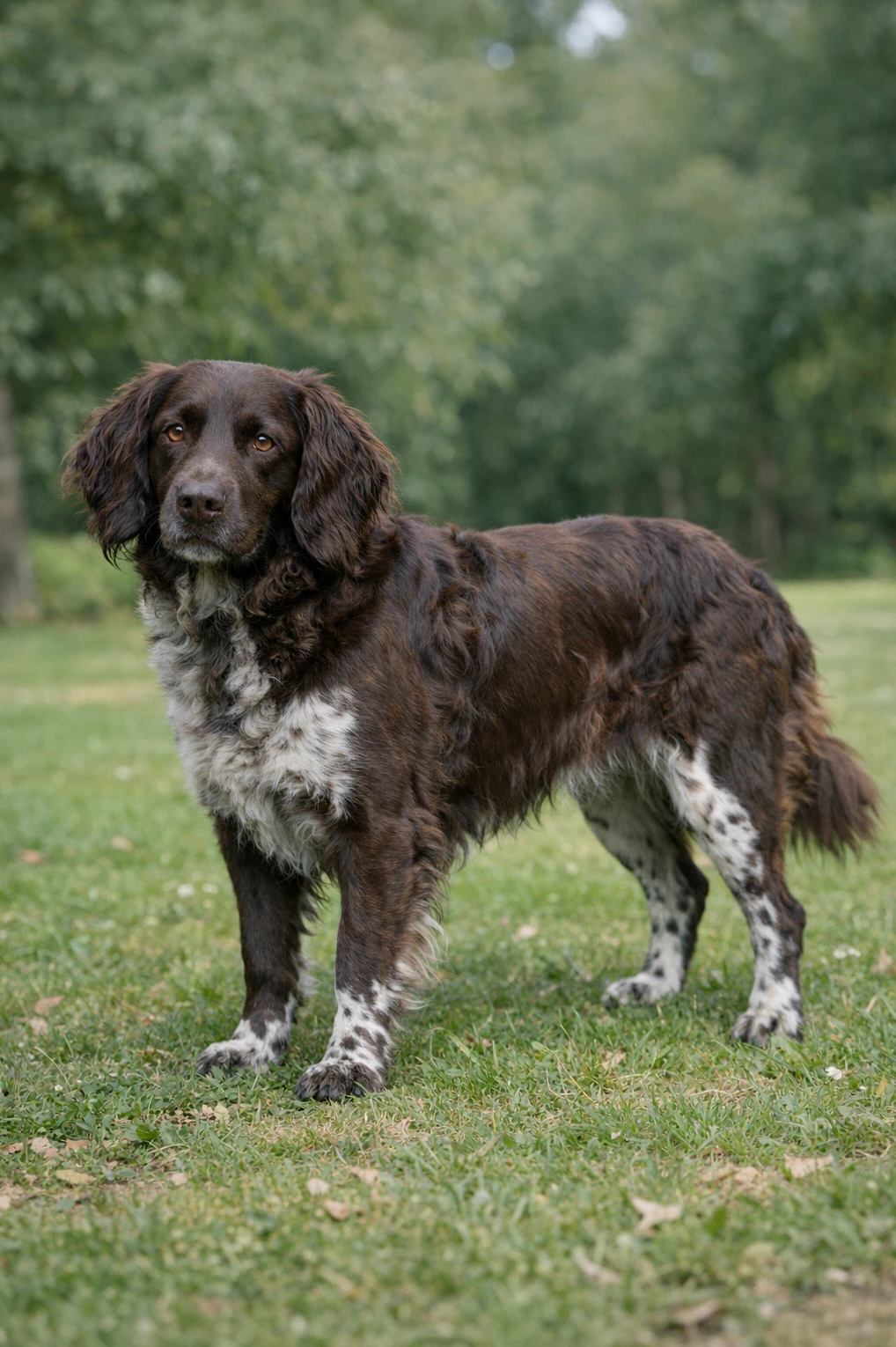
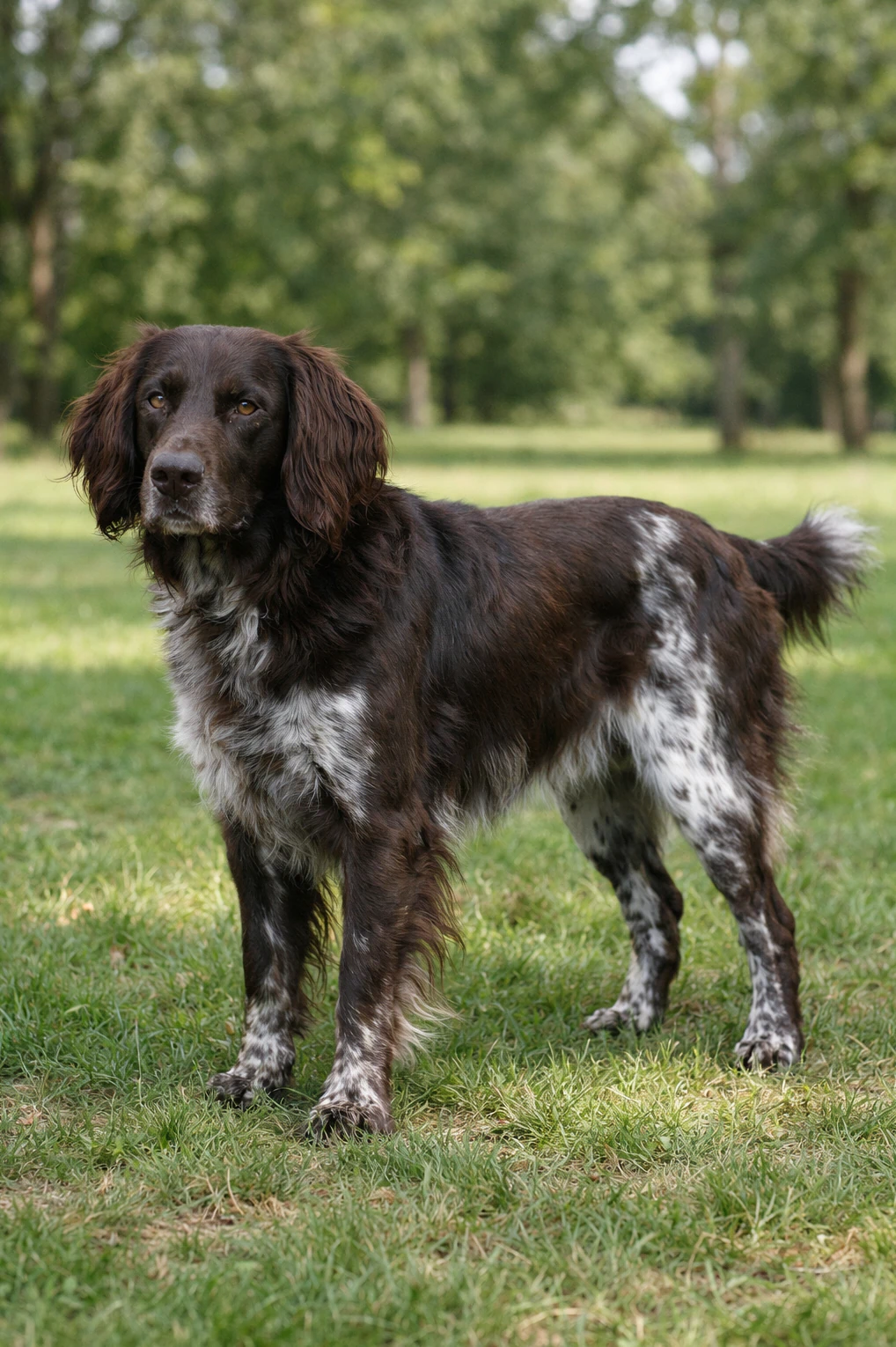
Best Dog Food for Drentsche Patrijshond in 2026Based on Nutritional Science
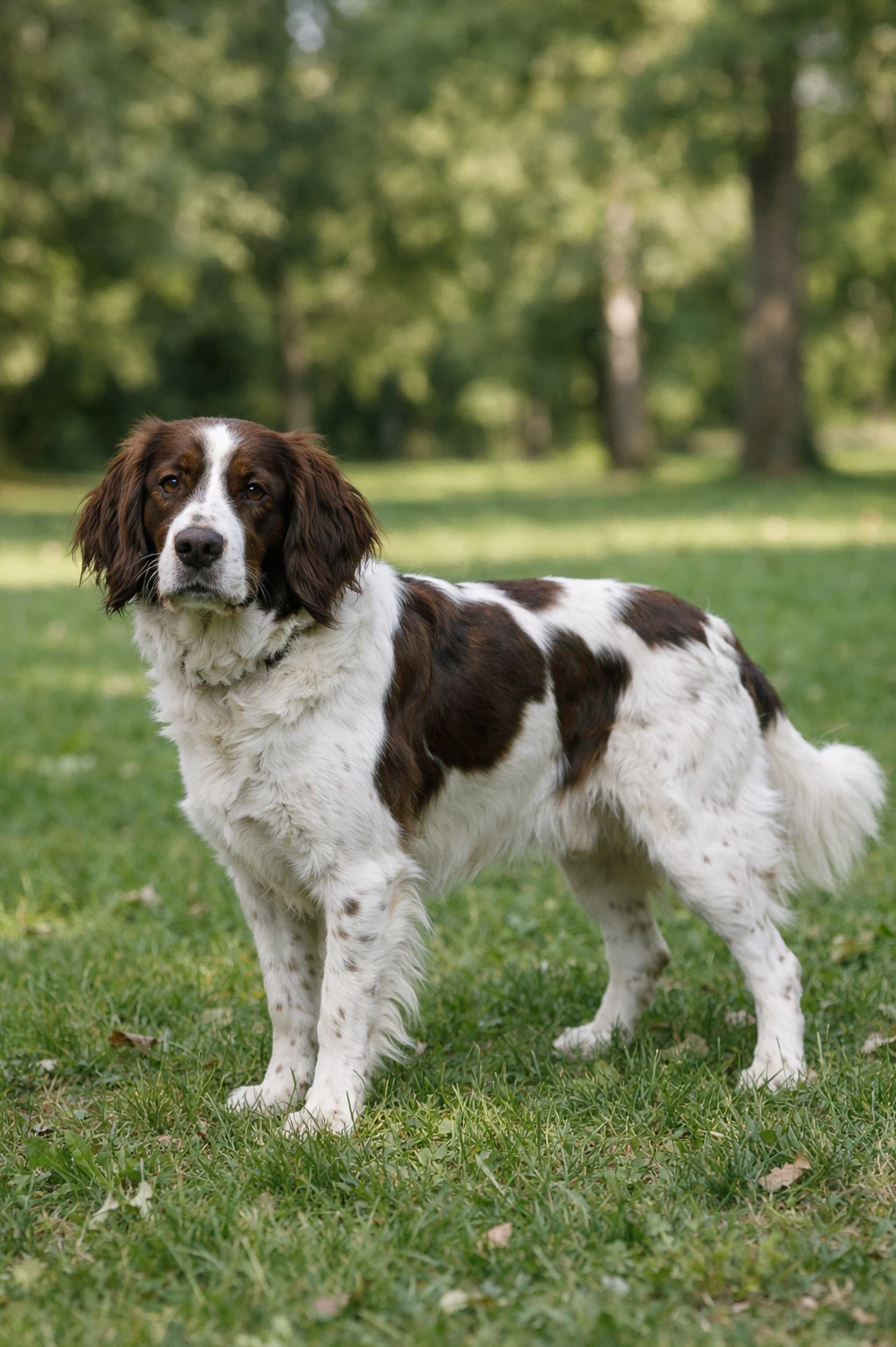
Males stand about 23 to 25 inches tall and weigh roughly 70 to 73 pounds, making them sturdy companions. Devoted, quick-witted and outgoing, they thrive on balanced, protein-rich diets tailored for active, medium-large dogs.
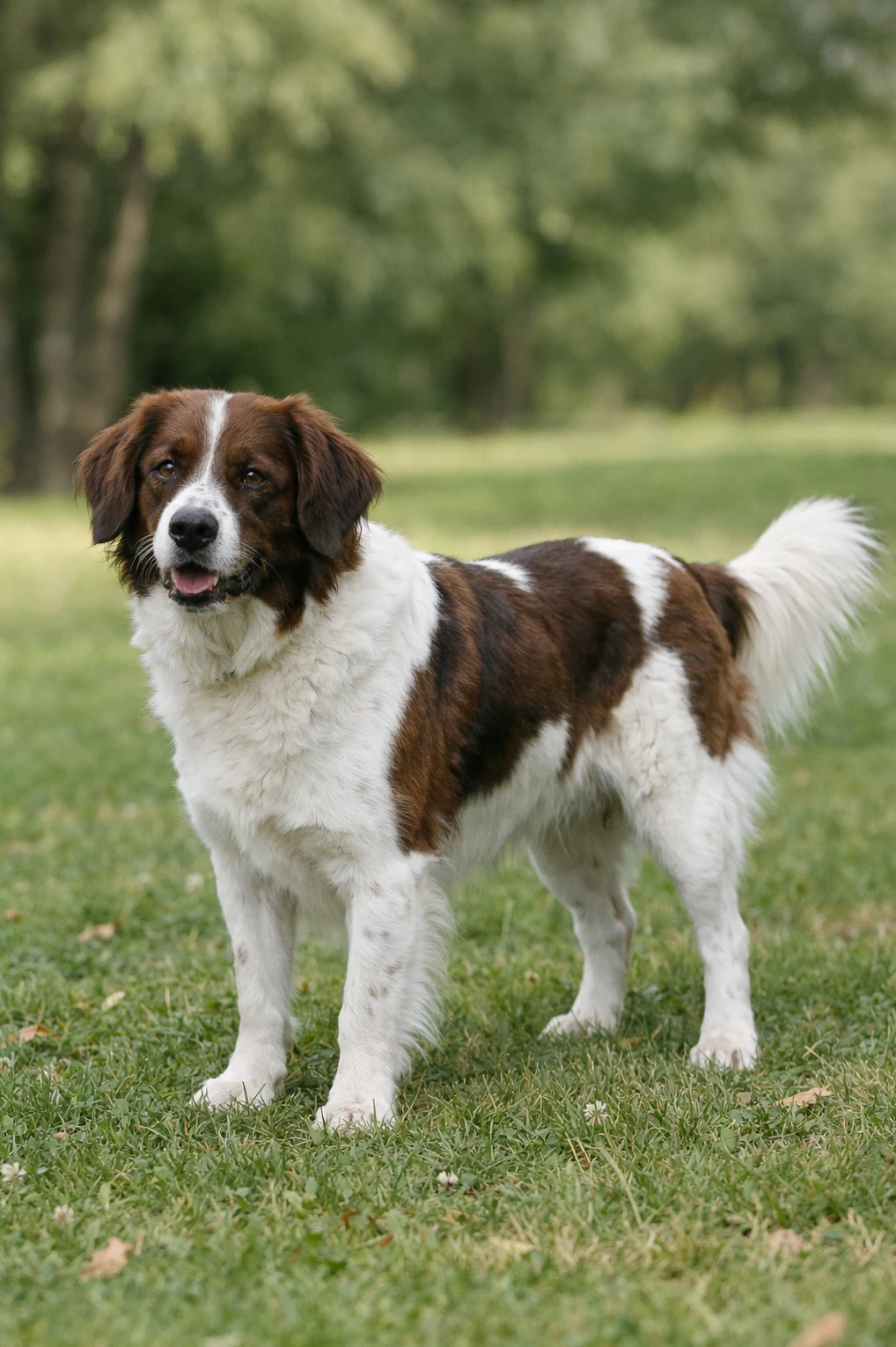
Understanding the Drentsche Patrijshond Metabolism and Energy Needs
As a Drentsche Patrijshond, descended from versatile Dutch hunting lines, your dog combines stamina and steady work drive with a warm, people-oriented nature. That history means diets should support endurance, lean muscle and an active brain.
Higher-quality animal proteins build and repair muscle after long walks or field work, so recipes with chicken, turkey or fish are smart choices. Moderate to rich healthy fats, like salmon oil or rendered poultry fat, provide slow-burning energy and keep skin and coat glossy.
Complex carbohydrates such as sweet potato or barley offer steady fuel for focus, while omega-3s and joint support (glucosamine, chondroitin) help preserve mobility as they age. Small additions of B vitamins and antioxidants support metabolism and mental sharpness for a devoted, quick-thinking companion.
Managing Drentsche Patrijshond Genetic Health Risks Through Nutrition
Overeating / Obesity
Helpful nutrients
Dehydration
Helpful nutrients
Insufficient calories during high activity
Helpful nutrients
Drentsche Patrijshond Feeding & Calorie Calculator
Estimated Daily Calories
Tip: Start with this amount and adjust after 2–3 weeks based on your dog's body condition and weight trend.
This estimate provides a starting point for feeding. Individual calorie needs may vary depending on metabolism, body condition, and health status. Always monitor your dog's weight and consult your veterinarian when adjusting diet.
Foods and Ingredients to Avoid for Drentsche Patrijshond Dogs
Drents are solid, active dogs around 70 to 73 pounds, and some individuals will keep eating if food is available.
High-fat treats, greasy table scraps, and fatty cuts of meat can lead to rapid weight gain and put extra strain on their joints and heart.
Excess dietary fat also raises the risk of pancreatitis, which can be sudden and serious.
Keep fatty foods to an absolute minimum and choose lean protein sources and portion-controlled meals to help them stay fit and comfortable.
Xylitol is a common sugar substitute found in sugar-free gum, some peanut butters, and human baked goods, and it is very dangerous to dogs.
Even small amounts can cause a rapid insulin surge, leading to hypoglycemia, liver damage, and potentially life-threatening complications.
Because many Drents will happily accept treats, make a habit of checking ingredient lists and only offer products you know are free of xylitol and other artificial sweeteners.
Certain everyday foods are toxic to dogs, including chocolate, grapes and raisins, onions, garlic, and macadamia nuts, so these should never be offered.
Reactions range from digestive upset to severe kidney failure or neurological signs, and size or weight does not protect a dog from these risks.
Given the breed's friendly nature and likelihood to take food offered during outings, be especially cautious at family gatherings and around counters where tempting human foods are accessible.
The DPCNA recommends high-quality, AAFCO-approved dry food that is not exclusive of grains, so avoid switching to grain-free formulas unless a vet advises it for a medical reason.
Some grain-free diets have been linked with heart issues in dogs when used long term, especially if not balanced properly for essential nutrients.
If your Drent seems sensitive to a particular grain, consult your veterinarian before making a major diet change, and choose reputable, well-formulated foods rather than novelty trends.
Treats and rich chews may seem harmless, but calories add up quickly for a medium-large dog that can self-feed.
Too many high-calorie rewards contribute to weight gain, which increases the chance of joint strain and reduces stamina during hunting or play.
Reserve calorie-dense chews for special occasions and break treats into small pieces so you can reward training and good behavior without undoing balanced daily feeding.
While some owners prefer homemade or raw diets, these can be hard to balance for a 70 pound hunting dog and may expose them to bacterial contamination.
Without careful formulation and supplementation, homemade meals can lack essential vitamins, minerals, or have the wrong calcium to phosphorus ratio, affecting bone and overall health.
If you choose a homemade or raw route, work with a veterinary nutritionist to create a complete plan and follow safe food handling practices to protect both your Drent and your household.
How Nutritional Needs Change Throughout the Drentsche Patrijshond Life Stages
Dogs need different nutrition at each life stage, so their food should match puppyhood, adulthood, and senior years. The Drentsche Patrijshond, a large, active and intelligent gundog, has changing needs influenced by its growth rate, activity level, and any breed tendencies toward robust health. Paying attention to these shifts helps support bones, muscles and long-term vitality.
| Life Stage | Age Range | Primary Objective | Key Nutrient Focus |
|---|---|---|---|
| Puppy | 0–15 months | controlled skeletal development, immune support, brain development | DHA, balanced calcium/phosphorus, high-quality protein |
| Adult | 1.5–6 years | lean muscle maintenance and sustained energy | high-quality protein, omega-3 fatty acids, fiber |
| Senior | 6+ years | joint mobility, metabolic health, and cognitive support | glucosamine, chondroitin, antioxidants, lower calories |
As a large-breed puppy, the Drentsche Patrijshond grows steadily rather than explosively, with key skeletal development continuing well into its first year. Controlled, steady weight gain supports healthy joints and reduces risk of developmental orthopedic issues.
A puppy diet should focus on frequent, smaller meals, moving from three to four feedings early on down to two by about six to twelve months, depending on your veterinarian's advice. Because this breed is energetic and loves activity, calories should cover play and training without encouraging excess weight.
Important nutrients include high quality protein to build muscle, balanced calcium and phosphorus to support bone growth, and DHA for brain and vision development. Omega-3 fatty acids and antioxidants round out the diet to support healthy skin, coat and immune function.
As an adult, the Drentsche Patrijshond needs steady nutrition to maintain muscle mass and meet energy demands for retrieving, walking and family life. High quality protein helps preserve lean tissue while moderate fat supplies usable energy without excess weight gain.
Look for a balanced adult formula tuned to large, active breeds, offering digestible proteins, healthy fats and moderate calories. Fiber and joint-supporting nutrients can aid digestion and mobility, especially in dogs that move a lot or enjoy long days outdoors.
Adjust portions for a working Drent versus a couch companion, and monitor body condition regularly to fine tune meals. Factors like neuter status, seasonal activity changes and age-related metabolism shifts all influence daily needs.
As seniors, Drents often experience a gradual slowdown in metabolism and activity, and digestion may become less efficient. Even if their temperament stays eager and friendly, calorie needs often fall while protein needs remain important to protect muscle.
Prioritize joint-supporting nutrients like glucosamine, chondroitin and omega-3 fatty acids to help keep hips and elbows comfortable for this larger breed. Antioxidants such as vitamin E and beta-carotene support immune health, while highly digestible proteins and probiotics aid digestion and nutrient absorption.
Reduce calories carefully to prevent weight gain that stresses joints, while keeping meals nutrient-dense and portion-controlled, possibly split into two smaller servings. Regular weight checks and veterinary guidance will help tailor a senior plan that preserves mobility, comfort and a happy, active life.
Kibble vs Fresh vs Raw for Drentsche Patrijshond
Different feeding models suit different lifestyles and daily routines. For the Drentsche Patrijshond, activity level and owner time help determine the best option.
Pros
- Convenient and easy to portion for busy owners.
- Consistent nutrition supports training and steady energy for active Drents.
- Formulas for medium breeds help maintain healthy weight and muscle mass.
- Dry kibble can aid dental health through chewing action.
Cons
- Some formulas are calorie-dense, risking weight gain without portion control.
- Lower moisture content may need extra water for hydration.
- Less ingredient variety can bore picky eaters over time.
- Quality varies, so label reading is important for balanced nutrition.
Pros
- Highly palatable, great for picky or food-motivated Drents.
- High moisture content supports digestion and hydration.
- You control protein and carbs to match activity level.
- Easy to adjust portions for growth or seasonal work.
Cons
- More time and effort required for regular meal preparation.
- Needs careful planning to avoid nutritional gaps.
- Higher ongoing cost than many commercial kibbles.
- Refrigeration or freezing is needed for safety.
Pros
- High protein may support energy for hunting and field work.
- Many owners report shinier coats and improved muscle tone.
- Minimally processed ingredients can appeal to natural-feeding preferences.
- Easily tailored to match seasonal activity and workload.
Cons
- Strict hygiene is essential to prevent bacterial contamination.
- Balancing calcium, phosphorus, and micronutrients requires expertise.
- Whole bones can pose risks if not handled properly.
- May be costly and time-consuming compared to kibble.
| Diet Type | Pros for Drentsche Patrijshond | Potential Downsides |
|---|---|---|
| High-Quality Kibble |
|
|
| Fresh Cooked Food |
|
|
| Raw Diet (BARF) |
|
|
Our Recommendation
For many Drentsche Patrijshonds, a high-quality kibble provides balanced nutrition and fits active family life.
Owners who prefer fresh or raw feeding can succeed with careful planning and veterinary guidance to ensure complete nutrition.
See Also
Breeds with similar group, size, and coat characteristics