Best Dog Food for Standard Schnauzer in 2026Based on Nutritional Science
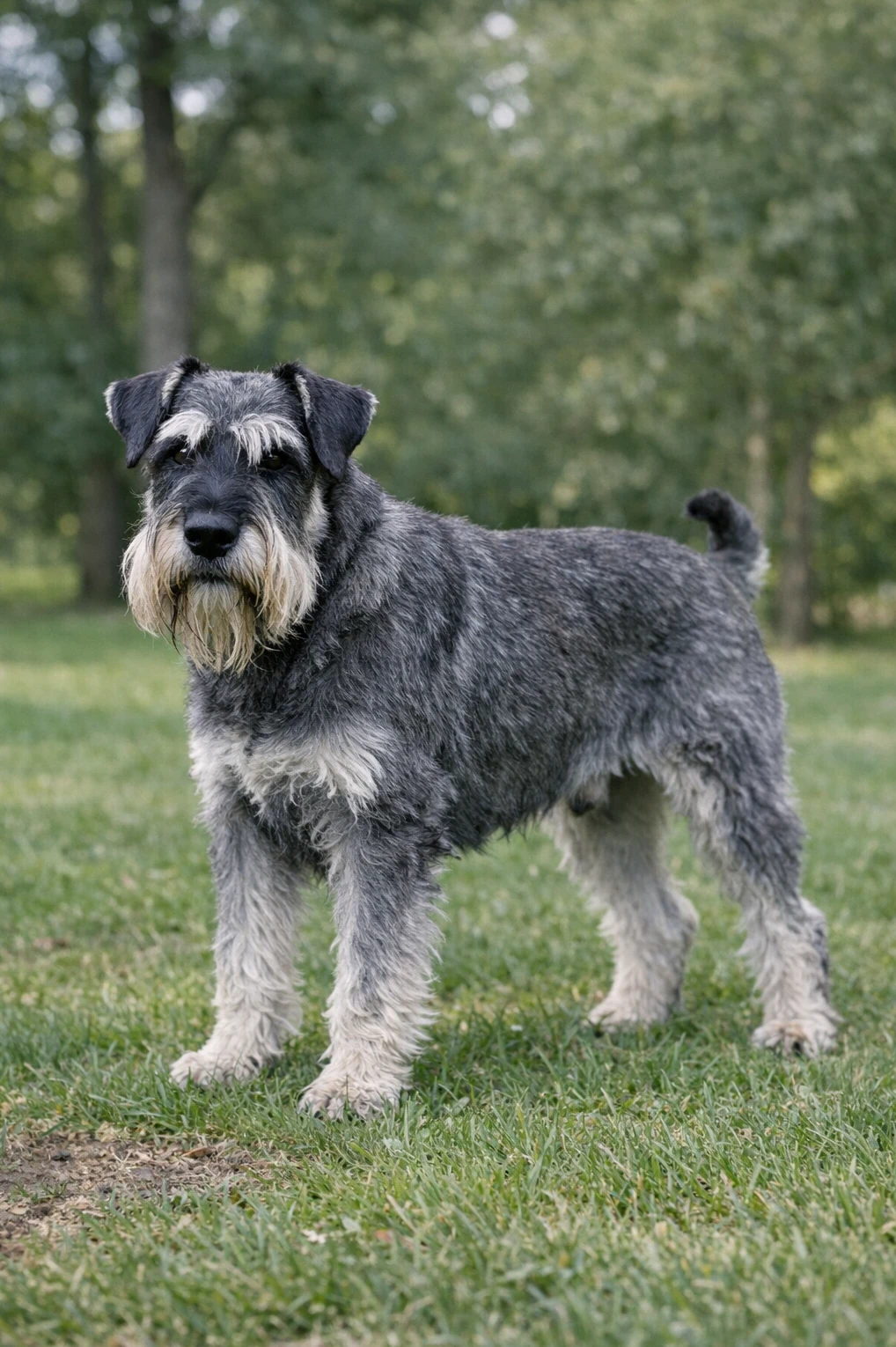
Compact yet sturdy at 18.5-19.5 inches and 35-50 pounds, the Standard Schnauzer is bold, clever, and vivacious. Nutritional Verdict: balanced protein, healthy fats, and joint support keep this active pal thriving.
Understanding the Standard Schnauzer Metabolism and Energy Needs
As a hardy working dog raised for guarding and active tasks, this type needs nutrition that supports lean muscle, steady stamina, and quick thinking. Rich, high-quality animal protein helps maintain and rebuild muscle after play or work, while amino acids support cognitive sharpness. Moderate, easily digestible fats provide long-lasting fuel and support skin and a dense double coat. Complex carbohydrates in measured amounts deliver steady energy without causing weight gain.
Joint-supporting nutrients like glucosamine and chondroitin matter for an energetic, agile dog, and omega-3 fatty acids help control inflammation and keep the coat glossy. Antioxidants and B vitamins support metabolism and mental focus during training. Portions should match activity, with calorie-dense meals on busy days and trimmed portions during rest, to preserve a muscular, healthy body and a bright, alert temperament.
Managing Standard Schnauzer Genetic Health Risks Through Nutrition
Hip Dysplasia
Helpful nutrients
Eye Disorders
Helpful nutrients
Cardiomyopathy
Helpful nutrients
Obesity / Overweight
Helpful nutrients
Standard Schnauzer Feeding & Calorie Calculator
Estimated Daily Calories
Tip: Start with this amount and adjust after 2–3 weeks based on your dog's body condition and weight trend.
This estimate provides a starting point for feeding. Individual calorie needs may vary depending on metabolism, body condition, and health status. Always monitor your dog's weight and consult your veterinarian when adjusting diet.
Foods and Ingredients to Avoid for Standard Schnauzer Dogs
Standard Schnauzers can do very well on high-quality diets, but rich, fatty foods and table scraps tend to pack on calories quickly and contribute to unwanted weight gain.
Excess weight stresses joints and the spine for a medium-sized dog, and in some dogs high-fat meals can trigger digestive upsets.
Stick to lean protein sources and measure treats, keeping daily calories in check so your Schnauzer stays fit and comfortable throughout life.
Treats are helpful for training, but too many can be the main driver of obesity in breeds that are prone to gaining weight.
Small, frequent rewards are fine, but calorie-dense human snacks or large training rewards add up fast, especially for a 35 to 50 pound dog.
Choose low-calorie training treats, account for them in daily calories, and reserve richer snacks for special occasions to protect your dog’s waistline and overall health.
Processed meats, salty human leftovers, and snacks high in sodium should be avoided, since excess salt can lead to increased thirst and may stress the heart and kidneys over time.
This is particularly worth noting because breeders screen Standard Schnauzers for cardiac conditions, so keeping sodium moderate helps protect long-term heart health.
Offer fresh water and plain, well-balanced meals and avoid feeding your Schnauzer deli meats, bacon, or heavily salted chips as treats.
Diets that replace grains with very high amounts of peas, lentils, chickpeas, or other legumes have been linked in some studies to cases of diet-associated heart muscle problems in dogs.
Given that Standard Schnauzers have a known, testable genetic cardiomyopathy risk in some lines, it makes sense to be cautious with extreme grain-free formulas.
Talk with your veterinarian about balanced diets and choose formulations with a variety of quality ingredients rather than relying on a single ingredient group.
Some dogs show sensitivities to additives like BHA, BHT, ethoxyquin, and artificial dyes, which can irritate skin or upset digestion in sensitive individuals.
Since keeping your Schnauzer’s coat and skin healthy is part of overall wellbeing, choosing foods without unnecessary artificial additives can reduce the chance of flareups.
Look for diets with natural preservation methods and simple ingredient lists, especially if your dog has known sensitivities or a history of itchy skin.
Chocolate, grapes and raisins, xylitol (found in some sugar-free gum and baked goods), onions, garlic, and macadamia nuts are all toxic to dogs and should never be offered.
Even small amounts of some of these can cause serious illness, and symptoms can progress quickly if not treated.
Keep these items well out of reach, educate family and guests, and contact your vet or emergency clinic immediately if you suspect your Schnauzer has ingested any of them.
How Nutritional Needs Change Throughout the Standard Schnauzer Life Stages
Dogs have different nutritional needs at puppyhood, adulthood, and their senior years, and Standard Schnauzers are no exception. Their medium size, spirited energy, and relatively steady growth mean calories, protein, and joint-support nutrients should be matched to each life stage. Breed-specific factors, including growth rate, activity level, and common health tendencies such as hip health and cardiac screening, help guide the right balance of nutrients and feeding schedules.
| Life Stage | Age Range | Primary Objective | Key Nutrient Focus |
|---|---|---|---|
| Puppy | 0–12 months | controlled skeletal development, immune support, brain development | DHA, balanced calcium/phosphorus, high-quality protein |
| Adult | 1–7 years | lean muscle maintenance and sustained energy | high-quality protein, omega-3 fatty acids, fiber |
| Senior | 7+ years | joint mobility, metabolic health, and cognitive support | glucosamine, chondroitin, antioxidants, lower calories |
As puppies Standard Schnauzers grow at a steady, medium pace and they build important muscle and bone during the first year. To support healthy skeletal development avoid overfeeding and very high calorie diets that encourage too-fast growth, and choose a puppy formula made for medium breeds. Feed smaller, frequent meals, three to four times a day for young puppies, so energy is steady and digestion stays comfortable.
Important nutrients include high quality animal protein for muscle, carefully balanced calcium and phosphorus for bone, and DHA to support brain and vision. Omega-3 fatty acids help the wiry double coat and skin, while antioxidants and a complete vitamin profile support immune development. Because Standard Schnauzers are tested for hip and cardiac concerns, check with your breeder or veterinarian about formulas and portions that match the pup’s growth pattern and activity level.
Adult Standard Schnauzers need a diet that preserves lean muscle and fuels daily energy without promoting extra weight. Aim for high quality animal protein and moderate fat, while keeping calories tailored to the dog’s activity level and body condition. Feeding twice a day is convenient and helps maintain steady energy, and regular weight checks or body condition scoring with your vet will tell you if portions need adjusting.
Because Schnauzers are spirited and intelligent they benefit from food that matches their lifestyle, whether lively weekend play or steady daily walks. Active adults may need more calories and slightly higher fat for endurance, while calmer or neutered dogs do better on lower calorie formulas to prevent weight gain. Support for skin and coat from omega-3s and a complete vitamin profile keeps the wiry double coat healthy.
As Standard Schnauzers move into their senior years metabolism often slows and many dogs become less active, which raises the risk of weight gain and stiffness. Digestive efficiency can decline and dental wear may make chewing harder, so bite-sized kibble or moistened food can help. Keep protein high quality and easily digestible to preserve muscle mass, while modestly lowering overall calories if activity drops.
Joint support becomes more important, so look for omega-3 fatty acids and ingredients like glucosamine and chondroitin that help mobility, along with antioxidants such as vitamin E and selenium to support cellular health. Because this breed is generally healthy but still screened for hip and cardiac issues, check with your veterinarian before major diet changes, and monitor weight and movement to keep your Schnauzer comfortable and active.
Kibble vs Fresh vs Raw for Standard Schnauzer
Different feeding models suit different lifestyles and activity levels.
Standard Schnauzers are smart, spirited, and active, so choose a diet that supports lean muscle, coat health, and long-term joint wellness.
Pros
- Convenient and easy to portion for busy owners.
- Formulated for balanced adult maintenance and activity.
- Crunch helps reduce tartar with regular chewing.
- Typically more affordable and shelf-stable than fresh options.
Cons
- Lower moisture content may require extra water or wet food.
- Some formulas include fillers or low-quality carbs.
- Less palatable for picky Schnauzers without strong flavors.
- Portioning errors can lead to unwanted weight gain.
Pros
- Highly palatable for spirited, food-motivated dogs.
- High moisture supports hydration and healthy digestion.
- You control ingredients for food sensitivities or preferences.
- Can include omega fats to support wiry coat shine.
Cons
- More expensive and time intensive than kibble.
- Requires careful recipes to ensure complete nutrition.
- Needs refrigeration and meal prep planning.
- Risk of imbalance if not guided by a professional.
Pros
- High protein profile supports muscle and spirited energy.
- Some owners report improved coat condition and vitality.
- Minimally processed ingredients preserve natural nutrients.
- Can be tailored to an individual dog's tolerance.
Cons
- Strict hygiene is required to reduce bacterial contamination.
- Bones can pose choking or dental risks if unsupervised.
- Balancing vitamins and minerals requires veterinary input.
- Not ideal for inexperienced handlers or households with young children.
| Diet Type | Pros for Standard Schnauzer | Potential Downsides |
|---|---|---|
| High-Quality Kibble |
|
|
| Fresh Cooked Food |
|
|
| Raw Diet (BARF) |
|
|
Our Recommendation
For many Standard Schnauzers, high-quality kibble offers a convenient, balanced baseline that fits busy households.
Fresh cooked meals or carefully managed raw feeding can benefit performance or picky dogs, but choose them only with veterinary guidance and careful planning.
See Also
Breeds with similar group, size, and coat characteristics