Best Dog Food for Portuguese Podengo Pequeno in 2026Based on Nutritional Science
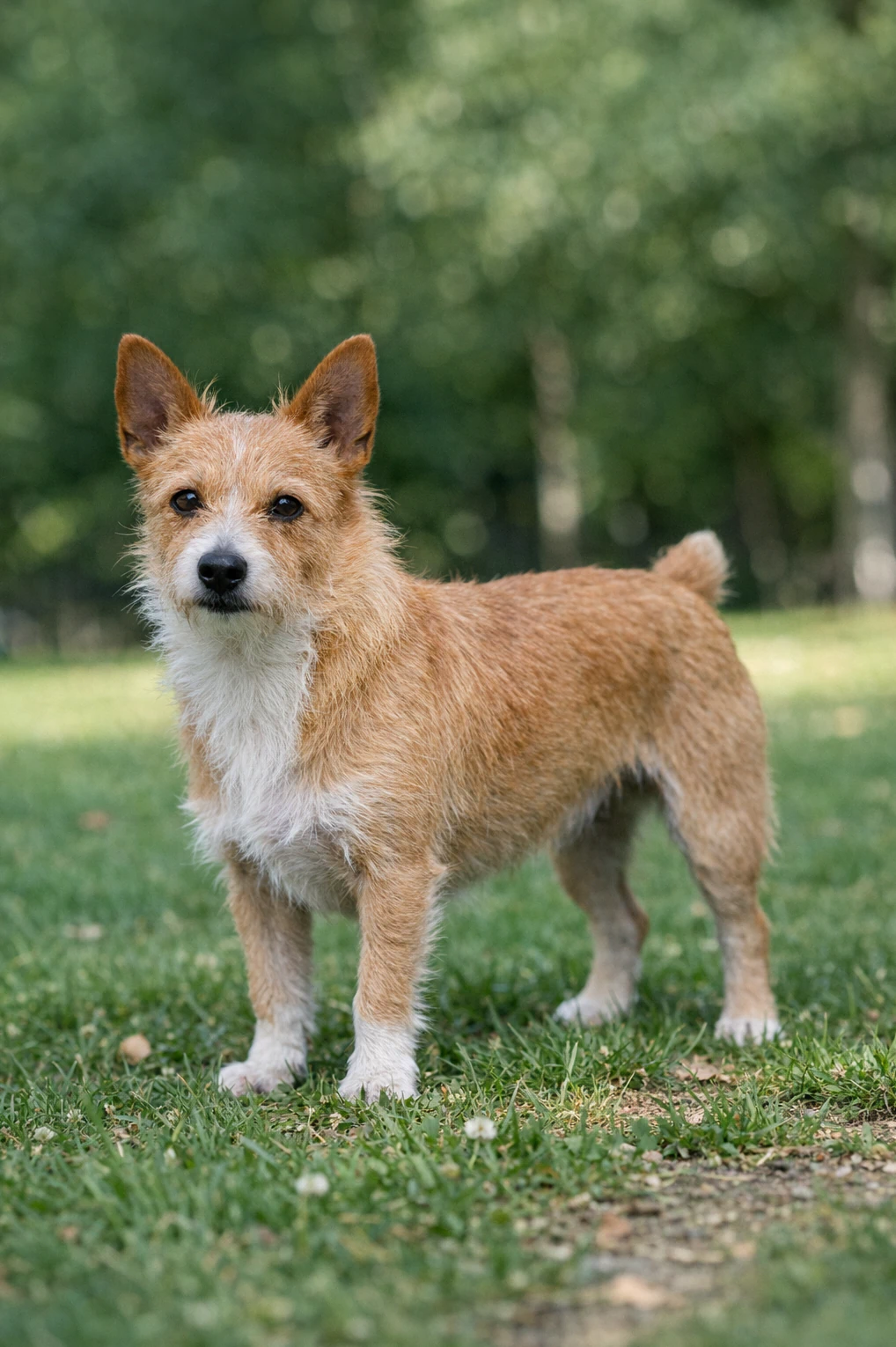
Compact at 8 to 12 inches and 9 to 13 pounds, Portuguese Podengo Pequeno is spirited, endearing, and energetic. Nutritional Verdict: requires a balanced, portion controlled diet to fuel activity and maintain lean muscle tone.
Understanding the Portuguese Podengo Pequeno Metabolism and Energy Needs
As a small hunting hound from Portugal, this compact dog is built for quick sprints and sharp focus while tracking prey. Its energetic, endearing nature and fast muscle fibers call for meals higher in quality animal protein to maintain lean strength, plus moderate healthy fats to fuel bursts of activity and keep the coat glossy. Complex carbohydrates like sweet potato offer steady energy between outings, avoiding sudden sugar spikes.
Because these dogs mix short high-intensity work with calm downtime, portion control helps prevent extra weight. Omega-3 fats support joint comfort and mental sharpness, while glucosamine and chondroitin can help the joints that power those lively moves. A recipe with real meat first, added fish oil, and gentle prebiotics fits this type's heritage and daily needs.
Managing Portuguese Podengo Pequeno Genetic Health Risks Through Nutrition
Eye Disorders
Helpful nutrients
Hip Dysplasia
Helpful nutrients
Patellar Luxation
Helpful nutrients
Obesity
Helpful nutrients
Portuguese Podengo Pequeno Feeding & Calorie Calculator
Estimated Daily Calories
Tip: Start with this amount and adjust after 2–3 weeks based on your dog's body condition and weight trend.
This estimate provides a starting point for feeding. Individual calorie needs may vary depending on metabolism, body condition, and health status. Always monitor your dog's weight and consult your veterinarian when adjusting diet.
Foods and Ingredients to Avoid for Portuguese Podengo Pequeno Dogs
Portuguese Podengo Pequenos are small dogs and some can be prone to gaining weight, so high-fat foods and fatty table scraps are best avoided.
Rich, greasy foods can quickly add calories and increase the risk of pancreatitis, a painful condition that can be serious in small breeds.
Stick to lean protein sources and measured portions, and save fatty treats for very occasional use.
Monitoring calories helps protect their joints and overall energy, keeping your little companion lively and healthy.
Xylitol is a common sweetener in sugar-free gum, candies, and some nut butters, and it can cause rapid, life-threatening low blood sugar and liver damage in dogs.
Small breeds like the Podengo Pequeno are especially vulnerable because even a tiny amount can be dangerous relative to their body weight.
Always check ingredient labels before sharing human foods, and keep sugar-free products out of reach. If ingestion is suspected, contact your veterinarian or emergency clinic right away.
Onions, garlic, leeks, and chives can damage a dog’s red blood cells and cause hemolytic anemia, even in relatively small amounts.
For a small dog under 15 pounds, quantities that might seem minor for a human can still be harmful and lead to weakness, pale gums, and breathing issues.
Avoid dishes seasoned with these ingredients and be cautious with leftovers. If you suspect your dog ate allium foods, call your veterinarian for guidance.
Grapes, raisins, and currants are known to cause acute kidney injury in some dogs, and there is no reliably safe dose.
Small breeds like the Podengo Pequeno are at particular risk because it takes only a small amount relative to their body mass to cause severe problems.
Keep these fruits and baked goods that contain them completely off limits. If accidental ingestion occurs, seek veterinary help immediately to improve the chance of a full recovery.
Cooked bones can splinter and cause choking, mouth or throat injuries, or intestinal perforation.
Hard chews and very large bones also risk breaking a small dog’s teeth or causing obstructions, which is especially concerning for a small, delicate-mouthed breed like the Podengo Pequeno.
Choose appropriately sized, veterinarian-approved chew options and supervise chewing sessions. Softer, digestible dental chews are often safer for training rewards and longer chewing enjoyment.
Because Portuguese Podengo Pequenos weigh only 9 to 13 pounds, it is easy to overdo treats during training or reward time and unintentionally exceed daily calorie needs.
Excess calories contribute to obesity, which stresses joints and can worsen conditions like patellar luxation or hip issues.
Use small, low-calorie training treats and factor treats into daily totals.
Measuring food and rewarding with praise or tiny bites helps keep your dog at a healthy weight and full of energy.
How Nutritional Needs Change Throughout the Portuguese Podengo Pequeno Life Stages
Portuguese Podengo Pequeno dogs need different nutrition during puppyhood, adulthood, and their senior years to support growth, activity, and aging. Their small size and lively temperament mean they often mature quickly and burn energy fast, while breed health tendencies shape long term needs. Matching food, portions, and important nutrients across life helps them grow well, stay fit, and age comfortably.
| Life Stage | Age Range | Primary Objective | Key Nutrient Focus |
|---|---|---|---|
| Puppy | 0–10 months | controlled skeletal development, immune support, brain development | DHA, balanced calcium/phosphorus, high-quality protein |
| Adult | 10 months–8 years | lean muscle maintenance and sustained energy | high-quality protein, omega-3 fatty acids, fiber |
| Senior | 8+ years | joint mobility, metabolic health, and cognitive support | glucosamine, chondroitin, antioxidants, lower calories |
Portuguese Podengo Pequeno puppies grow quickly for a small breed, often reaching most of their adult size within the first year. Their skeletal development benefits from a balanced small‑breed puppy formula with controlled calcium and phosphorus, plenty of high quality protein, and DHA to support brain and eye development. Small kibble and three to four daily meals help steady their fast metabolism and lower the risk of low blood sugar.
Because these pups are playful and energetic, nutrient density matters, but so does steady, measured growth to protect joints. Responsible breeders screen for eye and joint issues, so avoid excess supplementation of calcium, monitor weight and body condition, and check with your veterinarian to set feeding rates as your pup grows.
Adult Portuguese Podengo Pequeno dogs need food that keeps lean muscle and steady energy for their lively lifestyle. A diet with balanced, high quality protein and moderate fat supports muscle maintenance and day to day activity while keeping calories in check. Choosing a small‑breed adult formula helps with nutrient density and appropriate kibble size for their jaws.
Portion control and regular exercise are key because small dogs can gain weight quickly if intake exceeds activity. Include omega‑3s for coat and skin health and maintain dental care or dental‑friendly kibble to support chewing. Adjust portions to match your dog’s actual activity level, and consult your vet when changing diets or routines.
As Portuguese Podengo Pequeno dogs age, metabolism often slows and activity typically decreases, which can lead to weight gain and loss of muscle if nutrition is not adjusted. Older dogs may also show changes in digestion and joint comfort, so a slightly lower calorie diet that maintains high quality protein can help preserve muscle while preventing excess weight. Softened kibble or added moisture can help if dental issues make chewing harder.
Look for diets or supplements that support joints, such as glucosamine, chondroitin, and omega‑3 fatty acids, and include antioxidants to support healthy aging and eye health. Gentle fiber can aid digestion, and regular vet checkups will guide calorie adjustments and any targeted supplements based on your dog’s joint or eye screening history.
Kibble vs Fresh vs Raw for Portuguese Podengo Pequeno
Different feeding models suit different lifestyles and canine needs. For the Portuguese Podengo Pequeno, size, energy, and health screenings help guide the best choice.
Pros
- Convenient and easy to portion for busy owners.
- Small kibble sizes fit the Podengo Pequeno's small jaws.
- Consistent calories help maintain healthy weight for this active breed.
- Crunch can help reduce tartar on teeth.
Cons
- Lower moisture content may not suit dogs that drink less.
- Some formulas contain fillers or artificial additives.
- Calorie-dense varieties can lead to weight gain if overfed.
- A single brand may not satisfy picky eaters.
Pros
- Highly palatable, great for picky or food-motivated Podengos.
- Higher moisture supports hydration and digestion.
- You control ingredient quality and avoid unwanted fillers.
- Easier to adjust calories for active or less active days.
Cons
- Requires careful planning to ensure balanced nutrition.
- More expensive and time consuming than kibble.
- Needs refrigeration and safe storage.
- Missing supplements can lead to long term deficiencies.
Pros
- High protein can support lean muscle for this lively breed.
- Some owners report improved coat condition and energy levels.
- Less processed, preserving more natural nutrients.
Cons
- Strict hygiene is essential to avoid bacterial contamination.
- Small bones pose choking or internal injury risks.
- Balancing vitamins and minerals requires veterinary guidance.
- May be expensive and logistically challenging for many owners.
| Diet Type | Pros for Portuguese Podengo Pequeno | Potential Downsides |
|---|---|---|
| High-Quality Kibble |
|
|
| Fresh Cooked Food |
|
|
| Raw Diet (BARF) |
|
|
Our Recommendation
For most Portuguese Podengo Pequeno owners, a high-quality small kibble provides a convenient, balanced baseline that suits daily activity.
Fresh cooked food works well for picky eaters or owners wanting ingredient control, while raw diets can be appropriate only with strict hygiene and professional balancing.
See Also
Breeds with similar group, size, and coat characteristics