Best Dog Food for Norwich Terrier in 2026Based on Nutritional Science
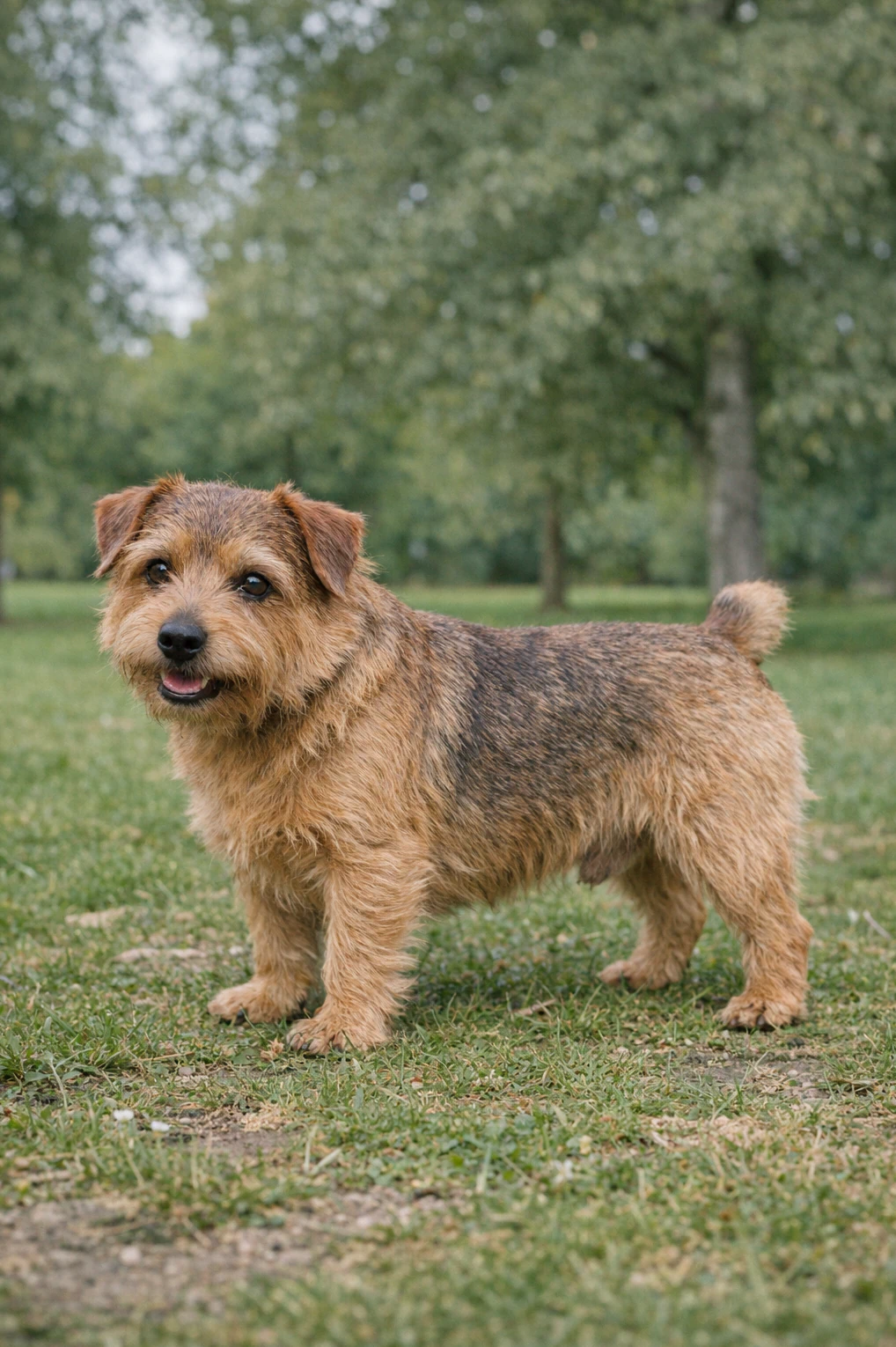
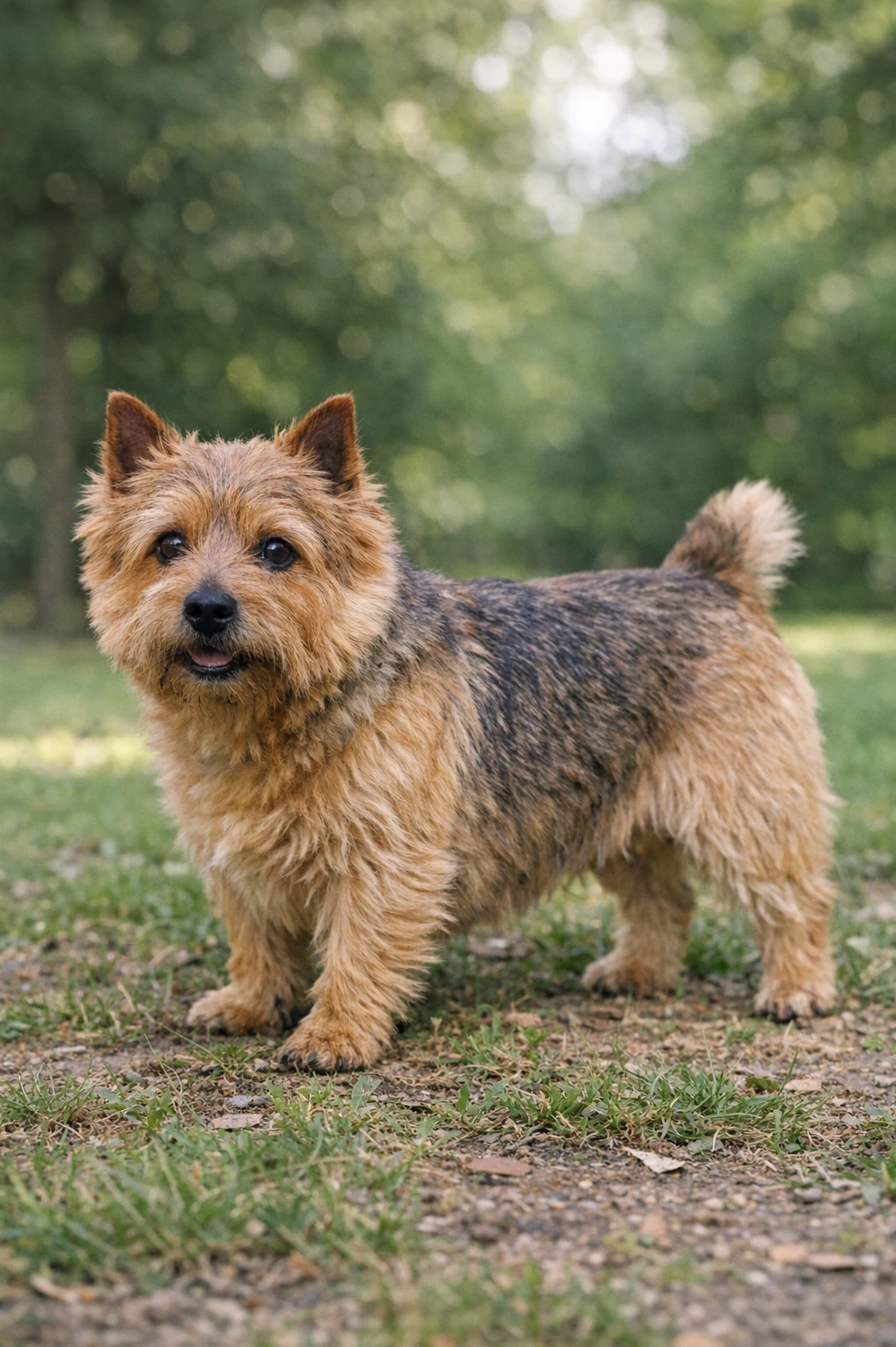
Compact at about 10 inches and 12 pounds, the Norwich Terrier is vigilant, inquisitive, devoted and loving, with a sociable nature.
Nutritional verdict: balanced, protein-rich meals keep them energetic and healthy.
Understanding the Norwich Terrier Metabolism and Energy Needs
Norwich terriers are compact, energetic companions originally bred to flush out small prey, and they tend to be independent yet warm and sociable.
Their small bodies and brisk activity mean they burn calories quickly, so food must be nutrient dense to maintain lean muscle and steady energy.
A higher share of quality animal protein preserves muscle and supports focus during play and training. Moderate healthy fats add calories and keep skin and coat healthy, so include omega-3 from fish oil. Controlled complex carbohydrates provide steady fuel and digestive fiber without pushing weight gain.
Probiotics can help sensitive stomachs, and joint-support nutrients may benefit very active or aging dogs. Serve small, measured meals to avoid overfeeding while matching their lively nature.
Managing Norwich Terrier Genetic Health Risks Through Nutrition
Patellar Luxation
Helpful nutrients
Hip Dysplasia
Helpful nutrients
Eye Disorders (Cataracts, PRA)
Helpful nutrients
Skin Allergies & Itchy Skin
Helpful nutrients
Dental Disease
Helpful nutrients
Obesity
Helpful nutrients
Norwich Terrier Feeding & Calorie Calculator
Estimated Daily Calories
Tip: Start with this amount and adjust after 2–3 weeks based on your dog's body condition and weight trend.
This estimate provides a starting point for feeding. Individual calorie needs may vary depending on metabolism, body condition, and health status. Always monitor your dog's weight and consult your veterinarian when adjusting diet.
Foods and Ingredients to Avoid for Norwich Terrier Dogs
Given the Norwich Terrier's small size and delicate weight, high-fat foods like bacon, greasy table scraps, and fatty cuts of meat can quickly tip them into unhealthy weight gain and trigger pancreatitis.
Pancreatitis is especially dangerous for small dogs and can require emergency care, so keep treats lean and reserve rich foods for very rare, supervised occasions.
Use low-fat snacks and portion control to keep their energy steady without overloading their tiny system.
Tiny jaws and compact teeth make Norwich Terriers vulnerable to choking and tooth fractures from hard treats, cooked bones, and large chew pieces.
Rawhides can swell and break apart unpredictably, creating a swallowing hazard, and cooked bones can splinter and puncture the gut.
Choose appropriately sized, digestible chews designed for small breeds to protect their mouth and airway.
Xylitol is extremely toxic to dogs, and even a small amount of sugar-free gum, baked goods, or peanut butter can cause a rapid drop in blood sugar and liver damage.
Because a Norwich Terrier weighs around 12 pounds, toxic doses are much smaller than for larger breeds, so double-check labels on any human foods you share.
When in doubt, avoid any products labeled sugar-free or containing xylitol entirely.
Grapes and raisins can cause sudden kidney failure in some dogs, and onions and garlic damage red blood cells leading to anemia, risks that are amplified in small breeds.
Even small amounts of these ingredients in sauces, baby food, or table scraps can be dangerous for a 12 pound Norwich Terrier.
Keep meals plain and inspect any shared food to avoid accidental exposure.
It is tempting to share your dinner, but table scraps are often calorie dense, salty, and rich, which promotes rapid weight gain in a small, lively Norwich Terrier.
Extra pounds stress joints and the heart, and can lower mobility and lifespan, so treats should be counted into daily calories.
Reserve human food for special occasions and use healthy, measured treats for training.
Artificial preservatives, colors, and strong flavorings can trigger skin sensitivities, digestive upset, or picky eating in sensitive small breeds.
Ingredients like BHA, BHT, and some artificial dyes are best avoided when your dog has a history of itchy skin or tummy troubles.
Look for simple, minimally processed foods and treats with recognizable ingredients to keep them comfortable and their coat healthy.
How Nutritional Needs Change Throughout the Norwich Terrier Life Stages
Across puppyhood, adulthood, and senior years, a Norwich Terrier's nutritional needs change significantly as its body grows, burns energy, and ages. These shifts depend on the dog's fast small-breed growth rate, lively activity level, and common tendencies like weight gain or dental sensitivity. Feeding choices should match life stage for steady growth, sustained energy, and graceful aging.
| Life Stage | Age Range | Primary Objective | Key Nutrient Focus |
|---|---|---|---|
| Puppy | 0–10 months | controlled skeletal development, immune support, brain development | DHA, balanced calcium/phosphorus, high-quality protein |
| Adult | 10 months–8 years | lean muscle maintenance and sustained energy | high-quality protein, omega-3 fatty acids, fiber |
| Senior | 8+ years | joint mobility, metabolic health, and cognitive support | glucosamine, chondroitin, antioxidants, lower calories |
Norwich Terrier puppies grow quickly, reaching most of their adult size by about six to nine months, so their nutrition must support rapid tissue growth while protecting developing bones. A small-breed growth pattern calls for steady calories and a careful calcium to phosphorus balance to support skeletal development without encouraging overly fast or uneven growth.
Feed small, frequent meals (three to four times daily) to match their bursts of energy and small stomach capacity, and choose a puppy diet formulated for small breeds with appropriately sized kibble. Prioritize high quality protein for muscle, healthy fats and DHA for brain and coat, plus antioxidants and essential vitamins to support immune development and a resilient, wiry coat.
As adults, Norwich Terriers need a balanced diet that preserves lean muscle and fuels their lively, curious nature. Choose a maintenance formula with high quality protein to support muscle mass and moderate healthy fats to meet energy needs without excess calories. Protein-rich treats can help during training, and smaller kibble makes meals easier for their small mouths.
Match portions to daily activity, because an active, playful terrier needs more fuel than a mostly sedentary one. Include nutrients that support skin and coat health, like omega-3 fatty acids, and keep up dental care to reduce tartar. Regular weight checks help catch small changes early, keeping your terrier fit and playful.
As Norwich Terriers enter their senior years, metabolism often slows and activity may drop, which can lead to gradual weight gain unless calories are adjusted. Aging can also affect digestion and nutrient absorption, and some dogs develop stiffer joints or reduced mobility. A senior formula with highly digestible protein helps preserve lean mass while keeping overall calories appropriate for a quieter lifestyle.
Support joints and mobility with supplements such as glucosamine, chondroitin, and omega-3 fatty acids, and include antioxidants like vitamin E to help cellular health. Consider smaller, more frequent meals to ease digestion, add moderate fiber if stools change, and keep regular veterinary checkups to tailor calorie and supplement needs as your terrier ages.
Kibble vs Fresh vs Raw for Norwich Terrier
Different feeding models suit different lifestyles and owner routines. For an active, small Norwich Terrier, food choice can influence energy, coat condition, and weight management.
Pros
- Convenient and easy to portion for busy owners.
- Small kibble sizes fit the Norwich Terrier's smaller mouth.
- Balanced formulas provide consistent nutrients for steady energy.
- Crunch can help reduce tartar, supporting dental health.
- Widely available and often more budget-friendly than fresh diets.
Cons
- Lower moisture content may not suit all Norwich Terriers.
- Some formulas contain fillers or artificial additives.
- Calorie-dense options can promote weight gain without portion control.
- May be less palatable for picky small dogs.
Pros
- Highly palatable, good for picky Norwich Terriers.
- High moisture supports hydration and healthy digestion.
- You control ingredients, helpful for allergies or sensitivities.
- Can boost coat condition with quality fats and proteins.
Cons
- Requires time and consistent recipes for balanced nutrition.
- Generally more expensive per serving than kibble.
- Needs refrigeration and meal prep, less convenient for travel.
- Risk of imbalance without veterinary or nutritional guidance.
Pros
- High protein profile may support active energy and muscle.
- Some owners see shinier coats and improved skin health.
- Unprocessed ingredients may preserve certain nutrients.
- Appeals to dogs that prefer raw textures over kibble.
Cons
- Higher bacterial risk requires strict hygiene and careful handling.
- Small bones and choking risks present concerns for this small breed.
- Challenging to balance vitamins and minerals without guidance.
- More expensive and often time-consuming to source and prepare.
| Diet Type | Pros for Norwich Terrier | Potential Downsides |
|---|---|---|
| High-Quality Kibble |
|
|
| Fresh Cooked Food |
|
|
| Raw Diet (BARF) |
|
|
Our Recommendation
For most Norwich Terriers, high-quality kibble offers a balanced, convenient baseline that helps manage portions and dental health.
Fresh cooked meals work well for picky eaters or dogs needing specific ingredients, while raw diets require veterinary planning and strict hygiene, so approach them cautiously with this small breed.
See Also
Breeds with similar group, size, and coat characteristics