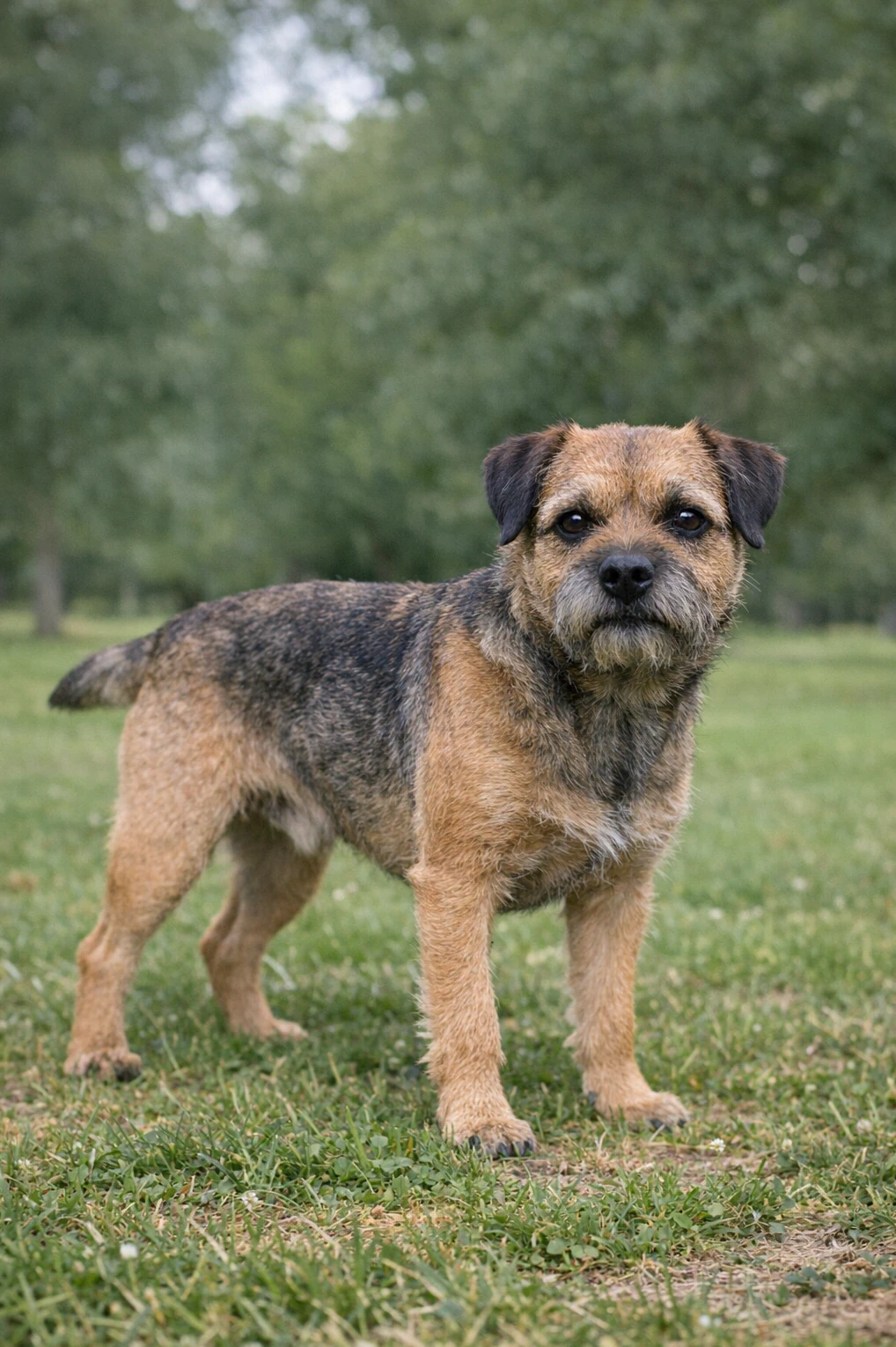
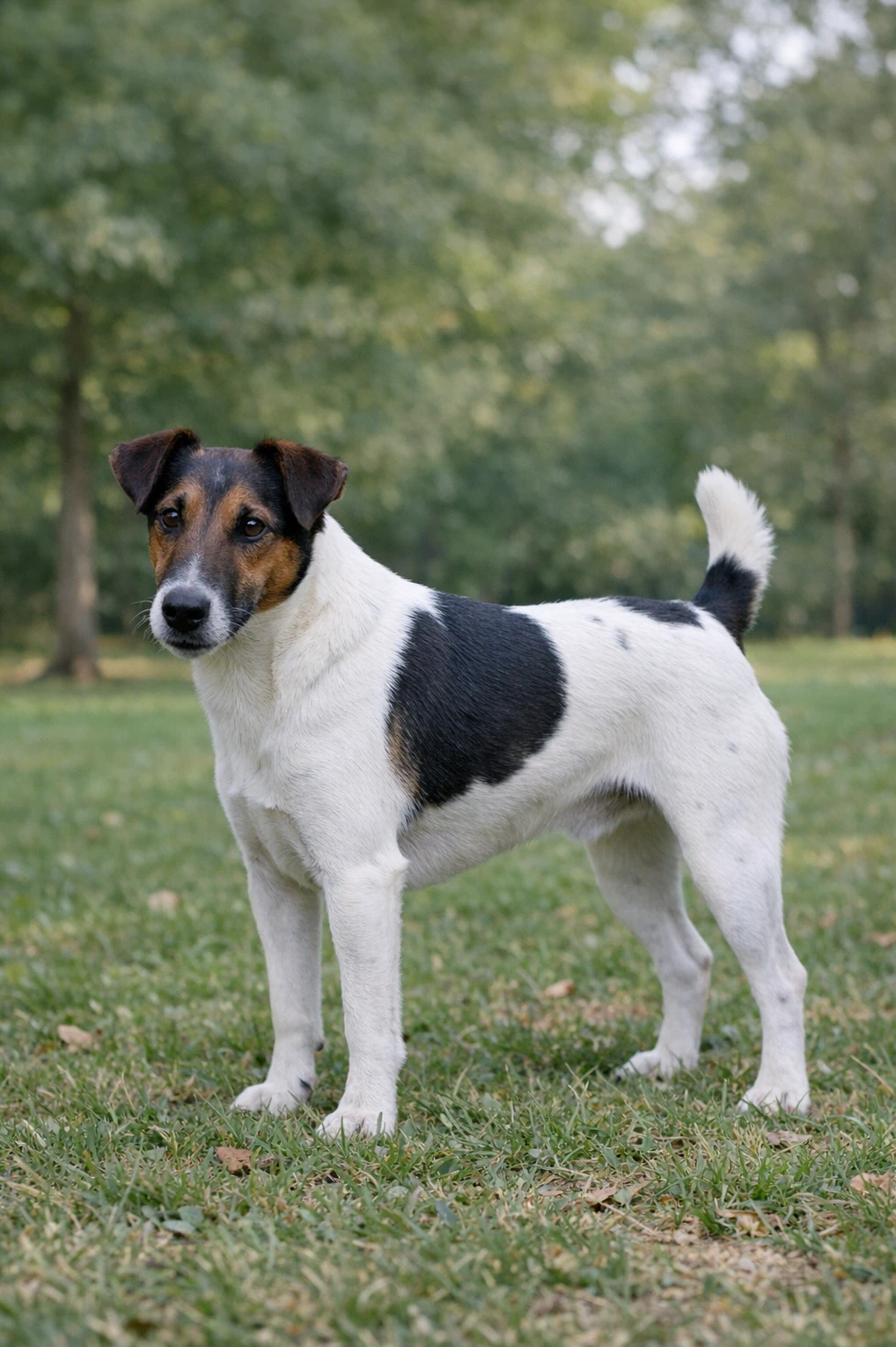
Best Dog Food for Russell Terrier in 2026Based on Nutritional Science
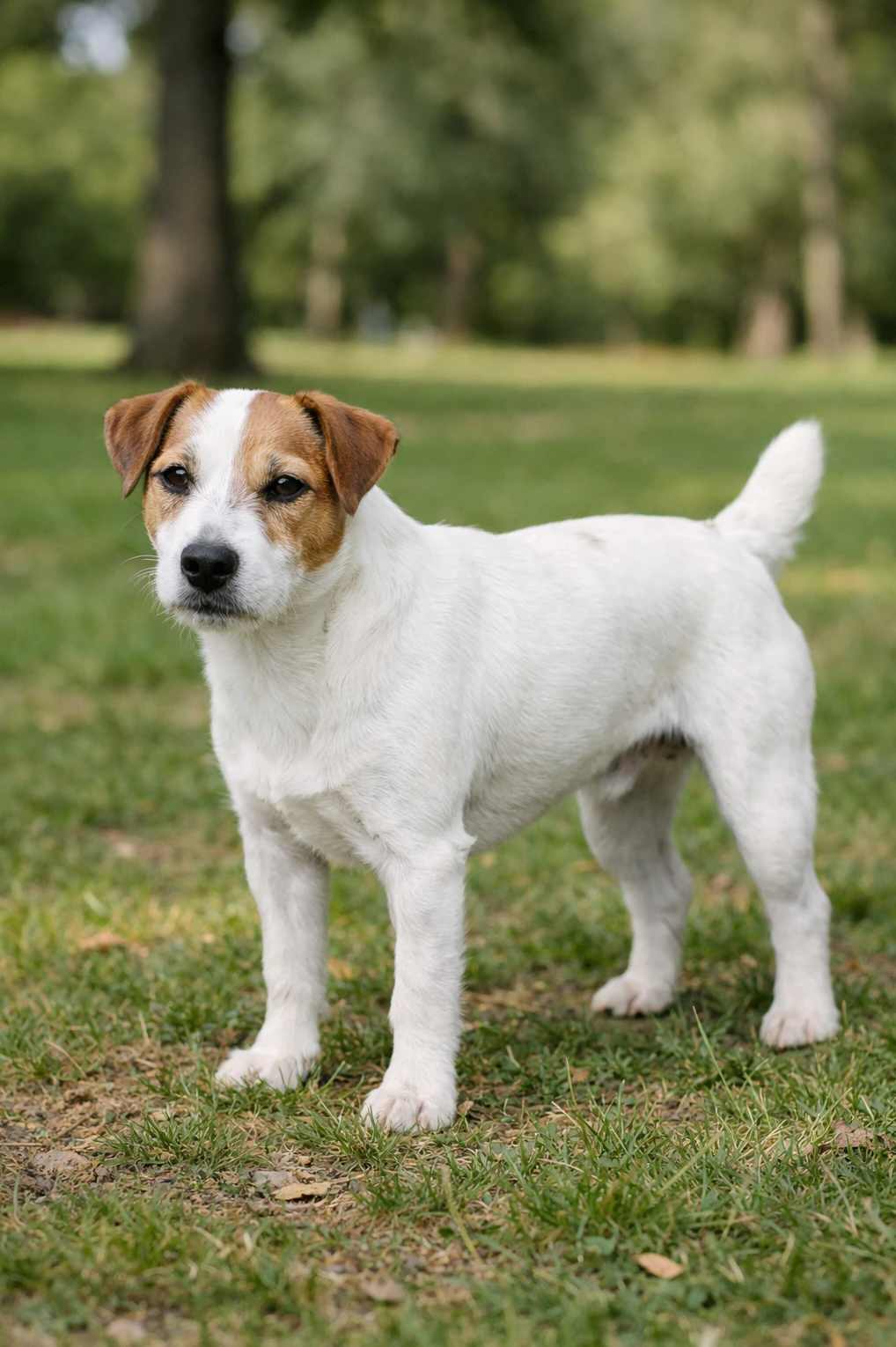
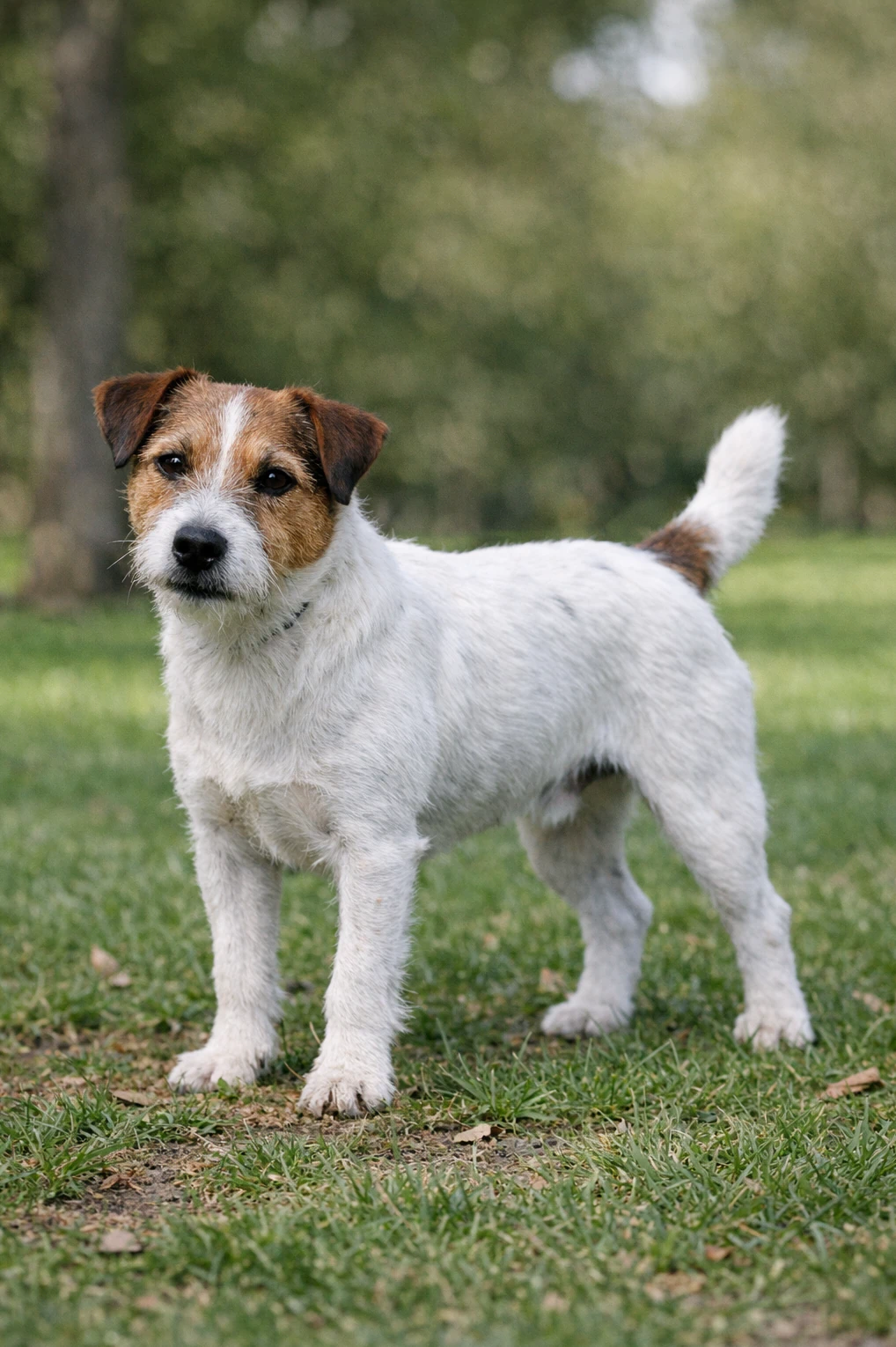
Compact, cheerful Russell Terrier stands about 10 to 12 inches tall and weighs 9 to 15 pounds. Watchful, curious, and spirited, this small dog thrives on protein-focused, portion-controlled meals. Nutritional Verdict: balanced active-dog diet recommended.
Understanding the Russell Terrier Metabolism and Energy Needs
As a compact dog bred to hunt and work underground, this type keeps a high drive, sharp awareness, and curiosity that demand calorie dense but balanced nutrition. Lean animal protein is essential to maintain fast twitch muscle for short, explosive bursts, so recipes centered on chicken, turkey, fish or eggs help preserve tone and recovery. Moderate healthy fats supply concentrated energy and support a glossy coat, while limited complex carbohydrates like sweet potato or oats provide steady fuel without excess weight.
Targeting roughly 30 to 35 percent of calories from protein, 18 to 25 percent from fat, and the remainder from low glycemic carbs suits their build and activity. Adding omega-3s for brain and joint health, glucosamine for connective tissues, and probiotics for a resilient gut makes sense given their curious snacking habits. Small, frequent meals help regulate blood sugar and prevent overeating, keeping them agile and ready for play.
Managing Russell Terrier Genetic Health Risks Through Nutrition
Patellar Luxation (loose kneecaps)
Helpful nutrients
Deafness
Helpful nutrients
Eye Disease
Helpful nutrients
Obesity / Overweight
Helpful nutrients
Russell Terrier Feeding & Calorie Calculator
Estimated Daily Calories
Tip: Start with this amount and adjust after 2–3 weeks based on your dog's body condition and weight trend.
This estimate provides a starting point for feeding. Individual calorie needs may vary depending on metabolism, body condition, and health status. Always monitor your dog's weight and consult your veterinarian when adjusting diet.
Foods and Ingredients to Avoid for Russell Terrier Dogs
Given the Russell Terrier's small size and tendency to gain weight, high-fat foods are best avoided.
Excess fat can lead to rapid weight gain and increase the risk of pancreatitis, which is serious and can require immediate veterinary care.
Extra weight also stresses the knees and back, making patellar luxation more likely or worse.
Choose lean protein sources and watch portion sizes to keep them active and healthy.
Sweet, high-calorie treats and table scraps can quietly add pounds to a Russell Terrier's frame, since they only weigh 9 to 15 pounds.
Even small amounts of human desserts, pastries, or sugary snacks contribute extra calories and can lead to obesity, which stresses joints and raises the chance of other health problems.
Use low calorie training treats and factor all treats into the daily calorie allowance to maintain a healthy weight.
Xylitol and other artificial sweeteners are dangerous for dogs, and small breeds like Russell Terriers are especially at risk because even tiny amounts can cause severe hypoglycemia and liver damage.
Common sources include sugar-free gum, some peanut butters, baked goods, and certain toothpaste or chewable vitamins.
Always read labels, never offer sugar-free products, and if you suspect xylitol ingestion contact your veterinarian immediately.
Onions, garlic, chives and other members of the allium family should be kept far away from Russell Terriers.
These ingredients, whether raw, cooked, or powdered, can damage red blood cells and lead to anemia, lethargy, and breathlessness.
Small dogs show symptoms faster because the toxic dose is lower relative to their body weight.
Avoid feeding any foods seasoned with these ingredients and check ingredient lists on treats and leftovers.
Cooked bones and very hard chewables can be dangerous for a small, energetic Russell Terrier.
Cooked bones can splinter into sharp fragments that cause choking, mouth injuries, or intestinal perforations requiring emergency surgery.
Hard toys or chews that are too big or brittle pose similar risks, especially for enthusiastic chewers who might crack a tooth.
Choose vet-recommended or size-appropriate chews and supervise chewing sessions to keep them safe.
Artificial preservatives, colors, and strong flavorings can aggravate skin or digestive sensitivities in Russell Terriers who sometimes show allergies or eye and skin issues.
Ingredients like BHA, BHT, and ethoxyquin have been linked to gastrointestinal upset or allergic reactions in some dogs.
Choosing a high-quality diet with natural preservatives and simple ingredient lists reduces the chance of flare-ups and keeps the coat and skin healthier.
Talk to your vet if you suspect a sensitivity.
How Nutritional Needs Change Throughout the Russell Terrier Life Stages
Like people, dogs have shifting nutritional needs as they move from puppyhood to adulthood and into their senior years. These needs depend on a dog’s growth rate, activity level, and breed-specific health tendencies, so feeding should be tailored to energy demands and any predispositions common to the breed. That means a Russell Terrier will have different calorie and nutrient targets than a larger, slower-growing dog.
| Life Stage | Age Range | Primary Objective | Key Nutrient Focus |
|---|---|---|---|
| Puppy | 0–10 months | controlled skeletal development, immune support, brain development | DHA, balanced calcium/phosphorus, high-quality protein |
| Adult | 10 months–8 years | lean muscle maintenance and sustained energy | high-quality protein, omega-3 fatty acids, fiber |
| Senior | 8+ years | joint mobility, metabolic health, and cognitive support | glucosamine, chondroitin, antioxidants, lower calories |
Russell Terrier puppies grow quickly for a small breed, often reaching much of their adult height within the first 6 to 9 months while filling out by about a year. Their skeletal plates close earlier than in large breeds, so a balanced calcium to phosphorus ratio and steady, appropriate calories are important to support healthy bone development and reduce stress on developing knees, especially given the breed’s predisposition to patellar luxation.
Feed small, energy-dense meals three to four times daily to suit their fast metabolisms and tiny stomachs, using high-quality protein and DHA for muscle and brain development. Include omega-3s for skin and coat, antioxidants for eye health, and easily digestible ingredients, and check portions with your breeder or vet to keep this lively, inquisitive little dog at a healthy weight.
As adults, Russell Terriers need a diet that preserves lean muscle and supplies steady energy for their alert, lively nature. Prioritize high-quality protein to maintain muscle mass and moderate fat for energy, while keeping calories in line with daily activity so they stay fit without gaining excess weight. Distribute meals into one or two feedings a day to match household routines and training schedules.
Because even small weight gains can strain knees and raise the risk of patellar issues, monitor body condition regularly and adjust portions or activity as needed. Support skin and coat with omega-3 fatty acids, and choose balanced formulas that include vitamins and minerals to help protect eye and ear health for a happy, active adult Russell Terrier.
Older Russell Terriers often have slower metabolisms, reduced activity, and sometimes stricter digestion or dental wear that changes how they eat. You may need to lower calories if their daily exercise decreases, while keeping protein digestible and adequate to preserve muscle without overtaxing organs. Pay attention to chewing ease and consider softer or moistened food if dental issues appear.
Support joints with glucosamine, chondroitin, and omega-3s to help mobility, and include antioxidants such as vitamin E and beta-carotene for eye and cognitive health, which can be helpful given the breed’s predisposition to eye conditions. Work with your vet to fine-tune calories, fiber, and any mineral restrictions if kidney concerns arise, so your senior Russell stays comfortable and active as possible.
Kibble vs Fresh vs Raw for Russell Terrier
Different feeding models suit different lifestyles and energy levels. For a lively, inquisitive Russell Terrier, calories, joint support, and portion control are especially important.
Pros
- Convenient and easy to portion for busy owners.
- Small kibble sizes suit tiny mouths and quick chewers.
- Formulas can be balanced for energy and joint support.
- Helps keep teeth cleaner through chewing action.
Cons
- Can promote weight gain without careful portioning and exercise.
- Some brands include fillers or artificial additives.
- Lower moisture content may not suit dogs prone to urinary issues.
- Not as palatable for picky, high-energy eaters.
Pros
- Highly palatable, often loved by picky Russell Terriers.
- High moisture supports digestion and urinary tract health.
- You control ingredients to avoid sensitivities and support joints.
- Easier to adjust calories for weight or activity changes.
Cons
- Requires careful recipes to ensure balanced vitamins and minerals.
- Time-consuming and more expensive than kibble.
- Needs refrigeration and reliable meal prep routines.
- Mistakes in calcium-phosphorus balance can affect bone health.
Pros
- Often high in protein, which suits active, energetic dogs.
- Some owners report shinier coats and higher energy levels.
- Unprocessed ingredients appeal to those preferring whole foods.
- Can be tailored for joint support and lean muscle.
Cons
- Higher risk of bacterial contamination without strict hygiene.
- Small bones can be hazardous for a small terrier.
- Balancing minerals is tricky and needs professional guidance.
- Not ideal for households with young children or immunocompromised people.
| Diet Type | Pros for Russell Terrier | Potential Downsides |
|---|---|---|
| High-Quality Kibble |
|
|
| Fresh Cooked Food |
|
|
| Raw Diet (BARF) |
|
|
Our Recommendation
Many Russell Terrier owners find high-quality kibble works well for daily convenience and portion control.
Fresh-cooked meals can shine for picky eaters or joint support, while raw diets may suit experienced owners with veterinary guidance and strict hygiene.
See Also
Breeds with similar group, size, and coat characteristics