Best Dog Food for Norfolk Terrier in 2026Based on Nutritional Science
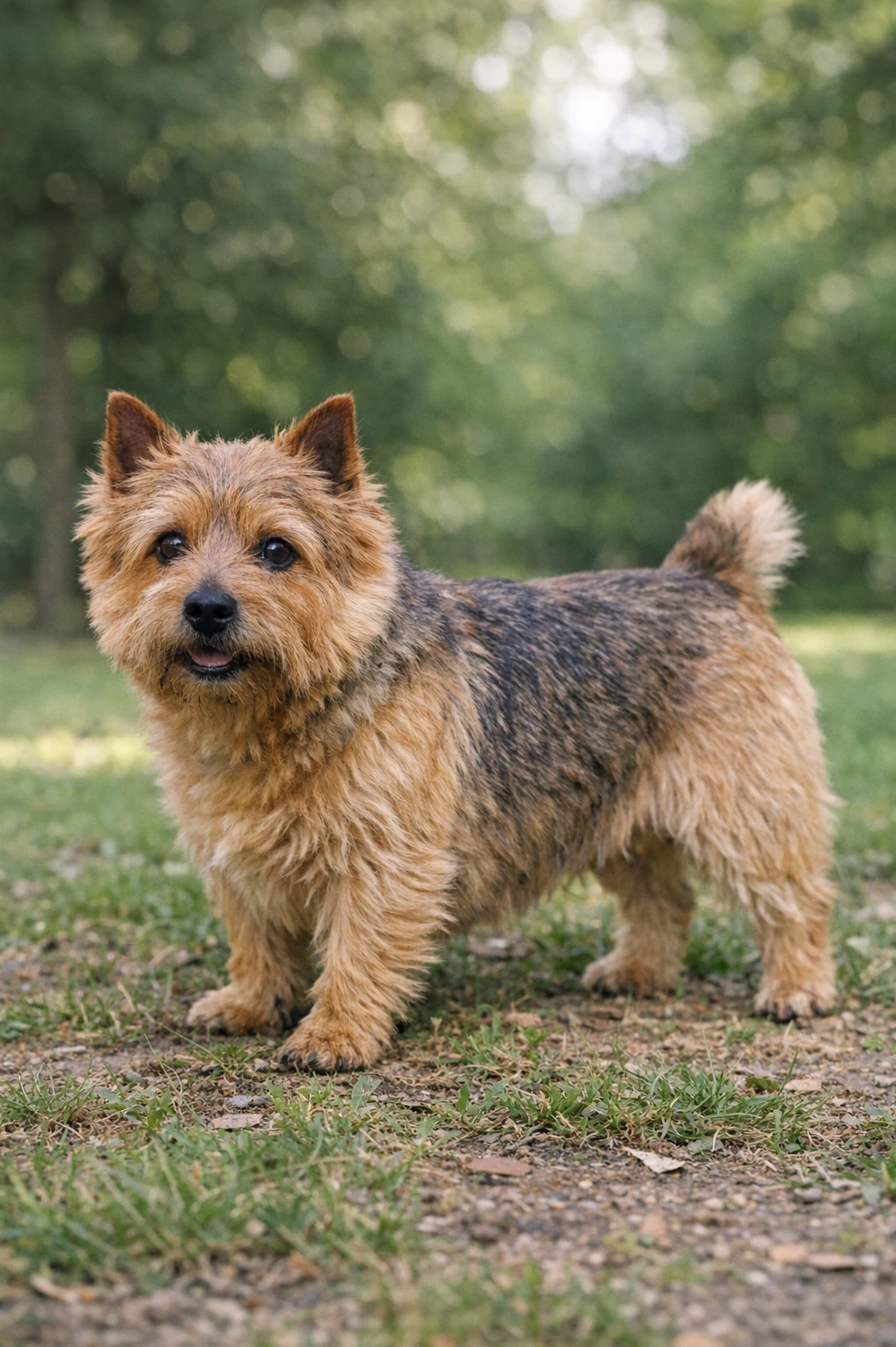
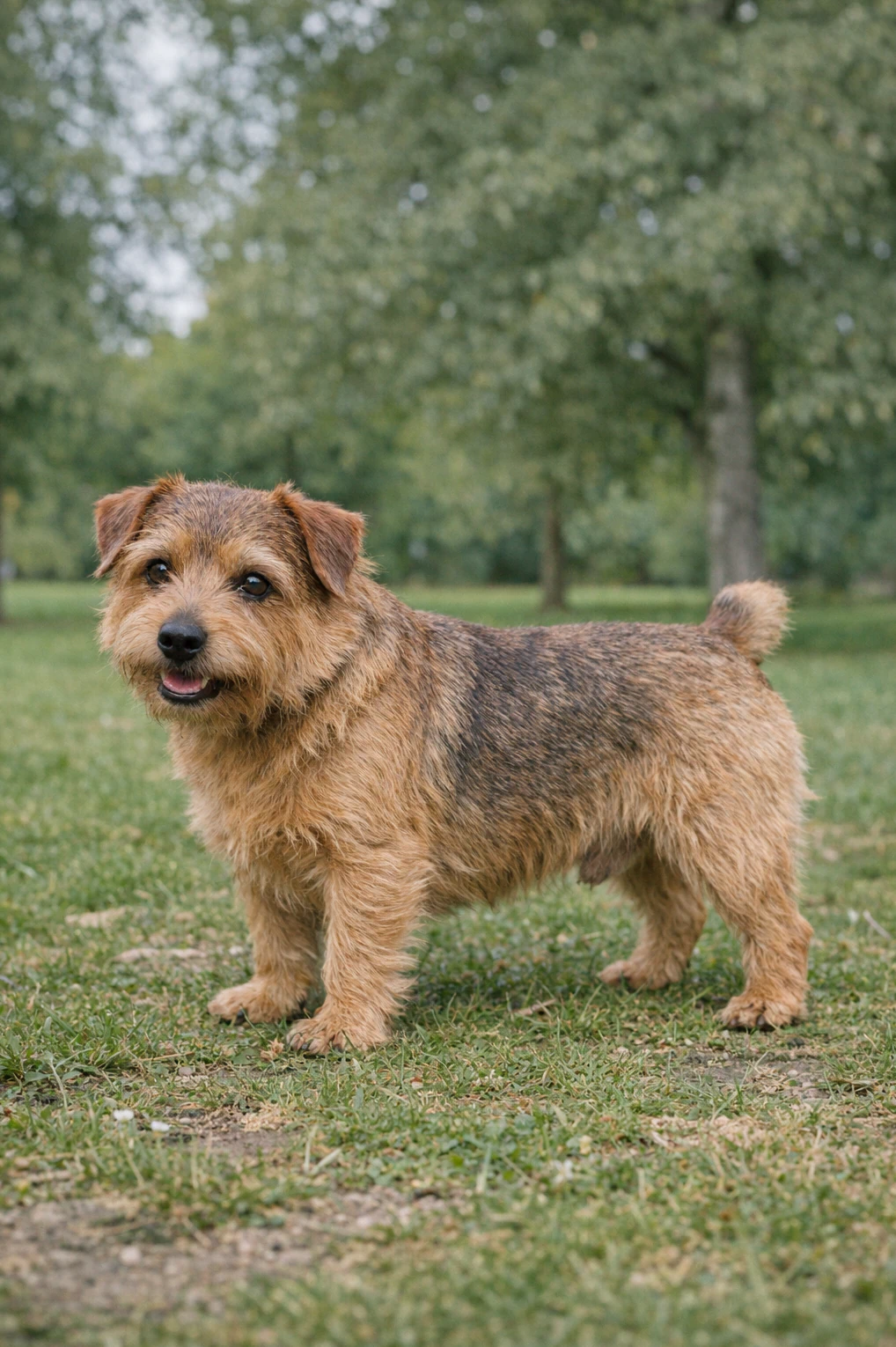
Compact 9–10 inch, 11–12 pound Norfolk Terrier, spirited, bold and playful. Nutritional verdict: feed a balanced, portion-controlled, protein-rich diet to support muscular energy and healthy weight for this lively companion.
Understanding the Norfolk Terrier Metabolism and Energy Needs
These small terrier companions were bred to chase and control vermin, so they are energetic, bold, and playful. That history means they need fuel for short, intense activity and steady recovery.
High quality animal protein supports their compact muscles and quick bursts, helping repair tissue and maintain a lean build. Think chicken, turkey, beef, or fish as primary protein sources.
Concentrated fats supply the extra calories their fast metabolism uses, and essential oils help skin and coat condition and brain function. Include fish oil or flax sources to deliver omega fatty acids.
Moderate complex carbohydrates and fiber stabilize energy between spurts and support digestion, using sweet potato, brown rice, or pumpkin. Small, nutrient-dense meals and optional joint or probiotic supplements keep active little dogs moving comfortably.
Managing Norfolk Terrier Genetic Health Risks Through Nutrition
Joint Problems (patellar luxation, hip issues)
Helpful nutrients
Eye Conditions (cataracts, progressive retinal issues)
Helpful nutrients
Skin & Allergies
Helpful nutrients
Dental Disease
Helpful nutrients
Obesity & Weight Management
Helpful nutrients
Heart Health
Helpful nutrients
Norfolk Terrier Feeding & Calorie Calculator
Estimated Daily Calories
Tip: Start with this amount and adjust after 2–3 weeks based on your dog's body condition and weight trend.
This estimate provides a starting point for feeding. Individual calorie needs may vary depending on metabolism, body condition, and health status. Always monitor your dog's weight and consult your veterinarian when adjusting diet.
Foods and Ingredients to Avoid for Norfolk Terrier Dogs
Given the Norfolk Terrier's small size and tendency to gain weight if overfed, very fatty foods and table scraps can quickly lead to obesity and pancreatitis.
High-fat snacks are calorie-dense and can overwhelm a small dog’s digestion, triggering tummy upset or a dangerous pancreatitis episode.
Stick with lean proteins and controlled portions to keep energy steady and joints and heart healthy.
Xylitol and other artificial sweeteners are dangerous for dogs, and Norfolk Terriers’ low body weight means even tiny amounts can cause trouble.
Xylitol can provoke a rapid insulin surge, leading to severe hypoglycemia and possible liver damage, sometimes within an hour of ingestion.
Always check labels on peanut butter, gum, candies and sugar-free baked goods and keep those items well out of reach.
Hard chews, cooked bones and large chunks of food pose a real choking and dental risk for small-jawed Norfolk Terriers.
Cooked bones can splinter and rawhides or very hard nylabones can cause blockages or broken teeth, which are painful and expensive to treat.
Choose appropriately sized, easily chewable treats and supervise any new chew to prevent emergency trips to the vet.
Chocolate, coffee and products with caffeine are much more toxic to small breeds like the Norfolk Terrier because their low body weight magnifies the effect of methylxanthines.
Even a small amount of dark chocolate or espresso beans can cause vomiting, rapid heart rate, tremors or seizures, so prompt veterinary care is critical if ingestion is suspected.
Store treats and baking supplies up high, and educate family members and guests to avoid sharing human sweets.
Onions, garlic and related alliums can damage red blood cells and cause anemia, a concern for any dog but especially for a small Norfolk Terrier with less blood volume to buffer a loss.
Even small amounts of concentrated sources, like powdered garlic or onion in seasonings, can be harmful over time.
Avoid cooked or raw forms in table scraps and double-check ingredient lists on prepared foods and sauces.
Some dog foods that rely heavily on peas, lentils and other legumes have been linked to heart concerns in a subset of dogs, and small breeds like the Norfolk Terrier may be more sensitive to imbalances.
Diets very high in pulses can affect amino acid availability or taurine status in susceptible individuals, possibly increasing the risk of dilated cardiomyopathy when fed exclusively long term.
Rotate protein sources, choose formulas with whole-protein animal sources and work with your vet before switching to a pulse-heavy diet.
How Nutritional Needs Change Throughout the Norfolk Terrier Life Stages
Dogs need different nutrition as they move from puppyhood to adulthood and into senior years. Puppies require building blocks for growth, adults need balanced maintenance diets, and seniors often benefit from adjustments for slower metabolism and joint care. These nutritional needs vary by breed because growth rate, activity level, and common health tendencies influence how much protein, fat, and targeted nutrients a Norfolk Terrier will benefit from.
| Life Stage | Age Range | Primary Objective | Key Nutrient Focus |
|---|---|---|---|
| Puppy | 0–10 months | controlled skeletal development, immune support, brain development | DHA, balanced calcium/phosphorus, high-quality protein |
| Adult | 10 months–8 years | lean muscle maintenance and sustained energy | high-quality protein, omega-3 fatty acids, fiber |
| Senior | 8+ years | joint mobility, metabolic health, and cognitive support | glucosamine, chondroitin, antioxidants, lower calories |
Norfolk Terrier puppies grow quickly and reach their adult size sooner than larger breeds, so their early nutrition should support fast, steady growth without overloading bones. Careful balance of calcium and phosphorus is important for proper skeletal development, along with energy-dense calories to meet their high metabolism, while avoiding excess weight that stresses growing joints.
Feed small breed puppies several small meals a day to keep energy steady and reduce stomach upset, choosing kibble sized for little mouths. Prioritize high quality protein to build lean muscle, digestible fats for energy, and nutrients like DHA for brain development and vitamins for immune support. Because Norfolks are alert and playful, monitor body condition and dental care as part of the feeding routine.
Adult Norfolk Terriers are compact, energetic dogs that need a diet which preserves lean muscle while supplying steady energy for daily play. Aim for moderate, high quality protein to maintain muscle mass and a balanced fat content to fuel their lively temperament without excess calories. Small portion sizes and appropriately calorie-dense formulas help prevent weight gain in a dog that burns energy in short bursts.
Include omega fatty acids to support the wiry double coat and skin health, and choose a kibble size that is easy for small jaws to chew. Match calorie intake to activity level, increasing food slightly on very active days and trimming portions during quieter periods. Regular weight checks and periodic adjustments will keep your Norfolk fit and ready for fun.
As Norfolk Terriers age they often show a gradual slowdown in activity and a shift in metabolism that can affect weight and digestion. Senior diets should preserve muscle with easily digestible, high quality protein while moderating calories if daily activity drops. Increased fiber can help maintain regular digestion and smaller, softer kibble may ease chewing if dental wear appears.
Support joint health with ingredients like glucosamine and chondroitin, and include antioxidants such as vitamin E and beta-carotene to support healthy aging. Because small breeds can still be lively, adjust calories based on activity rather than age alone, and check weight and mobility regularly so you can tweak portions and supplements as needed.
Kibble vs Fresh vs Raw for Norfolk Terrier
Different feeding models suit different lifestyles, energy levels, and owner routines. For a Norfolk Terrier, small size, lively temperament, and wiry coat all influence the best choice.
Pros
- Convenient for busy owners and consistent portioning.
- Often formulated for small breed calorie needs.
- Helps reduce tartar with crunchy texture.
- Shelf-stable and easy to travel with.
Cons
- Can be calorie-dense, promoting weight gain if overfed.
- Some formulas include fillers or lower-quality ingredients.
- Lower moisture content may bother picky drinkers.
- Hard kibbles can be too big for tiny jaws.
Pros
- Highly palatable, great for picky, fun-loving eaters.
- High moisture content supports hydration and digestion.
- You control ingredient quality for coat-supporting fats.
- Easier to adjust portions for a small dog.
Cons
- More time consuming and often pricier long-term.
- Requires careful recipes to ensure complete nutrition.
- Needs refrigeration and daily meal prep.
- Risk of unbalanced homemade meals without guidance.
Pros
- Mimics ancestral, protein-rich meals for sustained energy.
- Some owners report shinier coats and cleaner teeth.
- Can suit active terriers with higher protein needs.
Cons
- Higher bacterial risk requires strict hygiene and handling.
- Small bones can be hazardous for small breeds.
- Challenging to balance vitamins and minerals correctly.
- Veterinary guidance is often needed, adding cost.
| Diet Type | Pros for Norfolk Terrier | Potential Downsides |
|---|---|---|
| High-Quality Kibble |
|
|
| Fresh Cooked Food |
|
|
| Raw Diet (BARF) |
|
|
Our Recommendation
Many Norfolk Terriers do well on high-quality kibble that respects small-breed nutrition and portion control.
Fresh cooked diets are a lovely option for picky eaters or coat support, while raw diets require careful handling and expert balancing.
See Also
Breeds with similar group, size, and coat characteristics