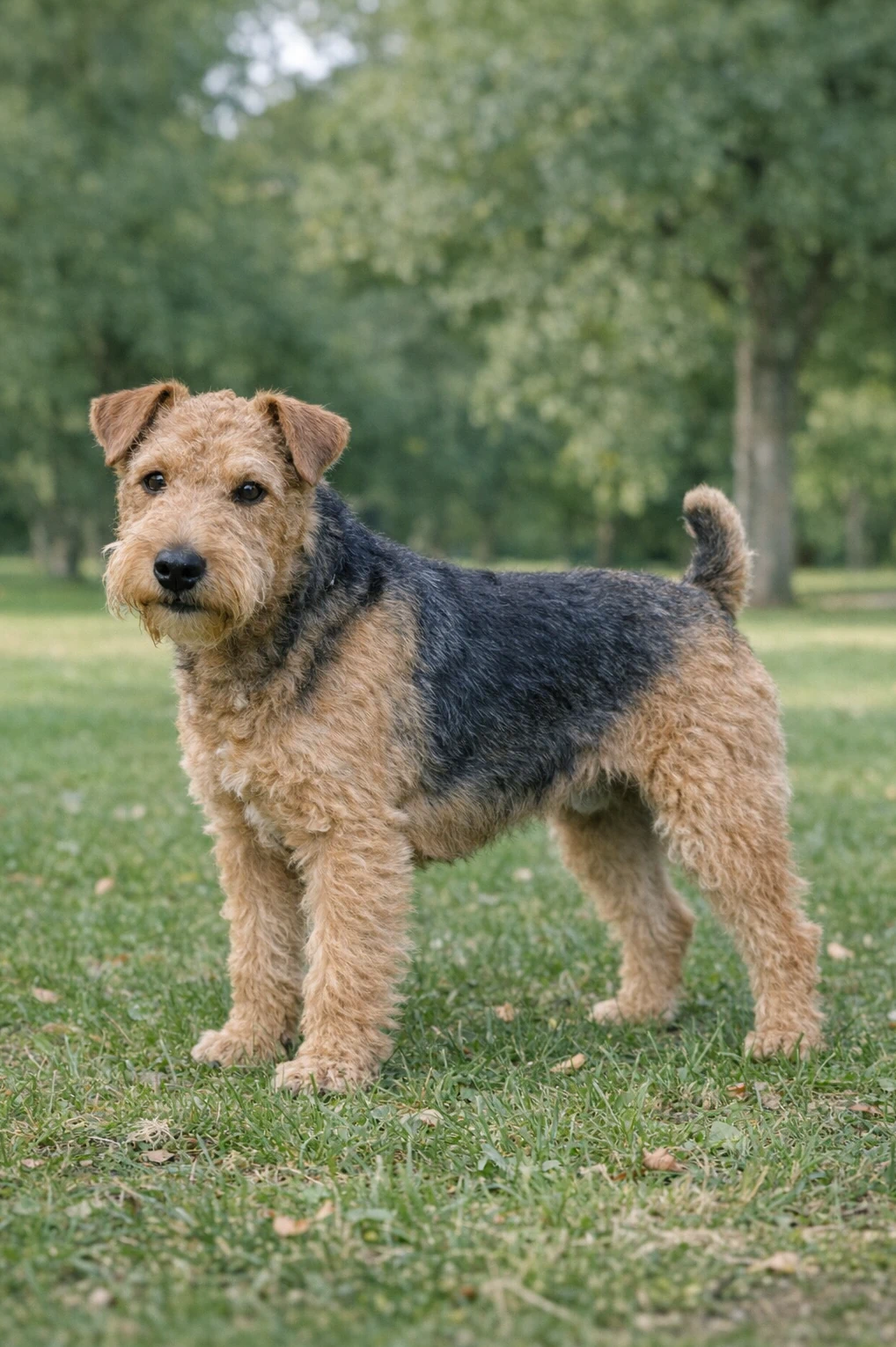
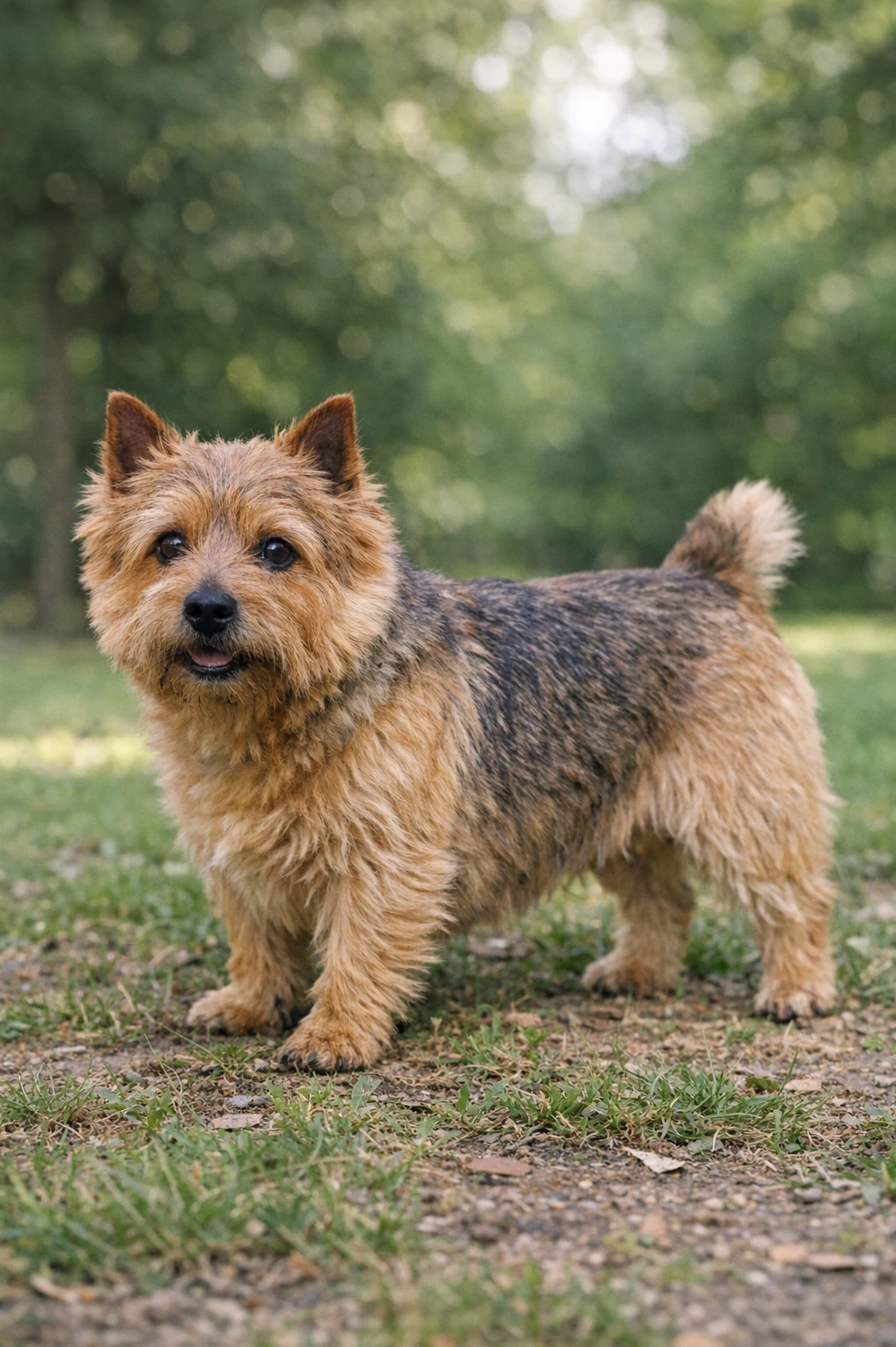
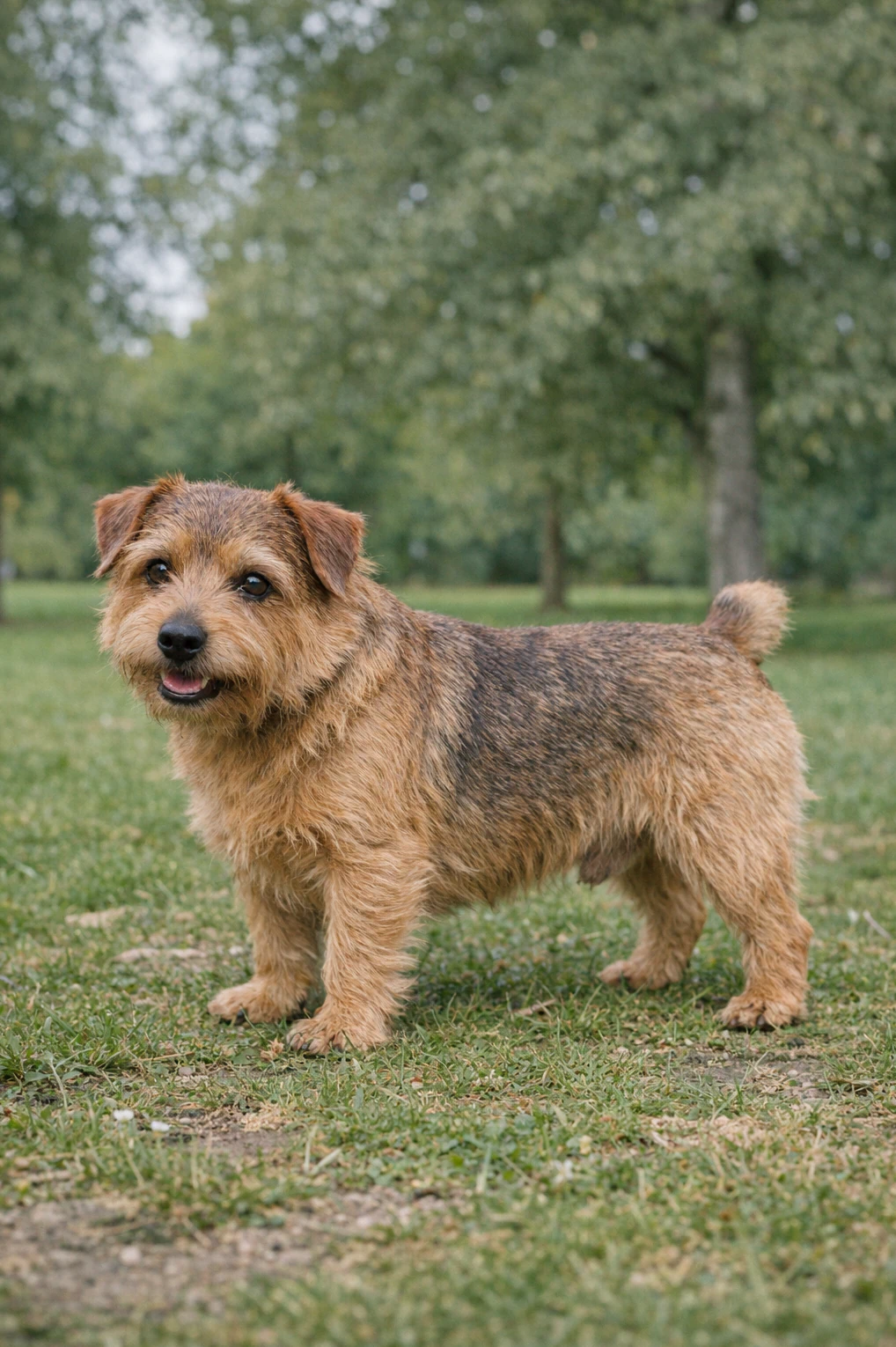
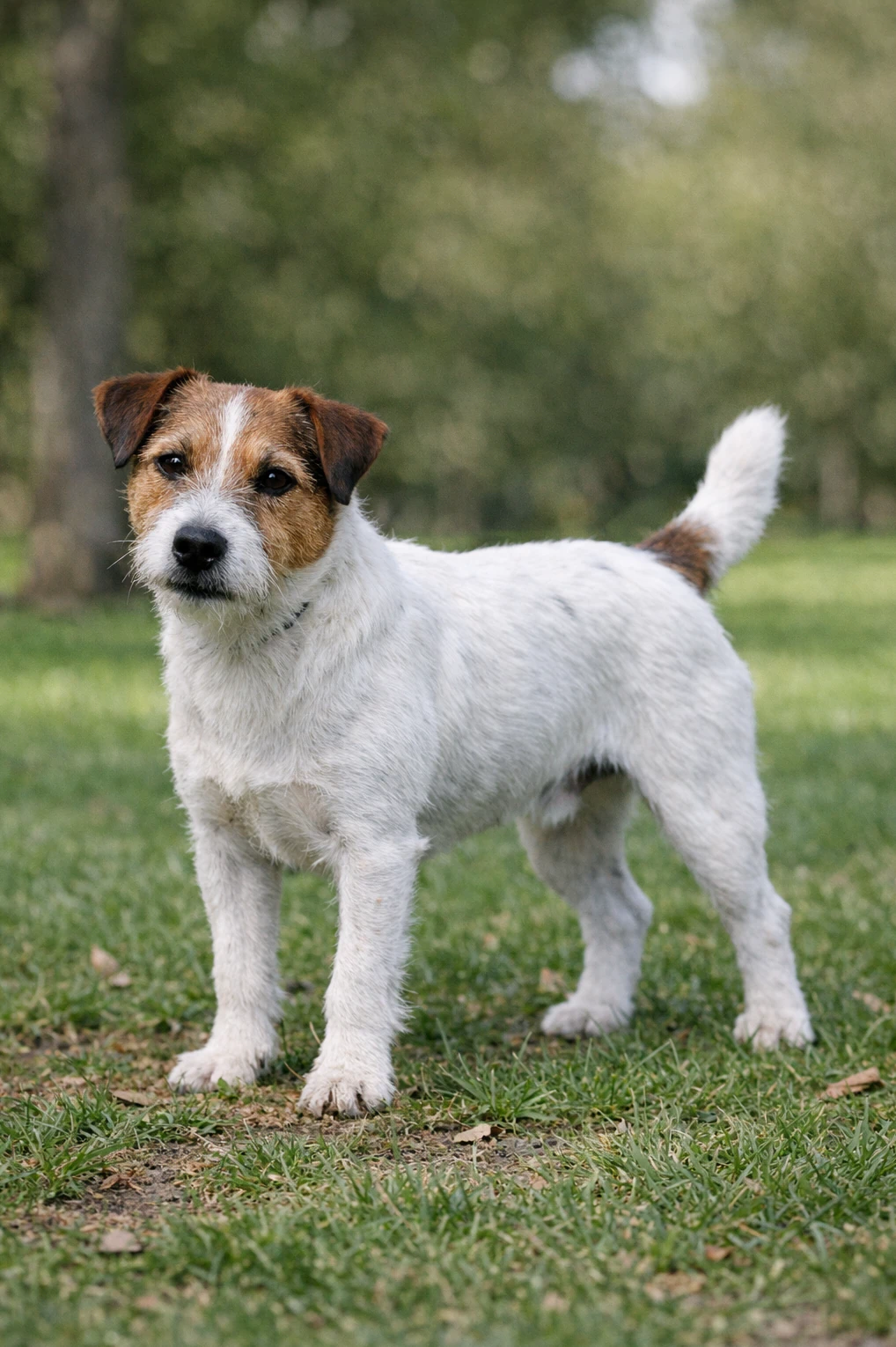
Best Dog Food for Border Terrier in 2026Based on Nutritional Science
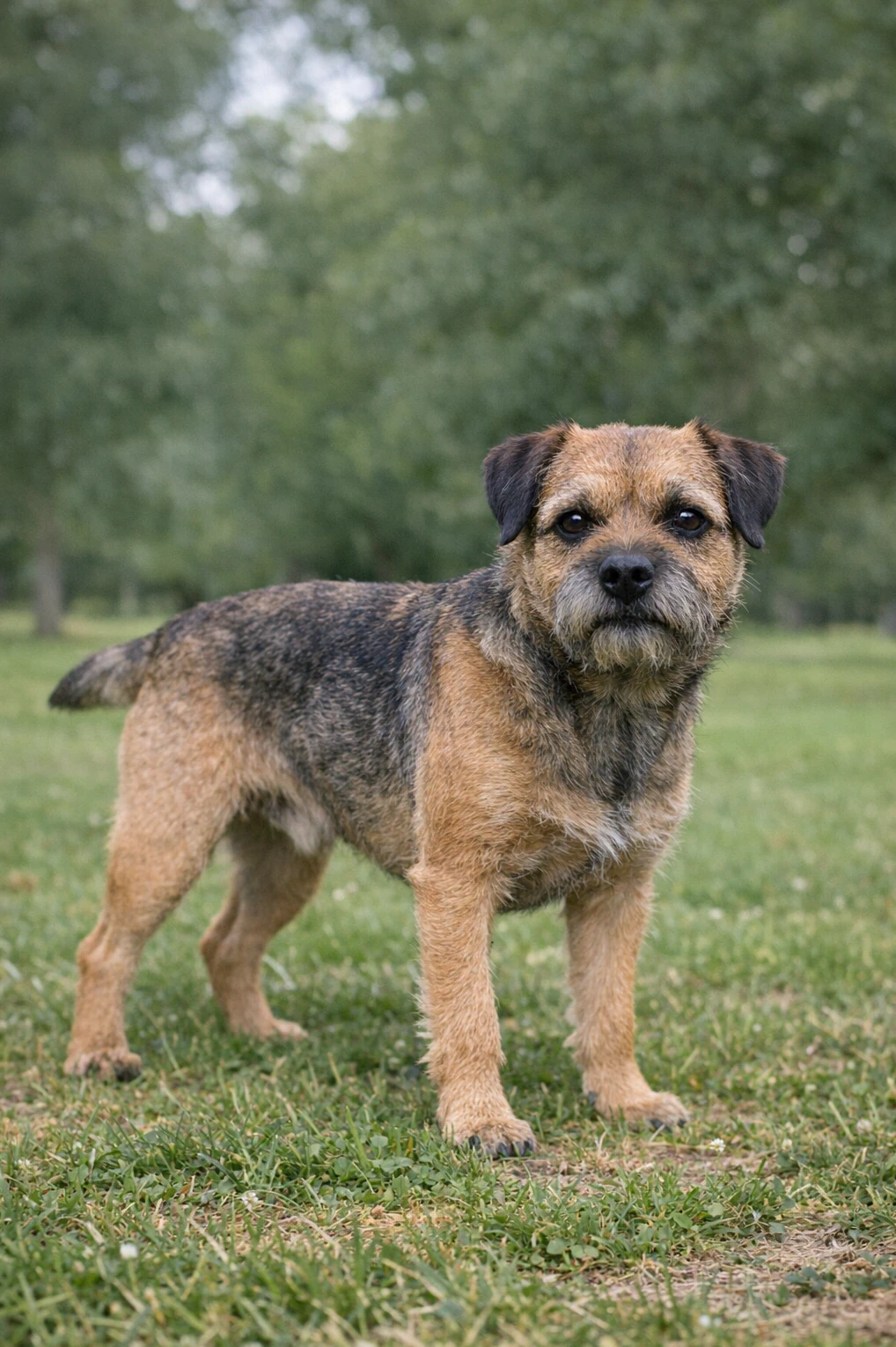
Compact and sturdy at 12 to 15 inches tall and about 13 to 15.5 pounds for males, this little terrier is loving, upbeat, and bold.
Nutritional verdict: feed a balanced, protein-rich diet for steady energy.
Understanding the Border Terrier Metabolism and Energy Needs
As a small, tenacious working dog originally used to chase burrowing prey, this companion keeps a lively, bold personality and bursts of high-intensity energy. Nutritional needs reflect lean musculature and steady mental focus rather than slow endurance, so diets should support quick power and alertness.
Prioritize high-quality animal protein, such as chicken, fish, or eggs, to preserve fast-twitch muscle and overall tone. Moderate healthy fats supply concentrated calories and help skin and coat, while complex carbohydrates like sweet potato and oats provide steady fuel and fiber for digestion. Adding omega-3-rich fish oil supports coat shine and reduces inflammation, and glucosamine helps joints that endure digging and rough play.
Because small, active dogs can gain weight if overfed, use calorie-dense formulas in measured portions and consider two smaller meals daily for stable energy. A balanced vitamin and antioxidant mix keeps immunity sharp and supports a cheerful, resilient companion.
Managing Border Terrier Genetic Health Risks Through Nutrition
Hip Dysplasia
Helpful nutrients
Progressive Retinal Atrophy
Helpful nutrients
Juvenile Cataracts
Helpful nutrients
Seizures
Helpful nutrients
Heart Problems
Helpful nutrients
Allergies
Helpful nutrients
Obesity
Helpful nutrients
Heat Sensitivity
Helpful nutrients
Border Terrier Feeding & Calorie Calculator
Estimated Daily Calories
Tip: Start with this amount and adjust after 2–3 weeks based on your dog's body condition and weight trend.
This estimate provides a starting point for feeding. Individual calorie needs may vary depending on metabolism, body condition, and health status. Always monitor your dog's weight and consult your veterinarian when adjusting diet.
Foods and Ingredients to Avoid for Border Terrier Dogs
Border Terriers are small dogs that can be prone to putting on weight, and high-fat foods accelerate that risk while also increasing the chance of pancreatitis.
Too much fat in the diet can quickly add calories, stress the heart, and make it harder for them to stay active and comfortable.
Avoid greasy table scraps and fatty cuts of meat, and choose lean protein sources and controlled portions to keep weight and digestive health stable.
Because this breed easily gains weight, treats and people food can push a Border Terrier past a healthy calorie limit very quickly.
Frequent snacking during training or sharing your meals makes it hard to control daily calorie intake, putting extra strain on joints and predisposing them to obesity.
Use low-calorie training rewards, measure daily treats into their calorie budget, and reserve table scraps for rare occasions with vet approval.
Some Border Terriers have sensitive skin or food sensitivities, and ingredients like BHA, BHT, ethoxyquin, and artificial dyes can trigger itchy skin, digestive upset, or allergic reactions.
These additives are often unnecessary in high-quality diets and can make it harder to identify the true cause of flare-ups.
Look for diets with natural preservatives and simpler ingredient lists, and consult your veterinarian if you suspect a sensitivity in your dog.
Xylitol is extremely toxic to dogs and can cause a rapid insulin release, severe hypoglycemia, seizures, and even liver failure.
It is found in sugar-free gum, some peanut butters, candies, and baked goods, and even small amounts can be dangerous for a small-breed dog like a Border Terrier.
Always check ingredient labels on human foods and avoid sharing anything labeled sugar-free, and contact your vet immediately if you suspect xylitol exposure.
Onions, garlic, chives, and related seasonings can damage red blood cells and lead to hemolytic anemia in dogs, and small breeds are particularly vulnerable because it takes less to cause harm.
Both raw and cooked forms, plus powders used in seasoning mixes, can be toxic over time depending on the amount eaten.
Avoid feeding any foods seasoned with these ingredients and read labels on pre-made foods, sauces, and leftovers to keep your Border Terrier safe.
Grapes and raisins can cause sudden kidney failure in dogs, and the amount needed to cause harm is unpredictable, so it is safest to avoid them entirely.
Chocolate and caffeine contain stimulants like theobromine that can cause vomiting, tremors, heart problems, and seizures, especially in small dogs that have a lower tolerance.
Keep all of these foods well out of reach, and never offer baked goods or snacks that might contain them, checking labels and packaging carefully.
How Nutritional Needs Change Throughout the Border Terrier Life Stages
Like people, dogs need different nutrition as they move from puppyhood through adulthood into their senior years. Puppies need more calories and specific building blocks for growth, adults need balanced maintenance diets, and seniors often require fewer calories and joint or digestive support. Breed factors such as a Border Terrier's quick growth, lively energy, and common health tendencies shape the exact diet choices.
| Life Stage | Age Range | Primary Objective | Key Nutrient Focus |
|---|---|---|---|
| Puppy | 0–10 months | controlled skeletal development, immune support, brain development | DHA, balanced calcium/phosphorus, high-quality protein |
| Adult | 10 months–8 years | lean muscle maintenance and sustained energy | high-quality protein, omega-3 fatty acids, fiber |
| Senior | 8+ years | joint mobility, metabolic health, and cognitive support | glucosamine, chondroitin, antioxidants, lower calories |
Border Terrier puppies grow quickly but not as large as big-breed pups, so their skeletal development needs a careful balance of calories and minerals. Controlled, steady growth helps protect developing joints and hips, so calcium and phosphorus ratios suited for small, fast-growing breeds are important, along with high quality protein for muscle and DHA for brain and eye development.
Feed small, frequent meals during puppyhood to match their fast metabolisms and reduce the risk of overeating. Include moderate fat for energy, omega-3s for coat and cognition, and probiotics to support digestion, and be mindful of allergy-prone individuals while avoiding over-supplementing calcium which can harm bone formation.
Adult Border Terriers are small but energetic, so maintaining lean muscle mass and steady energy levels depends on regular, high quality protein and balanced fats. Aim for a maintenance diet with digestible proteins, moderate fat for activity, and complex carbohydrates for sustained energy, adjusting portions if activity swings between lively play and calmer days.
Because Border Terriers can be prone to allergies and some hereditary issues, choose formulas with limited, high-quality ingredients if your dog shows sensitivities. Keep portions in check to prevent excess weight that stresses hips and heart, and pair feeding with daily exercise to support metabolism and the breed's plucky spirit.
As Border Terriers age they often slow down and lose some lean mass, which lowers calorie needs while making protein more important for muscle preservation. Metabolism and digestion can change, so seniors benefit from easily digestible protein, slightly reduced calories, and added fiber for steady digestion.
Support joint comfort with supplements like glucosamine, chondroitin, and omega-3 EPA/DHA to help mobility, and include antioxidants to protect aging cells. Monitor weight closely to avoid obesity, adapt food texture if dental issues arise, and consult your vet about tailored diets especially if there are heart, eye, or seizure concerns. Also watch for heat sensitivity and make sure hydration and cool resting places are available in warm weather.
Kibble vs Fresh vs Raw for Border Terrier
Different feeding models suit different lifestyles, budgets, and health needs. For a plucky, small Border Terrier, activity level, allergy tendencies, and heat sensitivity are important to consider.
Pros
- Convenient and easy to portion for busy Border Terrier owners.
- Consistent, complete nutrition in every measured serving.
- Crunchy kibble can help reduce tartar on small teeth.
- Often more budget-friendly than fresh cooked meals.
Cons
- Lower moisture content may challenge hydration during hot weather.
- Some formulas contain fillers that trigger food sensitivities.
- Calorie-dense options can lead to weight gain in sedentary dogs.
- Less appealing for picky, plucky Border Terriers.
Pros
- Highly palatable for picky, food-motivated Border Terriers.
- High moisture supports hydration, helpful in warm weather.
- Control over ingredients helps manage allergies or sensitivities.
- Easier to tweak calories for active days or rest days.
Cons
- Requires careful planning to ensure complete, balanced nutrition.
- More time consuming and usually more expensive than kibble.
- Needs refrigeration and regular meal prep.
- Missing supplements can cause nutrient gaps over time.
Pros
- High-quality raw proteins can support energy and lean muscle.
- Some owners report improved coat condition and vitality.
- Minimal processing keeps natural fats and amino acids intact.
- Allows ingredient control for allergy-prone Border Terriers.
Cons
- Higher risk of bacterial contamination without strict hygiene practices.
- Raw bones can be risky for small dogs, causing choking.
- Difficult to balance vitamins and minerals correctly.
- Veterinary guidance is essential, adding cost and complexity.
| Diet Type | Pros for Border Terrier | Potential Downsides |
|---|---|---|
| High-Quality Kibble |
|
|
| Fresh Cooked Food |
|
|
| Raw Diet (BARF) |
|
|
Our Recommendation
For most Border Terriers, high-quality kibble provides a convenient, balanced foundation with careful portioning. Fresh cooked meals are excellent for picky dogs or those with sensitivities.
Raw diets suit experienced owners and require veterinary supervision.
See Also
Breeds with similar group, size, and coat characteristics