Best Dog Food for Parson Russell Terrier in 2026Based on Nutritional Science
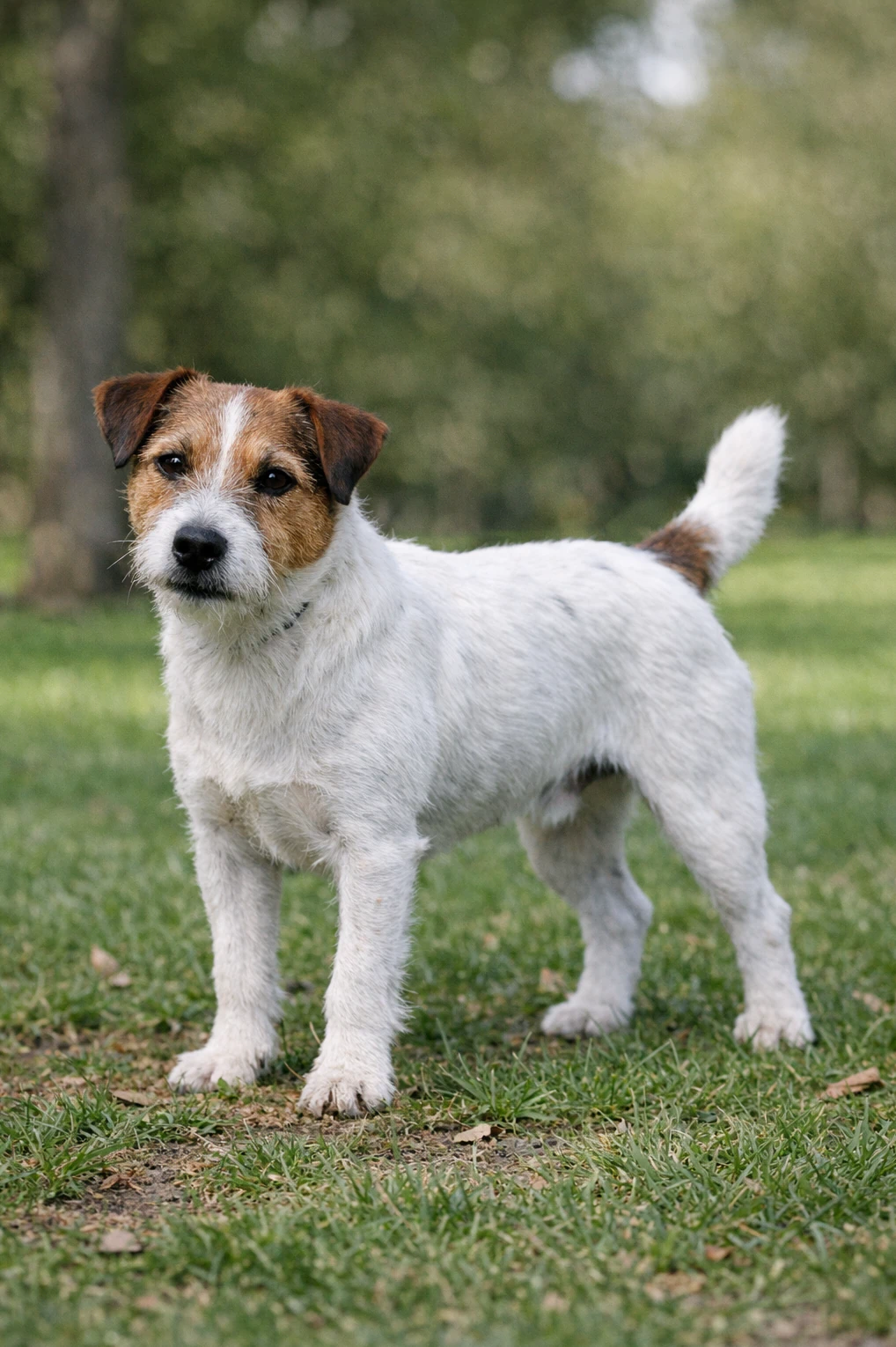
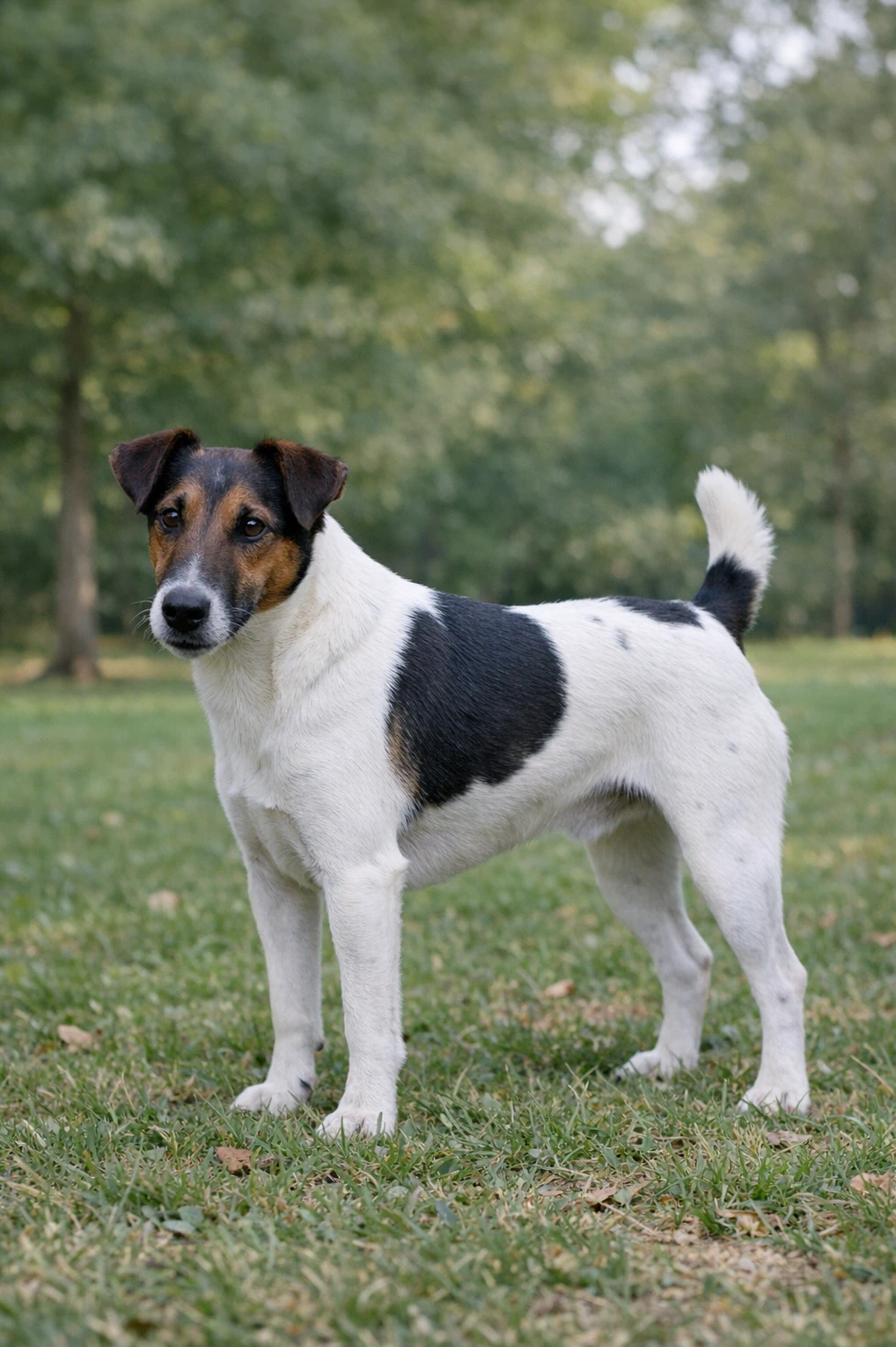
Compact 14-inch Parson Russell males are sociable, bright and spry, weighing about 13 to 17 pounds. Nutritional Verdict: a protein-forward, calorie-appropriate diet with portion control supports energy and lean muscle.

Understanding the Parson Russell Terrier Metabolism and Energy Needs
As a small terrier bred to flush and chase quarry underground, this lively, bright, sociable dog needs food that supports bursts of speed and sustained alertness. Their lineage favors stamina, quick recovery, and a curious temperament, all of which shape dietary needs.
Lean, high-quality protein is essential to preserve dense muscles and aid recovery, aim roughly 28 to 32 percent on a dry-matter basis. Moderate healthy fat, about 15 to 20 percent, provides concentrated energy for short, intense activity and helps skin and brain health.
Complex carbohydrates and soluble fiber steady energy between short sprints and support digestion. Limit simple sugars to avoid unwanted weight gain in a compact body.
Omega-3 fatty acids promote a glossy coat and cognitive sharpness, while glucosamine with chondroitin can help protect active joints. Careful portioning and matching meals to activity level keep this type agile, fit, and ready for play.
Managing Parson Russell Terrier Genetic Health Risks Through Nutrition
Patellar Luxation
Helpful nutrients
Osteoarthritis and General Joint Wear
Helpful nutrients
Eye Disorders (lens luxation, retinal health)
Helpful nutrients
Skin Allergies and Itchy Skin
Helpful nutrients
Dental Disease and Gum Health
Helpful nutrients
Weight Gain and Obesity
Helpful nutrients
Parson Russell Terrier Feeding & Calorie Calculator
Estimated Daily Calories
Tip: Start with this amount and adjust after 2–3 weeks based on your dog's body condition and weight trend.
This estimate provides a starting point for feeding. Individual calorie needs may vary depending on metabolism, body condition, and health status. Always monitor your dog's weight and consult your veterinarian when adjusting diet.
Foods and Ingredients to Avoid for Parson Russell Terrier Dogs
Parson Russell Terriers are small and active, but excess dietary fat can quickly lead to unwanted weight gain and increase the risk of pancreatitis.
Because their bodies are lighter, even modest amounts of fatty table scraps or rich treats can overload their digestive system and cause serious inflammation.
Stick to lean protein and controlled treats, and avoid fried or greasy human foods to protect their pancreas and keep joints and knees comfortable as they stay playful and agile.
Xylitol is extremely dangerous to dogs, causing a rapid insulin release, low blood sugar, and potential liver failure, even in tiny amounts.
Small breeds like the Parson Russell Terrier have very low tolerance, so a small piece of gum or a taste of sugar-free bakeware can be life threatening.
Check ingredient lists carefully on human foods and dental products, and never give your dog anything labeled sugar-free without confirming it is xylitol-free.
Chocolate and caffeine contain theobromine and related compounds that dogs cannot metabolize well, and small dogs reach toxic levels much faster than larger breeds.
The same size piece of chocolate that might only upset a large dog could make a Parson Russell seriously ill, causing vomiting, erratic heart rate, tremors, or seizures.
If you suspect ingestion, contact your veterinarian promptly, especially since rapid treatment matters more in a small body.
Grapes and raisins can cause acute kidney injury in some dogs, and onions, garlic, and related alliums damage red blood cells leading to anemia.
Because Parson Russell Terriers are small, it takes less of these foods to cause harm, and symptoms may escalate quickly.
Avoid feeding any dishes or leftovers that contain these ingredients, and be cautious with seasoning while cooking around your dog to keep their kidneys and blood health safe.
Big bones and very hard chews can splinter and cause choking, mouth injuries, or intestinal blockages, risks that are harsher for a small-jawed breed.
Rawhide can also swell, break into large pieces, or be difficult to digest, increasing the chance of obstruction or painful vet visits.
Offer appropriately sized, vet-recommended chews that match the Parson Russell Terrier's bite force, and always supervise chew time to reduce choking and dental fracture risks.
Some grain-free diets that rely heavily on peas, lentils, and other legumes have been linked to heart concerns in certain dogs, and small breeds may be more sensitive to dietary imbalances.
While not every legume-based food is unsafe, dependence on one unusual ingredient profile could affect nutrient balance important for a high-energy terrier.
Work with your veterinarian when choosing a diet, rotate formulas if needed, and prioritize complete foods with transparent nutrient profiles rather than passing trends.
How Nutritional Needs Change Throughout the Parson Russell Terrier Life Stages
Dogs have different nutritional needs during puppyhood, adulthood, and their senior years, with shifts in calories, protein, and key nutrients to support growth, activity, and maintenance. Breed size, growth rate, activity level, and common health tendencies influence those needs, so Parson Russell Terriers, as small, athletic and clever dogs, benefit from tailored feeding and careful portioning across life stages.
| Life Stage | Age Range | Primary Objective | Key Nutrient Focus |
|---|---|---|---|
| Puppy | 0–10 months | controlled skeletal development, immune support, brain development | DHA, balanced calcium/phosphorus, high-quality protein |
| Adult | 10 months–8 years | lean muscle maintenance and sustained energy | high-quality protein, omega-3 fatty acids, fiber |
| Senior | 8+ years | joint mobility, metabolic health, and cognitive support | glucosamine, chondroitin, antioxidants, lower calories |
Parson Russell Terrier puppies grow quickly, often reaching adult size by about nine to twelve months, so their feeding must support fast tissue and bone development without overloading the skeleton. Controlled amounts of calcium and phosphorus and steady, high quality protein help healthy skeletal growth, while moderate fats supply the energy their lively nature demands.
Because they are a small, athletic breed, puppies benefit from more frequent, smaller meals, shifting from three or four feeds a day to two as they near adulthood. Include DHA for brain development, antioxidants for immune support, and monitor weight closely to avoid excess calories that can stress developing joints.
As adults, Parson Russell Terriers need nutrition that maintains lean muscle and fuels their high activity, while keeping body condition trim. Aim for a diet with high quality protein to preserve muscle, moderate fat for energy, and controlled calories so they stay agile without packing on extra weight.
Because they are clever and energetic, lifestyle matters more than just breed. Dogs that do agility, hunting, or long play sessions need more calories and may benefit from performance formulas, while more sedentary pets do best on lower calorie blends, and regular monitoring of weight, muscle tone, and coat condition helps you adjust portions and keep your terrier fit and happy.
As Parson Russell Terriers move into their senior years, metabolism often slows and activity levels drop, which can lead to weight gain or loss of muscle if diet is not adjusted. Their digestion may become more sensitive and dental wear can affect chewing, so nutrient density and texture matter more than ever.
Keep protein relatively high to protect lean mass, while reducing calories slightly for less active dogs to prevent excess weight. Add joint-support nutrients such as omega-3s, glucosamine, and chondroitin, and include antioxidants like vitamins C and E to help cellular health, and consider gentle, frequent meals and added fiber to ease digestion while monitoring weight and mobility with regular veterinary checkups.
Kibble vs Fresh vs Raw for Parson Russell Terrier
Different feeding models suit different lifestyles, energy levels, and owner preferences. For an athletic Parson Russell Terrier, think about activity needs, weight control, and food safety when choosing.
Pros
- Convenient and easy to portion for busy owners of a lively Parson Russell Terrier.
- Provides concentrated calories to fuel energetic play and fast sprints.
- Many small-breed formulas support dental health with crunchy kibble texture.
- Balanced nutrients reduce risk of dietary gaps when fed as directed.
Cons
- Can be calorie-dense, risking weight gain if exercise is insufficient.
- Lower moisture content may require added water for hydration.
- Some brands include fillers that add little nutritional value.
- Hard kibble can be less appealing to picky eaters.
Pros
- Highly palatable for picky or recovering Parson Russells.
- High moisture supports hydration during active play.
- You control ingredients to avoid known allergens.
- Lean proteins help maintain athletic muscle tone.
Cons
- Requires careful planning to ensure complete vitamin and mineral balance.
- More time consuming and often more expensive than kibble.
- Needs refrigeration, which complicates travel and outings.
- Portion errors can lead to unwanted weight changes.
Pros
- High protein and fat support stamina for active terriers.
- Some owners see shinier coats and improved energy.
- Fresh bones can help clean teeth, when properly prepared.
- Less processed ingredients may reduce some additive sensitivities.
Cons
- Risk of bacterial contamination if strict hygiene is not followed.
- Small bones pose choking or splintering hazards for this small breed.
- Hard to ensure balanced vitamins and minerals without expert guidance.
- Can be expensive and time intensive to prepare safely.
- Not ideal for multi-dog households with immunocompromised members.
| Diet Type | Pros for Parson Russell Terrier | Potential Downsides |
|---|---|---|
| High-Quality Kibble |
|
|
| Fresh Cooked Food |
|
|
| Raw Diet (BARF) |
|
|
Our Recommendation
For most Parson Russell Terriers, a high-quality small-breed kibble with appropriate calorie control works well for daily life.
Fresh cooked food is a great option for picky eaters or allergy management, while raw can suit experienced owners who follow strict safety and balancing protocols.
See Also
Breeds with similar group, size, and coat characteristics