Best Dog Food for Newfoundland in 2026Based on Nutritional Science
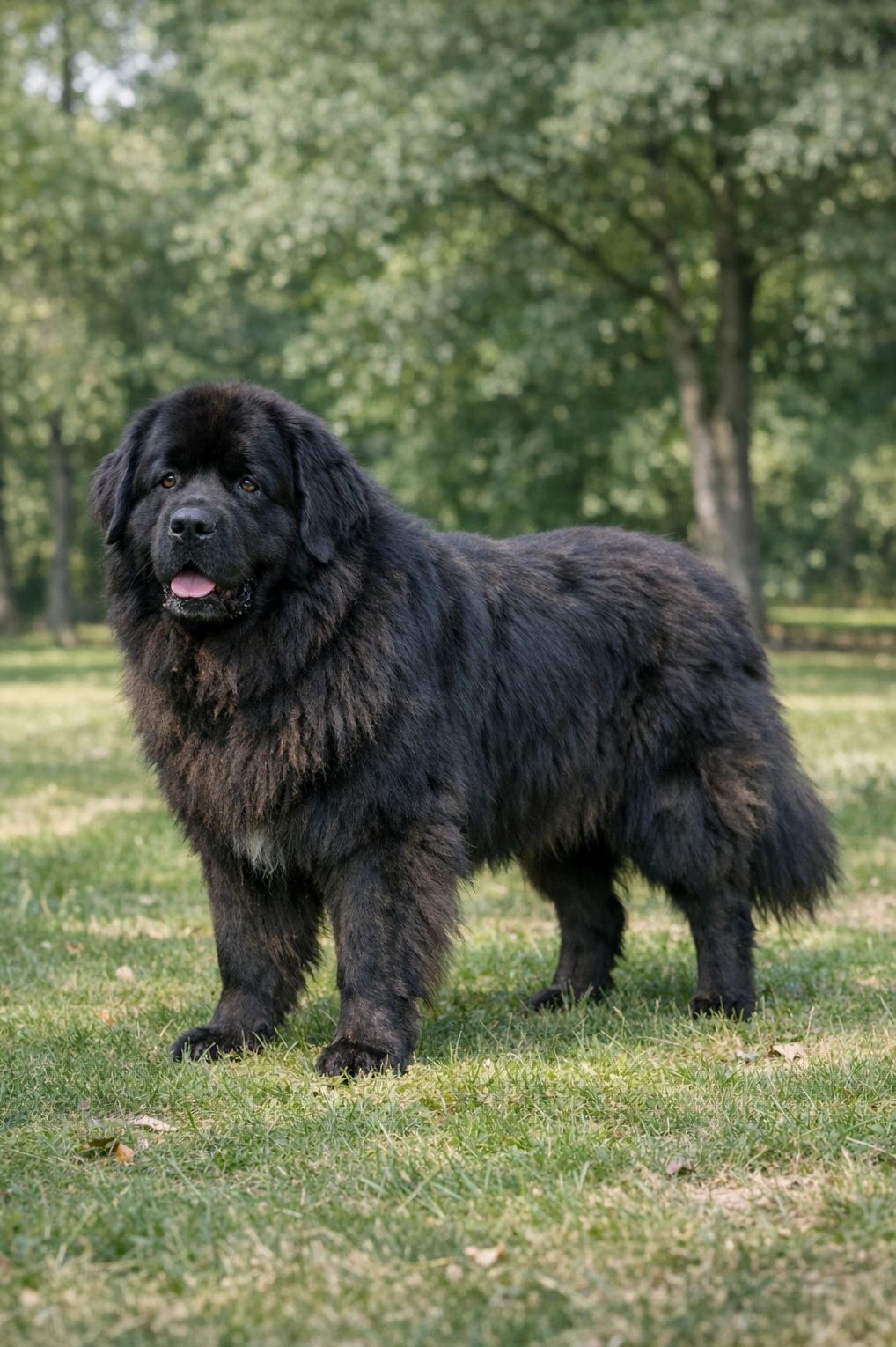
Large, 28-inch males weighing about 130 to 150 pounds, Newfoundlands are loyal, gentle companions with a calm temperament.
Nutritional verdict: balanced, calorie-aware, joint-supporting meals and measured portions keep them fit and healthy.
Understanding the Newfoundland Metabolism and Energy Needs
These large, calm water workers are affectionate and steady, built for strength and endurance from years of hauling and swimming. Their size and slow, thoughtful temperament mean they need energy that supports muscle without encouraging excess weight.
Lean, high-quality protein around 22 to 26 percent of calories helps preserve strong muscle and support recovery after work, so ingredients like fish, poultry, and eggs are useful. Moderate fat, roughly 12 to 18 percent, supplies concentrated fuel for swims and keeps a dense, weatherproof coat glossy, with omega-3 fats helping skin and heart health. Low to moderate complex carbohydrates and ample fiber deliver steady energy and help prevent rapid weight gain.
Joint support from glucosamine and chondroitin, plus EPA and DHA, protects large joints and supports mobility, while controlled calcium and phosphorus levels reduce growing-bone problems. Tailoring portions to activity, and choosing nutrient-dense food, keeps gentle giants healthy through rest and work.
Managing Newfoundland Genetic Health Risks Through Nutrition
Hip and Elbow Dysplasia
Helpful nutrients
Cardiac Disease
Helpful nutrients
Cystinuria and Urinary Stones
Helpful nutrients
Ear Infections (Otitis Externa)
Helpful nutrients
Obesity
Helpful nutrients
Bloat (Gastric Dilatation-Volvulus)
Helpful nutrients
Newfoundland Feeding & Calorie Calculator
Estimated Daily Calories
Tip: Start with this amount and adjust after 2–3 weeks based on your dog's body condition and weight trend.
This estimate provides a starting point for feeding. Individual calorie needs may vary depending on metabolism, body condition, and health status. Always monitor your dog's weight and consult your veterinarian when adjusting diet.
Foods and Ingredients to Avoid for Newfoundland Dogs
Newfoundlands can be prone to weight gain and they are large dogs, so fatty foods and rich table scraps are risky.
High-fat meats, fried foods, and fatty leftovers can contribute to obesity and may trigger pancreatitis, which is painful and serious.
Keep treats lean and controlled, and choose dog foods with moderate fat levels appropriate for large breeds.
Talk with your vet if you suspect your dog needs a lower-fat plan, especially if weight or digestive upset is a concern.
Some grain-free kibbles that rely heavily on peas, lentils, chickpeas, or potatoes have been linked to heart problems in certain dogs.
Because Newfoundlands can face cardiac disease, feeding diets that are very high in these ingredients without veterinary guidance may increase risk of taurine deficiency or other heart-related issues.
Choose a balanced formula from reputable makers and check with your veterinarian before using grain-free diets.
If your vet recommends grain-free for specific reasons, ask about taurine levels and cardiac monitoring.
High salt intake can be hard on dogs with cardiac predispositions, and Newfoundlands are screened for heart disease by responsible breeders.
Cured meats, salty snacks, and processed human foods can promote fluid retention, elevate blood pressure, and worsen existing heart conditions.
Avoid giving salty table scraps and deli meats, and read labels on commercial treats for sodium content.
If your dog has a diagnosed heart issue, follow a low-sodium diet plan recommended by your veterinarian.
While protein is important, too much rich protein, especially organ meats, can influence urinary chemistry and may be a concern for dogs with cystinuria.
Newfoundlands can be monitored for urinary stones, so very high-protein supplements or frequent organ-meat treats could increase risk of stone formation or complicate management.
Work with your vet to balance protein for your dog’s life stage and urinary health, and avoid routine feeding of large amounts of liver or other organs without guidance.
Large-breed puppies like Newfoundlands need controlled growth to protect developing hips and elbows, so avoid high-calcium supplements and overly rich growth formulas made for all breeds.
Excess calcium or too many calories early in life can speed bone growth unevenly and increase risk of joint problems such as hip dysplasia.
Feed a large-breed puppy formula recommended by your veterinarian and resist the urge to supplement calcium or calories without professional direction.
Regular weight checks and portion control help keep growth steady and healthy.
Newfoundlands can be prone to skin sensitivities and ear infections, so foods with artificial colors, flavors, or preservatives like BHA and BHT may aggravate allergies in some dogs.
Common food allergens such as dairy, wheat, or certain proteins can also contribute to itchy skin and recurrent ear issues.
Opt for high-quality diets with simple ingredient lists if your dog shows sensitivities, and consult your vet or a veterinary nutritionist before trying elimination diets.
Keeping treats and kibble free from unnecessary additives can help maintain healthy skin and ears.
How Nutritional Needs Change Throughout the Newfoundland Life Stages
Dogs need different nutrition at puppyhood, adulthood, and senior years because their bodies and lifestyles change as they age. Breed growth rate, activity level, and common health tendencies shape those needs. For a Newfoundland, fast skeletal growth, steady working energy, and predispositions like hip dysplasia and cardiac issues influence how much, how often, and which nutrients are best at each life stage.
| Life Stage | Age Range | Primary Objective | Key Nutrient Focus |
|---|---|---|---|
| Puppy | 0–18 months | controlled skeletal development, immune support, brain development | DHA, balanced calcium/phosphorus, high-quality protein |
| Adult | 1.5–5 years | lean muscle maintenance and sustained energy | high-quality protein, omega-3 fatty acids, fiber |
| Senior | 5+ years | joint mobility, metabolic health, and cognitive support | glucosamine, chondroitin, antioxidants, lower calories |
Newfoundland puppies grow quickly and keep filling out for a long time, often up to 18 to 24 months. Their skeletal system needs steady, controlled nutrition to avoid stress on developing joints, so large-breed growth formulas with controlled calories and carefully balanced calcium and phosphorus are a smart choice, too many calories or uncontrolled calcium can encourage overly rapid growth and raise the risk of hip and elbow dysplasia.
Feed smaller, frequent meals while they are young, generally three to four times a day until about six to nine months, then transition slowly to two meals as growth slows. Focus on high quality protein to support muscle, moderate fat for energy, DHA and omega-3s for brain and joint development, and consider joint-support nutrients like glucosamine after consulting your vet, and because Newfoundlands can have cardiac, urinary, and ear health concerns, monitor weight and work with your vet on portioning and activity after meals to lower bloat risk.
Adult Newfoundlands need a diet that preserves lean muscle while supplying steady energy for their calm but powerful build. Aim for high quality protein and moderate fat to support muscle and coat without excess calories, since carrying extra weight puts strain on hips and elbows. Include joint-friendly nutrients like omega-3 fatty acids and glucosamine to support long-term mobility.
Daily activity, whether regular walks and swims or a more relaxed routine, should guide calorie targets and feeding portions, and weight should be checked regularly. Because Newfs can be prone to heart conditions and urinary issues, choose diets with appropriate mineral balance and discuss sodium levels and hydration with your vet, and a nutrient-dense, highly digestible formula helps maintain energy while keeping meal volumes manageable.
As Newfoundlands enter their senior years, metabolism often slows and activity drops, which can lead to weight gain or loss and gradual muscle loss. Aging joints and reduced mobility make joint-support nutrients a priority, and digestion may become less efficient so highly digestible protein helps preserve muscle without excess calories. Calorie needs usually decrease, so portion adjustments or lower calorie senior formulas can help maintain healthy weight.
Focus on joint support with omega-3s, glucosamine, and antioxidants to reduce inflammation and protect tissues, while watching phosphorus and sodium if kidney or heart concerns are present. Increased dietary fiber and probiotics may aid digestion, and monitoring hydration and urinary health is important because Newfoundlands can be prone to urinary stones, work with your vet to tailor calories, supplements, and feeding routine to your dog’s mobility and medical profile.
Kibble vs Fresh vs Raw for Newfoundland
Different feeding models suit different lifestyles and health needs, especially for a large, gentle breed like the Newfoundland.
What works for a relaxed, couch-loving Newf will differ from an active swimmer or a dog with joint or urinary concerns.
Pros
- Easy to measure for large dogs, helping maintain healthy weight.
- Formulated options include joint support and controlled calories.
- Long shelf life and convenient for busy households.
- Dry texture can help reduce tartar buildup.
Cons
- Lower moisture content can worsen hydration for heavy-coated Newfoundlands.
- Some formulas contain fillers or common allergens.
- Portion control is essential to prevent obesity in this large breed.
- May not be appropriate alone for dogs with specific urinary issues.
Pros
- Highly palatable for picky, devoted Newf eaters.
- Higher moisture helps hydrate and support urinary health.
- You can tailor protein and sodium for joint or stone concerns.
- Allows precise inclusion of supplements like glucosamine and omega-3s.
Cons
- More time consuming and often more expensive than kibble.
- Requires careful recipes to ensure complete nutrition.
- Needs refrigeration and careful storage for large-volume meals.
- Portioning mistakes can lead to excessive calorie intake.
Pros
- High protein profile appeals to many dogs and supports muscle.
- Some owners report improved coat condition in double-coated breeds.
- Bones and raw organs can provide natural calcium and nutrients.
- Less processed ingredients may appeal to owners wanting whole foods.
Cons
- Requires strict hygiene to avoid bacterial contamination.
- Raw bones pose choking or splintering risks for any dog.
- Can be risky for dogs with urinary stone history without vet input.
- Balancing vitamins and minerals is challenging without professional guidance.
| Diet Type | Pros for Newfoundland | Potential Downsides |
|---|---|---|
| High-Quality Kibble |
|
|
| Fresh Cooked Food |
|
|
| Raw Diet (BARF) |
|
|
Our Recommendation
For most Newfoundlands, a high-quality kibble with joint support and careful calorie management is a practical, reliable choice.
Fresh cooked food is a great option when you want tighter control over hydration and ingredients.
Raw diets may suit some owners, but require veterinary guidance and strict hygiene before trying.
See Also
Breeds with similar group, size, and coat characteristics