Best Dog Food for Danish-Swedish Farmdog in 2026Based on Nutritional Science
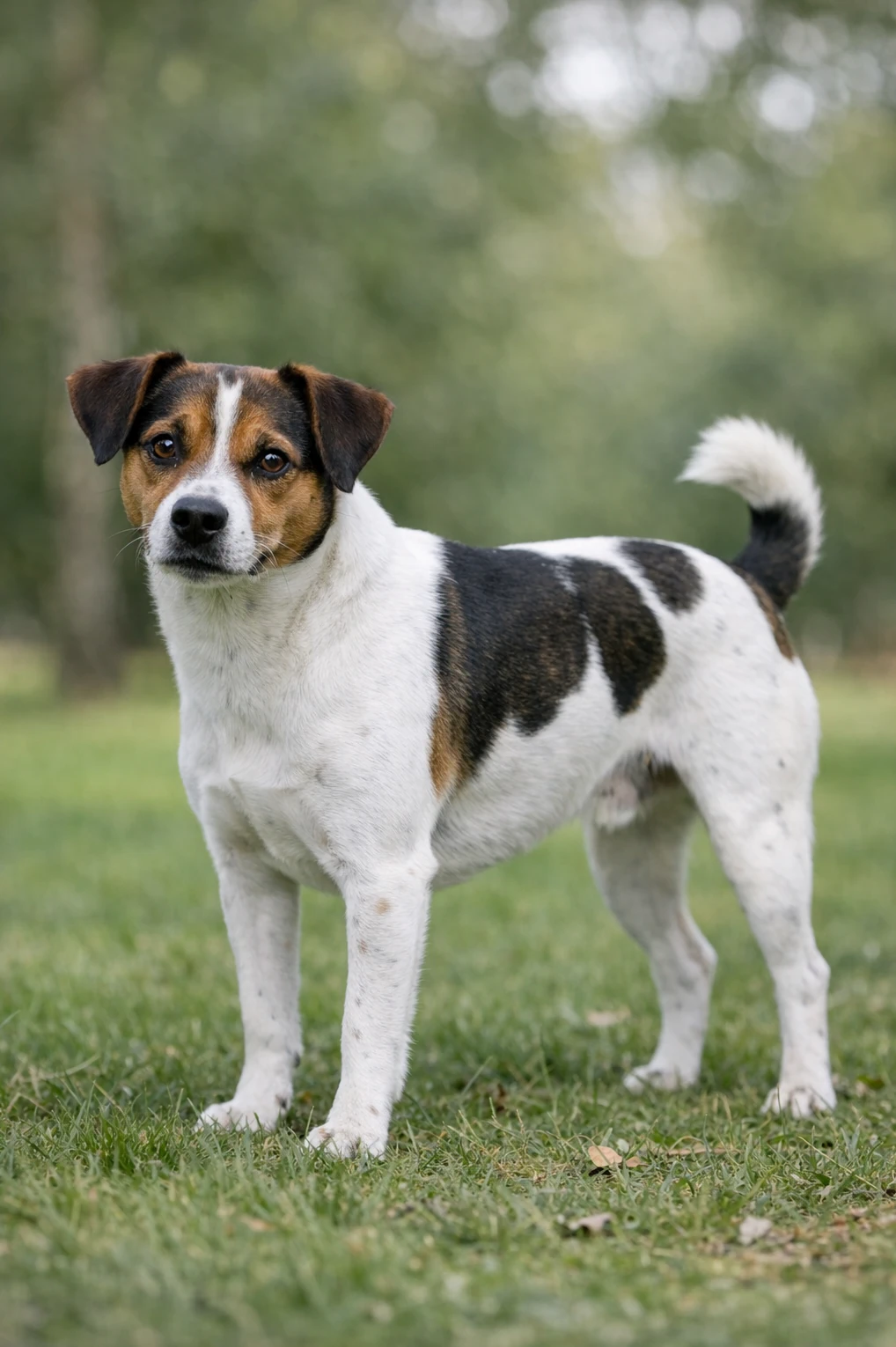
Compact and sturdy, the Danish-Swedish Farmdog stands about 12.5 to 14.5 inches and weighs 15 to 20 pounds. Playful, eager to learn and highly watchful. Nutritional verdict: balanced protein and healthy fats fuel active life.
Understanding the Danish-Swedish Farmdog Metabolism and Energy Needs
This small Nordic farm helper was bred to work long hours alongside people, performing chores and staying alert to changing situations. That history shapes its need for steady stamina and quick learning, so diet must support both sustained activity and mental sharpness.
Lean, bioavailable protein is essential to maintain lean muscle and support frequent training, aim for roughly 25 to 30 percent of calories from high-quality protein sources like poultry, fish, or eggs. Healthy fats at about 12 to 18 percent of calories supply concentrated energy for bursts of activity and help keep skin and coat in good condition.
Moderate carbohydrates from whole grains or vegetables give slow-release fuel and aid digestion, while fibers help gut health and calm energy levels during downtime. Additions like omega-3 fatty acids and glucosamine can support joint health and cognitive function as this type of dog stays active and engaged.
Managing Danish-Swedish Farmdog Genetic Health Risks Through Nutrition
Joint Issues (patellar luxation, hip dysplasia)
Helpful nutrients
Obesity & Weight Management
Helpful nutrients
Skin and Coat Sensitivities
Helpful nutrients
Dental Health
Helpful nutrients
Allergies (environmental or food)
Helpful nutrients
Danish-Swedish Farmdog Feeding & Calorie Calculator
Estimated Daily Calories
Tip: Start with this amount and adjust after 2–3 weeks based on your dog's body condition and weight trend.
This estimate provides a starting point for feeding. Individual calorie needs may vary depending on metabolism, body condition, and health status. Always monitor your dog's weight and consult your veterinarian when adjusting diet.
Foods and Ingredients to Avoid for Danish-Swedish Farmdog Dogs
Xylitol is a common sugar substitute in sugar-free gum, candies and some nut butters, and it is highly toxic to dogs even in tiny amounts.
For a small Danish-Swedish Farmdog that weighs 15 to 20 pounds, a little can trigger a rapid insulin release causing dangerous hypoglycemia, seizures and potential liver damage.
Always read labels, keep sugar-free products well out of reach and call your vet right away if you suspect your dog ate something containing xylitol.
Chocolate contains theobromine and caffeine, which dogs cannot metabolize well, and small breeds are at higher risk because toxicity is based on body weight.
Grapes and raisins have been linked to acute kidney injury in some dogs and there is no reliably safe dose, so even small amounts are risky.
Keep chocolate, baked goods and fruit with raisins away from your dog, and contact your veterinarian immediately if ingestion occurs.
Rich, fatty foods and people leftovers can lead to pancreatitis and rapid weight gain, which is a real concern for a 15 to 20 pound farmdog even if they are active.
Extra fat adds concentrated calories that can quickly push a small dog into an unhealthy weight range, increasing strain on joints and the heart.
Stick to lean proteins and measured treats, and avoid giving fried foods, bacon and greasy table scraps.
Very large weight-bearing bones and hard chews can crack teeth or become choking hazards for a smaller-mouthed dog, and rawhide can swell, splinter or block the digestive tract.
Because a Danish-Swedish Farmdog is compact, an oversized or indigestible chew is more dangerous than you might expect and can require emergency care.
Choose appropriately sized, digestible chews made for small breeds and always supervise chew time.
Some grain-free diets use high levels of peas, lentils or potatoes in place of traditional grains, and nutritional imbalances in these formulas have been associated with heart issues in certain dogs.
For a small breed, even subtle nutrient shortfalls can show up more quickly, so it is wise to be cautious with boutique or unbalanced grain-free diets.
Talk with your veterinarian about diet choices and monitor your dog’s energy and heart health if you feed these formulas.
Processed snacks, deli meats and heavily seasoned human food are often high in sodium and additives that can upset a small dog’s stomach and electrolyte balance.
A Danish-Swedish Farmdog’s lower body weight makes it easier to exceed healthy sodium levels and can cause increased thirst, gastrointestinal upset or more serious issues if eaten frequently.
Offer plain, unseasoned treats, fresh water and keep salty or spiced foods out of reach to protect their health.
How Nutritional Needs Change Throughout the Danish-Swedish Farmdog Life Stages
Dogs have different nutritional requirements during puppyhood, adulthood, and senior years, and the Danish-Swedish Farmdog is no exception. This small, energetic breed grows at a steady pace and needs food tailored to growth rate, activity level, and any common health tendencies. Feeding choices should support healthy development, daily energy, and graceful aging.
| Life Stage | Age Range | Primary Objective | Key Nutrient Focus |
|---|---|---|---|
| Puppy | 0–10 months | controlled skeletal development, immune support, brain development | DHA, balanced calcium/phosphorus, high-quality protein |
| Adult | 10 months–8 years | lean muscle maintenance and sustained energy | high-quality protein, omega-3 fatty acids, fiber |
| Senior | 8+ years | joint mobility, metabolic health, and cognitive support | glucosamine, chondroitin, antioxidants, lower calories |
As a small, lively breed, Danish-Swedish Farmdog puppies grow relatively quickly and often reach their adult size by around nine to twelve months. During this phase they need steady, controlled growth to support healthy skeletal development, so feed formulas designed for small-breed puppies that balance calcium and phosphorus. Adequate protein and calorie density help build lean muscle, while DHA supports brain and vision development.
Because they are energetic and trainable, frequent feeding helps keep blood sugar steady and supports activity, so offer three to four smaller meals a day for young puppies, then gradually reduce frequency as they mature. Include healthy fats for energy, high quality proteins, and easily digestible carbohydrates, plus vitamins and antioxidants to support immune development. Monitor weight closely to avoid excess calories, and check with your veterinarian about the best timing and portion sizes for your pup.
As adults, Danish-Swedish Farmdogs are energetic and need diets that maintain lean muscle and steady energy for training and play. Aim for high quality protein to preserve muscle, with moderate healthy fats to supply fuel without excess calories. The small size means portion control matters, adjust intake to activity level so your dog stays fit and agile.
Two balanced meals a day usually works well, paired with regular exercise to match their spirited nature. Include omega-3s for skin and coat health, and easily digestible carbohydrates or fiber to support steady digestion. Keep treats limited during training, monitor body condition regularly, and consult your veterinarian to fine tune protein and fat targets based on your dog's lifestyle.
As seniors, Danish-Swedish Farmdogs often experience a gentler metabolism and may be less active, which calls for careful calorie management to prevent weight gain. Aging can affect mobility and joint health, so diets with joint-support nutrients like omega-3 fatty acids, glucosamine and chondroitin help maintain comfort and function. Antioxidants such as vitamin E and natural polyphenols support cognitive health and immune defense.
Senior formulas with slightly fewer calories but preserved high quality protein help keep muscle mass while avoiding excess fat. Softer textures or moistened kibble can ease chewing and digestion for older teeth, and added fiber aids regularity. Work with your veterinarian to adjust sodium, calories and supplements based on mobility, dental health and any emerging conditions.
Kibble vs Fresh vs Raw for Danish-Swedish Farmdog
Different feeding models suit different lifestyles, energy levels, and owner routines for the Danish-Swedish Farmdog. Choose what fits your daily schedule and your dog's activity.
Pros
- Convenient and easy to portion for busy owners.
- Ideal for training, works well as small measurable treats.
- Provides consistent, balanced nutrition in every serving.
- Crunchy texture helps reduce tartar on teeth.
Cons
- Can be calorie-dense, risking weight gain if portions are too large.
- Lower moisture content may require extra water for active dogs.
- Some formulas include fillers or artificial additives to watch for.
- Less palatable than fresh options for picky eaters.
Pros
- Highly palatable, great for picky eaters or training rewards.
- High moisture supports hydration for energetic, active dogs.
- You control ingredients, useful for allergies or sensitivities.
- Home-cooked lean proteins provide steady energy for this active breed.
Cons
- More expensive and time-consuming than kibble.
- Needs precise recipes to ensure complete nutrition.
- Requires refrigeration and daily meal prep for active households.
- Can be inconsistent without veterinary or nutritional guidance.
Pros
- High-protein profile suits energetic, working-style energy needs.
- Some owners report shinier coat and higher stamina.
- Unprocessed ingredients may appeal to instinctive feeding preferences.
- Can be used as training treats if prepared safely.
Cons
- Higher risk of bacterial contamination without strict hygiene.
- Small bones can pose choking or dental hazards for this small breed.
- Needs veterinary guidance to ensure balanced nutrients and safety.
- Often more expensive and requires careful sourcing of quality meat.
| Diet Type | Pros for Danish-Swedish Farmdog | Potential Downsides |
|---|---|---|
| High-Quality Kibble |
|
|
| Fresh Cooked Food |
|
|
| Raw Diet (BARF) |
|
|
Our Recommendation
For most Danish-Swedish Farmdogs, high-quality kibble or balanced fresh-cooked meals meet daily needs and training routines.
Raw feeding can work for experienced owners, but only with veterinary guidance and strict hygiene.
See Also
Breeds with similar group, size, and coat characteristics