Best Dog Food for Bedlington Terrier in 2026Based on Nutritional Science
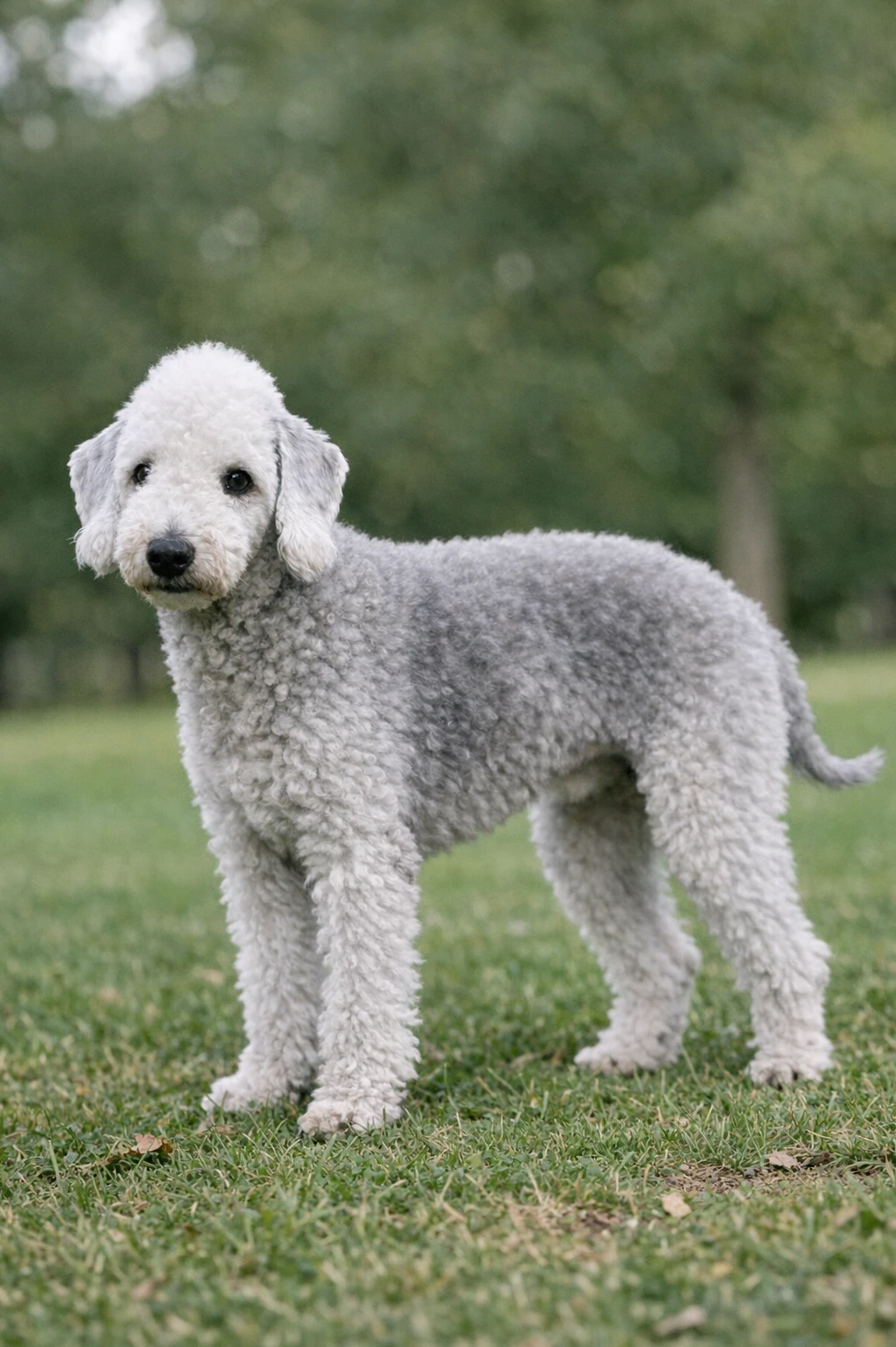
Compact at 15 to 17.5 inches and 17 to 23 pounds, the Bedlington is devoted, endearing, and sprightly. Nutritional verdict: feed a high-quality, protein-rich diet with controlled calories and omega fatty acids for coat health.
Understanding the Bedlington Terrier Metabolism and Energy Needs
As a small, lamb-faced terrier bred for quick, tenacious work underground and lively companionship, this dog needs food that supports short bursts of energy and close teamwork with people. High quality, easily digested protein helps maintain lean muscle and supports recovery after active play, so aim for a protein-focused formula with around 25 to 30 percent protein on a dry matter basis.
Healthy fats provide concentrated fuel and help keep the silky coat glossy while keeping calories manageable, so moderate fat around 12 to 18 percent works well. Limited, digestible carbohydrates offer steady energy without promoting excess weight.
Additions like omega-3 fatty acids for skin and coat, joint-friendly nutrients such as glucosamine, and careful attention to trace minerals support long-term wellbeing, especially in lines that may handle certain minerals differently. Tailoring portions to daily activity keeps this compact, spirited dog fit and happy.
Managing Bedlington Terrier Genetic Health Risks Through Nutrition
Hip and Elbow Dysplasia
Helpful nutrients
Hypothyroidism
Helpful nutrients
von Willebrand's Disease (bleeding disorder)
Helpful nutrients
Thrombopathia (platelet function disorder)
Helpful nutrients
Eye issues
Helpful nutrients
Ear and skin sensitivity
Helpful nutrients
Dental health (plaque and tartar)
Helpful nutrients
Obesity and weight management
Helpful nutrients
Bedlington Terrier Feeding & Calorie Calculator
Estimated Daily Calories
Tip: Start with this amount and adjust after 2–3 weeks based on your dog's body condition and weight trend.
This estimate provides a starting point for feeding. Individual calorie needs may vary depending on metabolism, body condition, and health status. Always monitor your dog's weight and consult your veterinarian when adjusting diet.
Foods and Ingredients to Avoid for Bedlington Terrier Dogs
Bedlingtons are a small, compact breed that can be prone to weight gain, so high-fat foods and fatty table scraps should be limited.
Excess fat not only adds calories, it can trigger pancreatitis, which is painful and may require emergency care.
Stick to lean protein sources and measured portions, and save rich treats for rare rewards.
Working with your vet to set daily calorie targets helps keep weight, joints, and energy levels healthy and steady.
Onions, garlic, chives, and leeks contain compounds that can damage a dog’s red blood cells, leading to hemolytic anemia.
Signs include weakness, pale gums, and rapid breathing, and effects can build up over time with repeated exposure.
Because some Bedlingtons are screened for clotting conditions like von Willebrand’s disease, anything that reduces healthy red cells or increases bleeding risk should be avoided.
Keep allium-containing foods and ingredient lists off your dog’s menu and away from treats.
Xylitol, often found in sugar-free gum, candy, some peanut butters, and baked goods, can cause a dangerous drop in blood sugar and even liver failure in dogs.
Symptoms can appear quickly and include vomiting, weakness, seizures, and collapse.
Small dogs like Bedlingtons are at particular risk because it takes only a tiny amount to cause harm.
Always check labels before sharing human snacks and seek veterinary care immediately if xylitol exposure is suspected.
Grapes and raisins are unpredictable toxins for dogs and can lead to sudden kidney failure, even in very small amounts.
Early signs include vomiting, lethargy, and decreased urination, and quick action is essential to reduce harm.
Because Bedlingtons are smaller, a modest share from a fruit bowl or trail mix could be dangerous.
Keep dried fruits and baked goods containing grapes or raisins well out of reach and choose vet-approved fruit treats instead.
Cooked bones and brittle bones can splinter, creating sharp fragments that may choke a dog or puncture the mouth, throat, stomach, or intestines.
Such injuries can lead to infection, emergency surgery, and serious complications.
For dogs with clotting concerns like von Willebrand’s disease, even minor internal tears can cause significant bleeding.
Offer safe, vet-recommended chews and avoid giving any cooked or easily splintered bones to keep your Bedlington safe.
Salty snacks, cured meats, and many processed human foods contain too much sodium for small dogs and can cause excessive thirst, dehydration, or strain on the heart and kidneys.
Bedlingtons need fewer calories and less salt than many humans expect.
Treats add calories quickly, so limit quantity and choose low-calorie, nutrient-rich options that support weight control.
Talk with your veterinarian about safe treat choices if your dog has hypothyroidism, weight concerns, or other health issues.
How Nutritional Needs Change Throughout the Bedlington Terrier Life Stages
Dogs have different nutritional requirements during puppyhood, adulthood, and their senior years, and Bedlington Terriers are no exception. Growth rate, activity level and common breed health tendencies all influence what and how much to feed at each stage. Matching calories, protein and key nutrients to life stage helps support growth, keep a lean, frollicking adult body, and protect mobility and digestion as your Bedlington ages.
| Life Stage | Age Range | Primary Objective | Key Nutrient Focus |
|---|---|---|---|
| Puppy | 0–12 months | controlled skeletal development, immune support, brain development | DHA, balanced calcium/phosphorus, high-quality protein |
| Adult | 1–7 years | lean muscle maintenance and sustained energy | high-quality protein, omega-3 fatty acids, fiber |
| Senior | 7+ years | joint mobility, metabolic health, and cognitive support | glucosamine, chondroitin, antioxidants, lower calories |
Bedlington puppies grow at a moderate pace for a medium breed, with a rapid early phase in the first few months followed by steadier growth to adult size. Their slender, muscular build and delicate bone structure mean controlled calories and a balanced calcium to phosphorus ratio are important to support healthy skeletal development. Offer three to four small meals daily to keep energy steady and avoid overfeeding during growth.
High quality animal protein, essential fatty acids like DHA for brain and coat, and readily digestible carbohydrates support lively, frollicking puppies. Because Bedlingtons can be screened for hip and elbow issues and have known risks such as hypothyroidism and von Willebrand's disease, avoid excessive calcium and unregulated supplements without veterinary guidance, and begin gentle ear and dental care early. Regular growth checks will help adjust portions as activity and appetite change.
An adult Bedlington carries a lean, athletic frame that thrives on diets which preserve muscle while fueling playful energy. Focus on high quality, easily digestible protein and moderate healthy fats to maintain condition without excess calories, and feed twice daily to stabilize metabolism and behavior. Monitor weight closely since a lower activity day or undiagnosed hypothyroidism can lead to gradual weight gain.
Because Bedlingtons are active and enjoy frolics, maintain portion sizes to match daily exercise and consider a kibble or recipe that supports dental health and skin and coat from the breed's curly coat. Before adding joint supplements or high dose oils, check with your vet, particularly if there is a family history of clotting or thyroid issues, and schedule periodic health screens to keep nutrition tuned to lifestyle changes.
As Bedlingtons enter their senior years, metabolism can slow while muscle mass and digestion efficiency may decline, affecting weight and energy. Aim to preserve lean tissue with high quality, easily digestible protein while adjusting overall calories if activity decreases, and switch to softer or moistened textures if dental wear makes chewing harder. Keep meals smaller and consistent to help digestion and appetite.
Joint support with glucosamine, chondroitin and omega 3 fatty acids can ease mobility for a breed that benefits from staying active, and antioxidants support healthy aging and eye function. Because Bedlingtons may face thyroid or clotting concerns, review supplements and any new diet with your vet, and schedule regular bloodwork so calorie and nutrient changes match health and mobility needs.
Kibble vs Fresh vs Raw for Bedlington Terrier
Different feeding models suit different lifestyles and health needs, and your Bedlington Terrier's playful energy and curly coat deserve thoughtful choices.
Consider activity level, grooming needs, and any breed-specific health concerns when picking a diet.
Pros
- Convenient and easy to portion for busy owners.
- Formulated to meet complete nutrition for small active dogs.
- Dry texture can help reduce tartar between daily brushing.
- Available in lower-calorie options to help prevent weight gain.
Cons
- Lower moisture may not suit dogs that drink less.
- Some brands use fillers or lower-quality proteins.
- Calorie-dense formulas risk weight gain without careful portioning.
- May need switching if your Bedlington has specific health issues.
Pros
- Highly palatable, great for picky or recovering Bedlingtons.
- High moisture supports digestion and urinary health.
- Easy to tailor protein and fat for active play.
- Full control over ingredient quality for sensitivities.
Cons
- Requires careful planning to ensure complete nutritional balance.
- More time consuming and often more expensive than kibble.
- Needs refrigeration and safe handling to prevent spoilage.
- May require supplements, so consult your veterinarian or nutritionist.
Pros
- Appeals to dogs that prefer less processed food.
- High protein can support lean muscle for playful activity.
- Some owners report improved coat condition and energy.
- Allows close control over ingredient sourcing and quality.
Cons
- Strict hygiene required to avoid bacterial contamination.
- Small bones pose choking and intestinal injury risks.
- Balancing calcium and vitamins is tricky without expert guidance.
- May be risky if your Bedlington has bleeding disorders, consult your vet.
| Diet Type | Pros for Bedlington Terrier | Potential Downsides |
|---|---|---|
| High-Quality Kibble |
|
|
| Fresh Cooked Food |
|
|
| Raw Diet (BARF) |
|
|
Our Recommendation
For many Bedlingtons, a high-quality kibble designed for small active breeds is an easy, balanced starting point.
Fresh cooked meals work well for picky or sensitive dogs, while raw diets can be appropriate only with strict hygiene and veterinary oversight.
See Also
Breeds with similar group, size, and coat characteristics