Best Dog Food for Wirehaired Vizsla in 2026Based on Nutritional Science
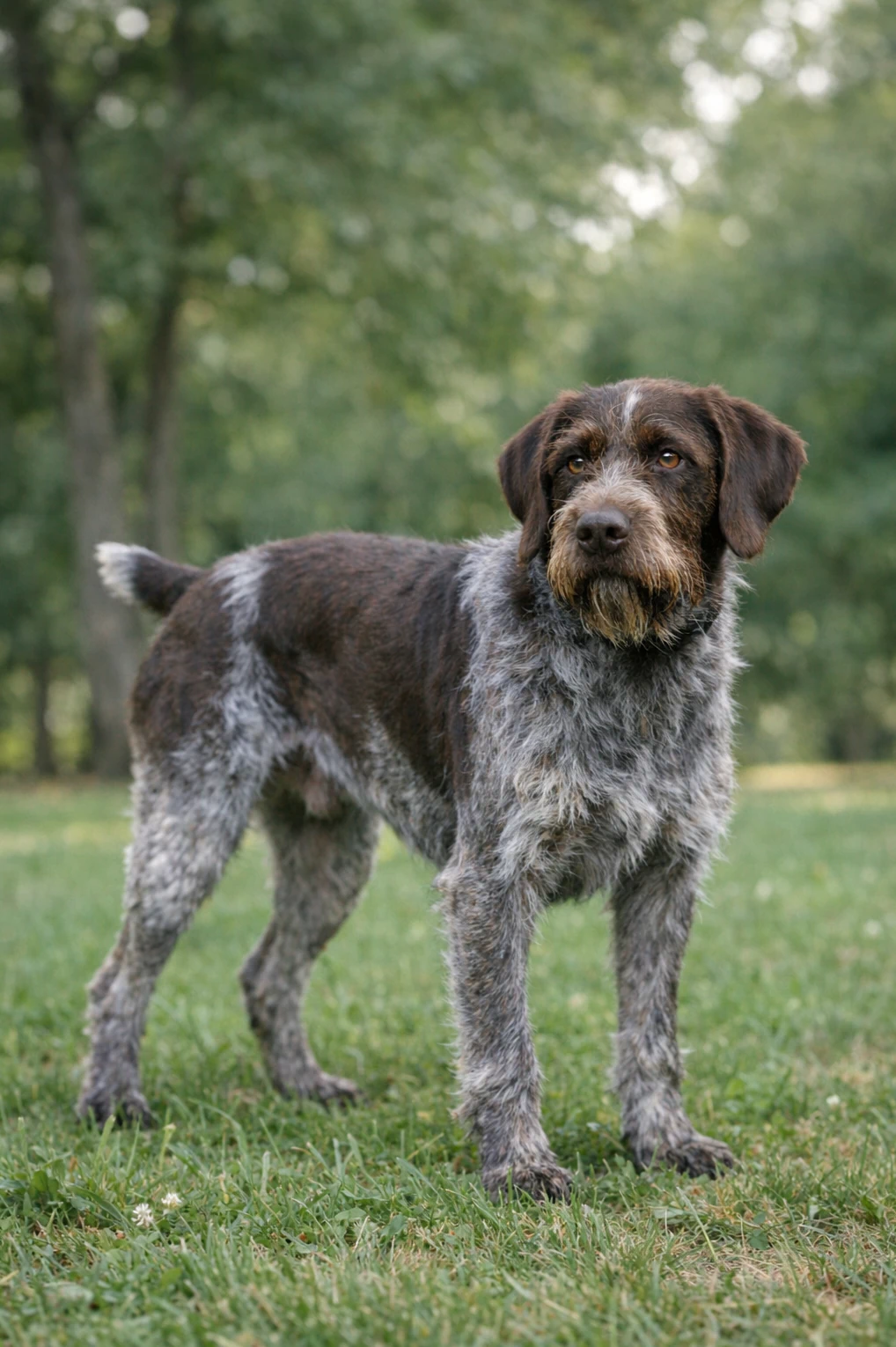
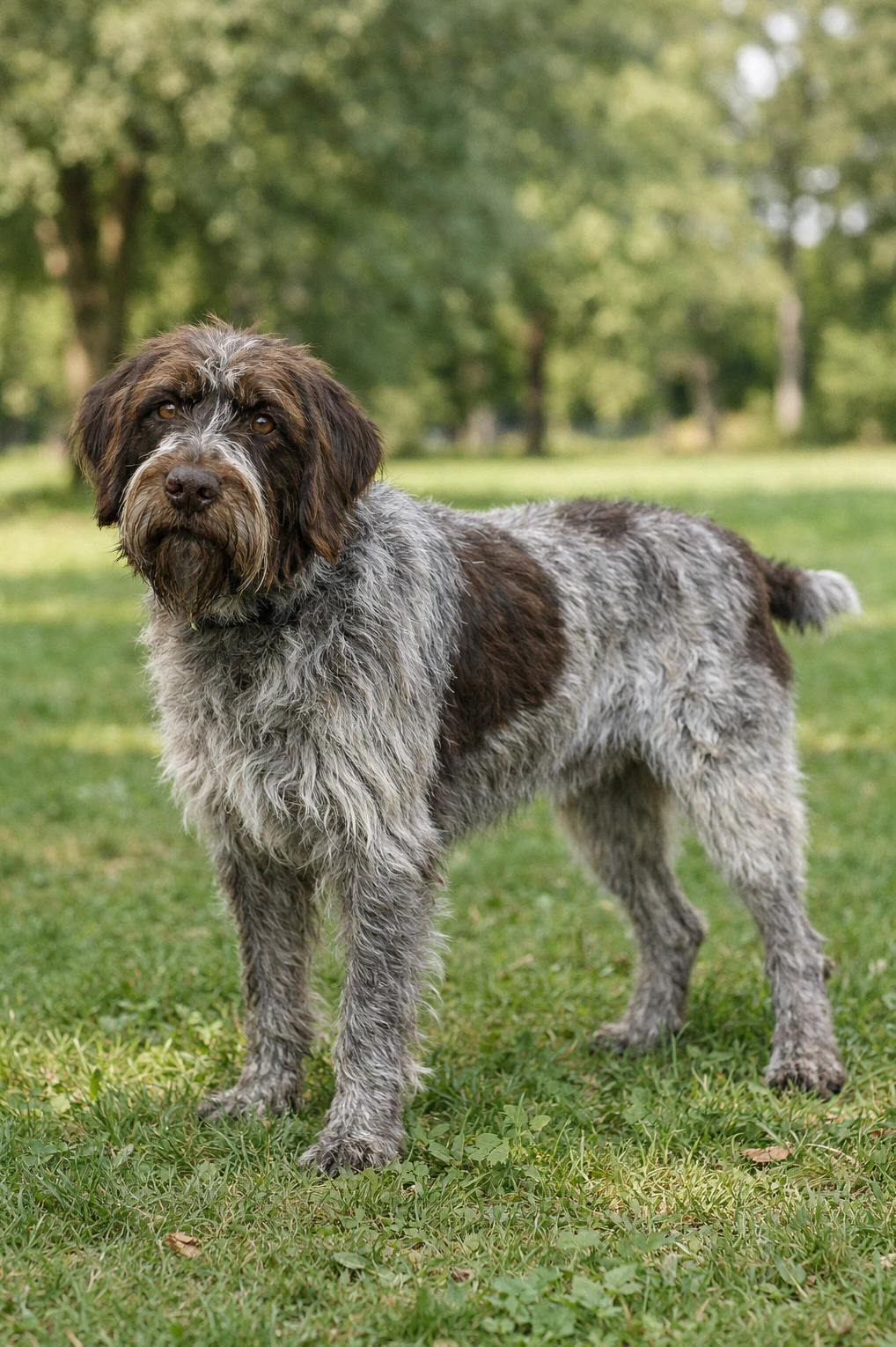
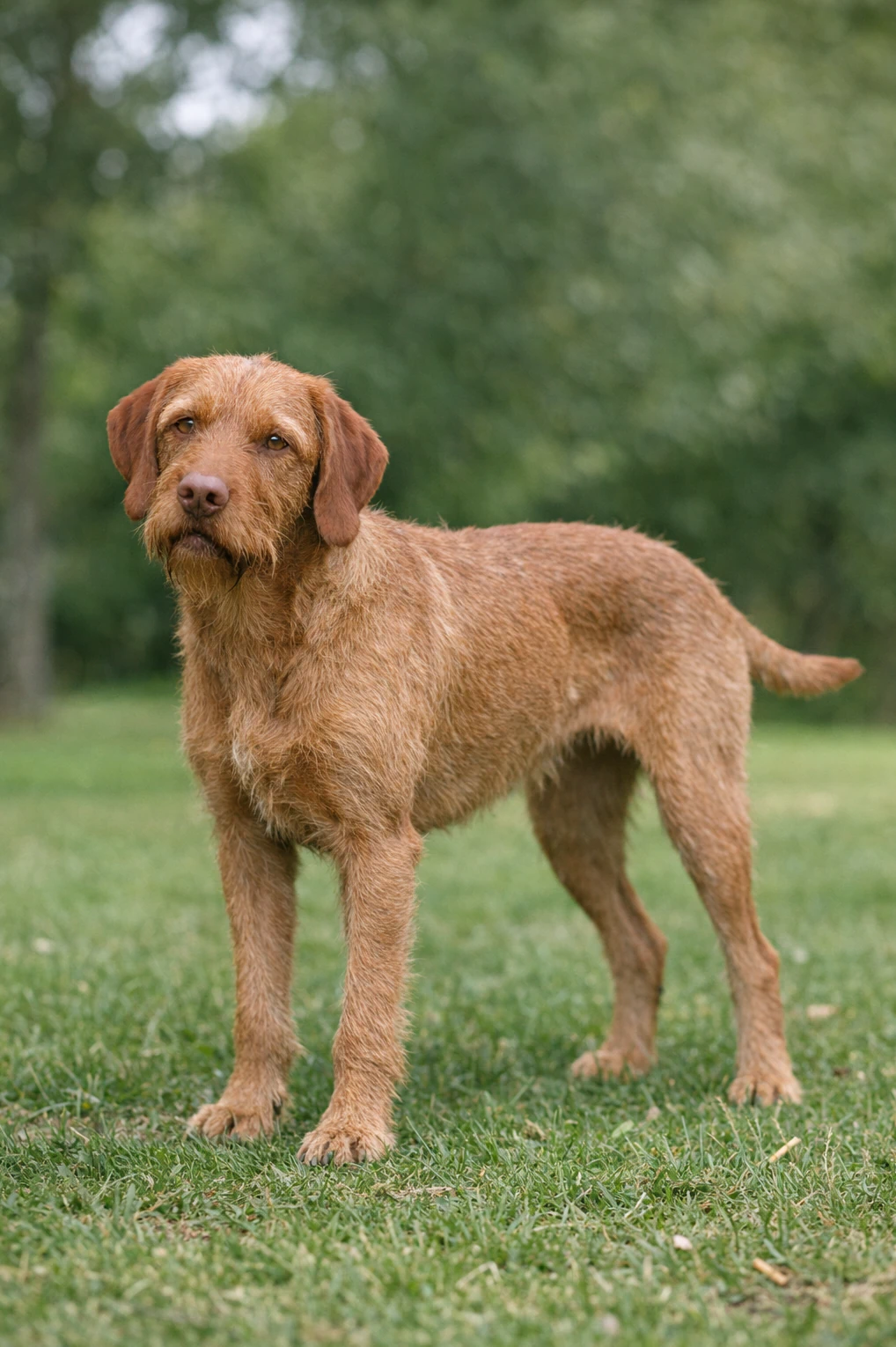
Devoted, mild-mannered and eager-to-learn, the male Wirehaired Vizsla stands about 23 to 25 inches and weighs 55 to 65 pounds. Nutritional Verdict: active companion needs quality protein, balanced fats, portion control.
Understanding the Wirehaired Vizsla Metabolism and Energy Needs
As a wire-coated Hungarian sporting companion, this dog was shaped for long days in the field, retrieving and staying attentive. Its temperament tends to be devoted, calm, and eager to follow cues, so its diet should support steady energy and mental sharpness.
Lean, bioavailable protein is essential to maintain the compact, athletic musculature that those activities demand, so aim for diets where protein makes up roughly 25 to 30 percent of calories. Moderate fat, about 12 to 18 percent, supplies slow-burning fuel for endurance and helps keep the dense coat and skin healthy, especially omega-3 and omega-6 fatty acids. Complex carbohydrates from whole-food sources provide predictable energy without spikes.
Joint-supporting nutrients like glucosamine and chondroitin are helpful for active dogs that cover varied terrain, while antioxidants and B vitamins assist recovery and focus. Tailoring portions to activity level and choosing high-quality ingredients keeps both body and mind functioning happily.
Managing Wirehaired Vizsla Genetic Health Risks Through Nutrition
Hyperuricosuria (kidney and bladder stones)
Helpful nutrients
Hip Dysplasia
Helpful nutrients
Elbow Dysplasia
Helpful nutrients
Subaortic Stenosis (heart condition)
Helpful nutrients
Glaucoma
Helpful nutrients
Progressive Retinal Atrophy (PRA)
Helpful nutrients
Cataracts
Helpful nutrients
Obesity / Weight Management
Helpful nutrients
Wirehaired Vizsla Feeding & Calorie Calculator
Estimated Daily Calories
Tip: Start with this amount and adjust after 2–3 weeks based on your dog's body condition and weight trend.
This estimate provides a starting point for feeding. Individual calorie needs may vary depending on metabolism, body condition, and health status. Always monitor your dog's weight and consult your veterinarian when adjusting diet.
Foods and Ingredients to Avoid for Wirehaired Vizsla Dogs
Wirehaired Vizslas can carry a susceptibility to hyperuricosuria, which raises the risk of kidney and bladder stones.
Foods very high in purines, such as organ meats, anchovies, sardines, and some seafood, can increase uric acid and may contribute to stone formation.
If your dog has a known history of stones or elevated uric acid, avoid frequent feeding of these ingredients and work with your veterinarian to choose lower-purine protein sources and a diet that supports urinary health.
This breed is very food oriented and can gain weight easily, so high-fat foods and rich table scraps are best avoided.
High fat intake can promote obesity and may trigger pancreatitis, which is painful and requires veterinary care.
Carrying extra weight also places added stress on hips and elbows, areas this breed can be predisposed to problems, so focus on lean proteins and measured treats to keep your Vizsla fit and active.
Some grain-free diets rely heavily on peas, lentils, and other legumes as main protein or carbohydrate sources, which has been linked in certain cases to heart concerns and nutrient imbalances.
Overreliance on these ingredients can create an amino acid profile that is not ideal for all dogs.
Because Wirehaired Vizslas are athletic and have specific nutrient needs, choose a balanced, vet-approved diet and avoid formulas that list legumes as dominant ingredients without clear taurine and nutrient support.
Many dogs, including Vizslas that can have skin sensitivities, may react to artificial preservatives, flavors, and colors.
Ingredients like BHA, BHT, and artificial dyes can contribute to itchy skin, digestive upset, or general intolerance in sensitive pets.
Opt for foods with naturally preserved formulations and minimal artificial additives, and if your dog shows skin or stomach issues, discuss elimination testing with your veterinarian to pinpoint problematic ingredients.
Large, active breeds need carefully balanced nutrition during growth, and too much calcium or an overly rich, high-calorie puppy diet can promote excessively fast growth.
Rapid growth rates increase the risk of skeletal problems and may worsen predispositions for hip and elbow dysplasia.
Feed an age- and breed-appropriate puppy formula formulated for medium to large breeds, follow feeding guidelines, and check growth and body condition with your vet to avoid long-term joint issues.
Feeding raw bones and uncooked meats carries risks of bacterial contamination, choking, tooth fracture, and gastrointestinal obstruction.
While raw feeding has fans, it can be especially risky if your dog becomes ill or need surgery, and it complicates management of any existing health conditions.
If you are considering raw or home-prepared diets, discuss them with your veterinarian so you can balance safety, nutrition, and the breed's health predispositions before making changes.
How Nutritional Needs Change Throughout the Wirehaired Vizsla Life Stages
Dogs have changing nutritional needs as they move from playful puppyhood to steady adulthood and into their senior years. The Wirehaired Vizsla, a large, active and trainable hunting companion, needs food choices tailored to its growth rate, activity level, and breed-specific health tendencies.
Factors such as how fast they grow, how much exercise they get, and predispositions toward joint or urinary issues influence the right balance of calories and nutrients.
| Life Stage | Age Range | Primary Objective | Key Nutrient Focus |
|---|---|---|---|
| Puppy | 0–15 months | controlled skeletal development, immune support, brain development | DHA, balanced calcium/phosphorus, high-quality protein |
| Adult | 1.5–6 years | lean muscle maintenance and sustained energy | high-quality protein, omega-3 fatty acids, fiber |
| Senior | 6+ years | joint mobility, metabolic health, and cognitive support | glucosamine, chondroitin, antioxidants, lower calories |
As a large-breed puppy, a Wirehaired Vizsla grows quickly during the first year, with skeletal development continuing for up to 12 to 18 months. Controlled, steady growth helps reduce the risk of hip and elbow dysplasia, so feed a puppy formula designed for large breeds that balances calcium and phosphorus.
Provide high quality protein to support muscle and developing organs, plus DHA for brain and eye development. Offer three to four small meals daily until about six months, then transition to two meals as growth slows.
Because Vizslas are energetic and prone to certain urinary problems, ensure plenty of fresh water and discuss with your veterinarian whether a lower-purine or breed-appropriate diet is advisable.
Adult Wirehaired Vizslas need a diet that supports lean muscle and sustained energy for hunting, training, and daily play. Choose high-quality protein sources to maintain muscle mass and support recovery after exercise, paired with moderate healthy fats for endurance.
Complex carbohydrates and fiber provide steady energy and digestive health. Keep calorie intake matched to activity level, lowering calories for couch companion dogs and increasing them for working or highly active dogs.
Maintain ideal body condition to reduce stress on hips and elbows, and encourage regular hydration to support urinary health given predispositions like hyperuricosuria. Routine weight checks and conversations with your veterinarian will help fine tune protein, fat, and calorie levels for your dog's lifestyle.
As Wirehaired Vizslas enter their senior years, metabolism often slows and activity levels decline, while joint stiffness or early arthritis may reduce mobility. Digestive efficiency can change, so older dogs sometimes need more digestible proteins and smaller, more frequent meals to maintain nutrient intake.
Adjust calories to prevent weight gain, while preserving lean muscle through quality protein and light daily exercise. Look for diets with joint-supporting nutrients like glucosamine, chondroitin, and omega-3 fatty acids to help mobility.
Antioxidants and nutrients that support eye and cognitive health are useful given breed risks like progressive retinal atrophy. Keep hydration high and work with your veterinarian to tailor urinary and kidney-friendly choices if hyperuricosuria or other conditions appear.
Kibble vs Fresh vs Raw for Wirehaired Vizsla
Different feeding models suit different lifestyles, activity levels, and health needs. For a Wirehaired Vizsla, consider activity, joint care, hydration, and stone susceptibility when choosing food.
Pros
- Convenient and easy to portion for busy owners.
- Many formulas include joint and omega-3 support for active dogs.
- Consistent nutrient profile supports lean muscle and sustained energy.
- Crunchy kibble can help reduce tartar buildup with regular chewing.
Cons
- Some brands use fillers or low-quality carbohydrate sources.
- Low moisture diets may increase risk of urinary stones without extra water.
- Very high-protein or organ-heavy formulations can raise purine load.
- May require additional supplements for coat, joint, or eye health.
Pros
- Highly palatable, often great for picky or sensitive eaters.
- Higher moisture content supports hydration and urinary health.
- Full control over ingredients lets you limit organ meats if needed.
- Easier to add joint supplements, omega-3s, and fresh vegetables.
Cons
- More time-consuming and often more expensive than kibble.
- Risk of nutritional imbalance without recipes or veterinary input.
- Needs refrigeration and prep, which can be challenging for busy homes.
- Shorter shelf life increases planning and storage demands.
Pros
- Higher raw protein content appeals to active, muscular dogs.
- Some owners report improved coat condition and sustained energy.
- Can be tailored to avoid specific allergens or intolerances.
- Minimal processing preserves certain nutrients and natural flavors.
Cons
- Higher contamination risk requires strict hygiene for dogs and owners.
- Formulations can be unbalanced, needing expert planning or supplements.
- Organ meats and some proteins increase purine load, concerning for stones.
- Bones can splinter, risking choking or gastrointestinal injury.
| Diet Type | Pros for Wirehaired Vizsla | Potential Downsides |
|---|---|---|
| High-Quality Kibble |
|
|
| Fresh Cooked Food |
|
|
| Raw Diet (BARF) |
|
|
Our Recommendation
Many Wirehaired Vizslas do well on a high-quality kibble that includes joint and omega-3 support, paired with plenty of water.
Fresh cooked or raw approaches can also work, but they need veterinary guidance, careful balancing, and attention to purine content and hydration.
See Also
Breeds with similar group, size, and coat characteristics