Best Dog Food for Spinone Italiano in 2026Based on Nutritional Science
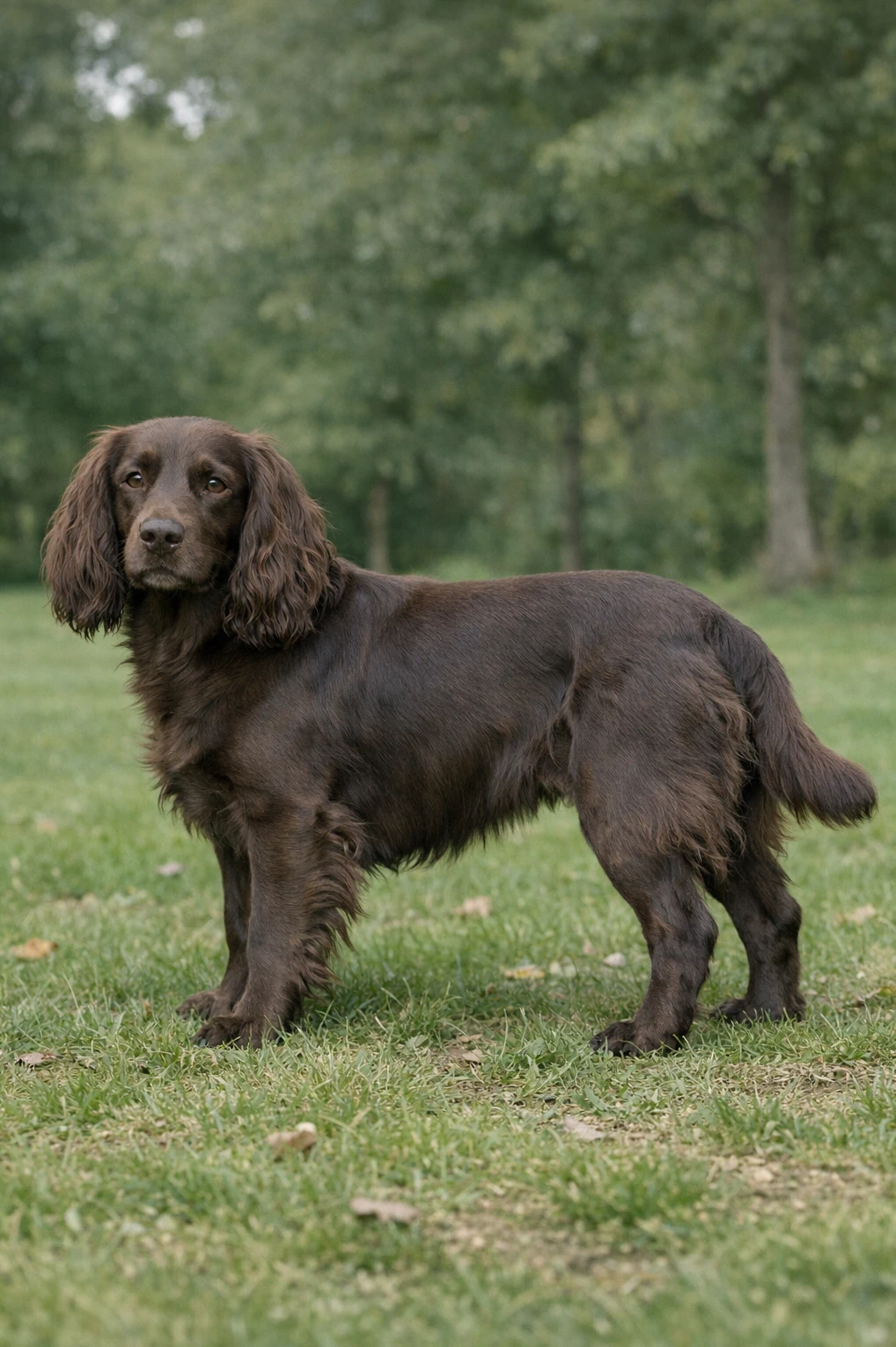
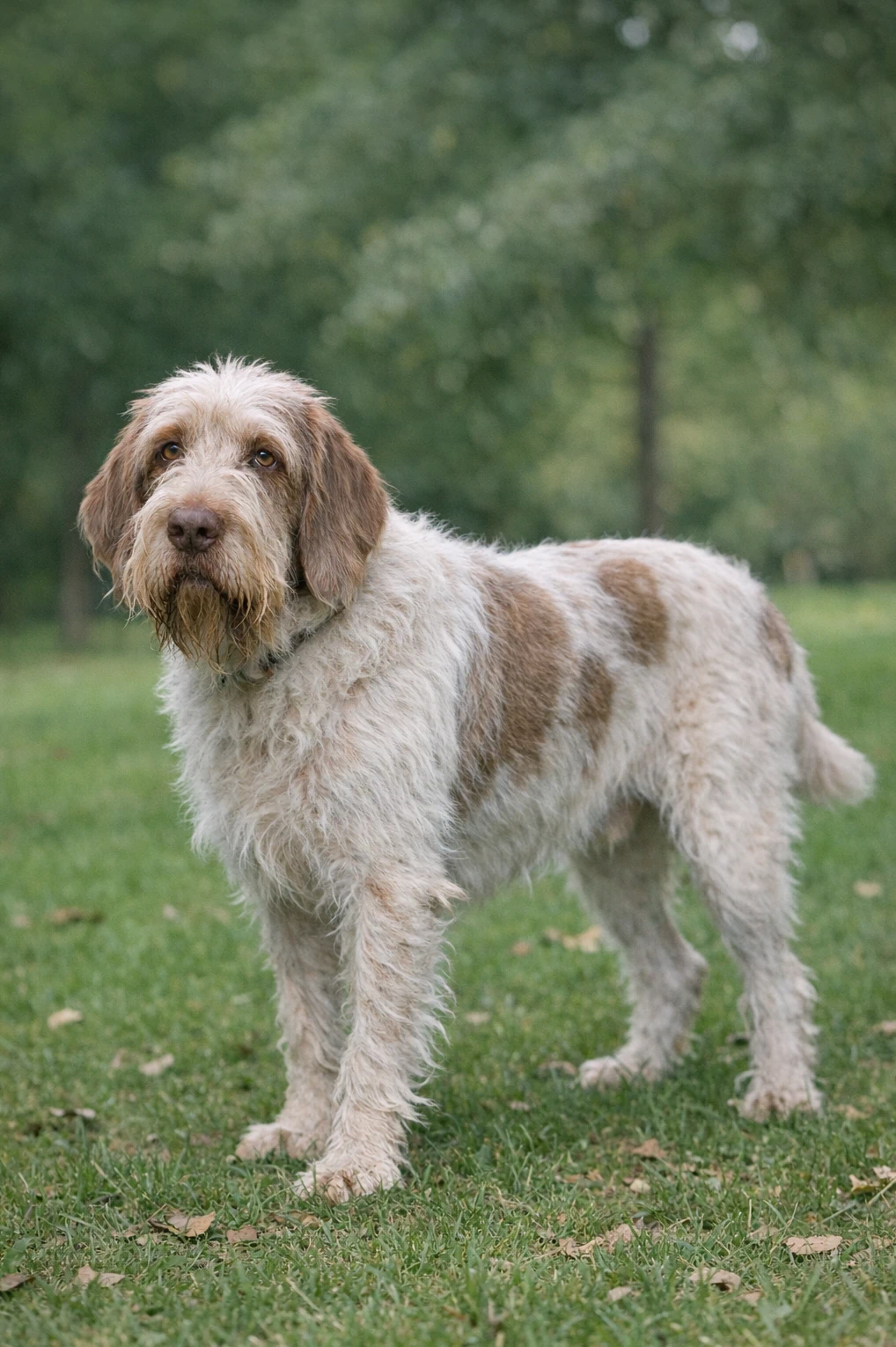
Large, amiable Spinone males stand about 23 to 27 inches tall, with weight matching their sturdy build. Gentle, tolerant companions. Nutritional verdict: a balanced, moderate-calorie diet supports muscle tone and steady energy.
Understanding the Spinone Italiano Metabolism and Energy Needs
As a field companion bred for steady work in water and brush, the Spinone Italiano blends endurance with a calm, people-oriented temperament. That heritage means their food should fuel long, gentle activity while protecting big joints and keeping a thick coat in good condition.
Lean, high-quality protein around 22 to 26 percent helps maintain the muscle used during long, low-intensity outings. Moderate healthy fats, roughly 12 to 18 percent, supply slow-burning energy and support skin and coat health. Complex carbohydrates from whole grains and vegetables provide steady fuel and helpful fiber, while portion control prevents extra weight when days are quieter.
Targeted supplements such as glucosamine with chondroitin support cartilage, and long-chain omega-3 fatty acids reduce inflammation and nourish the coat. Antioxidants and probiotics help recovery and digestive balance after active days.
Managing Spinone Italiano Genetic Health Risks Through Nutrition
Hip Dysplasia
Helpful nutrients
Elbow Dysplasia
Helpful nutrients
Progressive Retinal Atrophy (PRA) / Eye Health
Helpful nutrients
Idiopathic Epilepsy / Seizure Support
Helpful nutrients
Bloat (Gastric Dilatation-Volvulus)
Helpful nutrients
Ear Infections
Helpful nutrients
Hypothyroidism
Helpful nutrients
Skin Allergies & Itchy Skin
Helpful nutrients
Spinone Italiano Feeding & Calorie Calculator
Estimated Daily Calories
Tip: Start with this amount and adjust after 2–3 weeks based on your dog's body condition and weight trend.
This estimate provides a starting point for feeding. Individual calorie needs may vary depending on metabolism, body condition, and health status. Always monitor your dog's weight and consult your veterinarian when adjusting diet.
Foods and Ingredients to Avoid for Spinone Italiano Dogs
Spinone Italiano are sturdy, big-boned dogs, and excess dietary fat can quickly lead to weight gain, which adds stress to their hips and back.
High-fat table scraps, fried foods, and rich sauces also raise the risk of pancreatitis, a painful condition that can require emergency care.
Choosing lean proteins and controlled portion sizes helps maintain a healthy body condition, supports joint longevity, and keeps your Spinone active and comfortable as they age.
Onions, garlic, leeks, and chives, whether raw, cooked, or powdered, are toxic to dogs and can damage red blood cells, causing anemia.
Even small amounts in seasonings or mixed foods can be harmful, especially with repeated exposure over time.
Keep these ingredients completely out of your Spinone's diet, and check ingredient lists on human foods and treats before offering them, to avoid accidental ingestion.
Xylitol, a common sugar substitute in sugar-free gum, candies, some peanut butters, and baked goods, can trigger a rapid insulin release in dogs, leading to dangerous hypoglycemia and potential liver failure.
Effects can appear quickly and be severe, even in otherwise healthy large breeds like the Spinone.
Avoid all foods and treats containing xylitol and read labels carefully, because a small amount can cause a big problem for your dog.
Grapes, raisins, and currants are linked to acute kidney failure in dogs, and susceptibility is unpredictable between individual animals.
Large-breed dogs do not have any protection from this toxin, so even a small handful can be dangerous depending on the dog and the amount consumed.
Do not offer these fruits as snacks, and keep them well out of reach during baking, snacking, and meal prep to prevent accidental ingestion.
Growing Spinone puppies need a diet formulated for large-breed development, because too much calcium or excessive calories can cause rapid, uneven growth and increase the risk of hip and elbow problems.
Over-supplementing with bone meal or feeding calorie-rich adult diets during growth can put developing joints under stress.
Use a vetted large-breed puppy formula and consult your veterinarian about portioning and any supplements to support steady, healthy growth without unnecessary strain on bones and joints.
Some grain-free diets that rely heavily on peas, lentils, and other legumes have been associated with cases of dilated cardiomyopathy in dogs, likely related to nutrient imbalances such as low taurine in certain formulations.
Large breeds like Spinone need a balanced diet that supports heart and muscle health.
Before choosing a grain-free formula, discuss options with your vet, prioritize complete nutrition from reputable brands, and monitor heart health during routine checkups.
How Nutritional Needs Change Throughout the Spinone Italiano Life Stages
Dogs need different nutrition in puppyhood, adulthood, and senior years, because their bodies change as they grow and age. These shifting needs are influenced by the breed's growth rate, activity level, and common health tendencies. For a Spinone Italiano, a steady growth pattern, moderate activity and a sturdy frame mean tailored portions, nutrient timing, and joint-conscious choices make a big difference across each life stage.
| Life Stage | Age Range | Primary Objective | Key Nutrient Focus |
|---|---|---|---|
| Puppy | 0–12 months | controlled skeletal development, immune support, brain development | DHA, balanced calcium/phosphorus, high-quality protein |
| Adult | 1–7 years | lean muscle maintenance and sustained energy | high-quality protein, omega-3 fatty acids, fiber |
| Senior | 7+ years | joint mobility, metabolic health, and cognitive support | glucosamine, chondroitin, antioxidants, lower calories |
Spinone Italiano puppies grow steadily, often filling out into a sturdy medium-large frame over the first year to 18 months. Their skeletal development benefits from controlled, steady growth, so avoid excess calories and rapid weight gain that can stress developing joints. Offer a diet formulated for medium to large breed puppies, with balanced calcium and phosphorus, quality protein for muscle and tissue formation, and DHA for brain and eye development.
Feed puppies more frequently, with three to four meals a day when very young, dropping to two meals as they mature, adjusting portions to maintain a healthy, lean body condition. Because Spinones have moderate activity levels and a patient temperament, monitor playtime and weight closely to reduce joint strain, and consult your vet about growth monitoring and any breed-specific concerns.
Adult Spinone Italianos are steady, moderately active dogs that need a balanced diet to maintain muscle mass and consistent energy for daily walks and scent work. Choose a formula with high quality animal protein to support lean muscle, moderate fat for sustained energy, and appropriate fiber to support digestion. Keeping calorie intake matched to activity helps prevent excess weight, which can strain their sturdy frame and joints.
Include regular feeding times, typically two meals a day, and adjust portions for seasonal or lifestyle changes like increased training or hunting days. Their wiry medium coat does not demand special macronutrient changes, but skin and coat health benefit from omega fatty acids and vitamins. Regular weight checks and fitness-focused exercise maintain strength and overall wellbeing.
Senior Spinone Italianos often show subtle changes in metabolism, activity and digestion as they age, sometimes becoming less active while still enjoying companionship and gentle exercise. Calories may need to be modestly reduced to prevent weight gain, while protein remains important to preserve muscle. Focus on highly digestible proteins, controlled fat levels, and increased fiber to support gut health and regular stools.
Joint support becomes a priority for this sturdy breed, so consider diets or supplements with glucosamine and chondroitin, and include omega-3 fatty acids to help inflammation. Antioxidants and a range of vitamins support immune health and cognitive function. Work with your veterinarian to tailor calorie targets, monitor weight and mobility, and adjust feeding strategies for dental changes or slower digestion.
Kibble vs Fresh vs Raw for Spinone Italiano
Different feeding models suit different lifestyles and activity levels, especially for a gentle Spinone Italiano. Think about convenience, exercise needs, and coat care when choosing a plan.
Pros
- Convenient and easy to portion for busy owners.
- Consistent balanced nutrition tailored for medium to large breeds.
- Dry kibble can help reduce tartar buildup during chewing.
- Many formulas include joint support for larger, patient Spinones.
Cons
- Lower moisture content may not suit every dog's hydration needs.
- Some formulas use fillers or low-quality ingredients.
- Portion control is essential to prevent weight gain.
- Less enticing for picky or highly food-motivated Spinones.
Pros
- Highly palatable, useful for picky or selective Spinones.
- High moisture supports digestion and skin and coat health.
- Allows complete control over ingredient quality and sourcing.
- Easier to adjust calories for activity level and body condition.
Cons
- More time consuming and often more expensive than kibble.
- Requires careful planning to ensure complete nutrient balance.
- Needs refrigeration and safe storage between meals.
- Home cooking without guidance can miss essential vitamins.
Pros
- High protein and moisture can suit their working heritage.
- Often very palatable for sociable, food-driven dogs.
- Some owners report improved coat texture and energy.
- Minimal processing preserves natural nutrient profiles.
Cons
- Risk of bacterial contamination without strict hygiene practices.
- Balancing calcium and vitamins is challenging for home-prepared diets.
- Whole bones can be hazardous if not appropriately sized.
- Not suitable for homes with young children or immunocompromised people.
| Diet Type | Pros for Spinone Italiano | Potential Downsides |
|---|---|---|
| High-Quality Kibble |
|
|
| Fresh Cooked Food |
|
|
| Raw Diet (BARF) |
|
|
Our Recommendation
For most Spinone Italianos, a high-quality kibble with occasional fresh food additions offers a practical balance of nutrition and convenience.
If you prefer fresh cooked or raw feeding, partner with your veterinarian to ensure joints, calories, and coat needs are properly met.
See Also
Breeds with similar group, size, and coat characteristics