Best Dog Food for Nederlandse Kooikerhondje in 2026Based on Nutritional Science
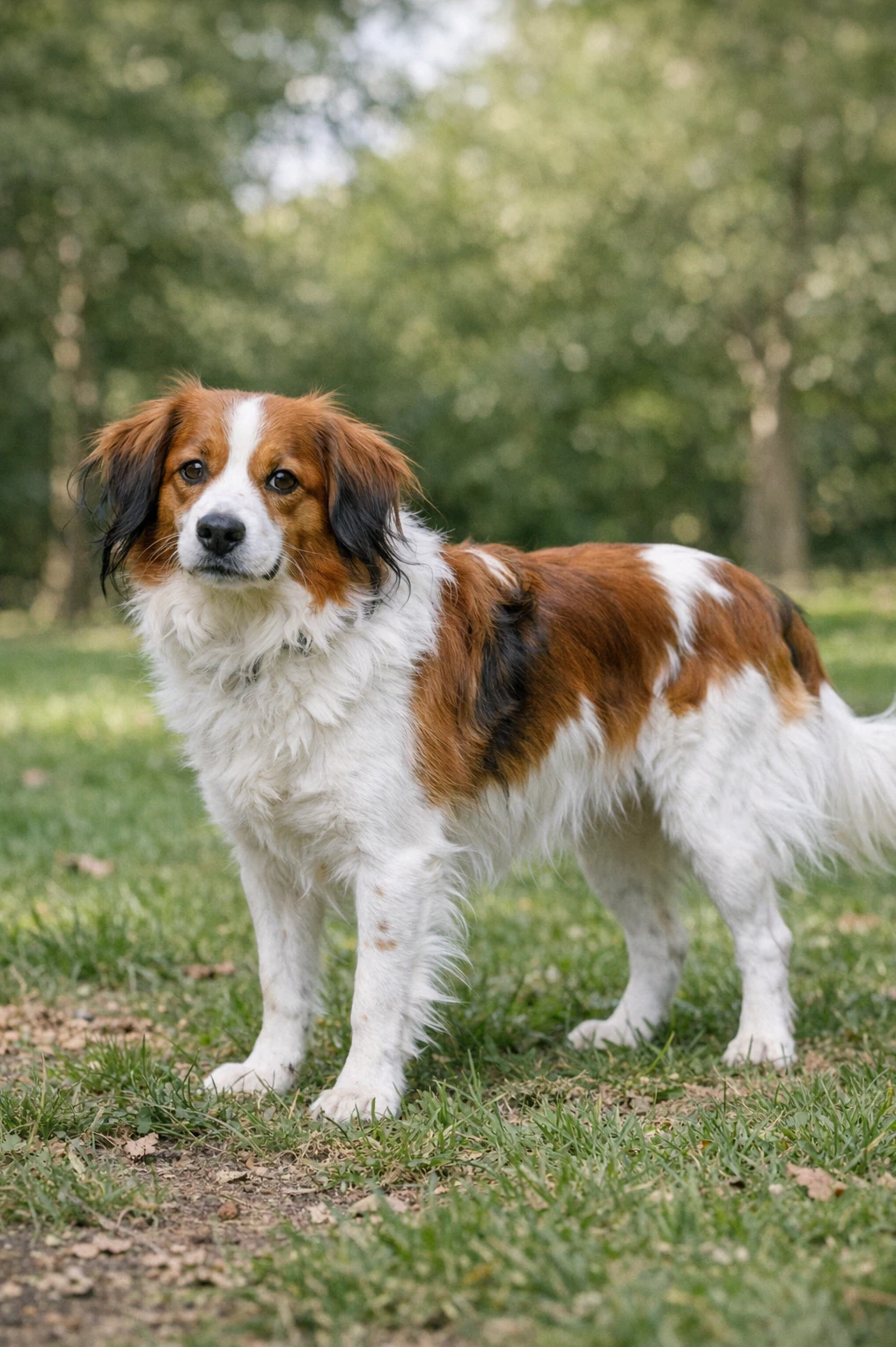
Compact and nimble, the Nederlandse Kooikerhondje stands about 16 inches and weighs 20 to 30 pounds. Watchful, sociable, and lively, Nutritional Verdict: a balanced diet with lean protein and joint-supporting nutrients keeps them thriving.
Understanding the Nederlandse Kooikerhondje Metabolism and Energy Needs
For owners who adore this lively companion, tailoring food to its heritage helps keep it thriving. This small Dutch gundog was shaped to work in wetlands, luring and moving waterfowl, which left it with high stamina, sharp focus, and lively movement. That background means modern dogs of this line need a diet that supports lean muscle, steady endurance, and a glossy coat.
Higher quality protein from poultry, fish, or eggs helps maintain muscle and recover after bursts of activity. Healthy fats, especially marine oils, provide concentrated fuel and keep skin and fur in top condition, while omega-3s support brain sharpness.
Complex carbohydrates like sweet potato and brown rice give sustained energy and calm blood sugar, avoiding sudden energy dips during play. Antioxidants and joint-building nutrients such as glucosamine are smart additions for long-term mobility and resilience.
Managing Nederlandse Kooikerhondje Genetic Health Risks Through Nutrition
Polymyositis (PMN)
Helpful nutrients
Renal Disorders
Helpful nutrients
Epilepsy
Helpful nutrients
Obesity / Weight Management
Helpful nutrients
Nederlandse Kooikerhondje Feeding & Calorie Calculator
Estimated Daily Calories
Tip: Start with this amount and adjust after 2–3 weeks based on your dog's body condition and weight trend.
This estimate provides a starting point for feeding. Individual calorie needs may vary depending on metabolism, body condition, and health status. Always monitor your dog's weight and consult your veterinarian when adjusting diet.
Foods and Ingredients to Avoid for Nederlandse Kooikerhondje Dogs
Kooikerhondjes can be prone to weight gain, and too much fat in the diet makes it easy for a compact 20 to 30 pound dog to carry extra pounds.
High-fat table scraps and greasy treats also raise the risk of pancreatitis, which can be serious and painful.
Stick to lean protein and measured portions, and treat fatty foods as a rare indulgence.
If your dog has a history of digestive or weight issues, ask your veterinarian for a low-fat feeding plan.
This breed has a predisposition to renal disorders, so foods high in salt can put extra strain on the kidneys and raise blood pressure.
Processed human snacks, cured meats, and salty flavored treats are best avoided because even small dogs can be affected by excess sodium.
Choose low-sodium kibble and limit salty human foods. Keep fresh water available and consult your vet about sodium limits if your dog has any kidney concerns.
Dogs with or at risk for kidney problems benefit from careful balancing of protein and phosphorus, because excesses can accelerate kidney damage.
While healthy Kooikerhondjes need good quality protein to maintain lean muscle, unmanaged high-protein or high-phosphorus diets may not be appropriate if renal disease develops.
Work with your veterinarian to choose a diet tailored to your dog s life stage and kidney status rather than making sudden DIY changes that could do more harm than good.
Some Kooikerhondjes are sensitive to additives, and artificial preservatives, colors, and flavors can trigger skin issues, digestive upset, or behavioral reactions.
For dogs with epilepsy or other neurological conditions, minimizing unnecessary additives is a sensible precaution that helps you track any triggers.
Opt for minimally processed diets with natural preservation when possible, and introduce new foods slowly so you can spot any changes in coat, digestion, or mood.
Raw diets carry a higher risk of bacterial contamination and parasites, which can be especially risky for a breed with genetic health concerns.
Raw fish can also contain thiaminase, an enzyme that destroys vitamin B1, and repeated exposure to undercooked or raw proteins can lead to nutritional imbalances.
If you are considering a raw regimen, discuss it with your veterinarian and have a clear plan for sourcing, handling, and balancing nutrients to protect your dog s long-term health.
Certain human foods are toxic even in small amounts to a 20 to 30 pound dog.
Xylitol, found in sugar-free gum and some peanut butters, causes dangerous drops in blood sugar and liver damage.
Chocolate, grapes, raisins, onions, garlic, and macadamia nuts each pose their own serious risks.
Always keep these items well out of reach and call your veterinarian or an emergency clinic immediately if you suspect ingestion, because quick action can make a big difference.
How Nutritional Needs Change Throughout the Nederlandse Kooikerhondje Life Stages
Dogs need different nutrition at puppyhood, adulthood, and in their senior years, because growth, activity and health affect what they require. For a medium, alert and quick breed like the Nederlandse Kooikerhondje, the rate of growth, activity level and breed health tendencies shape feeding choices. Tailoring protein, calories and key nutrients through life helps support healthy development, energy and aging.
| Life Stage | Age Range | Primary Objective | Key Nutrient Focus |
|---|---|---|---|
| Puppy | 0–12 months | controlled skeletal development, immune support, brain development | DHA, balanced calcium/phosphorus, high-quality protein |
| Adult | 1–7 years | lean muscle maintenance and sustained energy | high-quality protein, omega-3 fatty acids, fiber |
| Senior | 7+ years | joint mobility, metabolic health, and cognitive support | glucosamine, chondroitin, antioxidants, lower calories |
Kooikerhondje puppies grow steadily to a medium adult size, with a lively, quick temperament that benefits from controlled, steady weight gain to protect developing bones and joints. Proper skeletal development relies on a balanced calcium to phosphorus ratio, adequate vitamin D and moderate calories to avoid too-rapid growth that can strain the skeleton.
Feed multiple small meals a day, starting with three to four feedings for young puppies and gradually moving to two by adulthood, keeping portions consistent to maintain stable blood sugar and energy for their active play. Focus on high quality, easily digestible protein for muscle development, omega-3s such as DHA for brain and vision, moderate healthy fats for energy, and antioxidants to support immune health, while watching sodium and phosphorus if there is a family history of renal disorders.
As adult Kooikerhondjes reach their 20 to 30 pound range, nutrition focuses on maintaining lean muscle and steady energy for an alert, active lifestyle. Protein should be high quality and adequate to preserve muscle mass without excess calories, while fats provide concentrated energy for playful bursts.
Adjust calorie intake to match activity; more active dogs that do agility or long walks need higher energy, while less active pets need controlled portions to prevent weight gain. Choose a balanced diet with moderate fat, controlled carbohydrates for sustained energy, joint-supporting ingredients if mobility concerns arise, and monitor for signs of renal or neurological issues so you can consult your veterinarian about tailored feeding plans or special formulations.
Senior Kooikerhondjes often experience a slower metabolism, changes in digestion and occasional mobility stiffness as they age, while still benefiting from gentle activity. Managing calories is important to avoid weight gain that burdens joints, but maintaining high quality protein helps preserve muscle, which can support mobility and reduce risk with conditions like polymyositis.
Include joint-support nutrients such as glucosamine, chondroitin and omega-3s, plus antioxidants like vitamin E and zinc to support cellular health and reduce inflammation. Because the breed can have renal issues or epilepsy in some lines, work with your veterinarian to adjust phosphorus and sodium if kidney concerns arise, and keep feeding schedules and ingredient consistency to help manage seizure-prone dogs.
Kibble vs Fresh vs Raw for Nederlandse Kooikerhondje
Different feeding models suit different lifestyles, activity levels, and health needs. For the Nederlandse Kooikerhondje, size, alert energy, and breed-specific health tendencies shape the best choice.
Pros
- Convenient and easy to portion for busy owners.
- Formulas for small active breeds provide balanced energy and nutrients.
- Crunch can help reduce surface tartar during chewing.
- Many brands offer omega-rich options to support the coat.
Cons
- Lower moisture content may not suit dogs with renal sensitivity.
- Cheaper formulas can include fillers or artificial additives.
- Overfeeding can lead to weight gain in less active dogs.
- Some picky Kooikerhondjes may refuse certain kibble flavors.
Pros
- Highly palatable, often liked by picky Kooikerhondjes.
- Higher moisture content supports hydration and healthy digestion.
- You control ingredients, useful for avoiding known sensitivities.
- Easy to adjust protein and fat for activity or coat needs.
Cons
- More time consuming and typically more expensive than kibble.
- Requires careful recipes or supplements to ensure complete nutrition.
- Improper balancing can affect kidneys or other health concerns.
- Needs refrigeration and consistent meal prep routines.
Pros
- High-protein, less-processed ingredients appeal to some active dogs.
- Some owners report improved coat condition and energy levels.
- Avoids heat processing, preserving some natural nutrients.
- Flexible for tailoring protein sources for individual dogs.
Cons
- Risk of bacterial contamination, important for dogs with renal issues.
- Bone fragments can pose choking or internal injury risks.
- Difficult to balance without nutritionist or veterinary guidance.
- May be impractical for busy owners due to prep and storage.
| Diet Type | Pros for Nederlandse Kooikerhondje | Potential Downsides |
|---|---|---|
| High-Quality Kibble |
|
|
| Fresh Cooked Food |
|
|
| Raw Diet (BARF) |
|
|
Our Recommendation
Many Kooikerhondje owners find high-quality kibble or carefully planned fresh-cooked meals provide the best mix of convenience and tailored nutrition.
Raw feeding can work for experienced owners, but it demands strict hygiene and expert balancing.
Always factor in your dog's individual health history, especially renal disorders or epilepsy, and consult your veterinarian.
See Also
Breeds with similar group, size, and coat characteristics