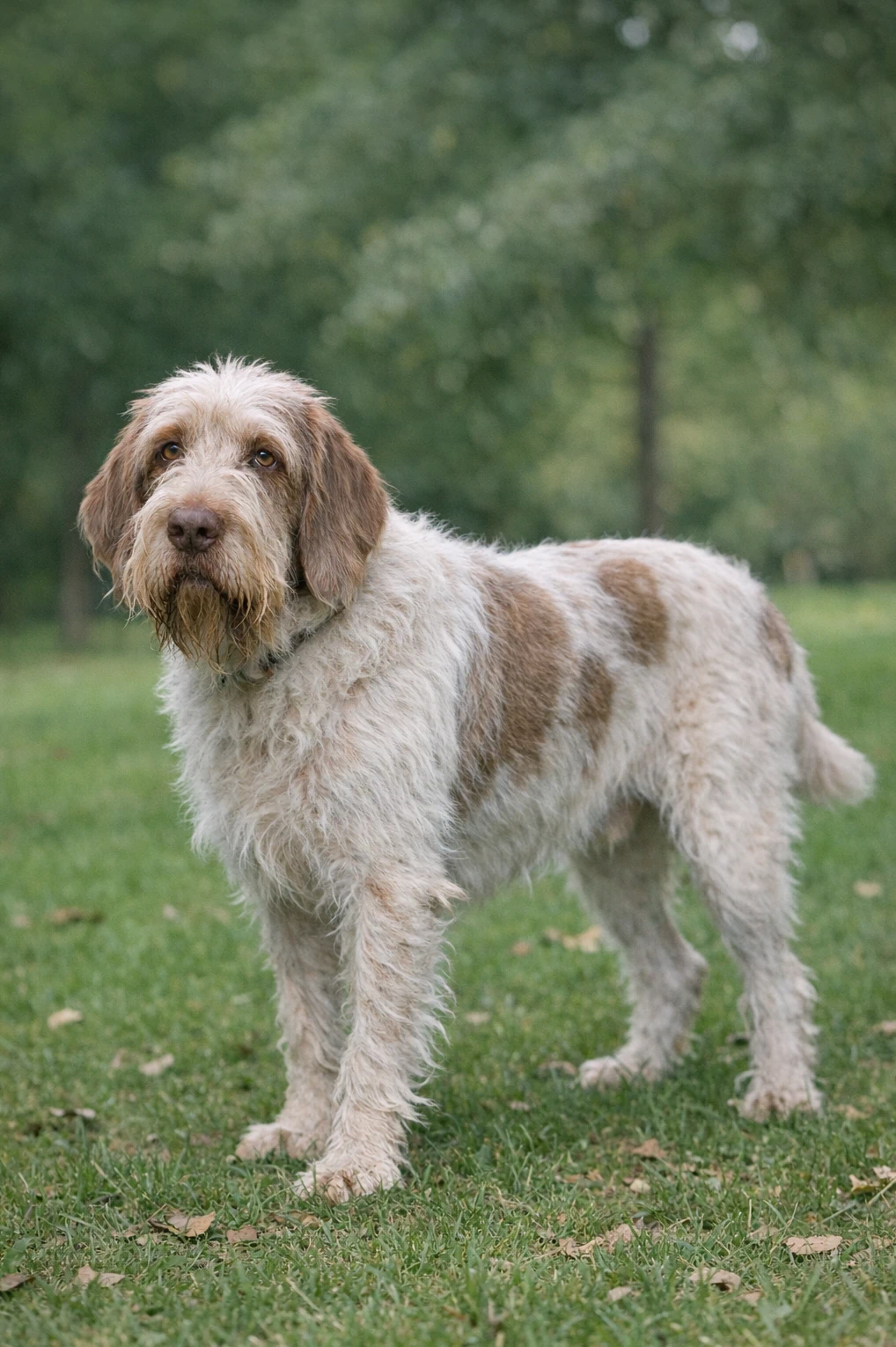
Best Dog Food for Field Spaniel in 2026Based on Nutritional Science
About 18 inches tall and 35 to 50 pounds, the Field Spaniel is affectionate, lively, and gentle. Nutritional verdict: feed high-quality protein, controlled portions, and balanced fats to support energy and a healthy coat.

Understanding the Field Spaniel Metabolism and Energy Needs
As a member of the sporting spaniel line, these dogs come from a history of steady field work where stamina, alertness, and a close bond with handlers mattered most. Their affectionate, playful, and gentle temperament means they need food that supports steady energy, muscle repair, and a healthy skin and coat without promoting spikes in activity or digestive upset.
A formula with strong, digestible protein supports lean muscle and recovery after outings, while moderate fats provide long-lasting fuel and help maintain that glossy coat; aim for high-quality sources and a balanced amount rather than excess. Slow-release carbohydrates aid endurance, and targeted additions like omega-3s, glucosamine, and antioxidants support brain health, joint comfort, and calm resilience during busy days.
Managing Field Spaniel Genetic Health Risks Through Nutrition
Orthopedic issues (hip and elbow dysplasia)
Helpful nutrients
Hypothyroidism (thyroid dysfunction)
Helpful nutrients
Eye conditions (retinal and other ocular issues)
Helpful nutrients
Cardiac conditions (heart health)
Helpful nutrients
Late-onset seizures (neurological concerns)
Helpful nutrients
Obesity and weight gain
Helpful nutrients
Field Spaniel Feeding & Calorie Calculator
Estimated Daily Calories
Tip: Start with this amount and adjust after 2–3 weeks based on your dog's body condition and weight trend.
This estimate provides a starting point for feeding. Individual calorie needs may vary depending on metabolism, body condition, and health status. Always monitor your dog's weight and consult your veterinarian when adjusting diet.
Foods and Ingredients to Avoid for Field Spaniel Dogs
Field Spaniels have hearty appetites and can pack on weight if you are not careful, so high-fat foods are best avoided.
Rich table scraps, fried foods, and fatty cuts of meat can lead to rapid weight gain and raise the risk of pancreatitis, which is painful and can be serious.
Keeping treats lean and portion sizes controlled helps protect their joints and overall health, especially for a 35 to 50 pound dog that needs steady, balanced calories rather than sudden, fatty indulgences.
Never give cooked bones, even as an occasional treat, because they can splinter and cause choking, tears in the mouth, or dangerous intestinal blockages.
Field Spaniels are curious chewers and a broken bone fragment can lead to emergency surgery or long recovery.
If you want to offer something to chew, choose vet-approved, durable chews or raw bones discussed with your veterinarian, keeping size and chewing style appropriate for a medium-sized dog.
Regularly feeding table scraps encourages begging and makes it harder to manage weight for a food-motivated breed.
Many human foods are high in salt, fat, or spices that can upset a Field Spaniel's stomach, and repeated scraps can create nutritional imbalances over time.
Certain common ingredients in people food, such as onions, garlic, and chives, are toxic to dogs, so it is kinder and safer to stick with balanced dog food and vet-approved treats for rewards.
Field Spaniels can be prone to skin sensitivities and subtle digestive reactions, so avoiding artificial preservatives, flavors, and colors is a sensible choice.
Ingredients like BHA, BHT, and some synthetic dyes are unnecessary fillers that can irritate sensitive dogs and do not add nutritional value.
Choosing diets with recognizable, whole-food ingredients and natural preservation helps support a healthy coat and reduces the chance of flare-ups or tummy trouble.
Homemade diets without proper balancing can provide too much calcium or the wrong nutrient ratios, which is a concern for breeds where orthopedic health matters.
For Field Spaniels, excess or imbalanced nutrients during growth or adult life can contribute to joint strain or subtle developmental issues.
If you prefer homemade meals, work with a veterinary nutritionist to create a recipe tailored to your dog’s weight and life stage, so you avoid unintended harm while still offering wholesome ingredients.
Grapes and raisins can cause sudden kidney failure in dogs, and there is no reliable safe dose, so they should always be avoided around Field Spaniels.
Xylitol, a common sugar substitute in sugar-free gum and baked goods, can trigger a rapid, life-threatening drop in blood sugar and even liver failure.
Keep these substances out of reach, check ingredient labels on human foods, and educate family and guests about these hidden household dangers to keep your companion safe.
How Nutritional Needs Change Throughout the Field Spaniel Life Stages
Field Spaniels, like all dogs, have shifting nutritional needs as they move from puppyhood to adulthood and into their senior years. Growth rate, activity level, and breed-specific health tendencies influence how much and what type of food they require. Medium-sized, sweet and enthusiastic Field Spaniels need diets tailored to support steady growth, sustained energy, and long-term joint and organ health.
| Life Stage | Age Range | Primary Objective | Key Nutrient Focus |
|---|---|---|---|
| Puppy | 0–12 months | controlled skeletal development, immune support, brain development | DHA, balanced calcium/phosphorus, high-quality protein |
| Adult | 1–7 years | lean muscle maintenance and sustained energy | high-quality protein, omega-3 fatty acids, fiber |
| Senior | 7+ years | joint mobility, metabolic health, and cognitive support | glucosamine, chondroitin, antioxidants, lower calories |
Field Spaniel puppies grow at a moderate pace, typically reaching adult size by 12 to 18 months, so their diet should encourage steady, not rapid, weight gain. Because this breed can have orthopedic sensitivities, avoid excessive calories and rapid growth which stress developing bones and joints, and work with a breeder or vet on appropriate growth targets.
Feed puppy formulas rich in high-quality protein and DHA to support muscle, brain and eye development, and ensure balanced calcium and phosphorus for healthy skeletal formation. Offer three to four small meals per day while young, then transition to two meals by about one year, and include joint-supporting nutrients like omega-3s and monitored levels of vitamins to help reduce future joint and thyroid concerns.
Adult Field Spaniels are medium, active dogs that thrive on a steady supply of high-quality protein to maintain lean muscle and moderate fat for sustained energy. A balanced diet with about 18-25% protein and sensible fat levels helps support their enthusiastic activity without promoting excess weight, especially if they enjoy regular field work or long walks.
Lifestyle matters, so match portions to daily exercise and monitor body condition rather than relying only on package guidelines, and keep a consistent two-meal routine to suit their sensitive temperament. Include joint-friendly omega-3s, antioxidants for eye and cardiovascular health, and routine vet checks to watch for thyroid or cardiac changes that can affect metabolism and energy.
As Field Spaniels enter their senior years, metabolism often slows and digestion can become less efficient, while mobility may be affected by age-related joint wear. Maintaining high-quality, more digestible protein helps preserve muscle, while modest calorie reductions prevent weight gain that would stress hips and joints; aim to keep your dog at a trim, comfortable body condition.
Support joints with omega-3 fatty acids and glucosamine or chondroitin, and add antioxidants like vitamins E and C to help cellular and eye health. Keep meals smaller and more frequent if digestion is sensitive, monitor thyroid and cardiac status with your vet, and adjust the plan if late-onset health issues appear, always discussing supplements and seizure concerns with a veterinarian.
Kibble vs Fresh vs Raw for Field Spaniel
Different feeding models suit different lifestyles, routines, and health needs.
Your Field Spaniel's sweet, sensitive nature, moderate size, and activity level will influence which option feels best for them.
Pros
- Convenient and easy to portion for busy owners.
- Formulated with joint and weight management for medium active dogs.
- Stable shelf life, handy for travel and outdoor activities.
- Typically fortified with vitamins for skin and coat health.
Cons
- Lower moisture content may require extra water, especially after exercise.
- Some formulas include fillers or additives, so read labels carefully.
- Less palatable for picky Field Spaniels who prefer fresh flavors.
Pros
- Highly palatable, great for picky or sensitive Field Spaniels.
- High moisture supports hydration and gentler digestion after activity.
- Full control over ingredients helps manage allergies or thyroid concerns.
- Can include joint-supporting ingredients like fish and greens.
Cons
- Requires careful planning to ensure complete nutrition with veterinary input.
- More time consuming and generally more expensive over time.
- Needs refrigeration and meal prep, less convenient when traveling.
- Risk of imbalance if not formulated with appropriate supplements.
Pros
- High protein profile supports activity and lean muscle maintenance.
- Some owners report shinier coats and improved energy levels.
- Minimally processed ingredients retain more natural nutrients.
Cons
- Demands strict hygiene to avoid bacterial risks for dogs and humans.
- Can be risky with bones and for dogs with seizures or dental issues.
- Nutritional balancing is complex and requires expert guidance.
| Diet Type | Pros for Field Spaniel | Potential Downsides |
|---|---|---|
| High-Quality Kibble |
|
|
| Fresh Cooked Food |
|
|
| Raw Diet (BARF) |
|
|
Our Recommendation
For many Field Spaniels, a high-quality kibble with joint-aware and weight-conscious formulas offers reliable nutrition and convenience.
Fresh cooked meals are great for picky or sensitive dogs, while raw diets should only be tried with veterinary approval and careful hygiene.
See Also
Breeds with similar group, size, and coat characteristics