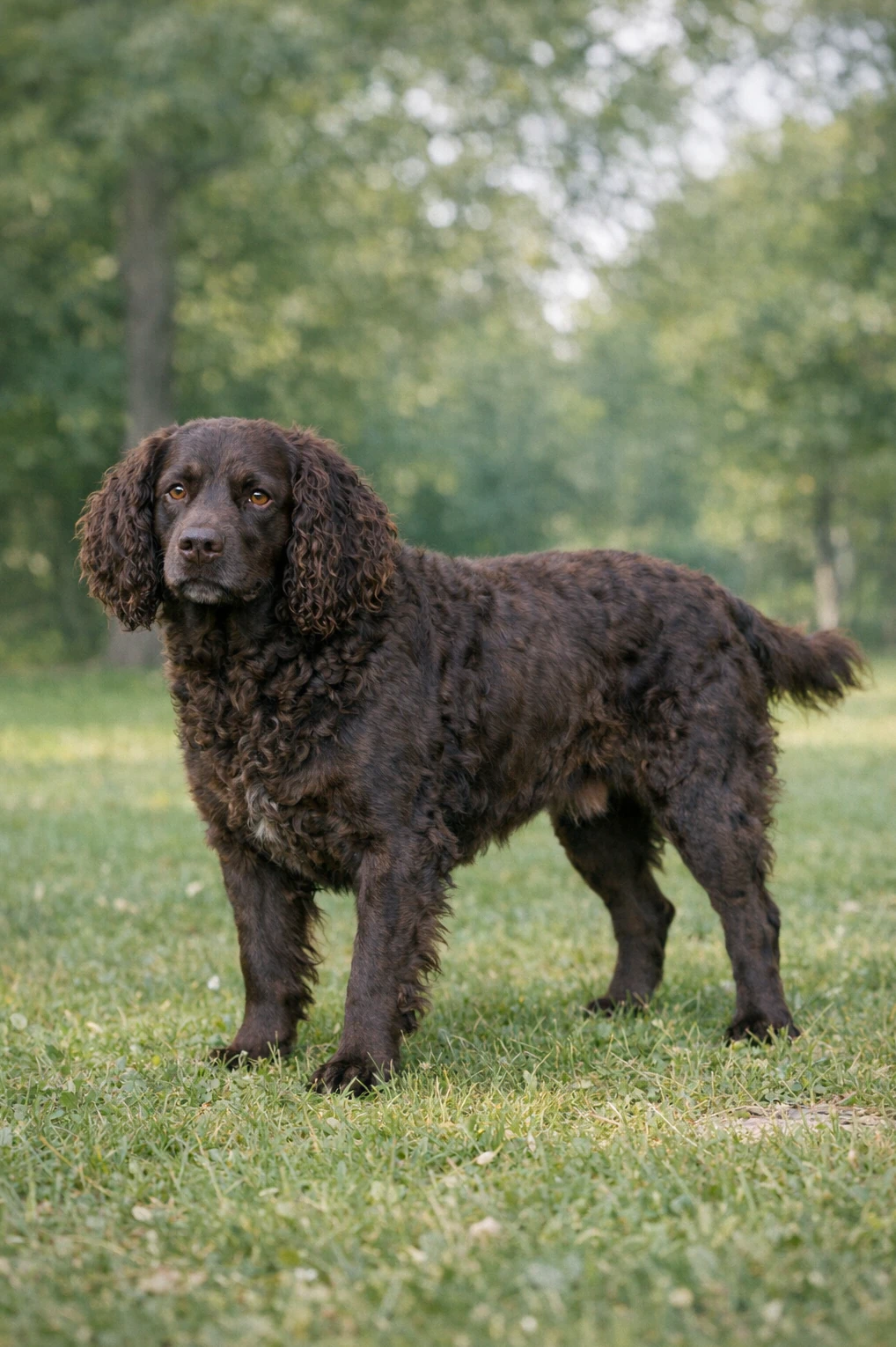
Best Dog Food for Lagotto Romagnolo in 2026Based on Nutritional Science
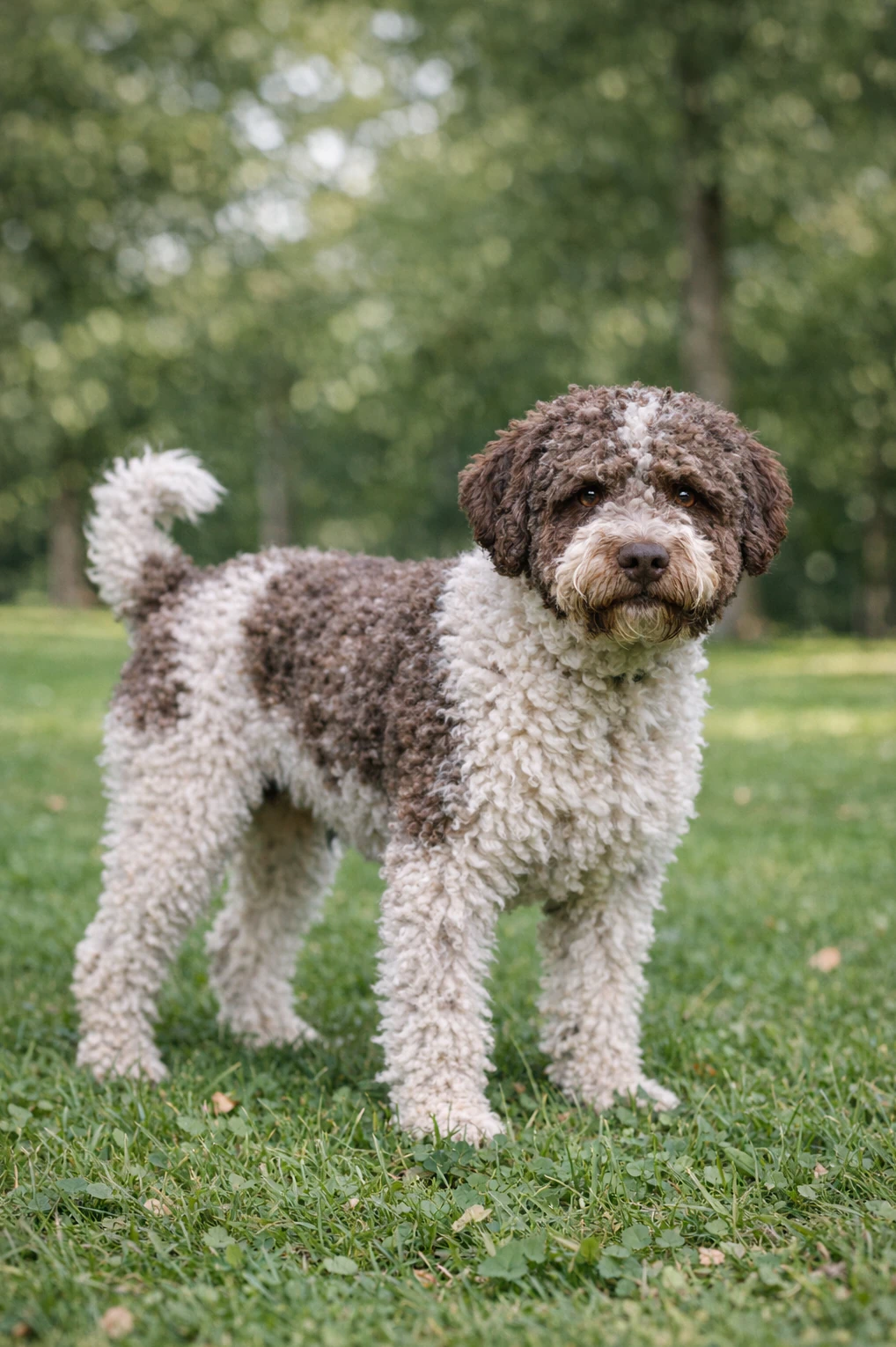
The Lagotto Romagnolo male stands about 17-19 inches and weighs roughly 28.5-35 pounds. Loving, alert and easygoing, Nutritional Verdict: a balanced, moderate-calorie diet with quality protein and healthy fats supports coat and energy.
Understanding the Lagotto Romagnolo Metabolism and Energy Needs
Descended from Italian water and truffle hunters, this compact, loving, and eager companion blends endurance with sharp scent work, while enjoying easygoing family life. That combination calls for a diet centered on high quality animal protein to preserve lean muscle and sustain long tracking or retrieval sessions, plus moderate healthy fats to feed the brain and keep a dense, water-friendly coat supple.
Because bursts of focused activity alternate with calm downtime, calories should be managed to avoid excess weight, with digestible carbohydrates and fiber providing steady energy and gut health. Targeted supplements like omega-3 fatty acids for skin and cognitive support, joint aids such as glucosamine, and probiotics or antioxidants to support digestion and scent-focused brain function make practical sense for this type of dog.
Managing Lagotto Romagnolo Genetic Health Risks Through Nutrition
Juvenile Epilepsy
Helpful nutrients
Storage Disease
Helpful nutrients
Hip Dysplasia
Helpful nutrients
Elbow Dysplasia
Helpful nutrients
Obesity
Helpful nutrients
Lagotto Romagnolo Feeding & Calorie Calculator
Estimated Daily Calories
Tip: Start with this amount and adjust after 2–3 weeks based on your dog's body condition and weight trend.
This estimate provides a starting point for feeding. Individual calorie needs may vary depending on metabolism, body condition, and health status. Always monitor your dog's weight and consult your veterinarian when adjusting diet.
Foods and Ingredients to Avoid for Lagotto Romagnolo Dogs
Lagotto Romagnolos can gain weight more easily than you might expect, especially as adults, so high-fat foods and fatty table scraps are best avoided.
Excess dietary fat not only contributes to obesity but can also trigger pancreatitis, a painful condition that requires veterinary care.
Stick to lean proteins and measured portions, and talk with your vet before offering rich human foods or fatty treats so your dog stays at a healthy weight for its 28.
5 to 35 pound frame.
Training treats are handy, but too many small rewards add up quickly for a medium-sized Lagotto Romagnolo and can lead to unwanted weight gain.
Because this breed can be prone to carrying extra pounds, count treats toward daily calories and choose low-calorie options when possible.
Using tiny pieces for training, timing rewards appropriately, and swapping in healthy alternatives like small pieces of cooked lean meat or vet-approved snacks will help maintain a trim, active companion.
Raw diets may seem natural but they carry risks of bacterial contamination and often lack a balanced mix of vitamins and minerals for a Lagotto Romagnolo.
Nutritional imbalances during growth can affect bone and joint development, which matters because breeders screen for hip and elbow concerns.
If you prefer home-prepared meals, work closely with your veterinarian or a canine nutritionist to create a complete, safe plan and avoid accidental deficiencies or foodborne illness.
Some grain-free foods rely heavily on peas, lentils, or chickpeas as main ingredients, and diets with very high legume content have been linked to heart concerns in certain dogs.
For a Lagotto Romagnolo it is sensible to avoid diets dominated by legumes until your veterinarian is confident the recipe meets your dog's specific needs.
Choose balanced formulas from reputable brands and monitor heart health with regular checkups, especially if your dog has other risk factors.
Growing Lagotto puppies need the right balance of calcium and phosphorus to develop sturdy bones, but too much supplemental calcium can disrupt normal skeletal growth and may contribute to hip or elbow problems.
Because this breed is screened for orthopedic issues, avoid giving extra bone meal, human supplements, or adult-formula foods without professional guidance.
Follow breeder and veterinary recommendations for puppy diets, and use a veterinarian-approved puppy food that supplies appropriate minerals for medium-breed growth.
Some Lagottos are sensitive to additives, and artificial preservatives, colors, or strong flavorings can irritate skin or upset digestion.
Ingredients like certain synthetic preservatives or intense flavor enhancers are unnecessary when you feed a high-quality diet and can make it harder to identify food-related sensitivities.
Opt for foods with simple, recognizable ingredients and consult your vet if you notice itching, ear problems, or tummy troubles after trying a new formula.
How Nutritional Needs Change Throughout the Lagotto Romagnolo Life Stages
Dogs need different nutrition at puppyhood, adulthood, and senior years because their bodies and lifestyles change as they age. Breed characteristics such as growth rate, activity level, and common health tendencies shape what each life stage requires, so feeding a Lagotto Romagnolo means matching calories, protein, and nutrients to those needs. Paying attention to life stage ensures healthy growth, sustained energy, and graceful aging.
| Life Stage | Age Range | Primary Objective | Key Nutrient Focus |
|---|---|---|---|
| Puppy | 0–12 months | controlled skeletal development, immune support, brain development | DHA, balanced calcium/phosphorus, high-quality protein |
| Adult | 1–7 years | lean muscle maintenance and sustained energy | high-quality protein, omega-3 fatty acids, fiber |
| Senior | 7+ years | joint mobility, metabolic health, and cognitive support | glucosamine, chondroitin, antioxidants, lower calories |
Lagotto Romagnolo puppies grow at a steady, medium pace, so their nutrition should support strong skeletal development without encouraging overly rapid growth. Provide high quality, digestible protein and balanced fat for energy, plus correct calcium to phosphorus ratios to help bones and joints mature properly. DHA supports brain and eye development, while antioxidants and vitamins help immune health.
Because they are keen and playful, feed puppies smaller, frequent meals to meet their energy needs and reduce digestive upset, typically three to four times daily until around six months, then gradually shift to two meals. Keep an eye on weight and body condition to lower the risk of hip or elbow issues, and tell your breeder or vet about any family history of juvenile epilepsy or storage disease so diet and monitoring can be adjusted.
Adult Lagotto Romagnolos benefit from a diet that keeps lean muscle and steady energy, especially because they are keen and enjoy active play. Aim for a balanced protein level from named animal sources, moderate healthy fats for coat and brain health, and controlled carbohydrates or fiber to support digestion and steady energy. Include omega-3 fatty acids to support skin and joint health, which can be helpful if there is a family history of hip or elbow concerns.
Adjust daily calories to match your dog's lifestyle, lowering portions for a more sedentary pet and increasing for working or highly active dogs. Regular body condition checks and portion control help prevent weight gain, which protects joints and overall health. Discuss any concerns about epilepsy or storage disease with your vet, as special diets or monitoring may be advised.
As Lagottos enter their senior years, metabolism often slows and digestion may become less efficient, while joints can show wear if there were early orthopedic concerns. Senior diets should focus on easy-to-digest, high-quality protein to preserve muscle, slightly reduced calories if activity declines, and increased fiber for regular digestion. Look for joint-supporting nutrients like glucosamine and chondroitin, and add omega-3s to help inflammation and coat condition.
Antioxidants and specific vitamins support immune health and cognitive function, valuable for breeds that may face inherited conditions. Maintain regular weight checks and gentle, low-impact exercise to support mobility. Talk with your veterinarian about tailored adjustments, especially if there is a history of hip or elbow dysplasia, juvenile epilepsy, or storage disease in the bloodline.
Kibble vs Fresh vs Raw for Lagotto Romagnolo
Different feeding models suit different lifestyles and health needs. For the Lagotto Romagnolo, their keen nose, moderate activity, and curly coat influence which feeding approach fits best.
Pros
- Convenient and easy to portion for busy owners.
- Formulas offer balanced nutrition suited to moderate activity levels.
- Chewing helps reduce tartar and supports dental health.
- Many kibbles include joint-support nutrients for this active breed.
Cons
- Lower moisture content may not suit dogs that drink less.
- Some brands contain fillers that add little nutritional value.
- Calorie-dense formulas can cause weight gain without careful portions.
- Less flexibility to tailor ingredients for sensitivities or coat needs.
Pros
- Highly palatable, great for picky or keen eaters.
- High moisture supports digestion and skin and coat health.
- Full control over ingredients helps manage food sensitivities effectively.
- Easy to add joint-support supplements like fish oil or glucosamine.
Cons
- More time consuming and often more expensive than kibble.
- Requires careful recipe planning to ensure complete nutrition.
- Needs refrigeration and regular meal prep for safety.
Pros
- High-quality protein can support energy and lean muscle.
- Many owners report improved coat condition and skin health.
- Minimally processed ingredients may preserve natural nutrients.
Cons
- Strict hygiene is needed to prevent bacterial contamination risks.
- Hard to balance nutrients without veterinary or nutritional guidance.
- Raw bones and unsafe practices can pose choking hazards.
- Not ideal for households with young children or vulnerable family members.
| Diet Type | Pros for Lagotto Romagnolo | Potential Downsides |
|---|---|---|
| High-Quality Kibble |
|
|
| Fresh Cooked Food |
|
|
| Raw Diet (BARF) |
|
|
Our Recommendation
For most Lagotto Romagnolos, a high-quality kibble provides balanced nutrition, convenience, and dental benefits.
Fresh cooked food is a great option for owners who can manage time and recipes, especially for coat or sensitivity concerns.
Raw diets can work but should only be attempted with strict hygiene and veterinary guidance.
See Also
Breeds with similar group, size, and coat characteristics