Best Dog Food for Russian Tsvetnaya Bolonka in 2026Based on Nutritional Science
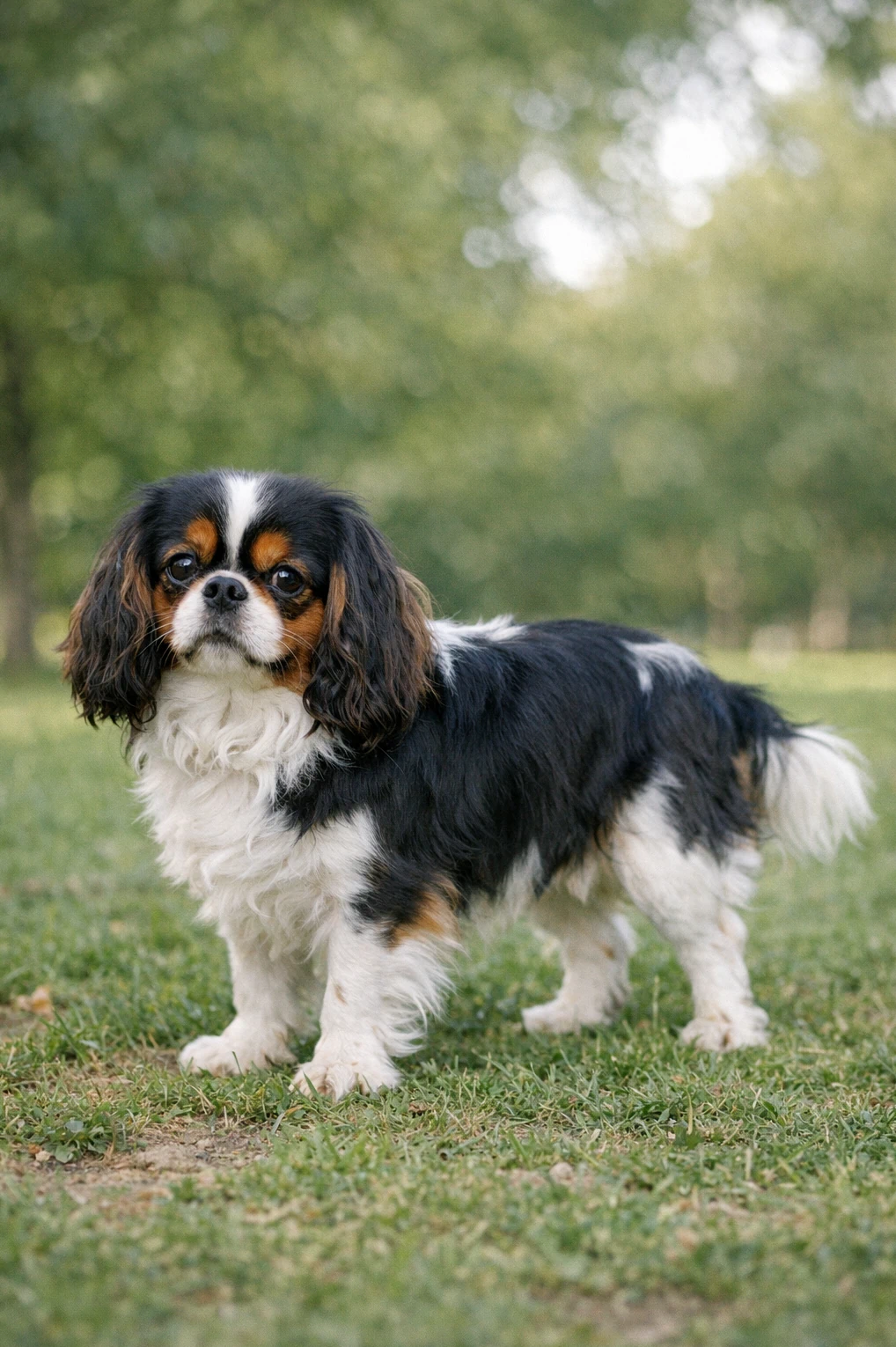
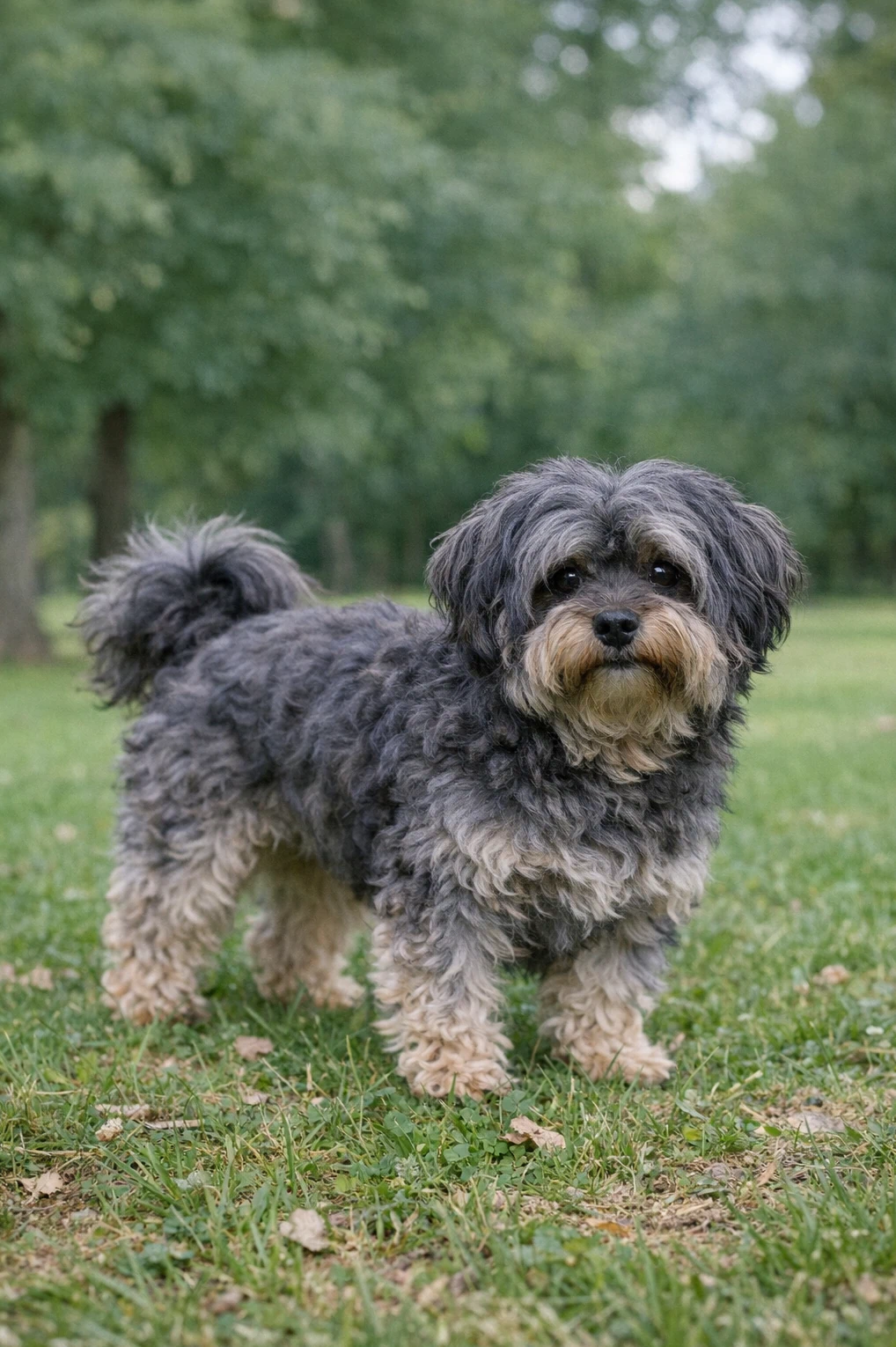
Compact at about 11 inches tall and 6 to 9 pounds, the Russian Tsvetnaya Bolonka is energetic, endearing, and highly curious. Nutritional Verdict: small-breed balanced diet with portion control and quality protein.
Understanding the Russian Tsvetnaya Bolonka Metabolism and Energy Needs
As a small companion with a lively, endearing, and curious personality, this dog carries a fast metabolism and a bright, busy mind. Their history as close-contact pets and sociable city companions means they need steady, concentrated energy and nutrients to support both activity and mental engagement.
A diet leaning toward higher quality protein and healthy fats helps preserve lean tissue and deliver quick calories, while moderate complex carbohydrates provide steady blood sugar and fiber for digestion. For example, real poultry or fish supplies amino acids for muscle and immune function, while fish oil and other fats support skin, coat and short bursts of play. Small-breed friendly kibble, regular small meals, omega-3s for cognition and probiotics for gut comfort also make practical sense for their compact, energetic build.
Managing Russian Tsvetnaya Bolonka Genetic Health Risks Through Nutrition
Eye Problems (corneal abrasions, PRA)
Helpful nutrients
Patellar Luxation and Legg-Calve-Perthes
Helpful nutrients
Heart Conditions
Helpful nutrients
Obesity
Helpful nutrients
Liver Shunt (portosystemic shunt)
Helpful nutrients
Russian Tsvetnaya Bolonka Feeding & Calorie Calculator
Estimated Daily Calories
Tip: Start with this amount and adjust after 2–3 weeks based on your dog's body condition and weight trend.
This estimate provides a starting point for feeding. Individual calorie needs may vary depending on metabolism, body condition, and health status. Always monitor your dog's weight and consult your veterinarian when adjusting diet.
Foods and Ingredients to Avoid for Russian Tsvetnaya Bolonka Dogs
Because Russian Tsvetnaya Bolonki are tiny and can be prone to weight gain, high-calorie treats and table scraps are an easy way to add pounds.
Even small amounts of fatty or sugary human food can represent a large proportion of their daily calories, stressing joints and increasing the risk of obesity-related problems.
Use tiny training treats and count calories so treats do not make up more than a small fraction of daily intake.
Avoid large hard chews and weight-bearing bones that can splinter or become a choking hazard for a 6 to 9 pound Bolonka.
Their small mouths and delicate teeth do better with appropriately sized, softer dental chews and carefully supervised gnawing.
Hard, cooked bones can fracture teeth, cause intestinal blockages, or lead to painful injuries that require emergency care, so choose safe alternatives sized for toy breeds.
Xylitol, often found in sugar-free gum, baked goods and some peanut butters, is extremely toxic to dogs and even tiny amounts can cause dangerous drops in blood sugar and liver failure in a small Bolonka.
Because of their low body weight, this breed is especially vulnerable, so always check ingredient lists and never share sugar-free treats.
If you suspect ingestion, contact your veterinarian or emergency clinic immediately.
Allium family foods like onions, garlic, leeks and chives damage red blood cells and can cause anemia, and small breeds like the Bolonka show clinical signs with much smaller exposures than larger dogs.
Avoid all forms, including powdered, cooked and raw, and be cautious with processed foods that may contain hidden alliums.
Keep these ingredients out of reach and let your family know that even modest amounts can be dangerous to a tiny dog.
Foods very high in salt or saturated fat can strain a Bolonka's heart and contribute to weight gain, both concerns since the breed benefits from regular heart checks and weight monitoring.
Excessive sodium can worsen blood pressure and heart conditions, while fatty table scraps increase calorie load and risk of digestive upset.
Choose low-sodium, lean options and consult your vet before offering rich human foods.
While home-prepared diets can work when planned with your veterinarian, raw feeding and unbalanced homemade meals carry risks, especially for tiny breeds.
Raw meat and eggs can harbor bacteria that cause serious illness, and improper nutrient balance can lead to deficiencies that show up more quickly in small dogs.
If you prefer home cooking, work closely with a veterinary nutritionist to ensure safe handling and correct supplementation for a growing or adult Bolonka.
Kibble vs Fresh vs Raw for Russian Tsvetnaya Bolonka
Different feeding models suit different lifestyles and each has pros and cons for a small, playful Russian Tsvetnaya Bolonka.
Choosing between kibble, fresh cooked, and raw depends on activity level, health screenings, and your routine.
Pros
- Convenient and easy to portion for busy households with a tiny Bolonka.
- Small-kibble formulas suit tiny mouths and encourage steady chewing.
- Usually balanced for complete nutrition when using reputable brands.
- Dry texture can help reduce plaque with regular chewing.
Cons
- Calorie-dense formulas risk weight gain without careful portion control.
- Lower moisture content may not suit dogs prone to dry skin or urinary issues.
- Some brands contain fillers or additives best avoided for sensitive dogs.
- Hard kibble can be less enticing for picky, food-motivated Bolonki.
Pros
- Highly palatable and enticing for picky, food-motivated Bolonki.
- High moisture content supports hydration and urinary health.
- Easy to adjust protein and fat for small breed needs.
- Gentle cooking can help sensitive stomachs when recipes are balanced.
Cons
- More time-consuming and often costlier than kibble.
- Requires careful nutrient balancing to prevent deficiencies.
- Needs refrigeration and meal prep, which adds to daily chores.
- Higher fat meals risk pancreatitis if not portioned for a small dog.
Pros
- Mimics an ancestral pattern with high-quality proteins.
- Some owners report improved coat condition and energy.
- Low carbohydrate content can suit dogs with certain sensitivities.
Cons
- Strict hygiene is essential to avoid harmful bacterial contamination.
- Small bones pose choking or dental fracture risks for tiny Bolonki.
- Balancing vitamins and minerals is challenging without expert guidance.
- Not ideal in homes with young children or immunocompromised people.
| Diet Type | Pros for Russian Tsvetnaya Bolonka | Potential Downsides |
|---|---|---|
| High-Quality Kibble |
|
|
| Fresh Cooked Food |
|
|
| Raw Diet (BARF) |
|
|
Our Recommendation
For most Russian Tsvetnaya Bolonki, high-quality kibble or carefully planned fresh cooked meals strike the best balance of convenience and tailored nutrition.
Raw diets can work but need strict hygiene, careful balancing, and veterinary oversight given the breed's small size and joint considerations.
See Also
Breeds with similar group, size, and coat characteristics