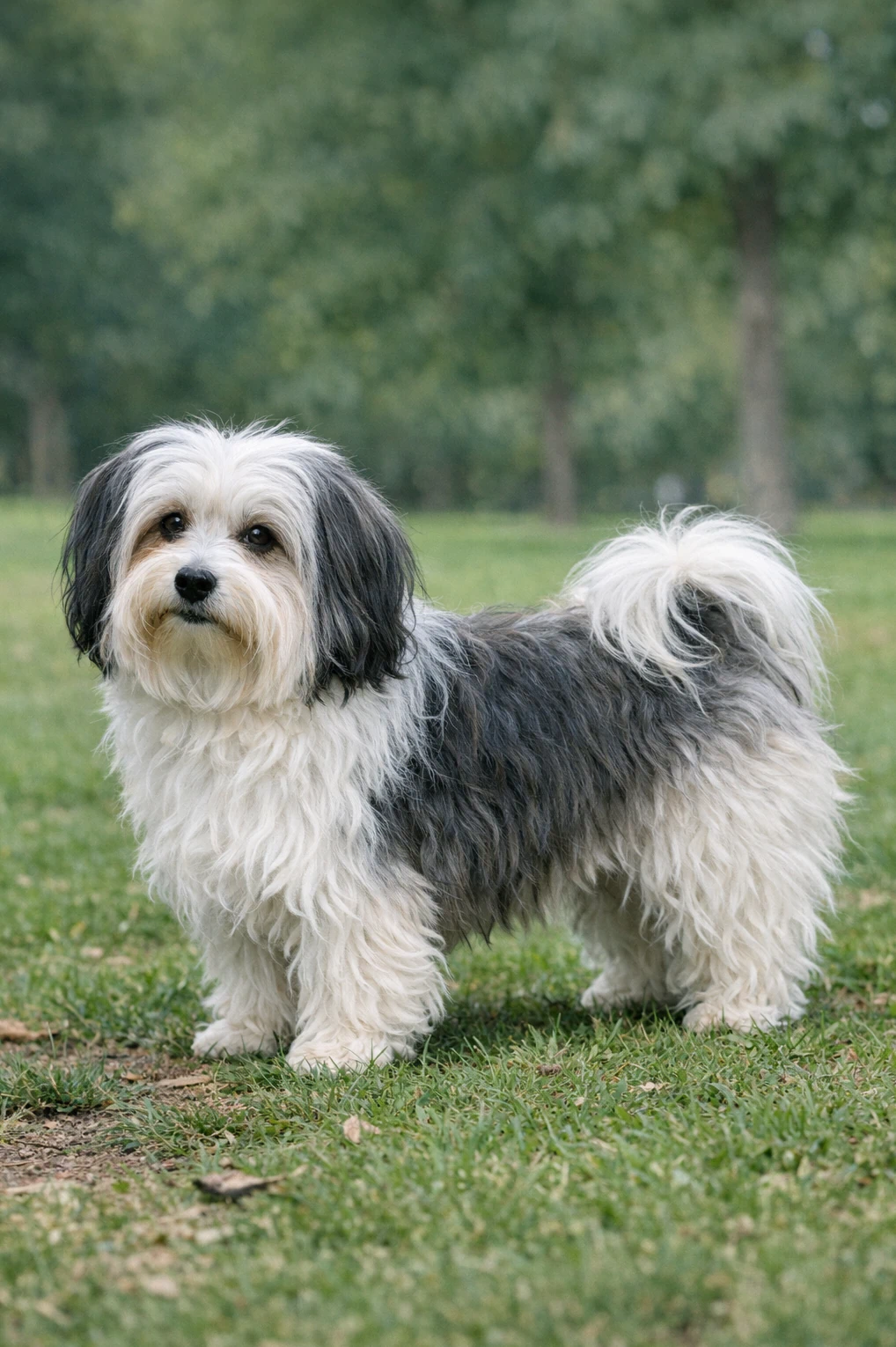
Best Dog Food for Russian Toy in 2026Based on Nutritional Science
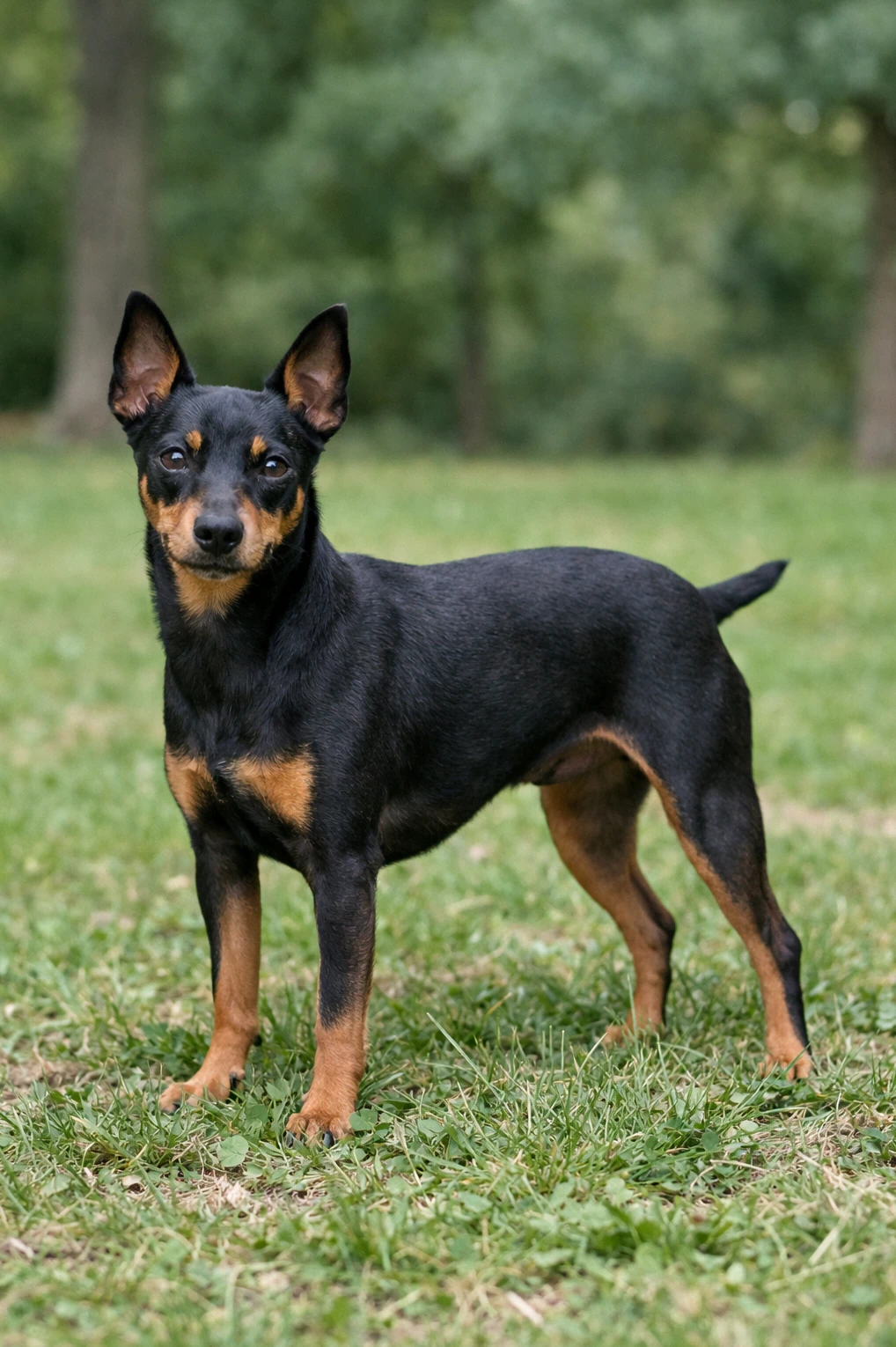
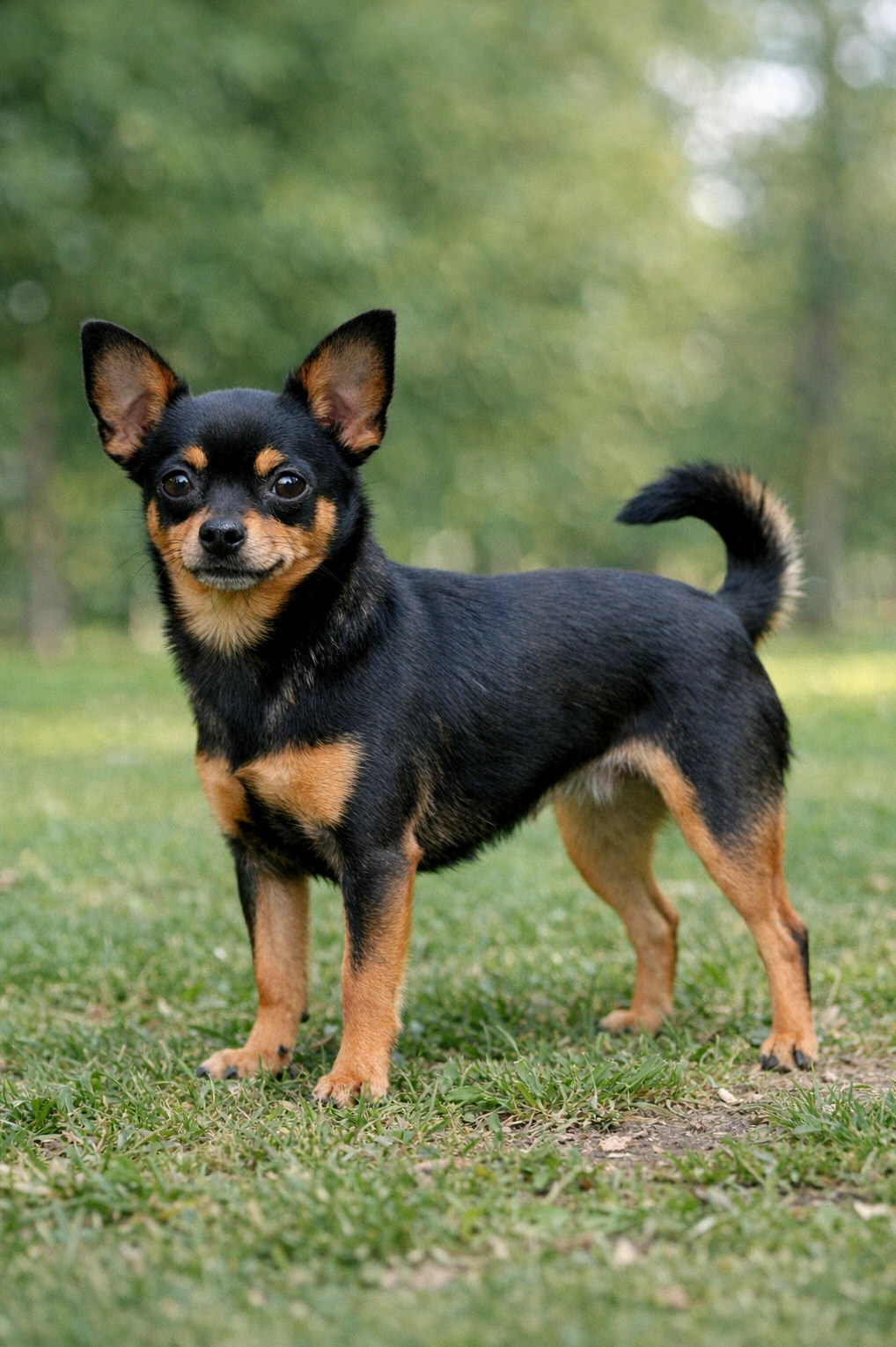
Small and sprightly at 8 to 11 inches and under 6.5 pounds, this affectionate, delightful, quick-minded companion thrives on calorie-controlled, nutrient-dense meals. Nutritional Verdict: small-breed formulas with frequent portions suit best.
Understanding the Russian Toy Metabolism and Energy Needs
As a tiny companion developed for close human company, these little dogs have energetic minds and devoted hearts, along with delicate bodies that need careful feeding. Their small size means fewer calories per meal, a fast metabolism, and a higher risk of low blood sugar, so meals should be compact and frequent.
High quality animal protein supports lean muscle and nerve function, while controlled healthy fats provide concentrated energy and keep skin and coat glossy. Long chain omega-3s help cognitive sharpness and inflammation control, while balanced calcium and phosphorus protect fragile bones without overloading growth.
Choose nutrient dense formulas or smaller kibble with added omegas and probiotics, and spread calories across several small feeds each day to steady glucose. Keep treats measured to avoid weight gain, and ask your vet about taurine or L-carnitine if heart or muscle support is needed.
Managing Russian Toy Genetic Health Risks Through Nutrition
Retained deciduous (puppy) teeth
Helpful nutrients
Periodontal disease and tartar buildup
Helpful nutrients
Eye disorders (progressive retinal atrophy and eye injuries)
Helpful nutrients
Patellar luxation (knee joint instability)
Helpful nutrients
Overweight and obesity
Helpful nutrients
Russian Toy Feeding & Calorie Calculator
Estimated Daily Calories
Tip: Start with this amount and adjust after 2–3 weeks based on your dog's body condition and weight trend.
This estimate provides a starting point for feeding. Individual calorie needs may vary depending on metabolism, body condition, and health status. Always monitor your dog's weight and consult your veterinarian when adjusting diet.
Foods and Ingredients to Avoid for Russian Toy Dogs
Because the Russian Toy is tiny and can be prone to weight gain, high-fat or calorie-dense treats can lead to rapid weight increase and extra strain on joints and the back.
Extra pounds are especially problematic if your dog has or might develop patellar luxation.
Keep treats small, low in fat, and count them toward daily calories.
Use tiny pieces of lean protein or healthy training treats so your pup stays at a comfortable weight and moves happily.
This breed has dental vulnerabilities, with retained baby teeth and early tartar build-up a common concern.
Very hard bones, antlers, and tough chew toys can fracture adult teeth or damage fragile deciduous teeth, leading to painful dental problems.
Choose softer dental-friendly chews and vet-approved options sized for toy breeds.
Supervise chewing to prevent choking, and consult your vet if you are unsure about suitability for your dog's mouth and bite.
Russian Toys do best with very small kibble because their mouths are small and their bite is delicate.
Large kibble or big chunks can be hard to pick up, encourage gulping, and increase the risk of choking or dental wear on a tiny mouth.
Pick foods formulated for toy breeds, or have your veterinarian recommend an appropriate size and texture. Smaller pieces make mealtimes easier, safer, and more comfortable for their teeth.
Sticky sweets, gum, and products containing xylitol are dangerous and should never be given to a Russian Toy.
Xylitol causes a rapid release of insulin in dogs, which can trigger life-threatening low blood sugar even at small doses in a tiny dog.
Sticky candies also cling to teeth and promote tartar and decay, making dental disease more likely.
Always check labels and keep sugary human treats well out of paws and reach.
Because of their small size, Russian Toys can suffer toxic effects from relatively small amounts of common human foods such as onions, garlic, chocolate, grapes, and raisins.
These items can damage red blood cells or affect the heart and nervous system.
Avoid sharing table scraps, and learn the common toxic foods for dogs. If you suspect ingestion, contact your veterinarian promptly, since quick action matters more with toy breeds.
Processed meats, salty snacks, and heavily spiced foods are too rich and salty for a Russian Toy's small system, and they can cause stomach upset, dehydration, or make weight control harder.
Spices may also irritate the mouth and eyes if your dog rubs at them.
Offer plain, lightly cooked lean proteins when sharing a bite and keep salty, spicy, and processed items off the menu.
Fresh water and vet-approved treats are safer choices for training and rewarding.
How Nutritional Needs Change Throughout the Russian Toy Life Stages
Dogs need different nutrition as they move from puppyhood to adulthood and into their senior years. Growth rate, activity level, and breed-specific health tendencies shape those changing needs. For a small, lively breed like the Russian Toy, calorie density, dental care, and nutrients that support vision and joint health are especially important at each stage.
| Life Stage | Age Range | Primary Objective | Key Nutrient Focus |
|---|---|---|---|
| Puppy | 0–10 months | controlled skeletal development, immune support, brain development | DHA, balanced calcium/phosphorus, high-quality protein |
| Adult | 10 months–8 years | lean muscle maintenance and sustained energy | high-quality protein, omega-3 fatty acids, fiber |
| Senior | 8+ years | joint mobility, metabolic health, and cognitive support | glucosamine, chondroitin, antioxidants, lower calories |
Russian Toy puppies grow quickly and reach adult size early, so their diet must support rapid tissue and brain growth without overloading the skeleton. Because they are toy sized, their bones finish developing sooner than larger breeds, so an appropriate balance of calcium and phosphorus matters more than extra calories.
Small puppies have high metabolisms and small stomachs, so feed several small meals a day to keep energy steady and reduce the risk of low blood sugar. Careful portioning helps prevent obesity as they mature and reduces strain on developing joints.
Provide high quality, digestible protein, DHA for brain and eye development, and controlled calcium levels suited to toy puppies. Also remember dental care early, since retained baby teeth and early tartar are common in this breed, so introduce tooth brushing and provide safe chew options.
Adult Russian Toys are small, active companions that need nutrient-dense food to meet energy needs in compact portions. High quality protein helps preserve lean muscle, while moderate fats provide concentrated energy without excess volume.
Because they are lively but easy to overfeed, choose a calorie level matched to their activity and monitor weight regularly. Consider kibble size and texture to support dental health, and keep up daily tooth brushing to prevent tartar and periodontal disease.
Include omega-3 fats for skin and coat, and antioxidants to support eye health given breed risks like PRA. Adjust portions when activity changes, for example during more indoor time or after neutering, to avoid weight gain.
As Russian Toys enter their senior years they may slow down, and their metabolism often decreases, so calorie needs typically drop. Watch body condition closely and trim portions slightly if activity falls, while keeping meals nutrient dense to prevent loss of lean mass.
Aging dogs can have dental pain and digestive changes, so offer smaller kibble or soft options and focus on highly digestible protein. Maintain dental care, and consider wetting dry food to make chewing easier if teeth are worn or missing.
Joint support with glucosamine, chondroitin, and omega-3 fatty acids can help mobility, and antioxidants support eye health and cellular resilience. Also screen for age-related conditions with your vet and adjust sodium, phosphorus, or protein if advised for kidney or other health concerns.
Kibble vs Fresh vs Raw for Russian Toy
Different feeding models suit different lifestyles, activity levels, and health needs.
For a tiny, smart, and loyal Russian Toy, dental health and careful portioning are especially important when choosing a diet.
Pros
- Easier to portion for tiny dogs, helping prevent overfeeding.
- Dry texture can help reduce tartar buildup between dental cleanings.
- Balanced small-breed formulas pack nutrients into smaller servings.
- Shelf-stable and generally more affordable over time.
Cons
- Low moisture content may not suit dogs that drink little.
- Some formulas include fillers or artificial additives.
- Kibble pieces might be hard for tiny mouths with dental issues.
- Calorie-dense options risk rapid weight gain if portions are too large.
Pros
- Highly palatable, great for picky Russian Toys.
- High moisture supports digestion and urinary health.
- You control ingredient quality and portion sizes.
- Easier to modify for dental-friendly textures.
Cons
- Requires careful planning to meet all nutrient needs.
- More time consuming and needs refrigeration.
- Can be pricier than kibble long term.
- Risk of imbalance if not guided by a vet or nutritionist.
Pros
- Mimics natural prey, high in whole proteins.
- Some owners report shinier coats and more energy.
- Soft, chewable textures can suit tiny jaws if bones are handled safely.
Cons
- Higher infection risk without strict hygiene and storage.
- Raw bones pose choking or dental damage risks for tiny teeth.
- Hard to ensure balanced vitamins and minerals without professional recipes.
- May be impractical for apartment living or shared kitchens.
| Diet Type | Pros for Russian Toy | Potential Downsides |
|---|---|---|
| High-Quality Kibble |
|
|
| Fresh Cooked Food |
|
|
| Raw Diet (BARF) |
|
|
Our Recommendation
Many Russian Toy owners find that high-quality small-breed kibble or vet-designed fresh cooked diets balance convenience, palatability, and dental care.
Raw feeding can work for some, but it requires strict hygiene and veterinary guidance because of size and dental risks.
See Also
Breeds with similar group, size, and coat characteristics