Best Dog Food for Curly-Coated Retriever in 2026Based on Nutritional Science
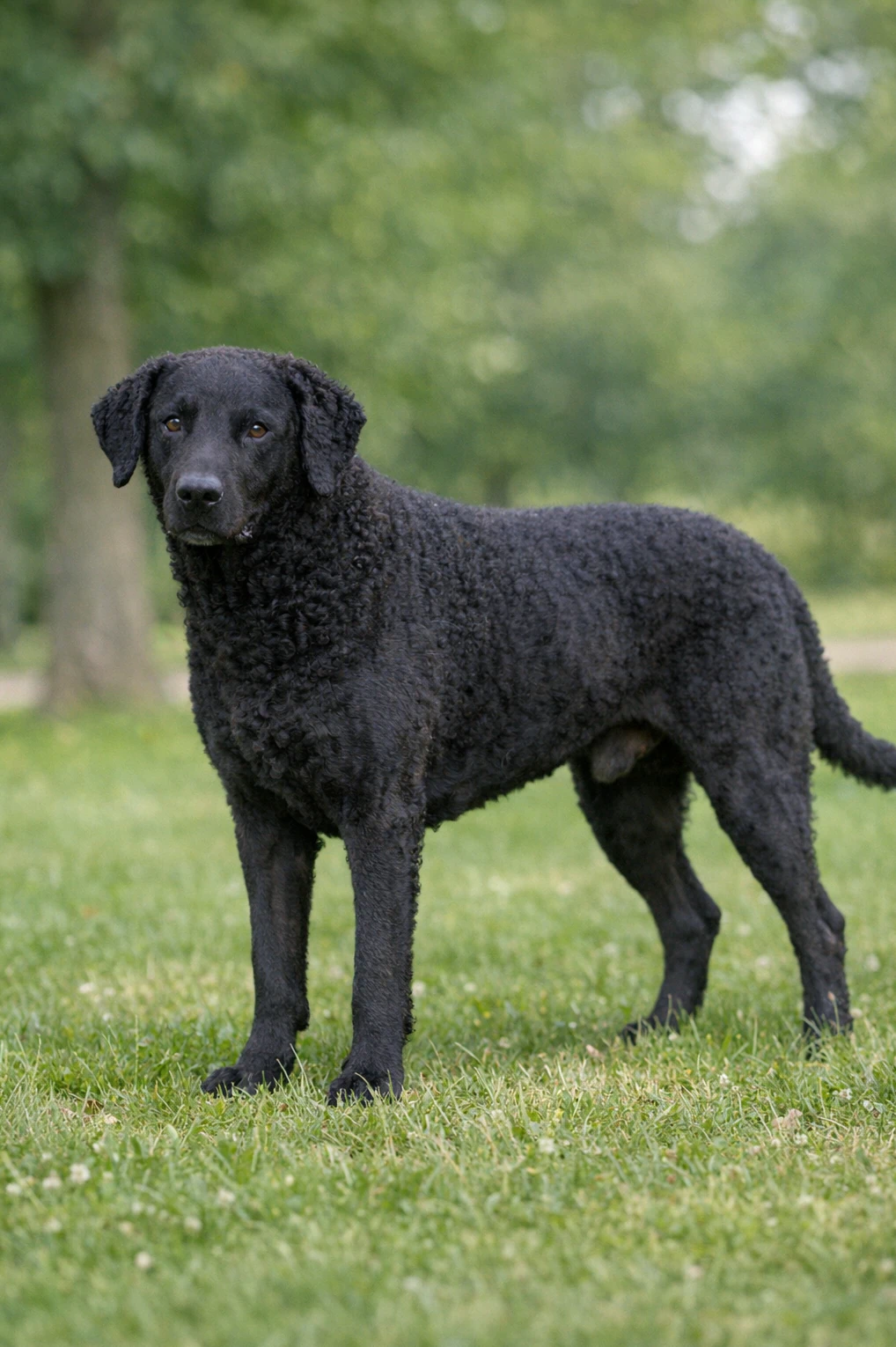
Large, athletic dog standing about 25 to 27 inches and weighing 60 to 95 pounds. Self-assured and dignified with sharp intelligence. Nutritional verdict: active lifestyle needs protein-rich, balanced meals and controlled calories for lean muscle.
Understanding the Curly-Coated Retriever Metabolism and Energy Needs
As a water-working dog bred to fetch game, this type thrives on a diet that supports bursts of speed and steady stamina. Maintaining strong, lean muscle and a dense insulating coat means higher levels of quality protein to repair tissue and fuel endurance.
Mental sharpness and an independent nature call for nutrients that support brain health and steady focus. Long-chain omega-3s, especially DHA, aid cognition, while moderate, low-glycemic carbohydrates provide consistent energy without crashes.
A feeding plan with elevated animal protein, moderate healthy fats and limited simple starches fits this profile. Include fish oil for skin and coat health, biotin for hair quality, and glucosamine or chondroitin for joint resilience. Whole-food proteins like fish or poultry, complex carbs such as sweet potato, and targeted supplements support an active, clever companion.
Managing Curly-Coated Retriever Genetic Health Risks Through Nutrition
Hip Dysplasia
Helpful nutrients
Eye Conditions
Helpful nutrients
Heart Disease
Helpful nutrients
Cancer
Helpful nutrients
Gastric Dilatation-Volvulus (Bloat)
Helpful nutrients
Obesity
Helpful nutrients
Curly-Coated Retriever Feeding & Calorie Calculator
Estimated Daily Calories
Tip: Start with this amount and adjust after 2–3 weeks based on your dog's body condition and weight trend.
This estimate provides a starting point for feeding. Individual calorie needs may vary depending on metabolism, body condition, and health status. Always monitor your dog's weight and consult your veterinarian when adjusting diet.
Foods and Ingredients to Avoid for Curly-Coated Retriever Dogs
Curly-Coated Retrievers are a large, deep-chested breed, which increases their risk of gastric dilatation volvulus, also called bloat.
To reduce that risk, avoid one very large meal and discourage rapid gulping, which can fill and twist the stomach quickly.
Offer two or three smaller meals a day, avoid vigorous exercise for an hour before and after eating, and skip elevated bowls if your vet advises.
Small changes in feeding routine can make a big difference for this breed.
High-fat treats and rich table scraps can quickly lead to obesity in a Curly-Coated Retriever, putting extra stress on their hips and back and increasing health risks.
High-fat meals can also trigger pancreatitis, which requires immediate veterinary care and can be serious.
Stick to lean protein and measured treats for training, and discuss appropriate calorie targets with your vet to help keep your dog fit and active throughout adulthood.
While some owners feed raw diets, Curly-Coated Retrievers can be exposed to harmful bacteria like Salmonella or E. coli when given raw or undercooked meats and eggs.
Raw feeding also raises concerns about nutrient balance and may pose a higher risk of infection for households with young children or immunocompromised people.
If you are considering raw, talk with your veterinarian or a veterinary nutritionist to design a balanced plan and follow strict hygiene to reduce bacterial risks.
Cooked bones can splinter and cause mouth or intestinal injuries, while very hard chews risk breaking teeth, both of which are unpleasant and potentially dangerous for a Curly-Coated Retriever.
Large-breed dogs can swallow sizable fragments that lead to blockages requiring surgery.
Offer vet-approved, size-appropriate chews and supervise chewing sessions. If you prefer natural bones, discuss safe options with your vet to lower the chance of harm.
Cured and processed meats are high in salt and preservatives, which aren't suitable for a breed that can gain weight if overtreated.
Some processed foods also contain nitrites and additives that are best avoided given general cancer concerns in the breed.
Keep human junk food, salty snacks, and preserved meats away from your Curly.
Instead, choose low-sodium, lean proteins and vet-recommended treats, and always check with your veterinarian before offering new human foods.
Certain common human foods are toxic to dogs and should never be offered to a Curly-Coated Retriever.
Grapes and raisins can cause kidney failure, chocolate and xylitol are dangerous even in small amounts, and onions and garlic can damage red blood cells.
Keep these items well out of reach, learn the signs of poisoning, and contact your veterinarian or an emergency clinic immediately if you suspect ingestion.
How Nutritional Needs Change Throughout the Curly-Coated Retriever Life Stages
Dogs need different nutrition at puppyhood, adulthood, and senior years because growth, activity, and health risks change over time. For a Curly-Coated Retriever these needs are shaped by a large, fast-growing frame, high energy and certain health tendencies like hip concerns, cancer risk and bloat. Feeding choices should reflect the breed growth rate, activity level and common health tendencies.
| Life Stage | Age Range | Primary Objective | Key Nutrient Focus |
|---|---|---|---|
| Puppy | 0–18 months | controlled skeletal development, immune support, brain development | DHA, balanced calcium/phosphorus, high-quality protein |
| Adult | 1.5–5 years | lean muscle maintenance and sustained energy | high-quality protein, omega-3 fatty acids, fiber |
| Senior | 5+ years | joint mobility, metabolic health, and cognitive support | glucosamine, chondroitin, antioxidants, lower calories |
Puppies of the Curly-Coated Retriever grow into a large, athletic body so their early months focus on steady, controlled growth rather than rapid weight gain. Proper skeletal development needs a balanced calcium to phosphorus ratio, high quality protein and moderate fat, along with DHA for brain and eye development and antioxidants to support the immune system.
Feed small, frequent meals, three to four times daily for young puppies, so calories are spread and growth is gradual. Use slow feeder bowls and avoid heavy exercise before and after meals to reduce the risk of bloat, a serious concern in this breed. Work with your breeder or veterinarian to follow a large breed puppy feeding plan and adjust portions based on growth and body condition.
Adult Curly-Coated Retrievers are strong, active dogs that need nutrition to support muscle maintenance and steady energy. Choose a diet with high quality protein to preserve lean mass, moderate fat for fuel and omega-3 fatty acids to keep the coat healthy and help joint comfort. Mental stimulation matters too, since this wickedly smart, confident breed burns energy with games and training.
Feeding twice daily fits most adult Curlies, and portion sizes should be adjusted to activity level, age and metabolism. For very active working dogs, increase calories and ensure frequent exercise. For more sedentary pets, consider a formula for large breeds with slightly lower calorie density and joint-supporting nutrients like glucosamine and chondroitin.
As Curly-Coated Retrievers enter their senior years they often experience slower metabolism, reduced activity and changes in digestion. Older dogs may lose muscle even if body fat seems stable, so maintain high quality, easily digestible protein to preserve lean mass while slightly reducing total calories if activity drops. Antioxidants like vitamins E and C, plus omega-3 fatty acids, can support brain health, coat condition and cellular repair which is especially useful given the breed's cancer concerns.
Joint support becomes very important, so look for diets or supplements with glucosamine, chondroitin and EPA/DHA to ease mobility. Increased fiber, probiotics and moisture in the diet can help digestion, and softer kibble or wet food may be easier if dental wear is present. Continue feeding smaller, regular meals and monitor weight and appetite closely, contacting your veterinarian for tailored adjustments.
Kibble vs Fresh vs Raw for Curly-Coated Retriever
Different feeding models suit different lifestyles, activity levels, and health considerations like bloat. Choose a plan that matches your Curly's energy, age, and your daily routine.
Pros
- Convenient and easy to portion for busy owners of large, active dogs.
- Many formulas support joints and large-breed needs.
- Consistent, balanced nutrition helps maintain healthy weight and energy.
- Dry kibble can help reduce tartar buildup through chewing.
Cons
- Lower moisture may not suit dogs that drink little water.
- Some lower-quality brands contain fillers and additives; read labels.
- Eating kibble too quickly can increase bloat risk in deep-chested dogs.
- Less variety may bore an intelligent, curious breed.
Pros
- Highly palatable, great for picky or performance-minded Curly-Coated Retrievers.
- High moisture supports digestion and healthy hydration.
- Allows precise control over proteins, fats, and supplements for joints.
- Can be tailored for recovery or higher activity days.
Cons
- Requires careful recipes to ensure complete, balanced nutrition.
- More costly and time-consuming than kibble for most households.
- Needs refrigeration and planning for outings and travel.
- Improper preparation risks nutrient gaps or contamination.
Pros
- High protein and minimal processing appeal to many active retrievers.
- Some owners report shinier coats and increased energy.
- Can be tailored for ancestral-style feeding while controlling portions.
Cons
- Strict hygiene required to avoid bacterial contamination in the home.
- Whole bones and raw parts pose choking or dental risks.
- Balancing calcium, phosphorus, and essential nutrients is challenging.
- Requires veterinary or nutritionist guidance to ensure safety and balance.
| Diet Type | Pros for Curly-Coated Retriever | Potential Downsides |
|---|---|---|
| High-Quality Kibble |
|
|
| Fresh Cooked Food |
|
|
| Raw Diet (BARF) |
|
|
Our Recommendation
For most Curly-Coated Retrievers, high-quality kibble or a well-planned fresh cooked diet offers the best balance of convenience and nutrition.
If you consider raw, consult your vet and plan carefully. Always portion meals mindfully and avoid vigorous exercise around feeding to reduce bloat risk.
See Also
Breeds with similar group, size, and coat characteristics