Best Dog Food for Bracco Italiano in 2026Based on Nutritional Science
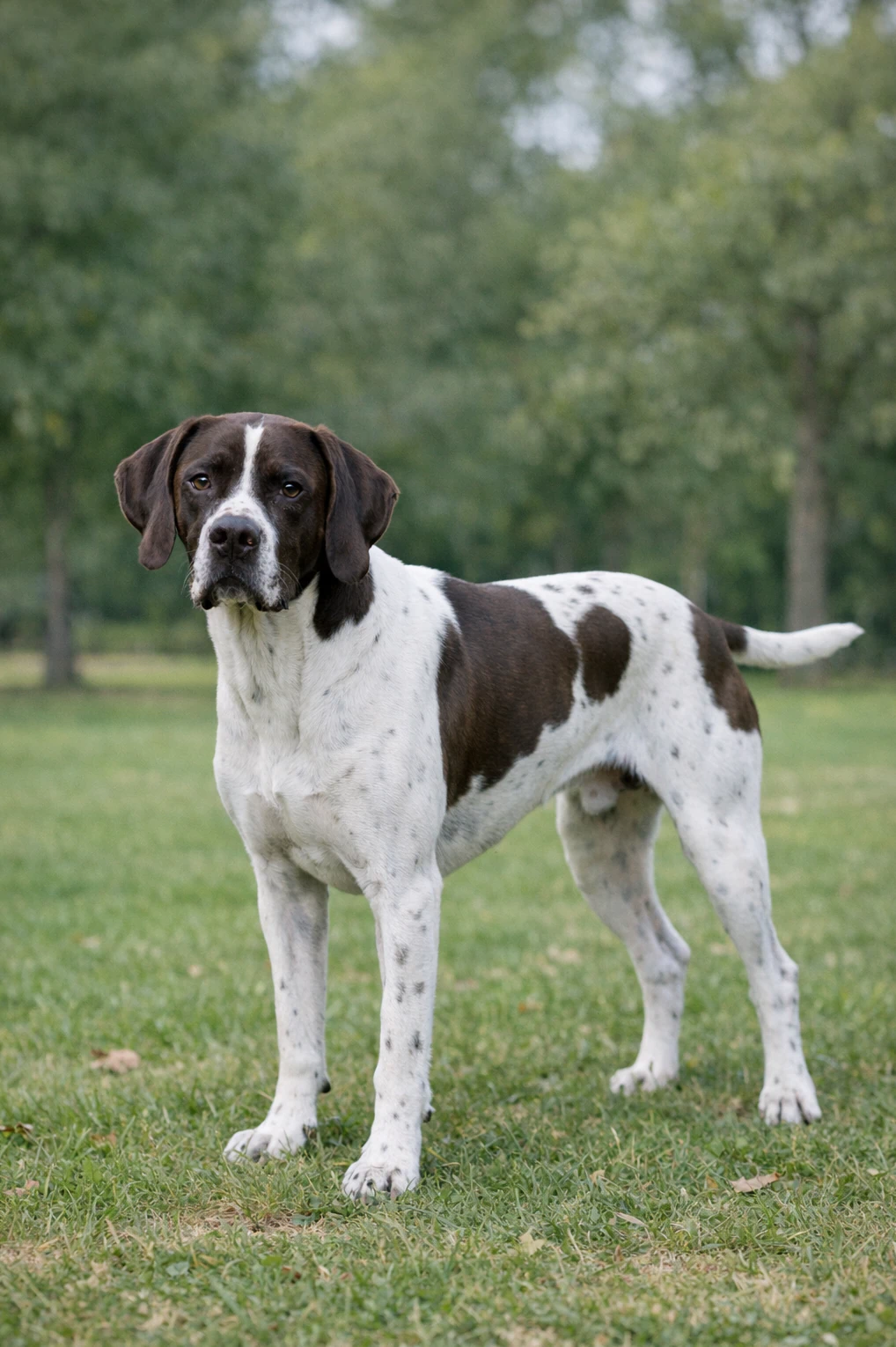
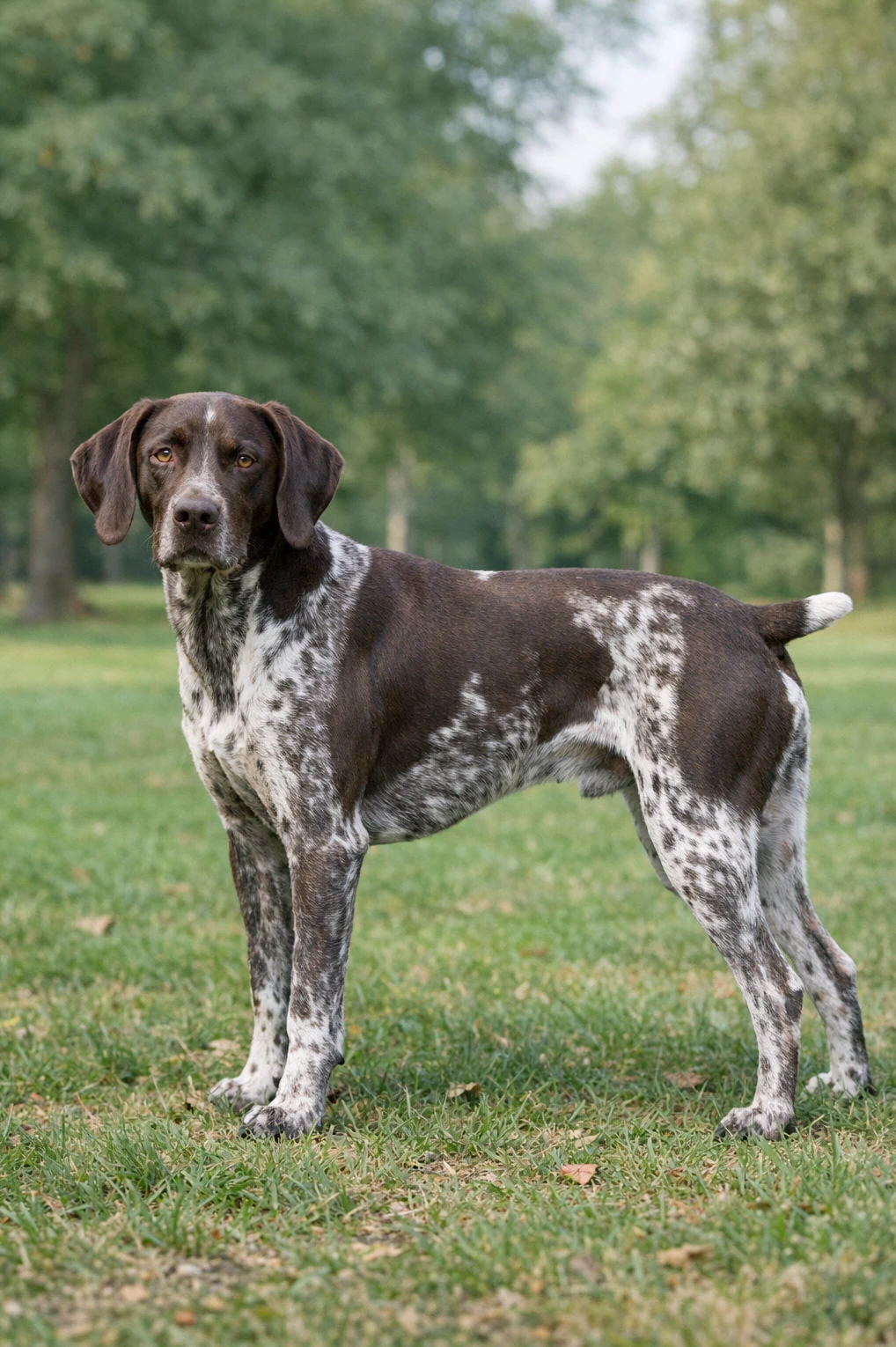
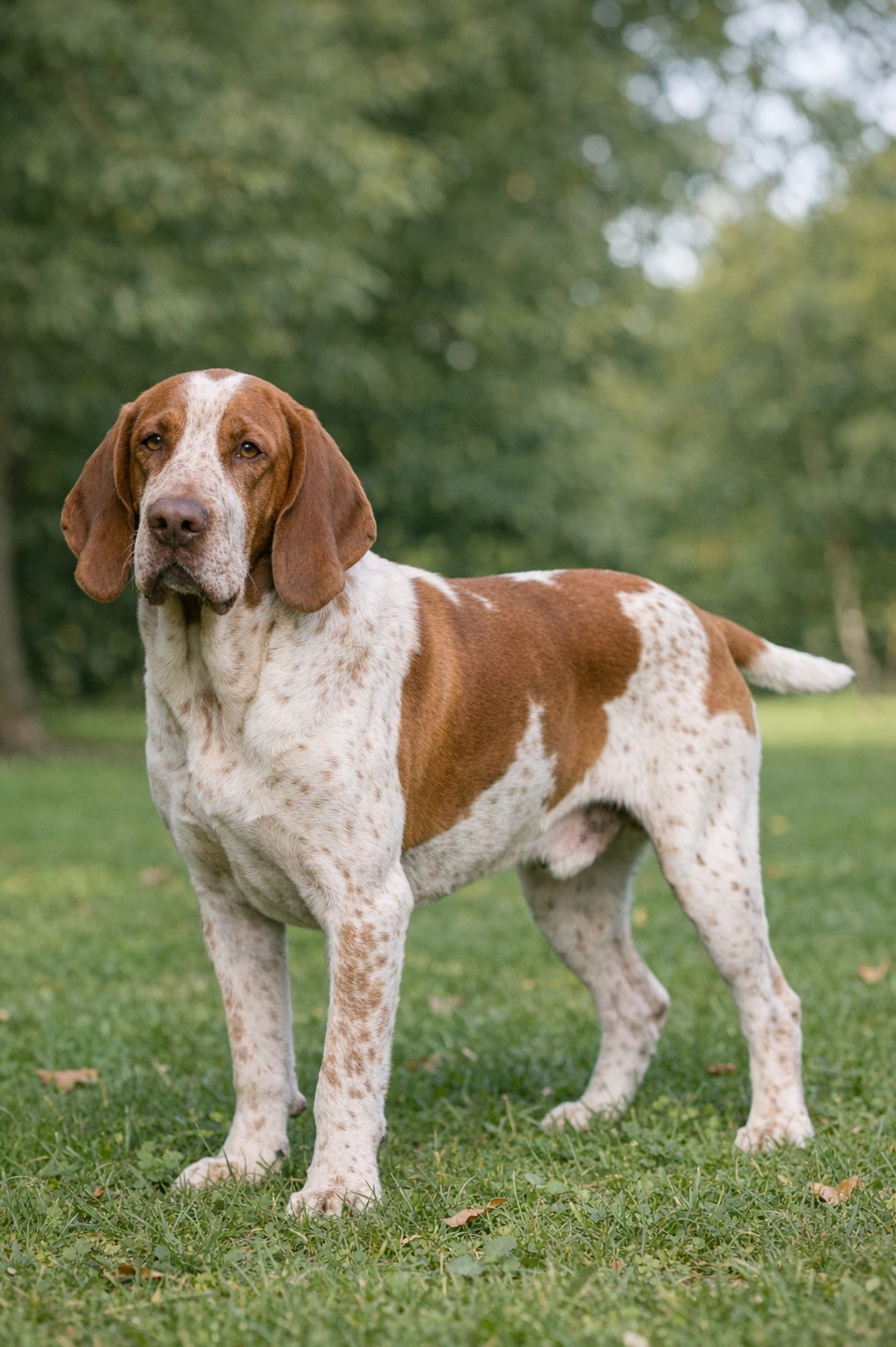
Bracco Italiano: a large, clever and devoted hunting companion, standing 21 to 27 inches and weighing 55 to 90 pounds. Nutritional verdict: needs high-quality protein and balanced fats to support activity and lean muscle.
Understanding the Bracco Italiano Metabolism and Energy Needs
This classic pointing dog from Italy was built to work in the field, pairing sharp problem-solving with a warm, people-focused nature and a lively drive. That history means diets should support sustained activity and close companionship.
High quality animal protein helps preserve the long, lean muscle used for steady stalking and pointing, so aim for diets where protein is a significant portion of calories, roughly 26–32% on a dry matter basis. Moderate to rich fats supply concentrated fuel for bursts of scenting and steady work, and help keep skin and coat glossy.
Carbohydrates should favor slow-release sources like sweet potato or brown rice to avoid energy spikes, while fiber supports digestion. Supplemental omega-3 fatty acids aid brain function and joint health, and glucosamine or chondroitin can help maintain mobility in active adults. Together these choices reflect the dog's working past and gentle home life.
Managing Bracco Italiano Genetic Health Risks Through Nutrition
Hip & Elbow Dysplasia
Helpful nutrients
Eye Anomalies (Entropion, Ectropion, Cataracts)
Helpful nutrients
Renal Disorders (Renal Amyloidosis)
Helpful nutrients
Ear Infections
Helpful nutrients
Obesity
Helpful nutrients
Growth-related Orthopedic Stress (Puppies)
Helpful nutrients
Bracco Italiano Feeding & Calorie Calculator
Estimated Daily Calories
Tip: Start with this amount and adjust after 2–3 weeks based on your dog's body condition and weight trend.
This estimate provides a starting point for feeding. Individual calorie needs may vary depending on metabolism, body condition, and health status. Always monitor your dog's weight and consult your veterinarian when adjusting diet.
Foods and Ingredients to Avoid for Bracco Italiano Dogs
Bracco Italians can be prone to weight gain, and high-fat foods quickly add excess calories that lead to unwanted weight and joint stress.
Fatty table scraps, greasy leftovers, and fried foods also raise the risk of digestive upset and pancreatitis, which can be serious.
Stick to lean protein sources and measured portions, and reserve fatty treats for rare occasions after checking with your veterinarian so your Bracco stays trim and comfortable.
Treats are useful for training, but too many high-calorie or large treats are a common cause of obesity in this breed.
Extra pounds increase pressure on hips and elbows and can worsen long-term joint health over time.
Choose low-calorie treats, break rewards into tiny pieces during training, and account for treat calories in the daily ration to help maintain a healthy weight for your Bracco.
Bracco puppies grow quickly, and diets with excessive calcium or imbalanced minerals can contribute to developmental orthopedic problems.
Over-supplementing with bone meal, unbalanced homemade recipes, or adult-formula feed for growing pups can interfere with proper bone development.
Feed an age-appropriate, veterinarian-recommended diet for large-breed puppies and avoid adding extra mineral supplements unless directed by your vet to protect healthy joint and bone growth.
This breed has some predisposition to kidney issues, so high-sodium foods and salty snacks put extra strain on kidneys and can affect blood pressure.
Processed human foods, cured meats, and salty snack items offer little nutrition and may worsen underlying renal concerns.
Keep salty human foods out of reach, provide fresh water at all times, and choose low-sodium dog food options if your veterinarian recommends extra kidney support.
Grapes and raisins are toxic to dogs and can cause acute kidney failure in some individuals, which is particularly concerning for a breed with potential renal conditions.
Even small amounts can be unpredictable in their effect, so it is best to avoid these entirely.
Other human foods such as certain scented doughs, some nuts, and repeated exposure to substances known to harm kidneys should also be kept away, and call your vet right away if ingestion occurs.
Because Bracco Italians are medium to large dogs with strong jaws, small hard bones and inappropriate chews present choking hazards and risk broken teeth or intestinal blockage.
Splintering bones can cause cuts or perforations in the mouth and gut, which require emergency care.
Offer appropriately sized, vet-approved chews and supervise chew time, avoiding cooked bones and very hard items, to protect dental health and prevent potentially dangerous obstructions.
How Nutritional Needs Change Throughout the Bracco Italiano Life Stages
Braccos, like all dogs, have shifting nutritional needs as they move from puppyhood to adulthood and into their senior years. Their large, fast-growing bodies, enthusiastic activity level, and breed-specific health tendencies such as hip and elbow issues, eye anomalies, and kidney concerns influence what and how much they should eat. Tailoring calories, calcium and protein, and monitoring weight helps support healthy growth and long-term vitality.
| Life Stage | Age Range | Primary Objective | Key Nutrient Focus |
|---|---|---|---|
| Puppy | 0–18 months | controlled skeletal development, immune support, brain development | DHA, balanced calcium/phosphorus, high-quality protein |
| Adult | 1.5–5 years | lean muscle maintenance and sustained energy | high-quality protein, omega-3 fatty acids, fiber |
| Senior | 5+ years | joint mobility, metabolic health, and cognitive support | glucosamine, chondroitin, antioxidants, lower calories |
Bracco Italiano puppies grow quickly and will put on length and mass through their first year, so controlled, steady growth is essential to protect developing bones and joints. Because they are a giant, enthusiastic breed, excess calories or too-rapid weight gain can raise the risk of hip and elbow dysplasia, so aim for a diet formulated for large or giant breed puppies with balanced calcium and phosphorus levels and high quality, digestible protein.
Feed smaller, regular meals three to four times a day while they are young to help steady energy and reduce stress on the skeleton, then transition to two meals as they near adulthood. Monitor body condition, avoid high-impact exercise on hard surfaces until at least one year of age, and keep an eye on long ears to prevent infections that might distract from appetite or growth.
Adult Bracco Italianos are muscular, energetic dogs that need a diet to support lean mass and steady endurance during walks and field work. Aim for a high quality protein intake to maintain muscle, with moderate fat for concentrated energy, while keeping overall calories appropriate for their activity level to prevent excess weight which stresses hips and elbows.
Provide two measured meals a day, adjust portions based on daily exercise, and include omega-3 fatty acids to support healthy joints and coat. Regular body condition checks and routine health screenings for hips, elbows and eyes help tailor nutrition, and keep ears clean to avoid infections that can reduce appetite or activity.
As Braccos enter their senior years their metabolism often slows and activity levels typically drop, which means calorie needs will often decrease. Age can also affect digestion and joint comfort, especially given the breed's size and predisposition to hip and elbow issues, so focus on nutrient-dense food that delivers high quality protein in slightly smaller amounts to help preserve muscle without excess calories.
Support mobility with joint-friendly nutrients such as glucosamine, chondroitin and omega-3s, and include antioxidants like vitamin E and beta-carotene to support eye and cellular health given the breed's risk of eye anomalies. Because some Braccos may be prone to kidney concerns, schedule regular vet screenings and follow professional advice about protein and phosphorus levels, while keeping meals regular and easy to digest.
Kibble vs Fresh vs Raw for Bracco Italiano
Different feeding models suit different lifestyles and health needs. For Bracco Italianos, activity level, growth rate, and joint and kidney considerations help guide your choice.
Pros
- Convenient and easy to portion for busy owners.
- Large-breed formulas support joint health with glucosamine or chondroitin.
- Consistent, balanced nutrition helps steady growth in puppies.
- Crunchy texture can aid dental hygiene.
Cons
- Some formulas contain fillers or low-quality ingredients.
- Lower moisture content may not suit dogs that need extra hydration.
- Calorie-dense formulas can promote rapid growth and excess weight if not portioned.
- Puppies need careful calcium and phosphorus balance to avoid orthopedic stress.
Pros
- Highly palatable and great for picky Bracco appetites.
- High moisture content supports hydration and kidney health.
- You control protein and minerals to support steady large-breed growth.
- Easily adjusted to avoid ingredients that trigger skin or ear issues.
Cons
- Time consuming to prepare and plan balanced recipes.
- Mistakes in calcium or vitamin balance can harm developing joints.
- More expensive over time than many kibbles.
- Requires refrigeration and careful storage to prevent spoilage.
Pros
- Often very palatable and appealing to enthusiastic eaters.
- High-quality protein supports lean muscle for active Braccos.
- Some owners report improved coat condition and energy.
- Can include raw cartilage for natural joint-supporting nutrients.
Cons
- Increased bacterial risk requires strict hygiene and safe handling.
- Whole bones can pose choking or dental hazards if not managed.
- Balancing vitamins, minerals, and calcium is challenging for large breeds.
- High protein plans may need veterinary oversight with kidney concerns.
| Diet Type | Pros for Bracco Italiano | Potential Downsides |
|---|---|---|
| High-Quality Kibble |
|
|
| Fresh Cooked Food |
|
|
| Raw Diet (BARF) |
|
|
Our Recommendation
Many Bracco owners find high-quality large-breed kibble provides reliable, balanced nutrition and easy portion control.
Fresh cooked or safely managed raw diets can work well for owners who can ensure proper balance and veterinary guidance.
Prioritize gradual growth, joint support, and regular vet checks to keep your Bracco thriving.
See Also
Breeds with similar group, size, and coat characteristics