Best Dog Food for Vizsla in 2026Based on Nutritional Science
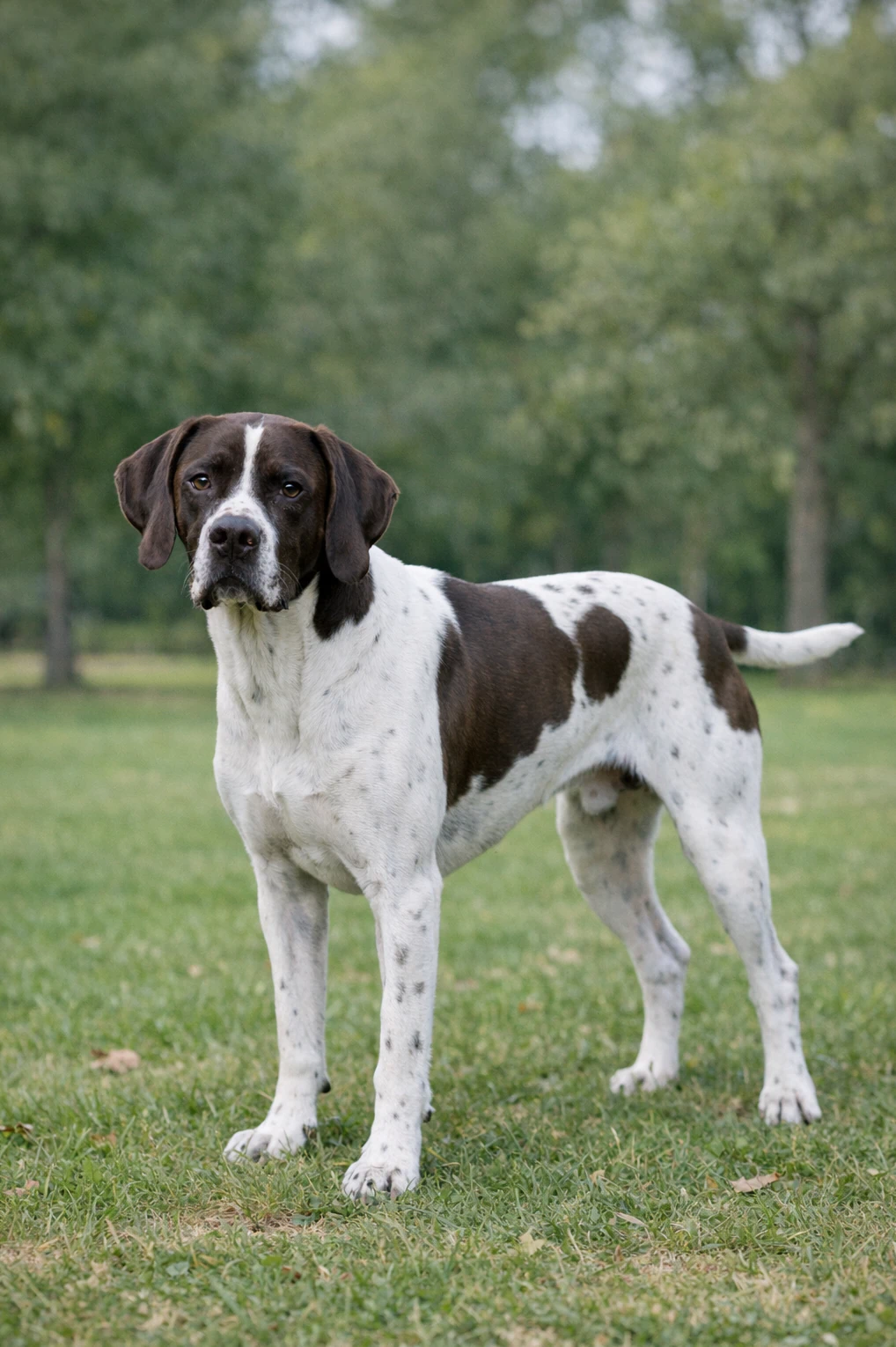
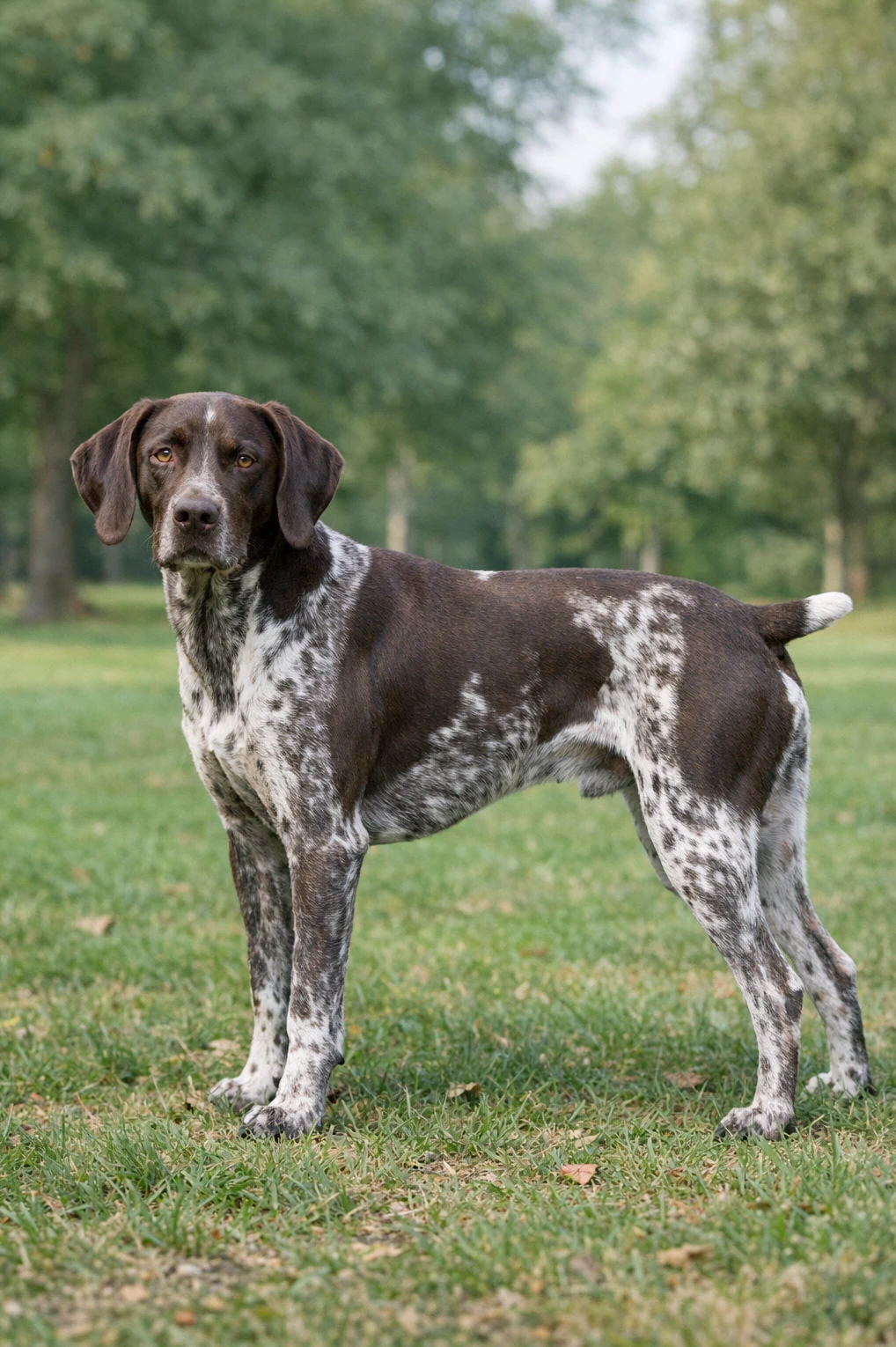
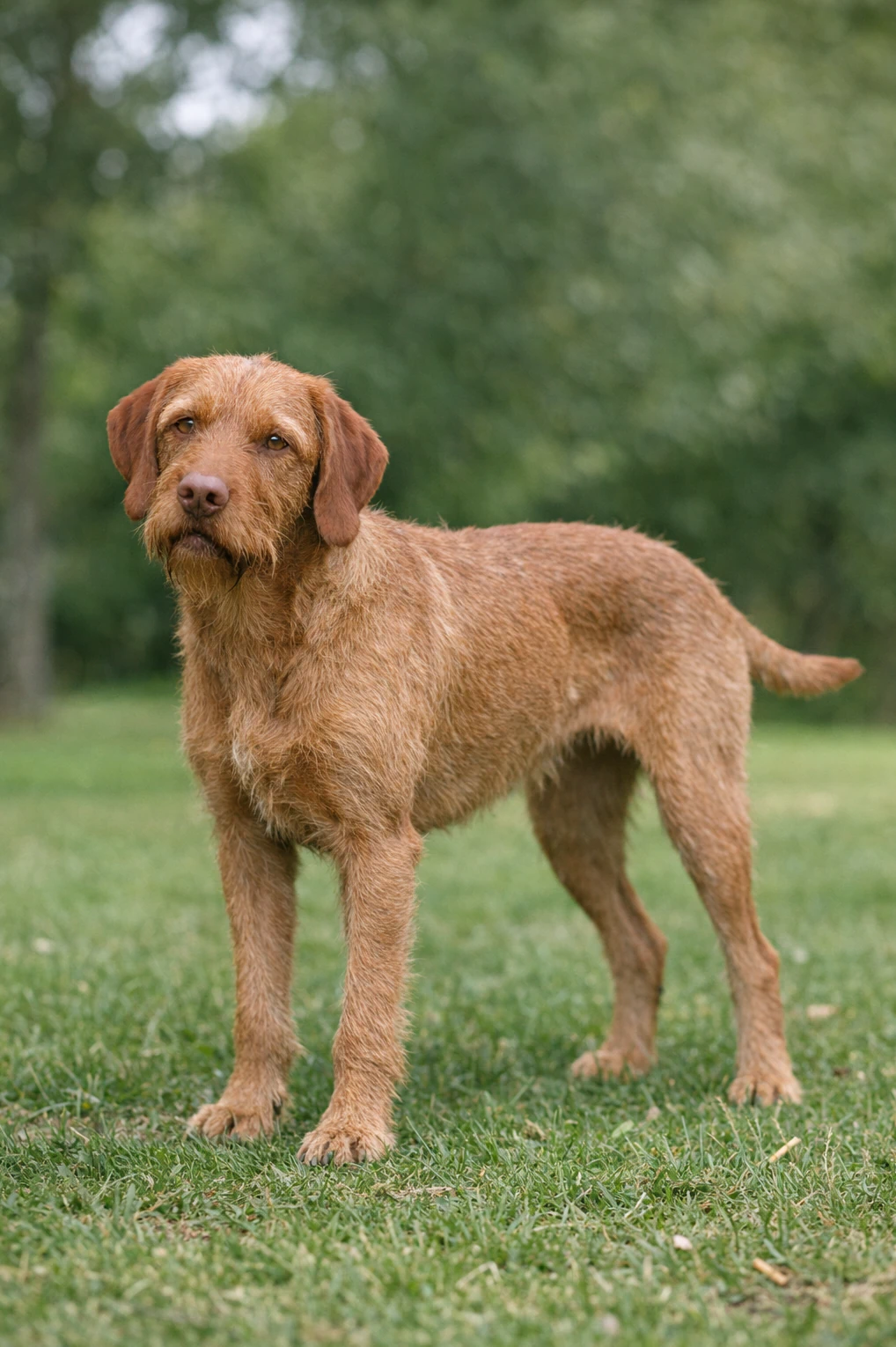
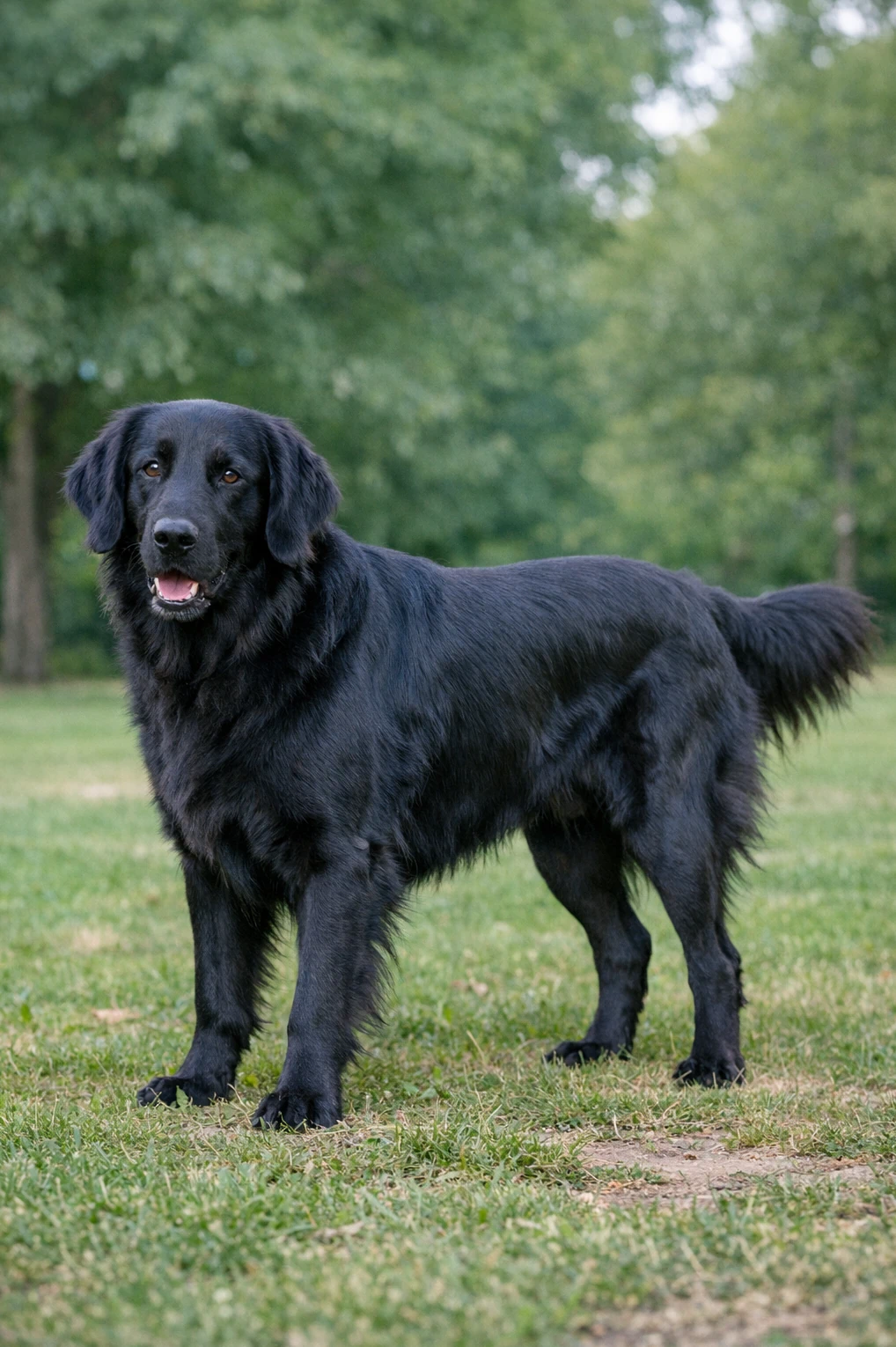
Vizsla males stand about 22-24 inches tall and weigh roughly 55-60 pounds.
Lively, loving, and mild-mannered, they thrive on high-quality protein and regular feeding to support activity. Nutritional Verdict: Balanced, protein-focused diet.

Understanding the Vizsla Metabolism and Energy Needs
As a dog bred to work in the field, the Vizsla needs fuel that supports sustained activity and quick bursts of speed while staying lean and responsive. Prioritize high quality animal protein to preserve muscle and help recovery after runs, with options like chicken, turkey, or fish. Moderate healthy fats provide concentrated energy for long outings and keep skin and coat in top condition, while limiting starchy fillers helps prevent energy dips and unwanted weight gain.
Because these dogs thrive on close human company and steady mental engagement, nutrients that support brain and gut health are important. Omega-3s (EPA and DHA) aid cognitive focus and skin health, glucosamine can help protect joints from repetitive impact, and B vitamins support brisk metabolism. For growing pups, a careful calcium to phosphorus balance prevents bone issues. Tailoring meals around real proteins, smart fats, and targeted supplements supports the Vizsla’s active, people-oriented lifestyle.
Managing Vizsla Genetic Health Risks Through Nutrition
Cancer
Helpful nutrients
Seasonal Allergies
Helpful nutrients
Eye Disorders (melanosis, entropion)
Helpful nutrients
Hip Dysplasia
Helpful nutrients
Epilepsy
Helpful nutrients
Ear Infections
Helpful nutrients
Obesity
Helpful nutrients
Vizsla Feeding & Calorie Calculator
Estimated Daily Calories
Tip: Start with this amount and adjust after 2–3 weeks based on your dog's body condition and weight trend.
This estimate provides a starting point for feeding. Individual calorie needs may vary depending on metabolism, body condition, and health status. Always monitor your dog's weight and consult your veterinarian when adjusting diet.
Foods and Ingredients to Avoid for Vizsla Dogs
Vizslas can be active and lean, but some are prone to gaining extra weight if calories and fat are not watched.
High-fat table scraps, fatty cuts of meat, and greasy treats can add calories quickly and raise the chance of obesity, which stresses joints and can worsen hip concerns.
Keep to lean protein and measured portions, and avoid sharing rich human foods.
If you worry about weight or digestive upsets, check with your vet for a balanced plan that fits your dog’s activity level.
Because male Vizslas reach about 22 to 24 inches and 55 to 60 pounds, puppies need steady, controlled growth.
Diets that are too calorie dense or that supply excess calcium can encourage overly rapid growth, which may contribute to joint problems later on.
Choose a large-breed puppy formula when young and follow feeding guides from your vet.
Avoid free feeding and sudden diet changes, and keep growth steady with portion control and regular weigh-ins.
Some Vizslas develop seasonal skin or food sensitivities that show up as itchy skin, ear infections, or digestive upset.
Common culprits include beef, dairy, wheat, soy, and sometimes chicken, so feeding the same protein every day can make allergies harder to spot.
If your dog has recurrent ear issues or skin flare-ups, speak with your vet about an elimination diet or rotation of novel proteins.
Finding a single tolerated protein can improve comfort and reduce itching.
Ingredients like BHA, BHT, and artificial colors can be irritating for dogs with sensitive skin or digestion.
Vizslas that are prone to allergies or skin conditions may show more scratching, red patches, or loose stool when eating heavily processed foods with synthetic additives.
Opt for foods preserved naturally and read labels for simple ingredient lists. A cleaner ingredient profile can help reduce flare-ups and keep coat and tummy healthier.
Salted human snacks, processed meats, and heavily seasoned foods can be harmful, even for active Vizslas.
Excess sodium can lead to dehydration and strain the cardiovascular system, and seasoned foods often contain onion, garlic, or other spices that are toxic to dogs.
Stick to plain, low-sodium options and avoid deli meats or chips as treats. Fresh water and vet-approved snacks are a safer way to reward good behavior.
Grapes and raisins can cause sudden kidney failure in dogs, while xylitol, a common sweetener in sugar-free gum and baked goods, can trigger dangerous drops in blood sugar and liver problems.
Chocolate is also toxic and can cause vomiting, tremors, and heart issues.
Keep these items securely out of reach and teach family and guests not to feed table treats.
If accidental ingestion occurs, contact your veterinarian or an emergency clinic right away.
How Nutritional Needs Change Throughout the Vizsla Life Stages
Dogs need different nutrition at puppyhood, adulthood, and their senior years, because growth, activity and health risks change with age. Breed traits like a Vizsla's fast growth, high energy and certain genetic tendencies influence how much and what to feed. Adjusting calories, protein and key nutrients helps keep them strong, active and comfortable through each life stage.
| Life Stage | Age Range | Primary Objective | Key Nutrient Focus |
|---|---|---|---|
| Puppy | 0–15 months | controlled skeletal development, immune support, brain development | DHA, balanced calcium/phosphorus, high-quality protein |
| Adult | 1.5–6 years | lean muscle maintenance and sustained energy | high-quality protein, omega-3 fatty acids, fiber |
| Senior | 6+ years | joint mobility, metabolic health, and cognitive support | glucosamine, chondroitin, antioxidants, lower calories |
Vizsla puppies grow quickly, especially in the first year, so nutrition must support steady weight gain without excess. Controlled, frequent meals help protect developing joints and hips, since large-breed growth too rapid can raise hip dysplasia risk. Feed 3 to 4 small meals daily when very young, moving to 2 to 3 meals by six months as growth rate eases.
Focus on high-quality protein for lean muscle, moderate fat for energy, and balanced calcium and phosphorus for skeletal development, with formulas designed for large-breed puppies. Omega-3 fatty acids support brain development and skin and ear health, which matters for Vizslas prone to ear infections and allergies. Regular vet checks to monitor weight and growth make fine tuning easy.
Adult Vizslas are energetic athletes that need nutrition to maintain lean muscle and steady energy for daily activity and play. Choose diets with high-quality animal protein and moderate fat to fuel endurance without excess calories, while keeping carbohydrates from whole sources for steady blood sugar. A protein level of around 22 to 28 percent on a dry matter basis is often appropriate, adjusted for activity and body condition.
Portion control and regular exercise help prevent unwanted weight gain, which can stress hips and joints. Include regular joint-friendly nutrients like glucosamine in diets when recommended, and monitor ear and skin health with fatty acids. Annual or biannual vet checks let you tweak calories and macronutrients based on season, training cycles and aging.
As Vizslas enter their senior years, metabolism often slows and activity usually declines, so calorie needs may fall. Maintaining lean mass remains important to support mobility, so prioritize digestible high-quality protein while modestly reducing calories if weight gain appears. Softer textures or moistened food can help dogs with dental changes or reduced appetite.
Joint support with glucosamine, chondroitin and omega-3s helps an active breed stay comfortable, while antioxidants like vitamins E and C and omega-3s support healthy aging and immunity. Increased fiber and probiotics can ease digestion and help with bowel regularity, which may change with age. Discuss any cancer risk monitoring and tailor calories to keep a trim, strong body.
Kibble vs Fresh vs Raw for Vizsla
When choosing what to feed your Vizsla, think about your lifestyle and the dog's energy needs.
Their high activity level, lean build, and sensitivity tendencies mean some diets will suit them better than others.
Pros
- Convenient and easy to portion for busy owners of energetic Vizslas.
- Many formulas include joint support for active, medium-large breeds.
- Consistent nutrient profiles help manage weight and sustain activity.
- Dry kibble can aid dental health by reducing tartar through chewing.
Cons
- Some formulas contain fillers or low-quality ingredients that add empty calories.
- Lower moisture may not meet hydration needs after long runs or field work.
- Overfeeding calorie-dense kibble can lead to unwanted weight gain.
- Ingredient sensitivities may trigger skin, ear, or digestive issues in some Vizslas.
Pros
- High moisture content supports hydration after active play or workouts.
- Often more palatable for picky eaters or seniors with reduced appetite.
- You can include fresh omega-3 sources to support coat and skin health.
- Makes it easier to control calories for maintaining lean muscle mass.
Cons
- Requires careful balancing of vitamins, minerals, and calcium phosphorus ratios.
- More time consuming and often more expensive than dry kibble long term.
- Needs refrigeration and safe prep to avoid spoilage and bacterial growth.
- Inconsistent homemade recipes can upset digestion in sensitive Vizslas.
Pros
- High protein suits energetic Vizslas needing lean muscle and recovery support.
- Many owners report improved coat sheen and strong appetite in active dogs.
- Minimal processing preserves some nutrients that cooking can reduce.
- Allows tailoring of protein sources for dogs with specific sensitivities.
Cons
- Demands strict hygiene to prevent bacterial contamination in the home.
- Bones can pose choking hazards or cause dental and gastrointestinal injury.
- Proper balancing of minerals and calcium needs veterinary guidance and testing.
- Handling raw may be impractical for busy owners or multi-pet households.
| Diet Type | Pros for Vizsla | Potential Downsides |
|---|---|---|
| High-Quality Kibble |
|
|
| Fresh Cooked Food |
|
|
| Raw Diet (BARF) |
|
|
Our Recommendation
For many Vizslas, a high-quality kibble offers balanced nutrition, convenience, and support for an active lifestyle.
Fresh cooked meals work well for owners wanting more control and hydration, especially for picky or sensitive dogs.
Raw diets can suit some Vizslas but need veterinary oversight, strict hygiene, and strong commitment.
See Also
Breeds with similar group, size, and coat characteristics