Best Dog Food for Brittany in 2026Based on Nutritional Science
Compact sporting dog, about 17.5 to 20.5 inches tall and 30 to 40 pounds, with an energetic, cheerful and spirited nature. Nutritional Verdict: feed balanced, protein-rich meals with controlled portions to fuel activity and muscle.
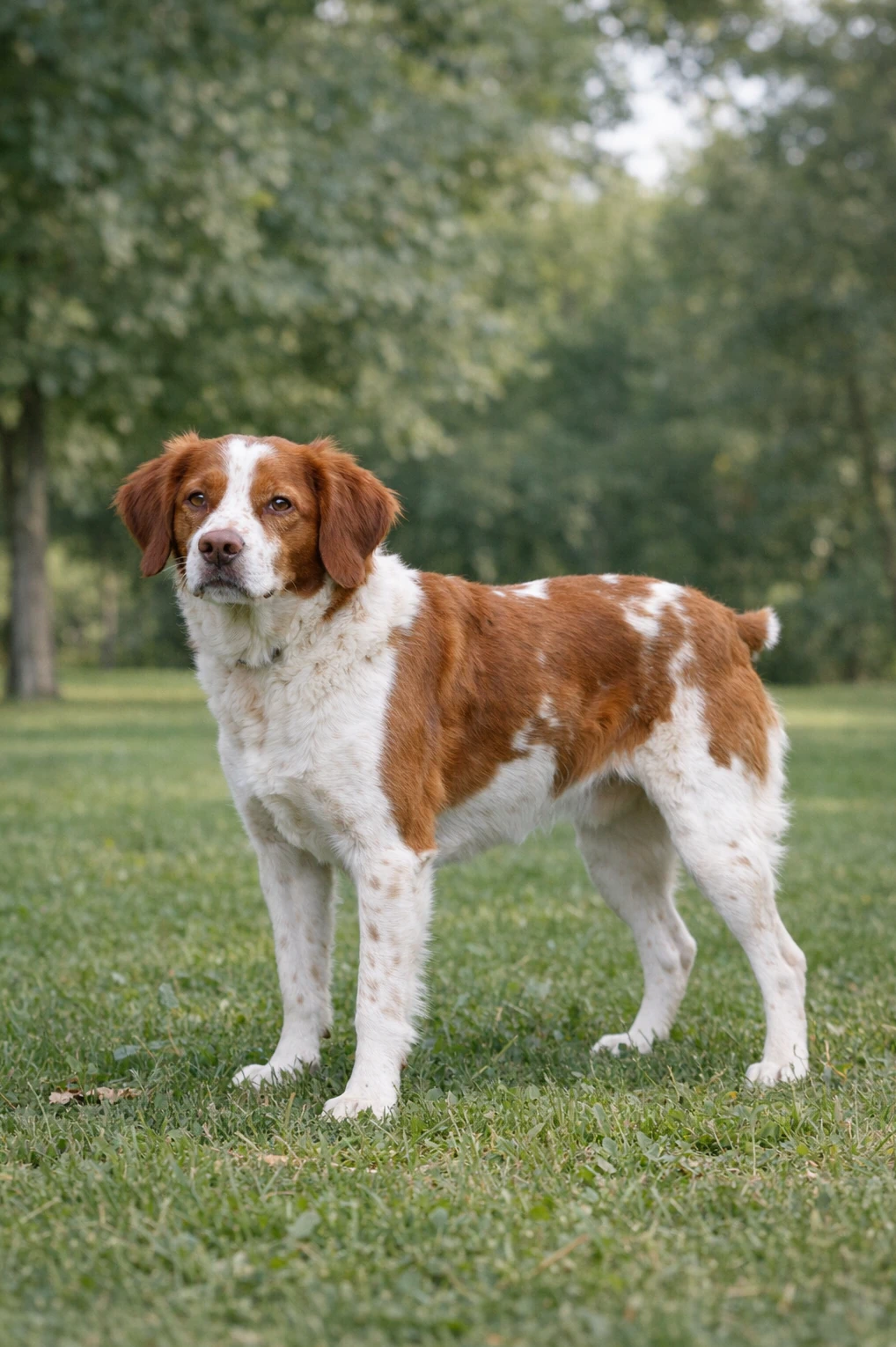
Understanding the Brittany Metabolism and Energy Needs
As a descendant of active gundogs, this energetic, social hunter needs a diet that supports endurance and quick bursts. Lean, high-quality protein is essential for maintaining lean muscle and repair after runs and retrieves, so ingredients like poultry or fish are ideal.
Moderate healthy fats supply concentrated energy for long days in the field and help keep skin and coat glossy, omega-3s from fish oil also support joint and brain health. Controlled complex carbohydrates, such as sweet potato or brown rice, provide steady glucose without spikes for mental focus during training.
Supplements like glucosamine for joints and antioxidants for recovery can be helpful, along with B vitamins and electrolytes to fuel metabolism and replace minerals after heavy exercise. Portion control and feeding around activity ensure weight stays trim so the dog remains agile and ready to play.
Managing Brittany Genetic Health Risks Through Nutrition
Hip Dysplasia
Helpful nutrients
Eye Disease
Helpful nutrients
Ear Issues (wax buildup, infections)
Helpful nutrients
Dental Health
Helpful nutrients
Obesity / Overweight
Helpful nutrients
Brittany Feeding & Calorie Calculator
Estimated Daily Calories
Tip: Start with this amount and adjust after 2–3 weeks based on your dog's body condition and weight trend.
This estimate provides a starting point for feeding. Individual calorie needs may vary depending on metabolism, body condition, and health status. Always monitor your dog's weight and consult your veterinarian when adjusting diet.
Foods and Ingredients to Avoid for Brittany Dogs
Brittanys are active dogs, but some can be prone to putting on weight if calories are not watched carefully.
High-fat foods, greasy table scraps, and fatty treats are calorie-dense and can quickly push a 30 to 40 pound dog beyond a healthy weight, increasing strain on joints and predisposition to joint problems.
Keeping fat sources moderate and choosing lean proteins helps maintain energy for activity while protecting the dog from excess weight and related health issues.
It is easy to reward a well-behaved Brittany with treats, but too many extras add up fast.
Human snacks are often higher in calories, salt, and fat than commercial dog treats, and frequent indulgences can lead to obesity, which is a common concern in this breed.
Keep treats small, count them as part of daily calories, and choose training rewards that are low calorie to keep your dog fit and ready for work or play.
Chocolate contains theobromine and caffeine, which are toxic to dogs and can cause vomiting, rapid heart rate, tremors, or worse, even in relatively small amounts for a 30 to 40 pound dog.
Dark chocolate and baking chocolate are especially dangerous because they contain higher concentrations of these compounds.
Keep all chocolate and caffeinated products well out of reach and contact your veterinarian immediately if you suspect ingestion, so prompt treatment can prevent serious complications.
Grapes and raisins can cause sudden kidney failure in dogs, and there is no reliable safe dose, so they should be avoided entirely.
Other fruits with pits, like cherries, can pose a choking hazard or contain cyanide in the pit, which is unsafe if chewed or swallowed.
Offer dog-safe fruits in small portions after removing seeds and pits, and always check with your vet if you are unsure about a specific fruit.
Xylitol is an artificial sweetener often found in sugar-free gum, candies, and some peanut butters, and it can cause a rapid, dangerous drop in blood sugar and liver damage in dogs.
Even small amounts can be serious for a medium-sized dog like a Brittany, so products containing xylitol should never be offered.
Always read ingredient labels before giving human foods, and store sugar-free items securely where curious noses cannot reach them.
Cooked bones, whether from poultry or larger mammals, can splinter easily and cause choking, mouth injuries, or intestinal punctures.
A 30 to 40 pound Brittany may try to crunch or swallow pieces that become sharp, which can lead to emergency surgery or serious blockage.
Choose appropriate, non-splintering chew options and supervise any new chew, and consult your veterinarian for safe alternatives that satisfy chewing instinct without the hazard of cooked bones.
Kibble vs Fresh vs Raw for Brittany
Different feeding models suit different lifestyles and energy needs. For an upbeat, active Brittany, pick a diet that supports steady energy and lean muscle.
Pros
- Convenient and easy to portion for busy owners.
- Consistent nutrition supports steady energy for field work.
- Dental abrasion can help reduce tartar between brushings.
- Many formulas offer joint and weight management for athletic breeds.
Cons
- Lower moisture content may not suit dogs that drink less.
- Some formulas contain fillers that are less ideal for active metabolisms.
- Many Brittanies may prefer more flavorful food.
- Quality varies widely, so read labels and choose reputable brands.
Pros
- Highly palatable, great for picky or food-motivated Brittanies.
- High moisture supports hydration during active days.
- Easy to adjust protein and calories to maintain lean muscle.
- Control over ingredients helps avoid fillers and sensitivities.
Cons
- Requires time for meal planning and regular cooking.
- More expensive than kibble, especially long term.
- Needs careful balancing or supplements to meet all nutrient needs.
- Perishable meals need refrigeration, less convenient for travel.
Pros
- High protein supports stamina and lean muscle for active Brittanies.
- Some owners report shinier coats and better energy levels.
- Minimal processing preserves natural nutrients and healthy fats.
- Can help identify ingredient sensitivities by simplifying diets.
Cons
- Higher risk of bacterial contamination, requiring strict hygiene.
- Whole bones can pose a choking or tooth injury risk.
- Time consuming to source, prep, and safely store ingredients.
- Needs veterinary or nutritionist guidance to ensure complete balance.
| Diet Type | Pros for Brittany | Potential Downsides |
|---|---|---|
| High-Quality Kibble |
|
|
| Fresh Cooked Food |
|
|
| Raw Diet (BARF) |
|
|
Our Recommendation
For many Brittanys, a high-quality kibble designed for active dogs balances convenience and performance.
Fresh cooked meals work well for picky dogs or performance dogs, while raw diets can suit experienced owners but require strict safety and professional guidance.
See Also
Breeds with similar group, size, and coat characteristics