Best Dog Food for Welsh Springer Spaniel in 2026Based on Nutritional Science
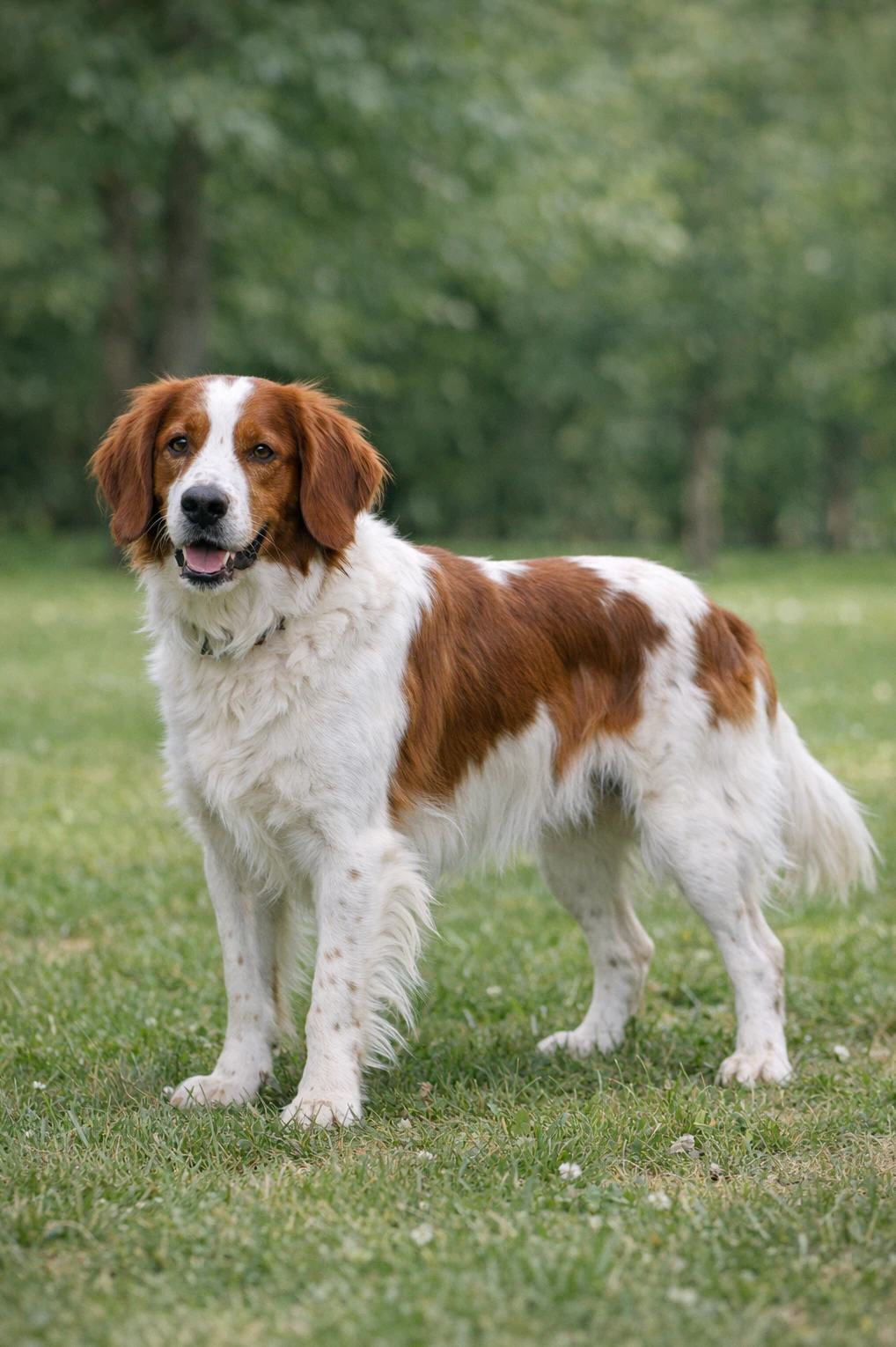
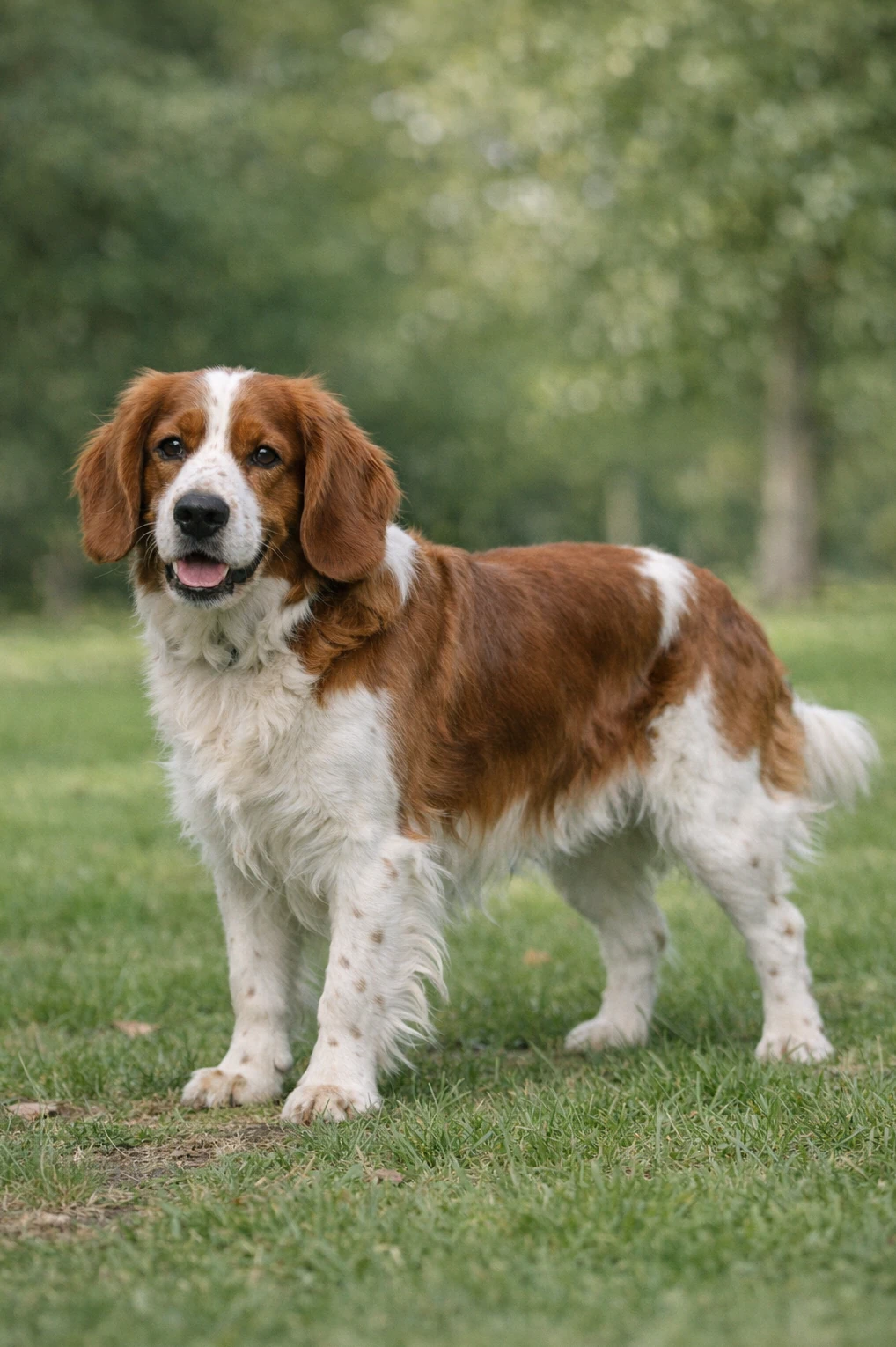
Medium-sized Welsh Springer Spaniel, about 18 to 19 inches tall and 40 to 55 pounds, is calm, cheerful, and lively. Nutritional verdict: feed a quality, balanced diet to support steady energy and healthy muscle tone.
Understanding the Welsh Springer Spaniel Metabolism and Energy Needs
As a Welsh Springer Spaniel, this medium hunting companion balances quiet reserve with a cheerful, spirited personality. Bred to work in cover and flush game, it needs lasting stamina, solid muscle, and steady concentration. That background drives a modern feeding plan that focuses on sustained energy, lean tissue maintenance, and joint care.
Aim for higher quality protein, roughly 25 to 30 percent of calories, from sources like poultry, fish, or red meat to repair muscle after activity. Moderate healthy fats, about 12 to 18 percent, from omega-rich oils and animal fats provide endurance and a glossy coat, while controlled complex carbohydrates such as sweet potato offer slow-release fuel. Consider glucosamine and omega-3 supplements for joint and cartilage support, plus antioxidants and B vitamins to aid recovery and steady mood.
Managing Welsh Springer Spaniel Genetic Health Risks Through Nutrition
Welsh Springer Spaniel Feeding & Calorie Calculator
Estimated Daily Calories
Tip: Start with this amount and adjust after 2–3 weeks based on your dog's body condition and weight trend.
This estimate provides a starting point for feeding. Individual calorie needs may vary depending on metabolism, body condition, and health status. Always monitor your dog's weight and consult your veterinarian when adjusting diet.
Foods and Ingredients to Avoid for Welsh Springer Spaniel Dogs
Welsh Springer Spaniels are a moderately active, medium-sized breed that can put on weight if their calories are too high, and fatty meals make unwanted weight gain and joint stress more likely.
High-fat foods, fried scraps, and greasy table leftovers can also trigger pancreatitis, a painful and potentially serious inflammation of the pancreas.
Stick with lean protein and controlled portions, and reserve fatty treats for only special, vet-approved occasions to keep their weight and joints healthy.
People food can be tempting, but many common ingredients are unsafe for dogs of this size.
Salt, garlic, onions, rich sauces, and sugary or spicy foods can upset digestion or cause toxicity in some cases, and calorie-dense scraps contribute quickly to weight gain.
Cooked bones and seasoned meats in particular are risky, so it is safer to use dog-safe treats and keep human meals out of reach to protect their tummy and overall health.
Cooked bones, small brittle chews, and some hard natural chews can splinter or break teeth, creating choking hazards and the risk of intestinal perforation.
Welsh Springer Spaniels have strong jaws, and a thrilled chewer might push a dangerous fragment down the throat before you can react.
Choose appropriately sized, sturdy chew toys or veterinarian-recommended dental chews, and supervise any new chew to prevent broken teeth, blockages, or emergency trips to the vet.
Some grain-free diets that substitute lots of peas, lentils, or other legumes have been associated with heart concerns in certain dogs, particularly when taurine levels are low.
While most dogs do fine on balanced grain-free formulas, breeds that are active and medium-sized like the Welsh Springer Spaniel benefit from a diet that supports heart and muscle health.
Discuss any grain-free choice with your veterinarian, and choose formulas backed by nutritional testing and clear ingredient balance to reduce potential risk.
This breed can be prone to skin and ear sensitivities, and artificial additives like certain colors, flavors, and preservatives may aggravate allergies or contribute to digestive upset.
Ingredients listed as BHA, BHT, or vague artificial flavors are best avoided if your dog has a history of itchy skin, ear infections, or loose stools.
Opt for foods with simple, identifiable ingredients and natural preservation when possible, and watch for improvements if you switch away from heavily processed formulas.
Kibble vs Fresh vs Raw for Welsh Springer Spaniel
Different feeding models suit different lifestyles and dog needs. For a Welsh Springer Spaniel, consider activity level, coat health, and how much time you have for meal prep.
Pros
- Convenient and easy to portion for busy owners.
- Consistent nutrition supports active energy needs.
- Crunchy texture can help reduce tartar buildup.
- Shelf-stable, handy for travel or hunting outings.
Cons
- Lower moisture may not support hydration on active days.
- Some brands contain fillers that add unnecessary calories.
- Less fresh flavor can be boring for picky spaniels.
- May require careful portion control to prevent weight gain.
Pros
- Highly palatable, great for picky or reserved eaters.
- High moisture content supports digestion and hydration.
- You control ingredients for coat and joint support.
- Easier to adjust calories for activity fluctuations.
Cons
- Requires time and planning to ensure balanced nutrition.
- More expensive and needs refrigeration for leftovers.
- Risk of missing vitamins or minerals without guidance.
- Meal prep can be impractical on busy weeks.
Pros
- High protein and natural textures match working breed needs.
- Owners often report shinier coats and improved energy.
- Less processing preserves many natural nutrients.
Cons
- Strict hygiene needed to avoid bacterial contamination.
- Whole bones can pose hazards if not handled properly.
- Requires veterinary oversight to ensure complete nutrition.
- Can be inconvenient when traveling or in apartments.
| Diet Type | Pros for Welsh Springer Spaniel | Potential Downsides |
|---|---|---|
| High-Quality Kibble |
|
|
| Fresh Cooked Food |
|
|
| Raw Diet (BARF) |
|
|
Our Recommendation
For most Welsh Springer Spaniels, high-quality kibble or thoughtfully prepared fresh food meets energy and coat needs while fitting varied routines.
Raw diets can work for experienced owners who commit to hygiene and careful balancing, but they require extra caution.
See Also
Breeds with similar group, size, and coat characteristics