Best Dog Food for Nova Scotia Duck Tolling Retriever in 2026Based on Nutritional Science
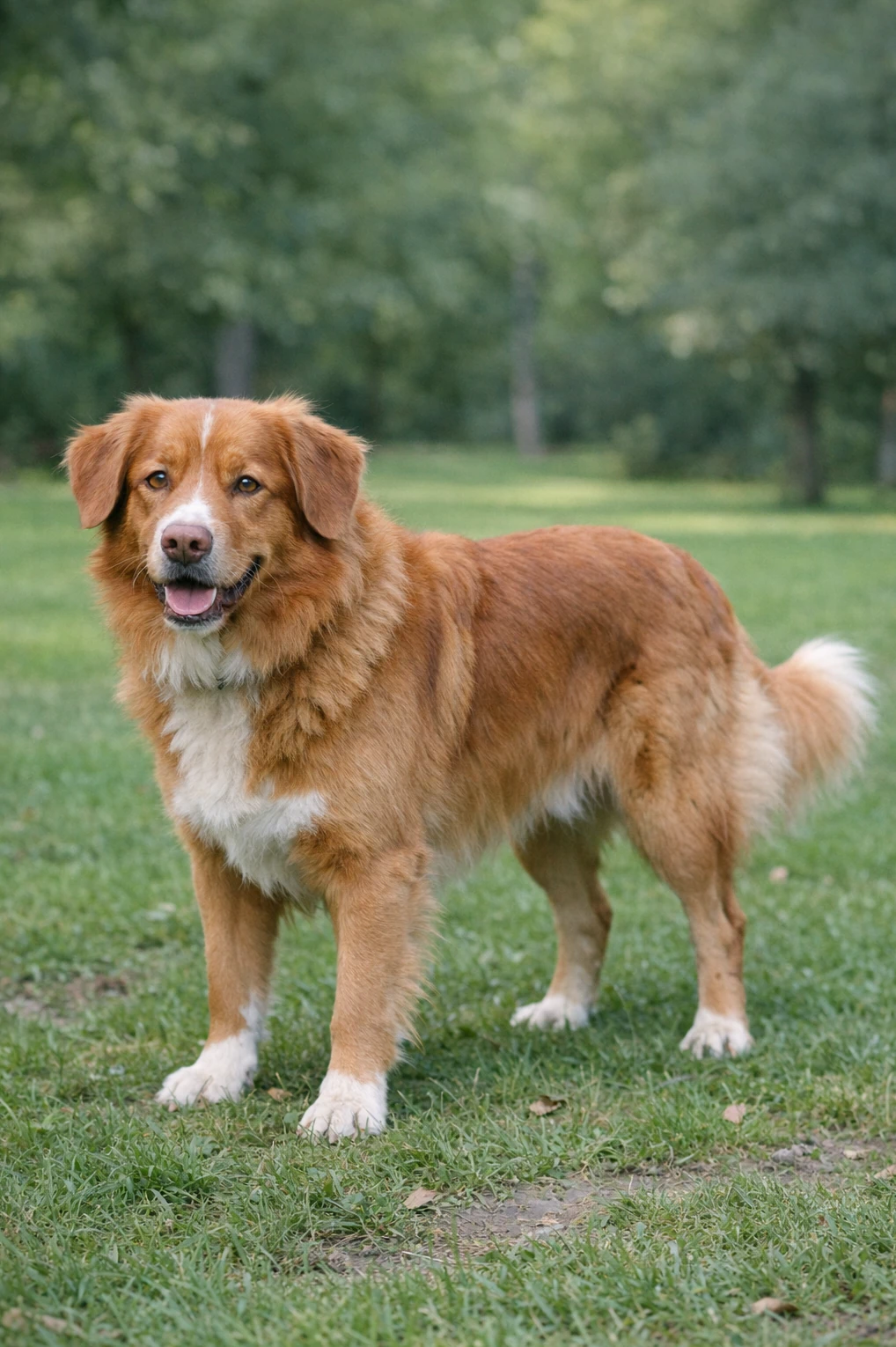
Compact, clever dog standing 18 to 21 inches and weighing 35 to 50 pounds. Loving and sociable, they do best on quality, protein-rich meals with balanced fats and joint nutrients. Nutritional verdict: tailored active-dog diet.
Understanding the Nova Scotia Duck Tolling Retriever Metabolism and Energy Needs
Tollers were developed to lure and fetch water birds, and they still show a bright, devoted, and social temperament that needs food to match their busy days. Their balance of stamina, agility, and close human focus means nutrition should support sustained activity, quick recovery, and a healthy coat.
A higher proportion of quality animal protein helps preserve the lean muscle used in short bursts and regular swims, while rich, easily used fats supply concentrated energy and help maintain skin and fur health, especially long-chain omega-3s. Moderate, digestible carbohydrates provide steady fuel without excess weight, useful for long play sessions and training.
Joint-support nutrients like glucosamine and antioxidants help protect movement as they age, and B vitamins support fast metabolism and alertness. Timing meals around exercise, and using nutrient-dense snacks for training, keeps their body and mind working happily together.
Managing Nova Scotia Duck Tolling Retriever Genetic Health Risks Through Nutrition
Addison's Disease (adrenal insufficiency)
Helpful nutrients
Autoimmune-related issues
Helpful nutrients
Overweight / Obesity
Helpful nutrients
Nova Scotia Duck Tolling Retriever Feeding & Calorie Calculator
Estimated Daily Calories
Tip: Start with this amount and adjust after 2–3 weeks based on your dog's body condition and weight trend.
This estimate provides a starting point for feeding. Individual calorie needs may vary depending on metabolism, body condition, and health status. Always monitor your dog's weight and consult your veterinarian when adjusting diet.
Foods and Ingredients to Avoid for Nova Scotia Duck Tolling Retriever Dogs
Nova Scotia Duck Tolling Retrievers can gain weight if their calorie intake is not managed, and high-fat foods make extra calories easy to sneak in.
Rich table scraps, fatty cuts of meat, and greasy treats can contribute to obesity, which puts stress on joints and can shorten active years.
Keep treats and meal fat content moderate, choose lean protein sources, and talk to your veterinarian before offering fatty human foods, especially if your dog has a history of digestive upsets.
Tollers are smart and food-motivated, which makes training treats handy but also risky for weight gain.
Small snacks add up quickly, and a 35 to 50 pound dog can reach extra pounds before you notice, increasing risk of joint strain and other weight-related issues.
Use low-calorie training treats, break treats into tiny pieces, and count them toward daily calories so your dog stays fit and able to enjoy long walks and play sessions.
Some grain-free diets that rely heavily on peas, lentils, or other legumes have been associated with heart muscle problems in dogs, regardless of breed.
Since Tollers are a medium sized, active breed, their heart health matters for long hunts and play, so choose diets backed by reputable testing.
If you prefer a grain-free option, discuss it with your veterinarian, ask about taurine and cardiac monitoring, and consider formulas with balanced ingredients rather than large pulses as main protein sources.
Tollers can be more prone to immune and skin sensitivities, so artificial preservatives, flavors, and colors may raise the chance of irritated skin or digestive upset.
Ingredients like BHA, BHT, and unnecessary dyes are avoidable when you choose simpler, cleaner recipes.
Look for foods preserved naturally and with transparent labels, and if your dog shows itchy skin or tummy troubles, try an elimination approach with your vet to pinpoint triggers.
While raw feeding has supporters, raw bones and uncooked meats can pose risks of bacterial infection and choking or intestinal blockage.
Chewing hard bones can also crack a tooth, and an active Toller that eats quickly could be at higher risk for swallowing problematic pieces.
If you are considering raw or whole bone feeding, consult your veterinarian, follow strict hygiene rules, and supervise chewing so you protect your dog from avoidable injuries and infections.
Certain human foods are outright dangerous for dogs and should be avoided completely.
Chocolate, xylitol sweeteners, grapes and raisins, onions, and garlic can cause serious illness even in moderate amounts for a 35 to 50 pound dog, and symptoms may not appear immediately.
Keep these foods out of reach, educate family and visitors, and contact your veterinarian or an emergency clinic right away if you suspect your Toller has eaten any toxic item.
Kibble vs Fresh vs Raw for Nova Scotia Duck Tolling Retriever
Different feeding approaches suit different lifestyles, energy needs, and health histories. For Nova Scotia Duck Tolling Retrievers, activity level and autoimmune tendencies often guide the best choice.
Pros
- Convenient and easy to portion for busy, active owners.
- Formulated to provide complete vitamins and minerals every day.
- Dry kibble helps keep teeth cleaner through chewing.
- Many adult formulas support healthy weight and energy levels.
Cons
- Lower moisture content may not suit dogs that drink little.
- Some brands include fillers or low-quality ingredients.
- Calorie-dense formulas can lead to weight gain without portion control.
- May need supplementation for specific autoimmune-related health needs.
Pros
- Highly palatable for picky or food-motivated Tollers.
- High moisture supports hydration and healthy digestion.
- You control ingredients to avoid triggers or low-quality additives.
- Good option for dogs with mild food sensitivities.
Cons
- Requires careful recipe planning to ensure complete nutrition.
- Time-consuming and often more expensive than kibble.
- Needs refrigeration and safe handling to prevent spoilage.
- Incorrect balance can stress dogs prone to autoimmune issues.
Pros
- High protein and fat profile can suit active, athletic Tollers.
- Some owners report shinier coats and improved energy.
- Feeds fewer processed ingredients, appealing to natural-feeding preferences.
- May be portioned to support lean muscle maintenance.
Cons
- Higher risk of bacterial contamination without strict hygiene.
- Raw bones can pose choking or dental fracture risks.
- Difficult to balance micronutrients for dogs with specific health needs.
- May be risky if your Toller develops Addison's or immune disorders.
| Diet Type | Pros for Nova Scotia Duck Tolling Retriever | Potential Downsides |
|---|---|---|
| High-Quality Kibble |
|
|
| Fresh Cooked Food |
|
|
| Raw Diet (BARF) |
|
|
Our Recommendation
For most Tollers, a high-quality kibble or a carefully planned fresh cooked diet offers a good balance of convenience, nutrition, and energy support.
If you consider raw feeding, discuss it with your veterinarian and plan carefully, especially given Addison's and autoimmune concerns.
See Also
Breeds with similar group, size, and coat characteristics